What a Carrying Idler Does on a Belt Conveyor
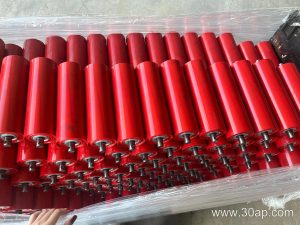
A conveyor belt carrying idler is the rotating support that holds the loaded side of the belt in shape as material travels from the loading point to the discharge end. It sits directly under the belt, usually in a three-roll troughing set, and its main job is to keep the belt profile stable without adding unnecessary drag. In a coal washing plant, for example, a row of carrying idlers may run for hundreds of meters, day after day, under a steady stream of wet coal. The same principle applies in a limestone quarry or a cement plant, where the belt is often wider and the material heavier.
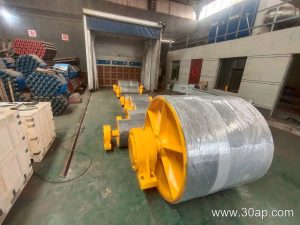
People sometimes call this component a troughing roller or a belt support roller. Those are accurate equivalent names for the same product. It is not a drive pulley, a tail pulley, or a bend pulley. Those pulleys transmit power or change belt direction, while a carrying idler simply supports the belt and the material on it.
How the Carrying Idler Is Built
A typical unit consists of a steel tube shell, a shaft, bearing housings, and a sealing arrangement. The shell may be plain steel, nylon-coated, ceramic-lined, or fitted with rubber rings for impact absorption. Bearings are commonly 6204, 6205, 6305, 6306, 6308, or 6310, though the exact choice depends on the load, speed, and roll diameter, not on belt width alone. Seals matter as much as bearings in dusty locations such as a crushing and screening plant, because fine grit will destroy a bearing long before the shell wears out.
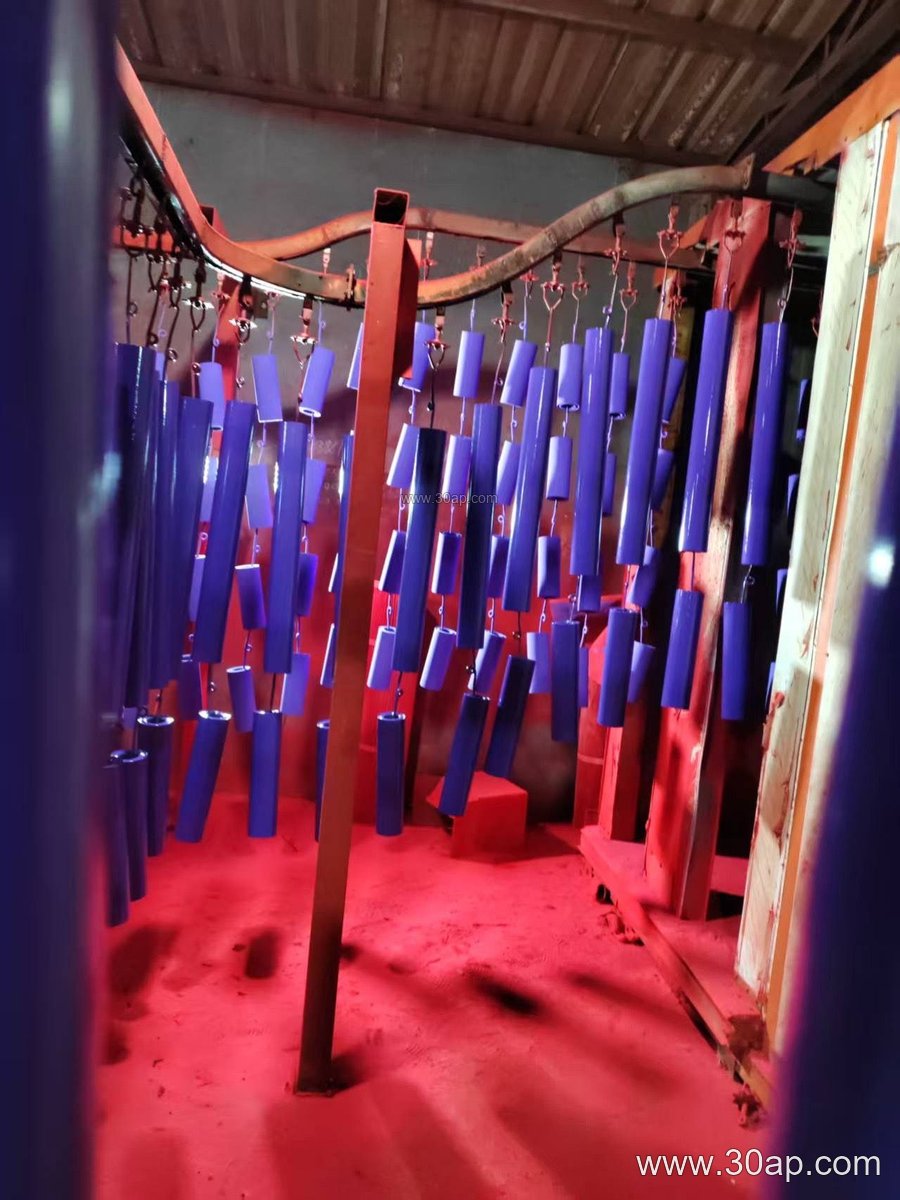
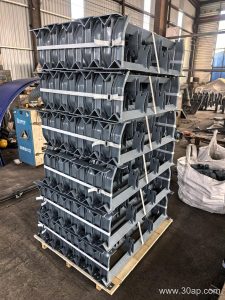
The idler is mounted on a conveyor bracket or frame. The bracket keeps the rolls at the designed trough angle, which is usually 20, 30, 35, or 45 degrees. A transition idler may be placed near the loading point to gently guide the belt from a flat pulley into a full trough. Impact idlers, often with rubber rings, are used where large lumps drop onto the belt.
Common Sizes and Arrangements
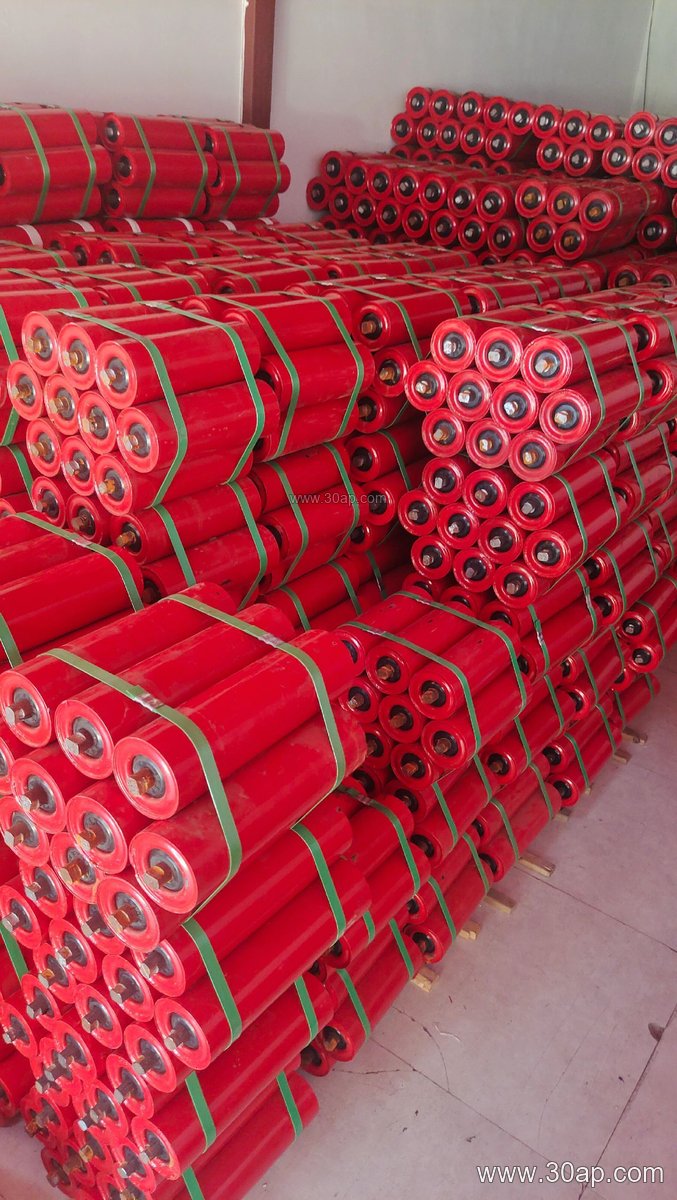
Carrying idlers are made in several roll diameters and belt widths. The table below shows typical reference values, not fixed rules. Final dimensions are always determined by the conveyor design.
| Item | Common Range |
|---|---|
| Roll diameter | Ø63, Ø76, Ø89, Ø102, Ø108, Ø127, Ø133, Ø159, Ø178, Ø194, Ø219 mm |
| Belt width | B400, B500, B650, B800, B1000, B1200, B1400, B1600, B1800, B2000, B2200, B2400 |
| Trough angle | 20°, 30°, 35°, 45° |
| Roll surface | Steel tube, nylon, ceramic, rubber rings |
| Bearing | 6204, 6205, 6305, 6306, 6308, 6310 |
| Set form | Single roll, two-roll, three-roll troughing |
For a three-roll troughing set, the side roll length often changes with belt width. As a rough example, a B500 belt may use a side roll of about 200 mm, B650 about 250 mm, B800 about 315 mm, B1000 about 380 mm, B1200 about 465 mm, B1400 about 530 mm, B1600 about 600 mm, B1800 about 670 mm, and B2000 about 750 mm. The center roll can differ. These are common examples only, not a matching table that locks one belt width to one pulley diameter or one shaft size.
Where Carrying Idlers Are Used
You will find them in almost any continuous bulk handling line. A few examples:
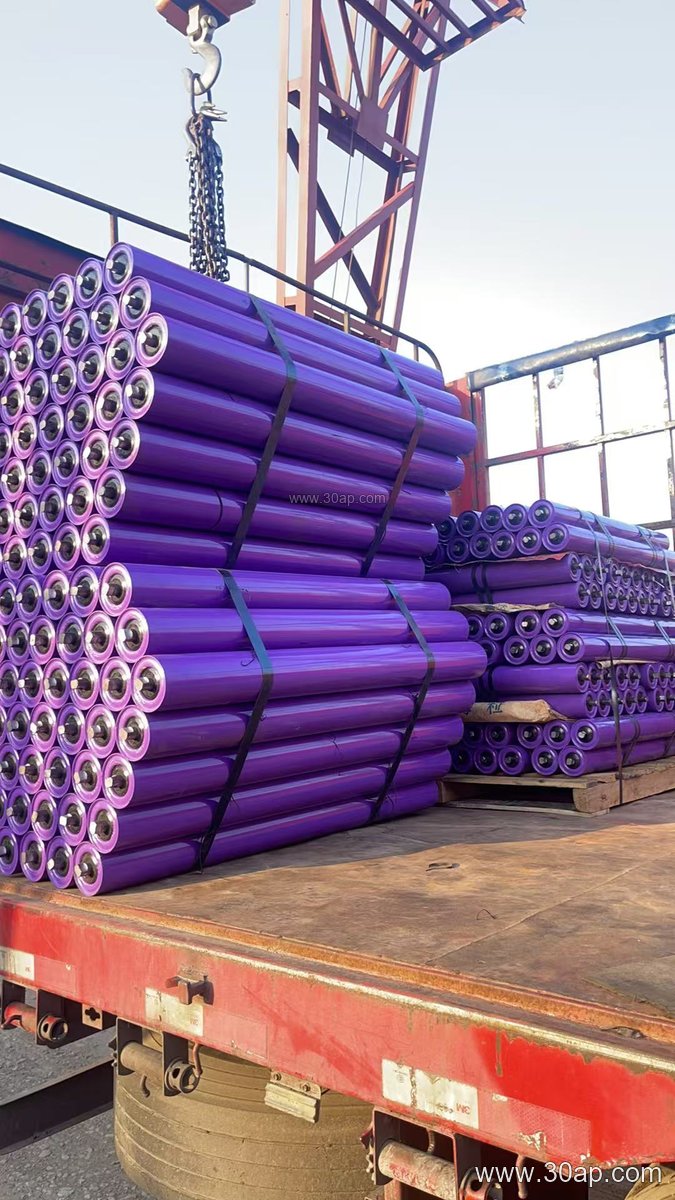
- Coal mines and power plant coal yards, where dust and moisture are constant concerns.
- Sand and gravel pits, where abrasive aggregate wears the shell quickly.
- Iron ore and copper concentrators, where heavy ore demands robust bearings.
- Fertilizer and grain terminals, where material buildup can affect belt tracking.
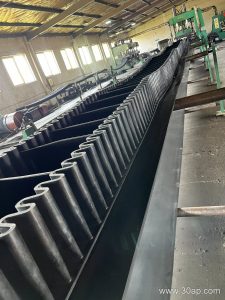
In each case, the carrying idler works together with the conveyor belt, the conveyor pulley, and the supporting frame. A misaligned or seized roller will often show up as belt edge damage or spillage before it fails completely.
What Buyers Should Check
Before ordering, confirm the belt width, the trough angle, the roll diameter, the shaft end type, and the bracket spacing. Ask about the sealing method if the site is dusty or wet. Compare the bearing size with the expected load and speed. For a quarry or a cement plant, a heavier shell and better seal may last longer than a lighter, cheaper roller. For a clean grain facility, a standard sealed idler may be perfectly adequate.
Also remember that a carrying idler is not the same as a return idler, though both support the belt. Return idlers support the empty side and may be flat or V-shaped. Choosing the right type for each position keeps the whole conveyor running smoothly.