What a Conveyor Bracket Quotation Covers
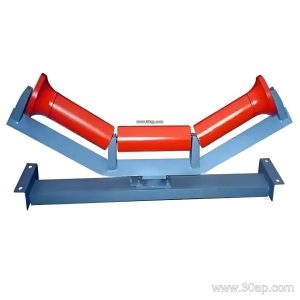
A conveyor bracket quotation is not just a price list for a few pieces of bent steel. It is a document that ties a support frame to a specific belt width, trough angle, roller diameter, and installation position. When a buyer in a quarry, a cement plant, or a coal handling system requests a quote, the supplier needs to know whether the bracket is an upper troughing bracket, a return bracket, a transition bracket, or an adjustable design. Each of these plays a different role, and mixing them up leads to frames that do not fit the conveyor belt or the idler roller set.
The quotation should describe the bracket by its function, material, and the dimensions that matter for mounting. A useful quote also states what is included, such as the bracket body, mounting holes, and any reinforcement plates.
How the Bracket Is Built
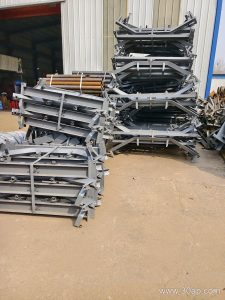
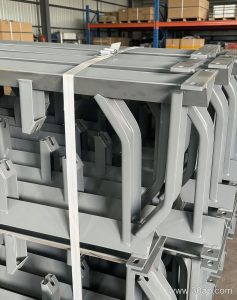
Most conveyor brackets are fabricated from angle steel, channel steel, or folded steel plate. The choice depends on load, span, and the environment. A bracket for a heavy-duty mining conveyor belt line is usually stiffer than one used on a light aggregate conveyor. Welding quality, hole spacing, and surface treatment are all part of the build, and a good quotation will mention them rather than leaving them to assumption.
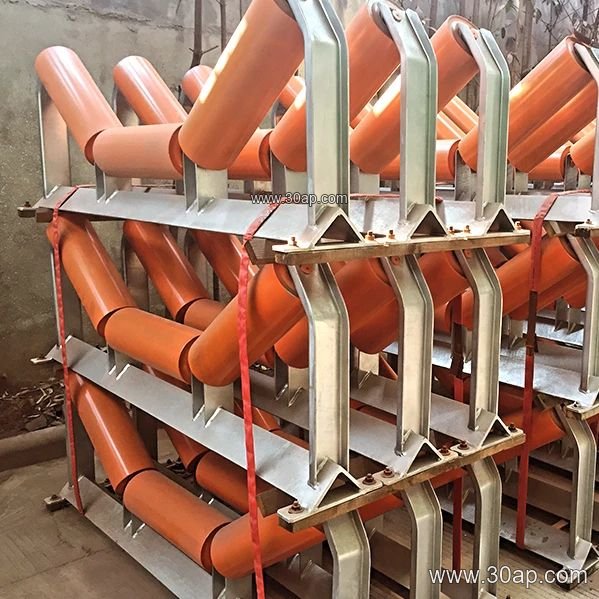
Adjustable brackets allow the trough angle to be set between common values such as 20, 30, 35, and 45 degrees. Fixed brackets are welded or bolted at one angle. Forward-leaning designs, often around 1.5 to 2 degrees, are used where belt tracking needs help. These are different products with different mounting needs, so the quote should name the type clearly.
Matching Bracket to Belt and Roller
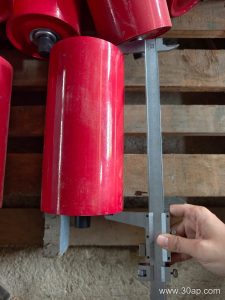
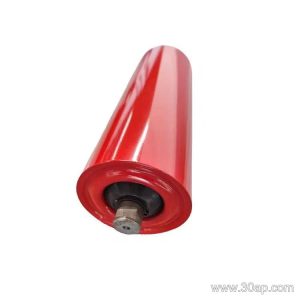
Belt width and roller diameter are the two numbers that shape the bracket most. A bracket for B800 with a 35 degree trough and Ø108 rollers is a different fabrication from one for B1200 with a 45 degree trough and Ø133 rollers. Common belt widths include B500, B650, B800, B1000, B1200, B1400, B1600, B1800, B2000, and B2200, and roller diameters commonly include Ø89, Ø108, Ø133, Ø159, and Ø194.
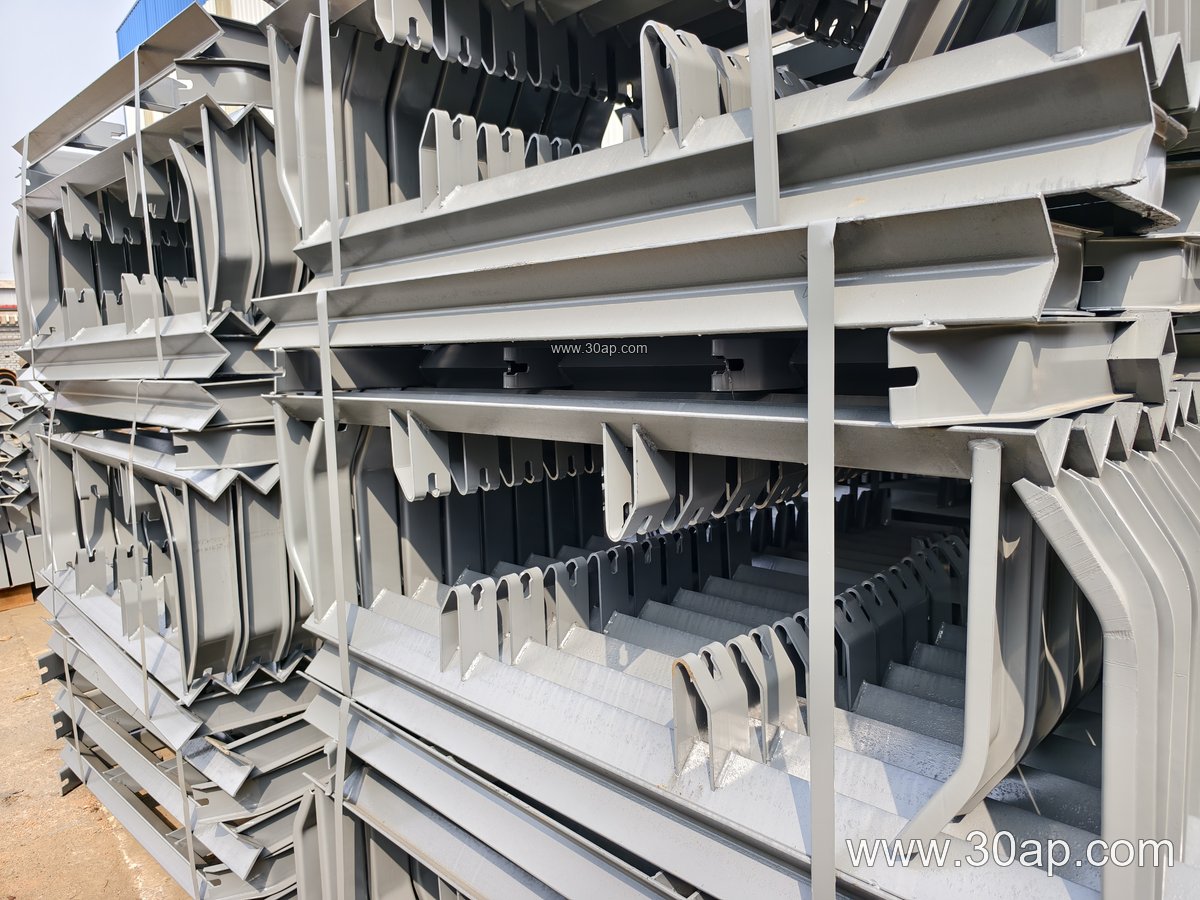
There is no rule that one belt width must use one trough angle or one roller size. The correct combination comes from the conveyor design, the material being carried, and the load on each idler roller station. Mounting hole spacing and crossbeam length vary with belt width and trough angle, so they should be confirmed per project rather than copied from a sample sheet.
Reference combinations often discussed in quotations
- B650, 30 degrees, Ø89
- B800, 35 degrees, Ø108
- B1200, 45 degrees, Ø133
These are examples for discussion, not fixed rules. A quotation should always state the actual dimensions agreed for the order.
Where These Brackets Are Used
Support brackets appear wherever a conveyor belt changes direction or carries load. In a limestone quarry, upper troughing brackets hold the carrying idlers on the loaded side, while return brackets support the belt on its way back. Transition brackets sit near a conveyor pulley, where the belt changes from troughed to flat. In a coal washing plant or a power plant coal yard, flame retardant conveyor belt lines often use sturdy fixed brackets with reinforced crossbeams.
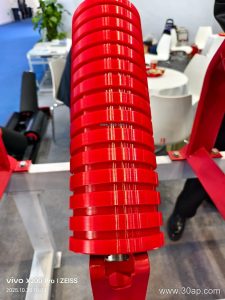
Adjustable brackets are useful in sand and gravel lines where belt tracking is adjusted during commissioning. Buffer brackets with impact-resistant rollers are common below crusher discharge points, where falling rock hits the belt. The bracket itself does not carry the material, but it keeps every idler roller in the right position so the belt runs true.
What Buyers Should Check in a Quote
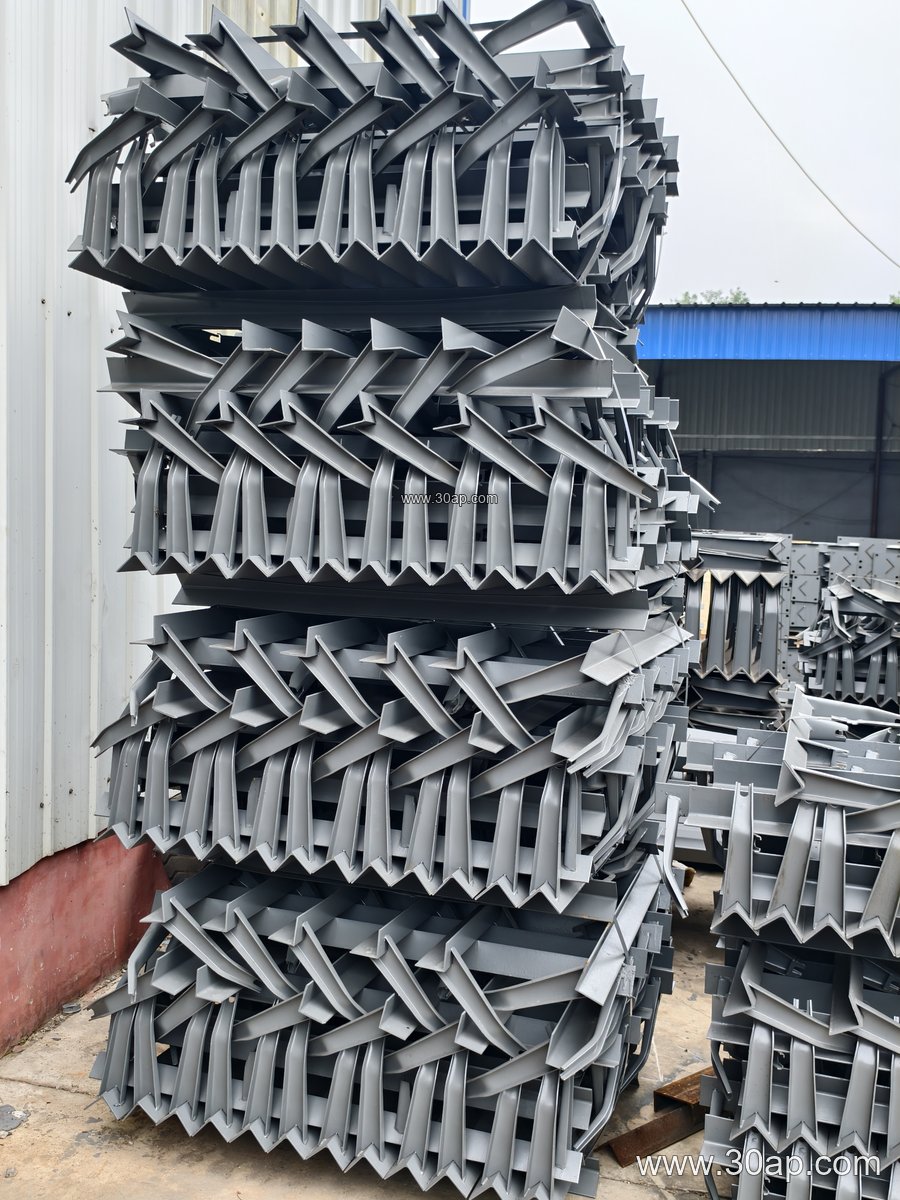
A clear quotation should list the bracket type, material, belt width range, trough angle, roller diameter, hole spacing, surface treatment, and quantity. It should also say whether the bracket is fixed or adjustable and whether it is an upper, return, transition, or impact design. Buyers comparing offers should confirm that the quoted bracket matches the existing conveyor pulley and frame layout, because a bracket quoted for the wrong position will not fit even if the steel is correct.
Delivery terms, packing, and documentation also belong in the quotation. For larger projects, splitting the order by conveyor line and by bracket type makes later installation and spare parts planning much easier.
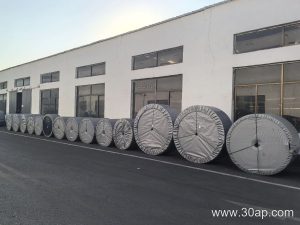
For related components such as EP conveyor belt, steel cord conveyor belt, and conveyor pulley, the same principle applies: match the quotation to the actual conveyor design, not to a generic catalogue page.