What a Mining Conveyor Bracket Does on a Belt Line
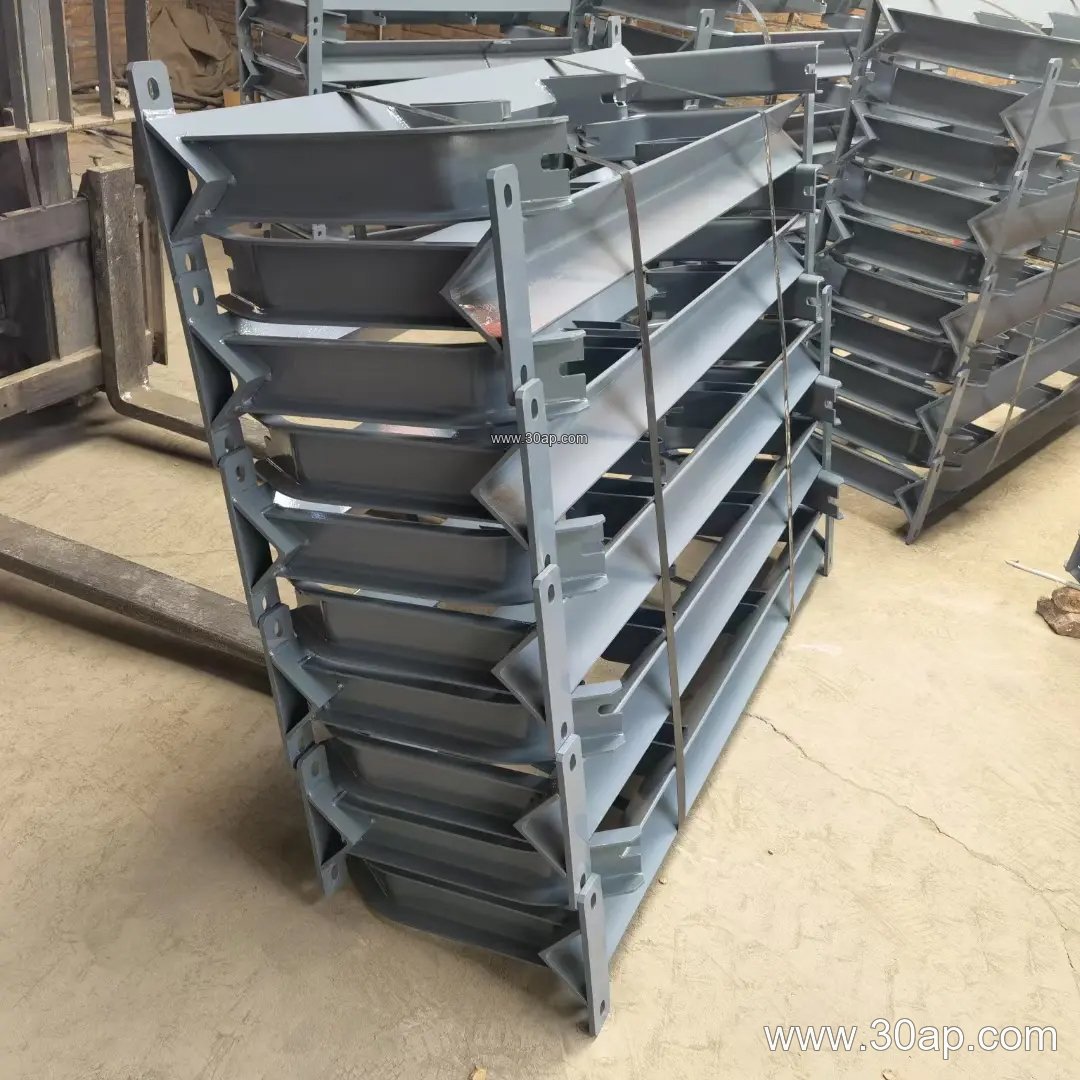
A mining conveyor bracket is the structural support that holds the idlers in the correct position under or over the conveyor belt. It keeps the belt profile stable, controls the trough shape, and transfers the load of the belt and material into the conveyor frame. On a heavy-duty mining conveyor, this bracket is often the difference between a belt that tracks cleanly and one that spills, misaligns, or wears its edges.
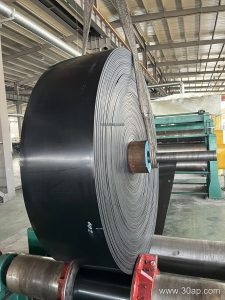
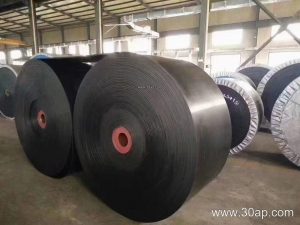
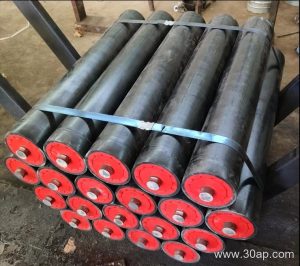
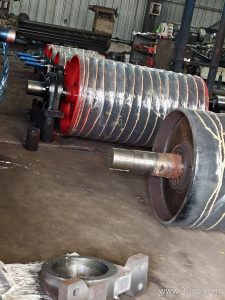
The bracket itself is a simple-looking assembly, usually made from angle steel, channel steel, or folded steel plate. The design must match the belt width, the trough angle, the idler diameter, and the load conditions. In practice, buyers treat the bracket as part of a system: the conveyor belt, idler roller, and conveyor pulley all interact with it, so the bracket cannot be chosen in isolation.
Common Types and Where They Sit
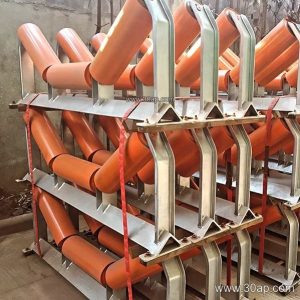
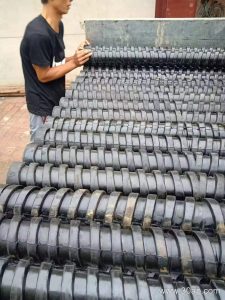
Brackets are usually named after their position and function. A trough bracket carries the three idlers that form the belt into a trough on the carrying side. A return bracket supports the idlers on the return strand, often as a flat or V-shaped arrangement. Transition brackets sit near pulleys where the belt changes from troughed to flat. Impact brackets are used at loading points, and self-aligning brackets help correct belt drift.
- Trough bracket: carrying side, sets the trough angle.
- Return bracket: return side, supports the empty belt.
- Transition bracket: near drive, tail, or bend pulleys.
- Impact bracket: under crusher or transfer chutes.
- Self-aligning bracket: helps keep the belt centered.
An adjustable bracket allows the trough angle to be changed within a range, which is useful during commissioning or when material conditions change. A fixed bracket is simpler and stiffer, and is common where the conveyor profile is already settled.
Trough Angle, Belt Width, and Idler Diameter
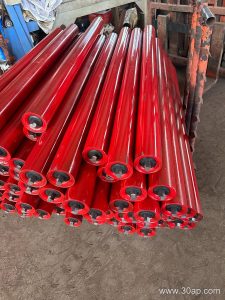
The trough angle affects how much material the belt can carry and how the belt behaves at the edges. Common angles are 20, 30, 35, and 45 degrees. A wider belt does not automatically need a larger angle, and a given belt width does not lock the bracket to one idler diameter. Typical idler diameters include Ø89, Ø108, Ø133, Ø159, and Ø194 mm, and the choice depends on belt speed, load, and the frame design.
Belt widths for mining and bulk handling conveyors commonly run from B500 up to B2200, with B800, B1000, B1200, B1400, and B1600 among the most frequent in quarry and plant duty. Installation hole spacing and beam length change with belt width and trough angle, so these dimensions are confirmed per design rather than taken from a single table.
Reference Combinations
The following are illustrative pairings, not mandatory matches. They show how bracket, idler, and belt data are usually discussed together.
| Belt Width | Typical Trough Angle | Common Idler Diameter | Bracket Note |
|---|---|---|---|
| B650 | 30° | Ø89 mm | Light to medium duty |
| B800 | 35° | Ø108 mm | General plant duty |
| B1000 | 35° | Ø133 mm | Heavy-duty carrying side |
| B1200 | 45° | Ø133 mm | High capacity, deep trough |
| B1400 | 35° | Ø159 mm | Mine and port duty |
| B1600 | 45° | Ø159 mm | Large tonnage lines |
These values are reference data. A B1200 conveyor may run a 35-degree trough with Ø133 idlers, or a different combination, depending on the design.
Materials and Build Quality
Most brackets are fabricated from angle steel or channel steel, with folded plate used where a stiffer or cleaner profile is needed. Welds should be continuous at load-bearing joints, and the bracket should be checked for squareness so the idlers sit evenly. On abrasive duties such as iron ore, copper ore, or quarry rock, the bracket and its fasteners must resist vibration and dust. Paint or galvanizing helps in wet or coastal installations, but the structural section remains the main factor.
When the conveyor handles coal, a flame retardant conveyor belt is often specified, and the bracket layout should still allow the belt to run freely without pinching. In cement plants and power plant coal yards, dust build-up around the bracket is common, so accessible bolt positions and open profiles help maintenance.
Buyer Checklist
Before ordering, confirm the belt width, the required trough angle, the idler diameter, and whether the bracket is fixed or adjustable. Check the mounting hole spacing against the existing frame, and confirm the bracket material and finish. Ask whether the bracket is designed for a specific belt type, such as an EP conveyor belt or a steel cord conveyor belt, because belt stiffness affects transition and trough behavior.
For a new line, it is worth matching the bracket to the full conveyor layout, including the conveyor pulley positions at drive, tail, and bend stations. For a replacement, measure the old bracket and compare it with the idler roller dimensions rather than relying on the belt width alone. A well-chosen mining conveyor bracket keeps the belt supported, reduces edge wear, and makes routine idler changes faster.