What a Rubber Disc Idler Does on a Conveyor
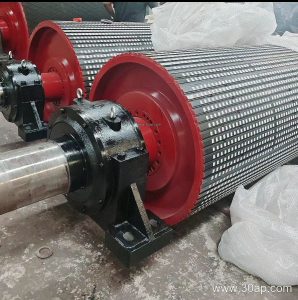
A rubber disc idler is a type of carrying idler built with a series of rubber discs or rings mounted along the roller shell. It is often used at transfer points and load zones where the conveyor belt receives falling material. The rubber discs absorb impact energy, reduce belt damage, and help keep the belt supported under heavy loads. In many plants, this idler is also called a rubber ring impact idler or rubber cushion idler, but the core function stays the same: protect the belt and stabilize the load.
Unlike a standard steel idler roller, the rubber disc idler uses flexible discs that compress slightly under load. This flexibility is useful in quarry, aggregate, and mining conveyor belt systems where lumps and sharp edges are common. It is not a replacement for a drive pulley, tail pulley, or bend pulley; those are different components with different jobs. The rubber disc idler works as a supporting element along the carrying side of the conveyor.
Construction and Common Features
The idler usually consists of a steel shaft, bearing housings, and a series of rubber discs pressed onto the shell. The discs may be made from natural rubber, synthetic rubber, or a rubber compound selected for abrasion resistance and elasticity. Bearing sizes commonly include 6204, 6205, 6305, 6306, 6308, and 6310, but the final choice depends on load, speed, and idler design. The roller surface is often described as rubber ring or rubber disc, and the disc spacing can vary by manufacturer.
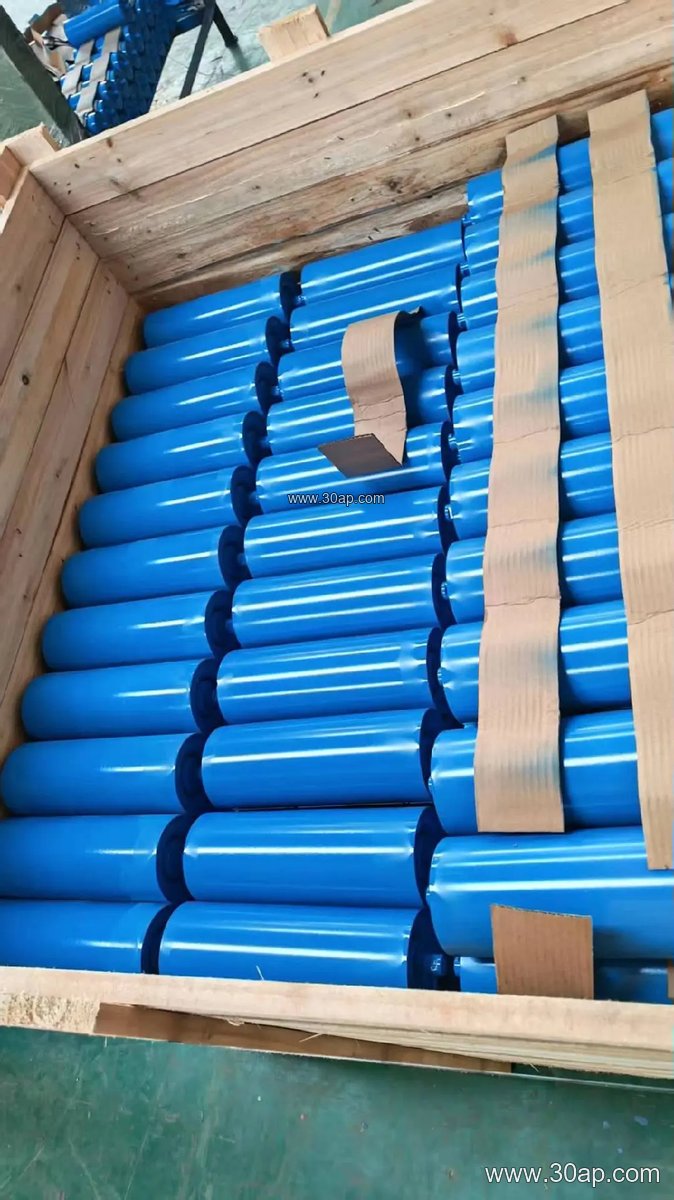
Typical roller diameters for this product family include Ø89, Ø102, Ø108, Ø127, Ø133, Ø159, and Ø178. Smaller diameters may appear in light-duty sections, while larger diameters are common in heavy-duty mining and port applications. The idler length is matched to the belt width and trough angle. For example, a three-roll troughing set might use a roller length around 315 mm for B800 and about 465 mm for B1200, but side rolls and center rolls can differ. These values are common references, not fixed rules.
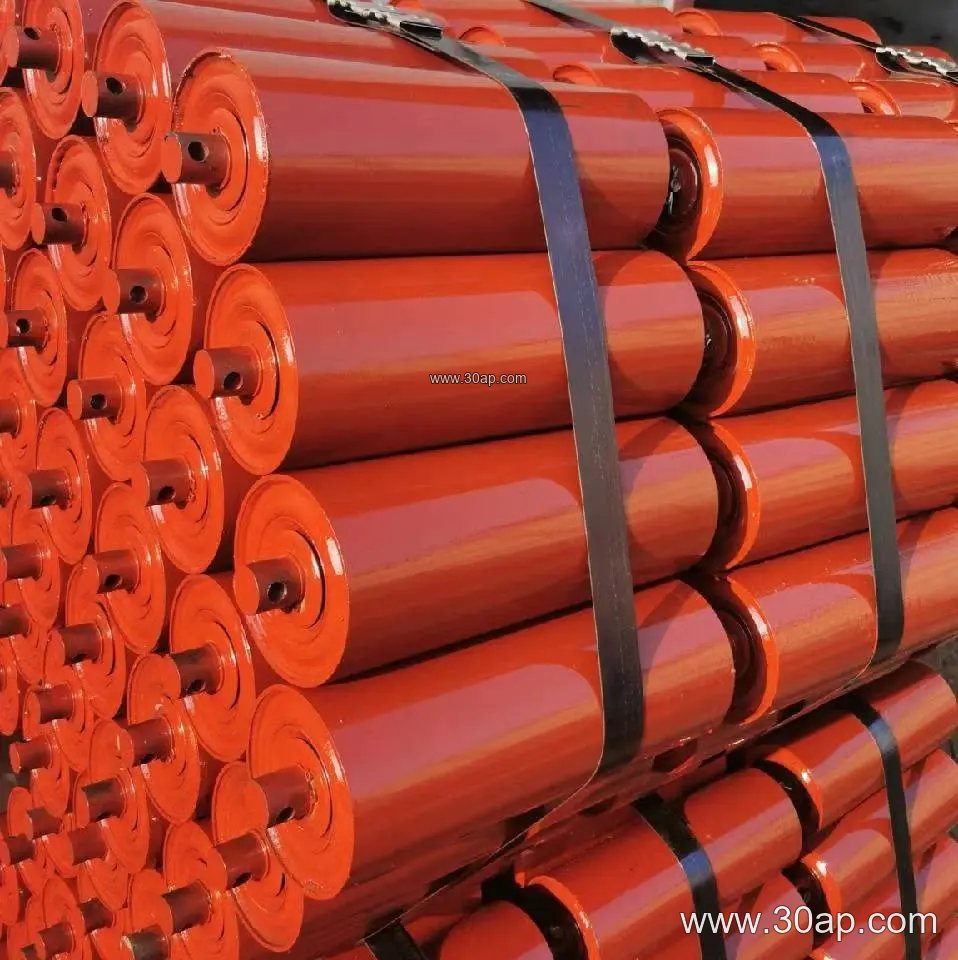
- Roller diameter range: Ø63 to Ø219 depending on design
- Common belt widths: B400 to B2400
- Trough angles: 20°, 30°, 35°, and 45°
- Bearing options: 6204, 6205, 6305, 6306, 6308, 6310
- Surface form: rubber disc or rubber ring
Where Rubber Disc Idlers Are Used
These idlers are frequently installed at the receiving point of a crusher conveyor belt in a stone crushing plant or at the transfer chute of an aggregate conveyor line. In a coal mining conveyor system, they help cushion the belt when coal drops from one stage to the next. They are also found in cement plants, power plant coal handling, and port loading facilities where bulk material falls onto the belt.
In a quarry or sand and gravel line, the rubber disc idler can reduce the chance of belt puncture and extend service life in the impact zone. For heavier duties, a heavy-duty mining conveyor belt may require a larger roller diameter and a stronger frame. The idler should be selected together with the conveyor bracket and the supporting structure to ensure proper alignment and load distribution.
Selection Notes for Buyers
When choosing a rubber disc idler, consider the belt width, the material lump size, the drop height, and the belt speed. A wider belt such as 1200mm or 1400mm usually needs a longer idler and a wider bracket spacing. The trough angle affects how the belt sits on the idler set; a 35° or 45° trough may be used for higher capacity, while a 20° or 30° trough is common in some bulk handling lines. The rubber disc hardness and disc profile should match the impact severity.
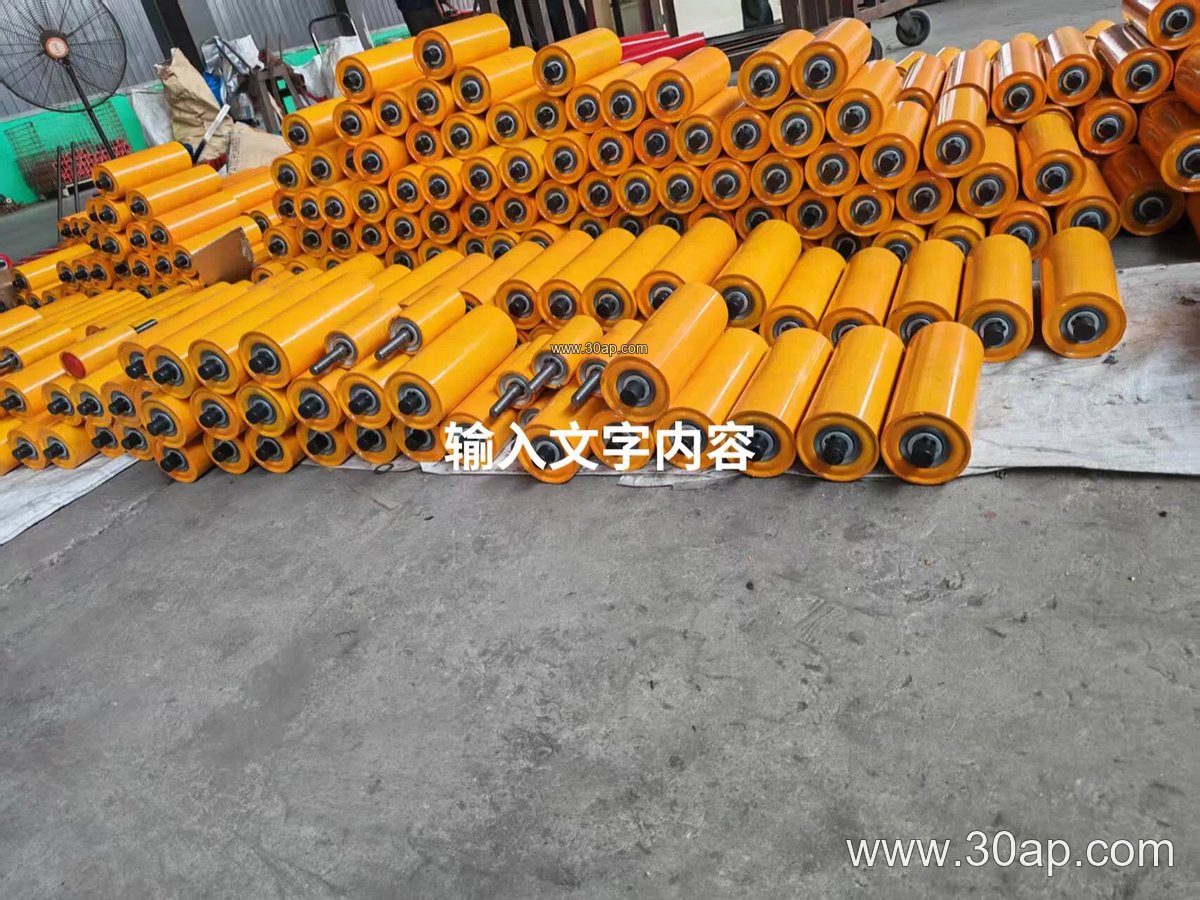
Buyers should also check the bearing type, sealing arrangement, and shaft end fixing. The idler should rotate freely and fit the existing frame without modification. For corrosive or wet conditions, a sealed bearing and a suitable rubber compound are important. In food or clean material handling, a food grade conveyor belt may be used, but the idler itself should be selected for the environment. Always confirm dimensions with the conveyor manufacturer or idler supplier before ordering.
Maintenance and Comparison
Rubber disc idlers require periodic inspection for disc wear, cracking, and bearing noise. Worn discs can reduce cushioning and allow the belt to sag at the load point. If the rubber surface becomes uneven, the belt may track poorly. In such cases, replacing the worn idler is often more effective than repairing the discs. Lubrication depends on the bearing type; sealed bearings generally need less frequent attention.
Compared with a plain steel idler roller, the rubber disc version offers better impact absorption but may have a higher initial cost. It is not a substitute for a transition idler or a training idler, which serve different purposes. For a conveyor system using an EP conveyor belt or a steel cord conveyor belt, the rubber disc idler can be a practical choice in the impact zone, provided the idler size and bearing capacity are correctly matched to the belt width and load.