Why the Conveyor Bracket Matters More Than You Think
The conveyor bracket is the unsung hero of any belt or roller line. It secures idlers, maintains belt alignment, and absorbs dynamic loads. Without a correctly rated bracket, even the best conveyor belt will suffer from misalignment, premature wear, and costly downtime.
Key Selection Criteria for Industrial Buyers
- Material grade: Choose galvanized steel for corrosive environments or stainless steel for food-grade and washdown applications.
- Load rating: Always match the bracket’s static and dynamic capacity to your peak belt tension and impact zones.
- Adjustability: Look for slotted holes or shim systems to fine-tune idler height and angle on-site.
- Compatibility: Verify the bracket’s bolt pattern and width against your existing idler frames or C-channel.
Purchasing Advice: Avoid Costly Mismatches
Measure the belt width, idler roll diameter, and shaft end type before ordering. Request a drawing or dimensional datasheet. For high-vibration lines, opt for brackets with reinforced gussets and vibration-damping pads. Always buy spare brackets for critical transfer points—they are inexpensive insurance against unplanned shutdowns.
Why the Right Conveyor Belt Defines Your Throughput
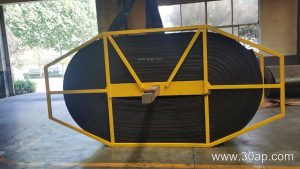
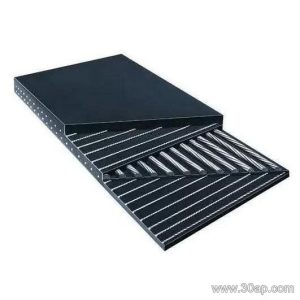
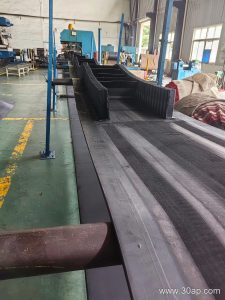
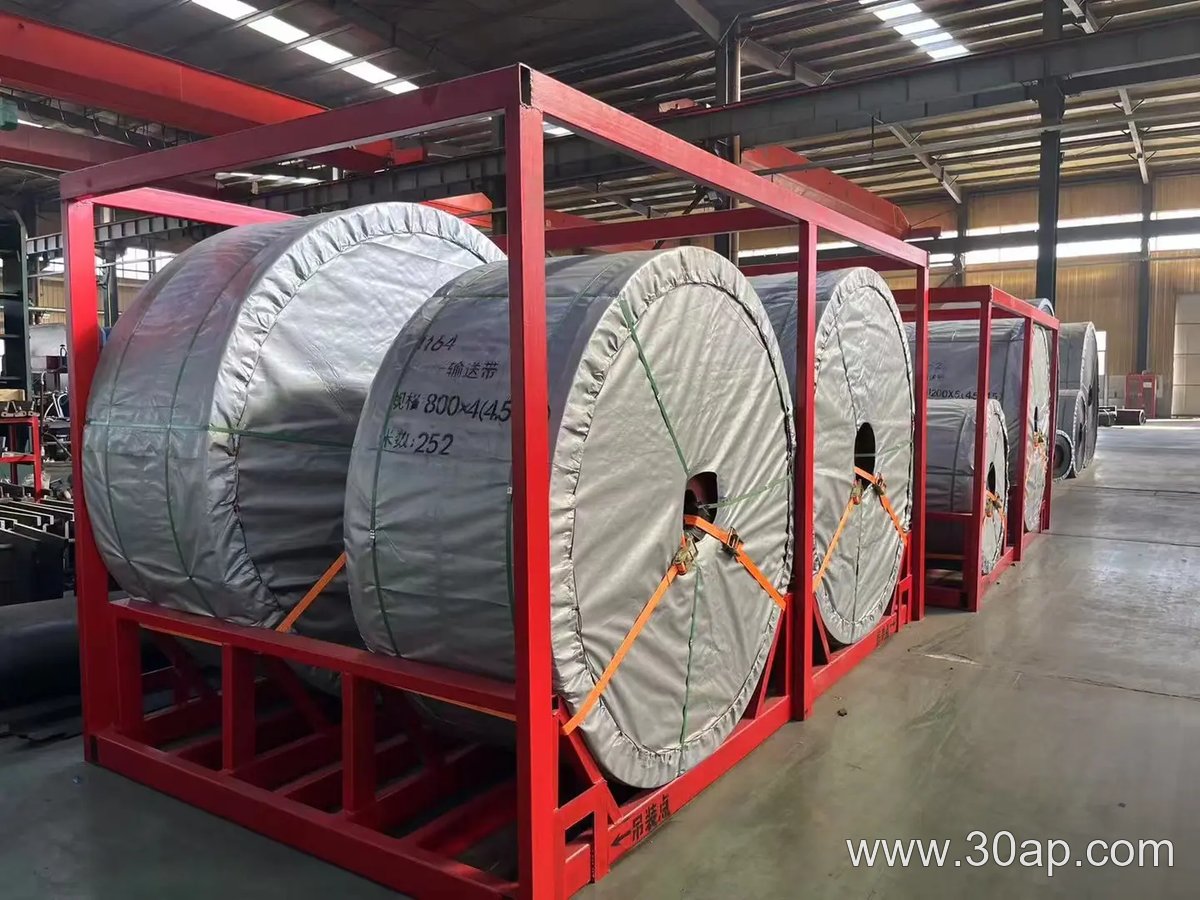
A conveyor belt is the circulatory system of any modern industrial facility. Choosing the wrong one causes downtime, product damage, and inflated energy costs. This guide focuses on the belt itself—not just the frame or motor—because its material, splice, and profile dictate performance.
Core Material Decisions
For abrasive bulk goods, select a multi-ply rubber belt with a hard cover. For food contact, use a thermoplastic polyurethane (TPU) belt that resists fats and cleans with hot water. Metal mesh belts suit high-temperature ovens above 200°C, while fabric belts fail quickly under heat.
Profile and Texture Affect Stability
- Flat belts: ideal for stable, light products moving horizontally.
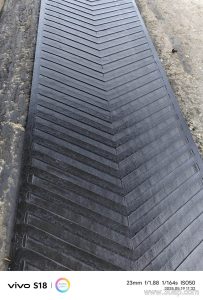
- Chevron or cleated belts: prevent rollback on inclines above 15 degrees.
- Rough-top or textured covers: grip soft or irregular loads without lateral drift.
Purchasing Advice: Splicing and Tension
Always ask for endless spliced belts (finger or step splice) for quieter operation and lower wear. Verify the belt’s recommended working tension against your motor’s peak torque. Additionally, request a static-conductive grade if your environment has flammable dust. Finally, order a spare belt of the same batch—color and thickness vary between runs, affecting tracking alignment.
Understanding the Idle Roller’s Role in Bulk Handling
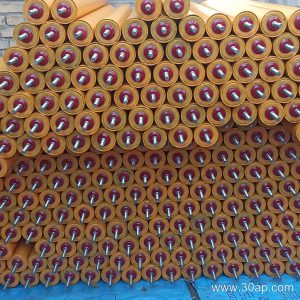
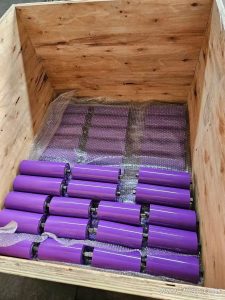
The idler roller is the backbone of any belt conveyor, supporting the belt and material while minimizing friction and belt sag. Choosing the correct idler roller directly impacts operational efficiency, belt life, and energy consumption. A poorly selected unit can lead to premature wear, spillage, and costly downtime.
Key Specifications for Purchasing
When evaluating idler rollers, focus on these critical factors:
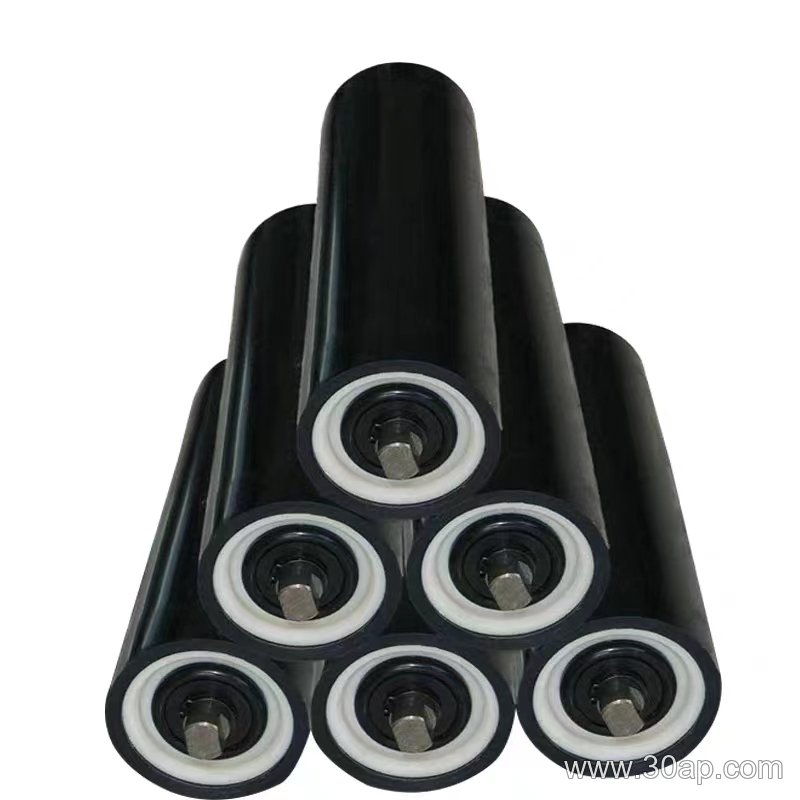
- Roller diameter and shell thickness – match to belt speed, load density, and impact conditions.
- Bearing type and seal rating – use sealed, high-temperature or CEMA-rated bearings for dusty or corrosive environments.
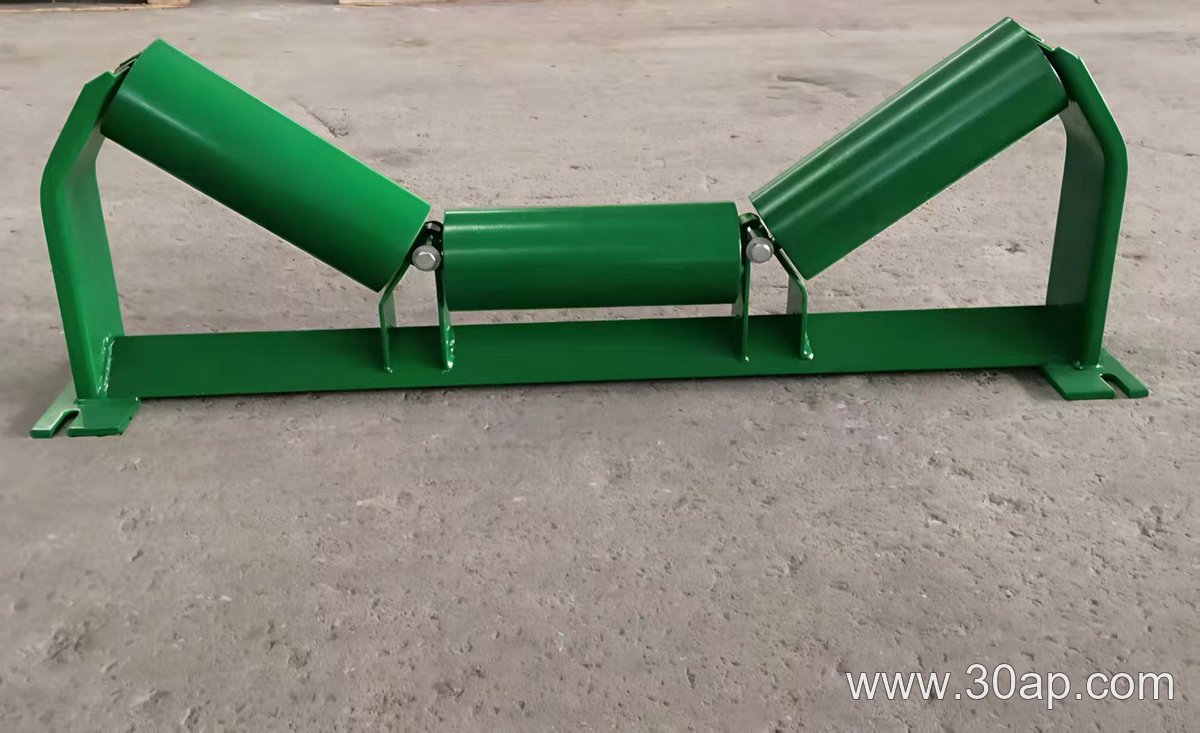
- Frame configuration – trough angles (20°, 35°, 45°) affect belt tracking and load stability.
- Steel vs. HDPE shell – steel for heavy-duty, HDPE for reducing belt wear and noise in lighter applications.
Practical Advice for Longevity
Always verify the idler roller’s alignment and assembly tolerances before installation. Request suppliers to provide load test data and confirm that the roller’s running resistance meets ISO or CEMA standards. For replacement, measure the existing shaft diameter, bearing centers, and belt width—never guess. Additionally, consider impact idlers at loading zones and self-aligning idlers for longer conveyor lines. Investing in quality idler rollers with proper maintenance intervals (lubrication, cleaning, and rotation checks) will reduce total cost of ownership and prevent unexpected failures.
Conveyor Pulley: The Core of Efficient Belt Operation
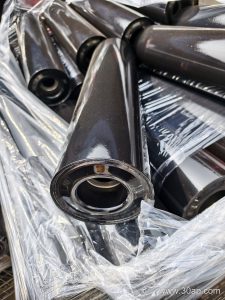
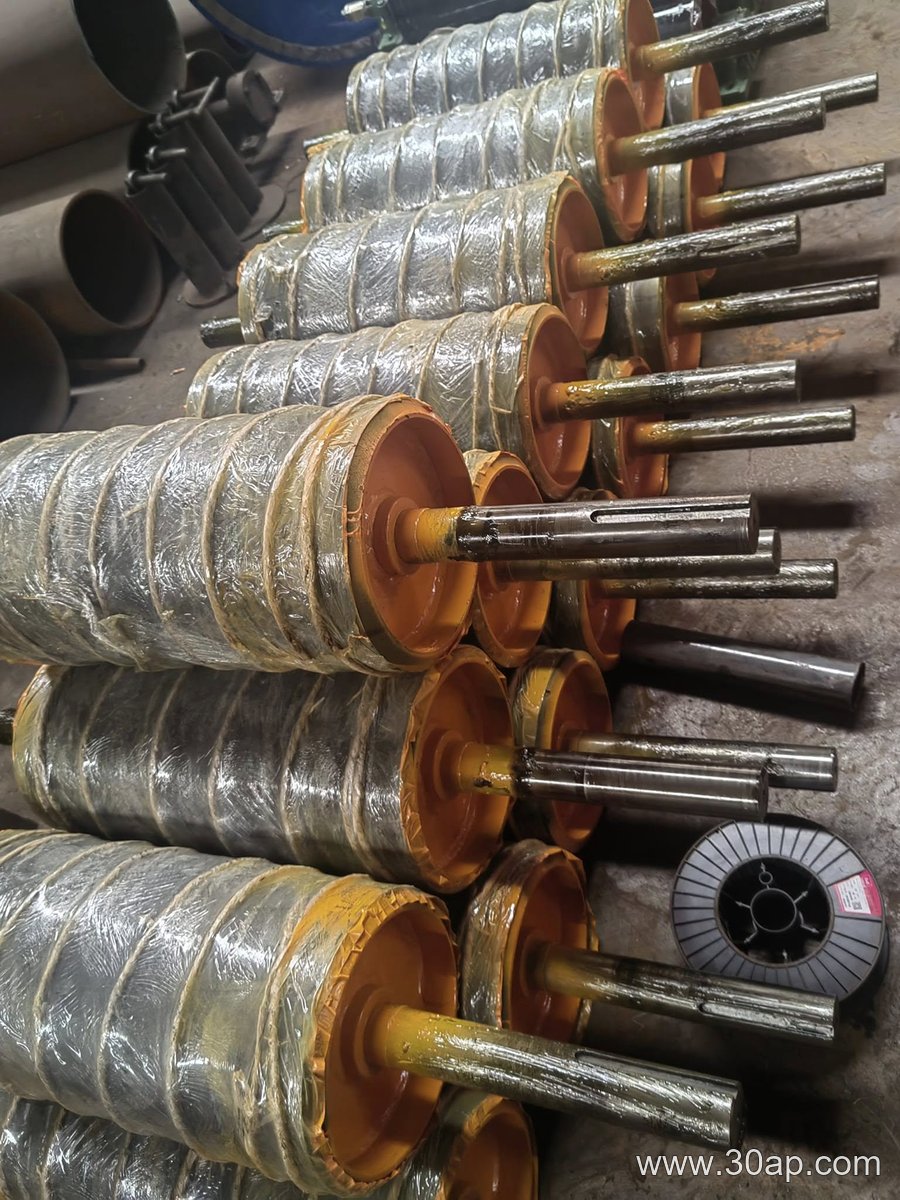
The conveyor pulley is the cylindrical component that drives, redirects, or tensions the conveyor belt. Its performance directly affects system uptime, belt life, and energy consumption. Selecting the correct pulley—whether as a drive, bend, or take-up pulley—requires evaluating load, belt speed, and shaft stress.
Key Factors in Pulley Selection
- Diameter and face width: Match to belt width and minimum wrap angle to avoid belt fatigue.
- Shell thickness and lagging: Thicker shells resist impact; rubber lagging improves friction and reduces slippage.
- Shaft and bearing rating: Verify dynamic load capacity and misalignment tolerance for your application.
Purchasing and Maintenance Advice
Always request certified drawings and material certificates (e.g., EN 10025 or ASTM A36). For abrasive or high-moisture environments, choose vulcanized lagging and sealed bearings. Inspect the pulley crown profile and runout (≤0.5 mm) before installation, and schedule regular checks for wear on the lagging and weld integrity. For retrofits, measure hub-to-hub distance and shaft keyway specs precisely to avoid costly downtime.