What a Heavy-Duty Steel Conveyor Bracket Does
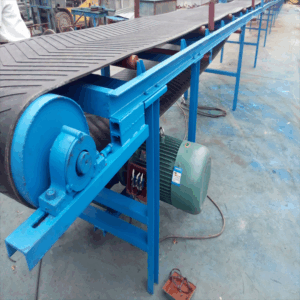
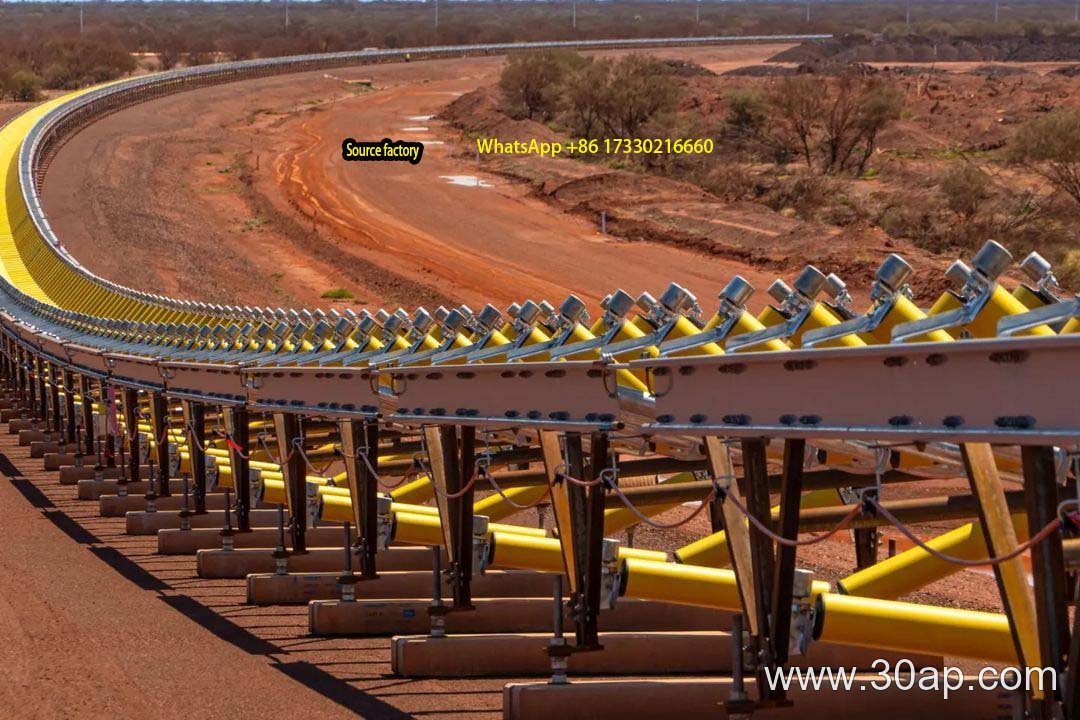
A heavy-duty steel conveyor bracket is the structural support that holds idler rollers, keeps the conveyor belt in its intended trough shape, and carries the load of bulk material on a belt conveyor. In a quarry, a coal preparation plant, or a cement clinker line, these brackets are the quiet workhorses that position every roller along the carrying and return sides of the system. Without a stable bracket, even a well-made conveyor pulley and a strong conveyor belt cannot track properly.
This article uses the product name and its natural equivalent, heavy-duty steel conveyor bracket, interchangeably. The focus stays on the bracket itself, while drive pulleys, tail pulleys, and bend pulleys are mentioned only where their positions affect bracket layout.
How the Bracket Is Built
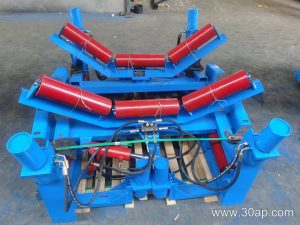
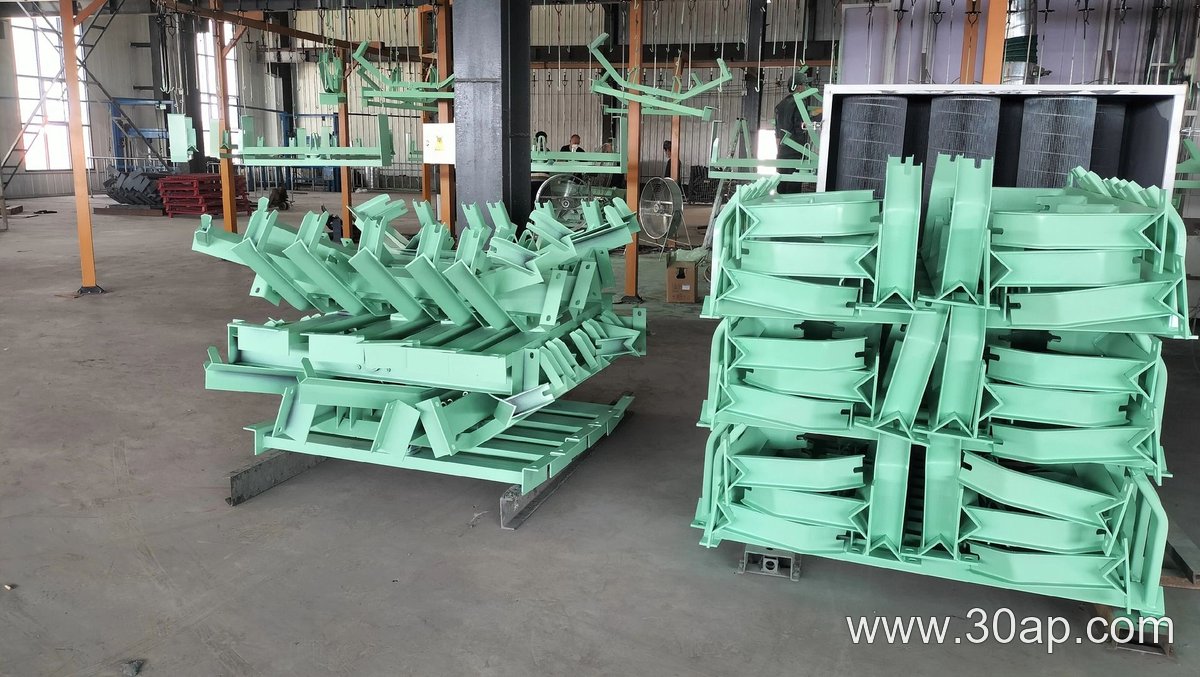
Most heavy-duty steel conveyor brackets are fabricated from angle steel, channel steel, or folded steel plate. The choice depends on the belt width, the weight of the material, and the impact energy at the loading point. A typical bracket includes a base beam, one or more roller mounting slots, and gussets that resist bending and vibration.
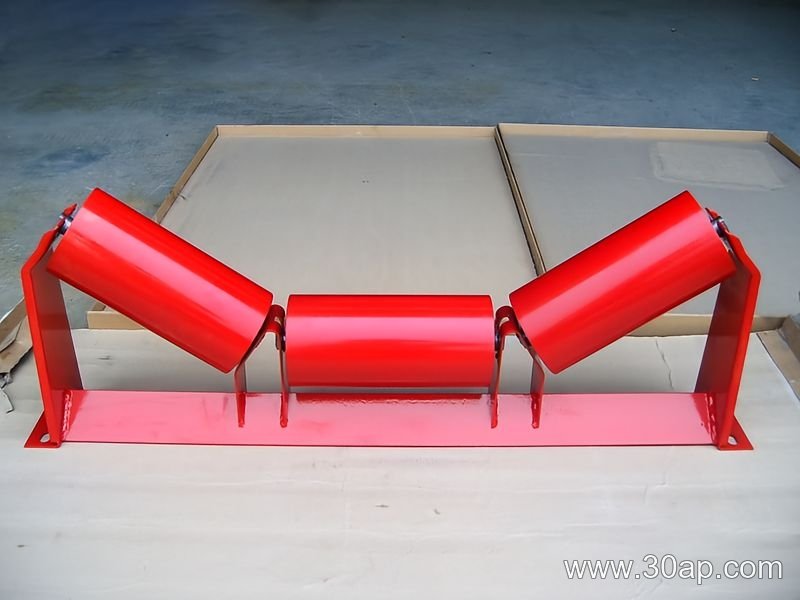
Common structural details include:
- Welded or bolted cross beams sized to the conveyor frame
- Mounting holes that accept standard idler roller shafts
- Reinforcing ribs at the highest stress points
- Slotted or stepped holes for trough angle adjustment on some designs
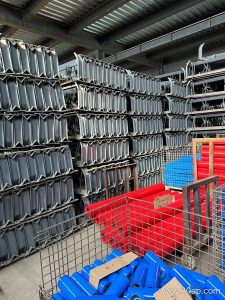
Brackets are often grouped by function. A troughing bracket supports three rollers in a trough shape. A return bracket supports the belt on the return run. A transition bracket sits between the idler section and a conveyor pulley. An impact bracket uses rubber or spring cushions under the rollers. An adjustable bracket lets maintenance crews change the trough angle without replacing the whole frame.
Where These Brackets Are Used
Heavy-duty steel conveyor brackets appear wherever a conveyor belt moves abrasive or heavy material. Two typical settings are a sand and gravel production line and a power plant coal handling system. In the gravel line, brackets support rollers under a B1000 belt carrying crushed stone. In the coal yard, a B1200 belt with 35-degree troughing brackets keeps coal centered through transfer points.
Other applications include iron ore terminals, limestone crushing circuits, and fertilizer bulk loading. In each case, the bracket must match the belt width, the roller diameter, and the load profile. A light bracket on a heavy line will flex, while an oversized bracket on a short conveyor adds unnecessary weight and cost.
Matching Brackets to Belt Width and Roller Diameter
Belt width and roller diameter are related but not locked together. A B800 belt can use Ø89, Ø108, or Ø133 rollers depending on load and speed. A B1400 belt might use Ø133, Ø159, or Ø194 rollers. The bracket’s mounting hole spacing and beam length are usually determined by the belt width, trough angle, and roller frame dimensions, not by a single fixed formula.
The table below shows common reference combinations. These are examples only and should be confirmed against the actual conveyor design.
| Belt Width | Typical Trough Angle | Common Roller Diameter | Bracket Note |
|---|---|---|---|
| B500 | 20–30 degrees | Ø89 | Light to medium duty |
| B650 | 30–35 degrees | Ø89 or Ø108 | Adjustable troughing available |
| B800 | 30–35 degrees | Ø108 or Ø133 | Common in gravel and cement |
| B1000 | 35–45 degrees | Ø108, Ø133, or Ø159 | Heavy-duty frame recommended |
| B1200 | 35–45 degrees | Ø133 or Ø159 | Used in coal and iron ore |
| B1400 | 35–45 degrees | Ø159 or Ø194 | Impact brackets at load zone |
| B1600 | 35–45 degrees | Ø159 or Ø194 | Reinforced base beam |
| B1800 | 35–45 degrees | Ø194 | Heavy structural support |
| B2000 | 35–45 degrees | Ø194 | Often custom engineered |
| B2200 | 35–45 degrees | Ø194 | High-capacity systems |
Forward tilt on some troughing brackets is usually about 1.5 to 2 degrees, which helps the belt self-center. The bracket should not be chosen by belt width alone; roller load rating, belt speed, and material density all matter.
What Buyers Should Check Before Ordering
When specifying a heavy-duty steel conveyor bracket, confirm the conveyor frame dimensions, the existing roller shaft size, and the required trough angle. Ask whether the bracket is fixed or adjustable, and whether it is for the carrying side, return side, or a transition point near a conveyor pulley. A bend pulley or a tail pulley may require a different bracket spacing than a standard idler station.
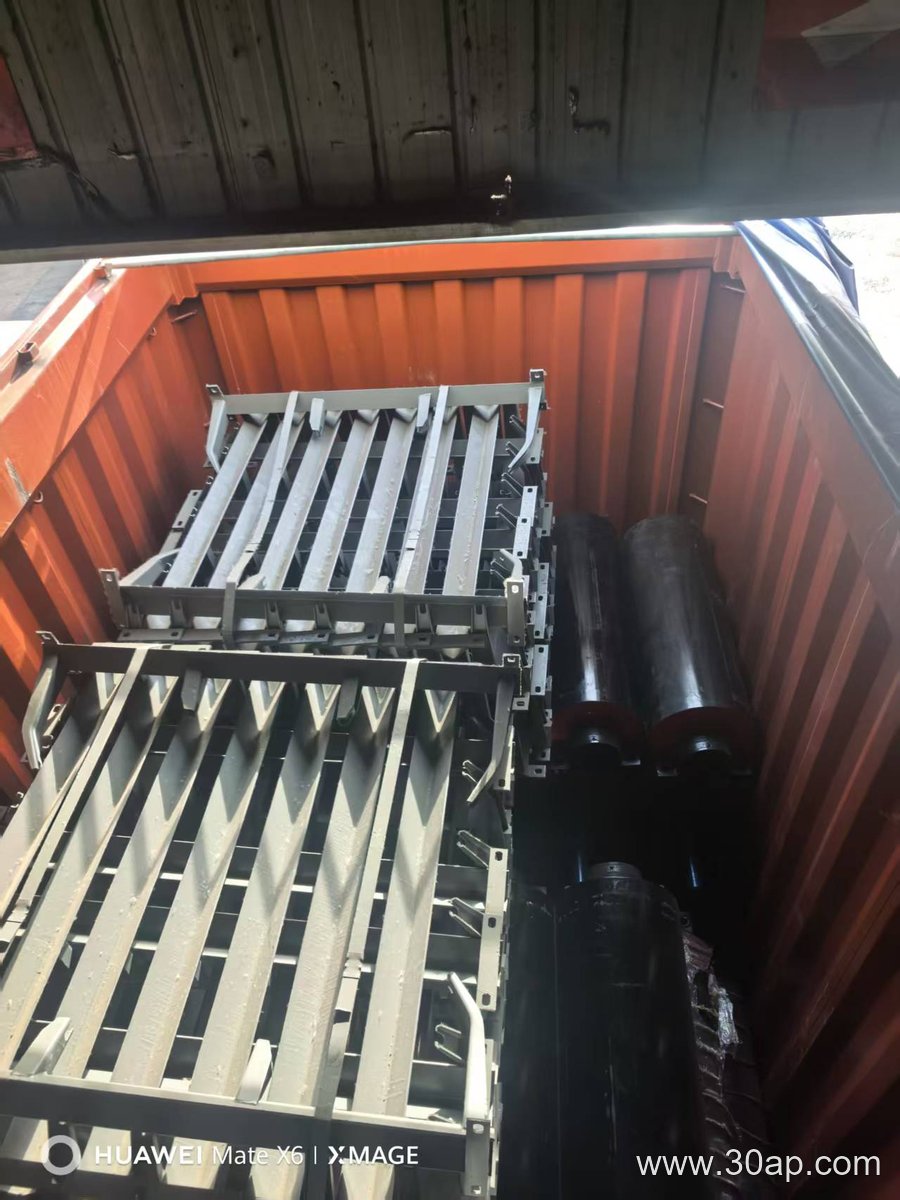
Also review the material and finish. Angle steel and channel steel are common, but folded plate can save weight while keeping stiffness. For dusty or wet conditions, a painted or galvanized finish may extend service life. The bracket should be inspected for weld quality, hole alignment, and squareness before installation.
Installation and Maintenance Notes
Set brackets square to the conveyor centerline and at the same height across the frame. A misaligned bracket will cause the conveyor belt to run off and wear the idler roller edges. Check bolt tightness after the first few days of operation, and look for cracks or deformation during routine inspections. In a crushing or screening plant, impact brackets at the load zone often need the most attention.
Replacing a worn bracket is usually faster than repairing a damaged frame, so keeping a few common sizes on hand can reduce downtime. The right heavy-duty steel conveyor bracket is not the heaviest one available; it is the one that matches the belt width, roller diameter, trough angle, and load of the specific conveyor.