What Is a Corrugated Sidewall Conveyor Belt
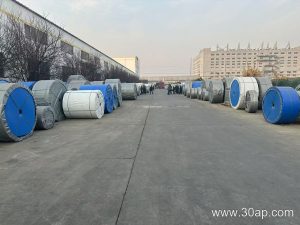
A corrugated sidewall conveyor belt is a specialized bulk material conveyor belt with raised, wave-shaped edges that prevent material spillage on steep inclines. Often called a skirted conveyor belt or sidewall belt, it combines a flat base belt with corrugated sidewalls and optional cross cleats to form a pocket that carries material at angles up to 90 degrees. Unlike standard flat belts that rely on friction and low angles, this design uses mechanical containment, making it suitable for confined spaces and vertical lifts in mining, cement, power plants, and ports.
Construction and Key Components
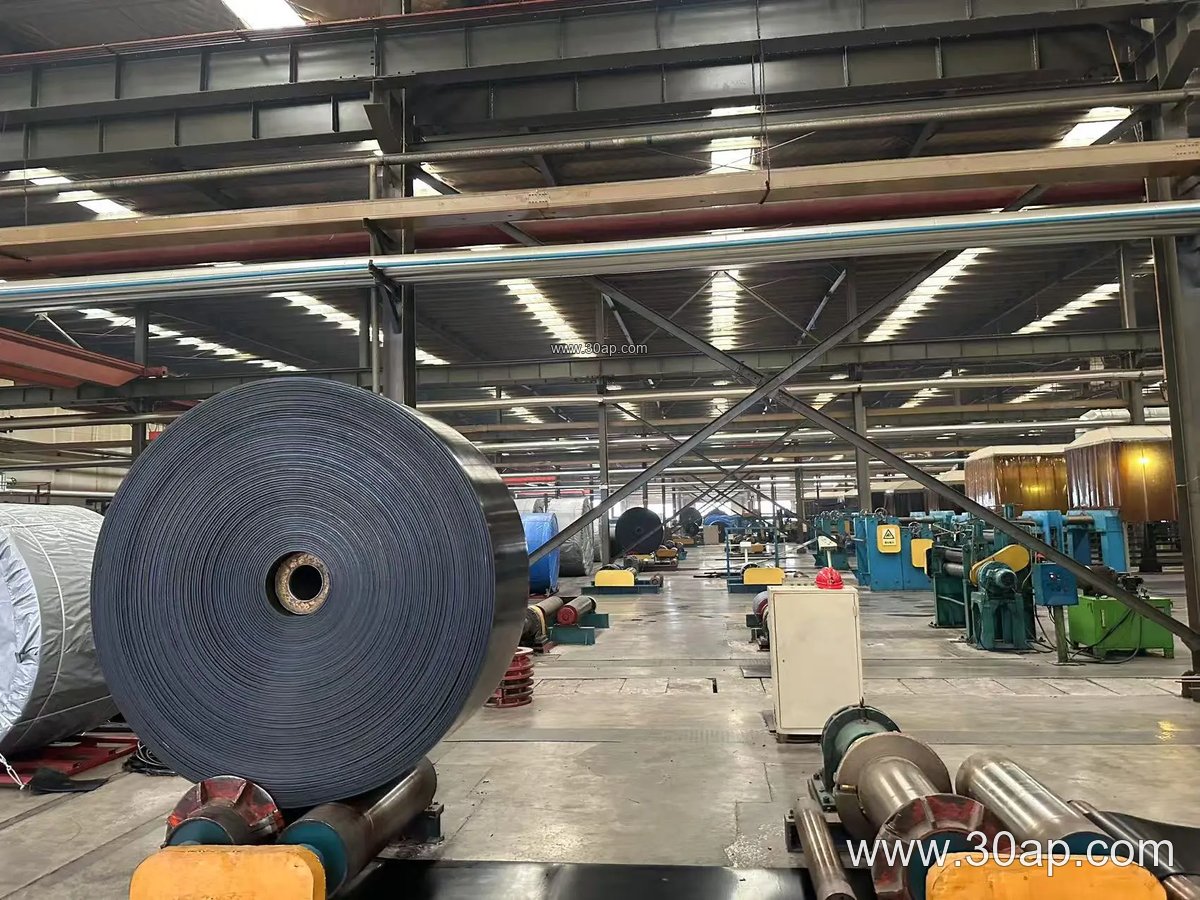
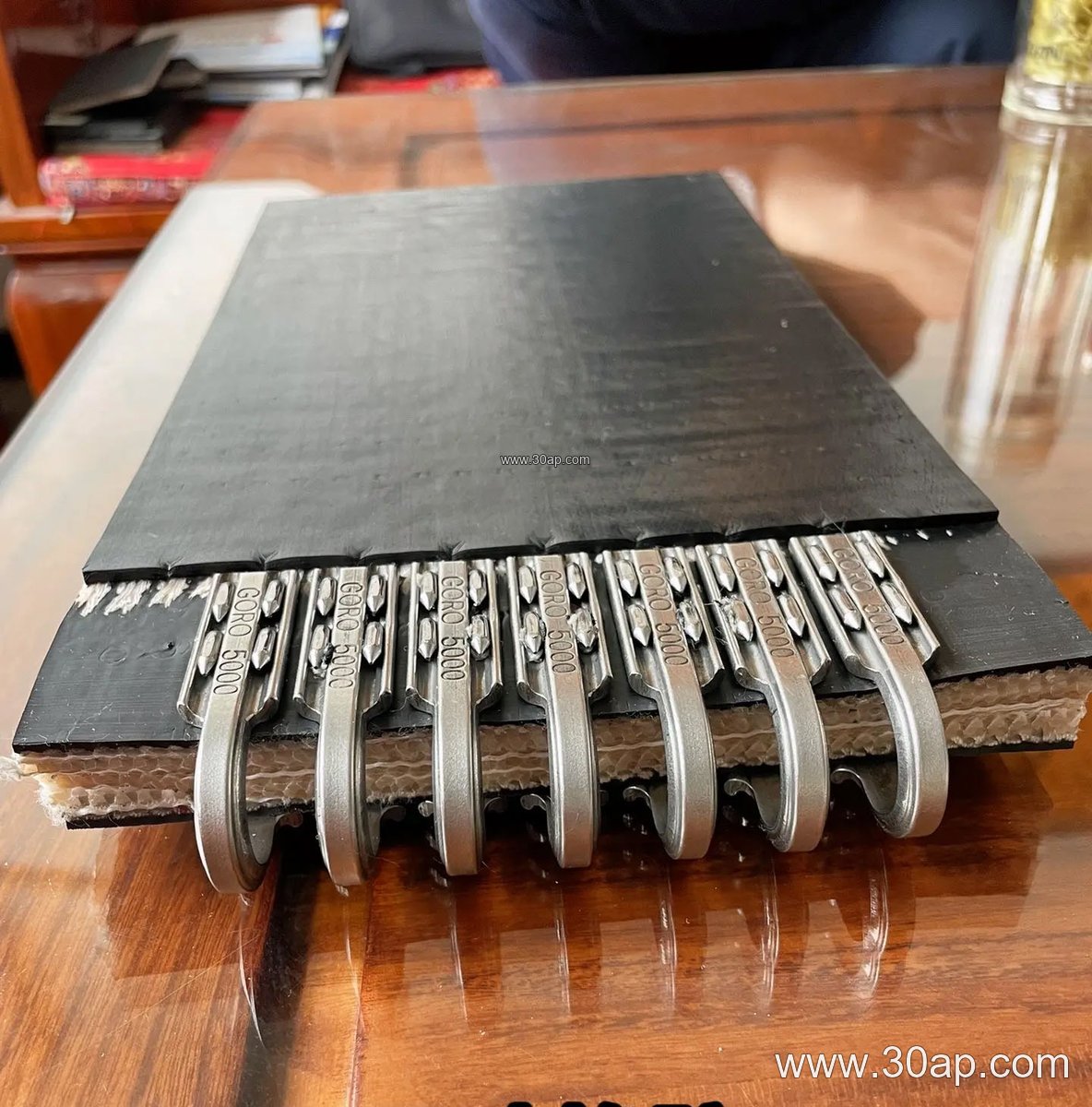
The belt is built around a fabric core or steel cord carcass, typically covered with rubber. The sidewalls are made of rubber with embedded fabric reinforcement, hot-vulcanized to the base belt for a strong bond. Cross cleats, also called ribs or flights, are added between the sidewalls to create separate pockets, especially for steep inclines. The base belt usually has a cross-rigid reinforcement to resist deflection between pulleys. Common carcass types include EP conveyor belt, NN conveyor belt, and steel cord conveyor belt, selected based on tension and load. The sidewall height and cleat pattern are customized to the application.
Base Belt and Sidewall Specifications
Base belt strength grades often range from EP200 to EP2000, with fabric plies from 2 to 6 layers. Sidewall heights typically vary from 40 mm to 300 mm, and cleat heights match or slightly exceed sidewall height. Cover rubber thickness might be 3+1.5 mm, 4+2 mm, 5+2 mm, 6+2 mm, or 8+3 mm, depending on abrasion and impact. Belt widths commonly include B500, B650, B800, B1000, B1200, B1400, B1600, B1800, and B2000. These values are reference data; actual selection depends on the conveyor design.
Where It Is Used
This belt shines in applications where space is tight and inclines are steep. It is widely found in coal mining conveyor systems, cement plants, power plant coal handling, quarry and aggregate operations, and port ship loading. It conveys bulk materials like coal, clinker, limestone, sand, gravel, and ore. In underground mining, flame retardant and anti-static versions are often required. For high-abrasion materials, an abrasion resistant conveyor belt grade is chosen; for hot materials such as clinker, a heat resistant conveyor belt compound is used.
Buyer’s Checklist
When specifying a corrugated sidewall conveyor belt, consider the following:
- Material characteristics: Bulk density, particle size, temperature, abrasiveness, oil content, and flammability. This determines carcass type, cover grade, and whether features like oil resistance or flame retardancy are needed.
- Conveyor geometry: Incline angle, lift height, horizontal distance, and transition lengths. Sidewall height and cleat spacing must match the angle to prevent backflow.
- Belt tension and strength: Calculate the required belt strength using the loaded belt weight and material weight. EP315 or EP400 may suffice for short lifts, while EP800 or steel cord may be needed for long, high-lift systems.
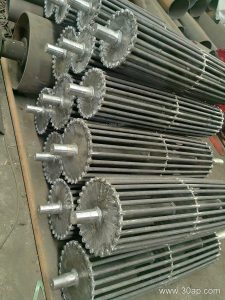
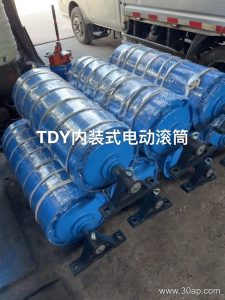
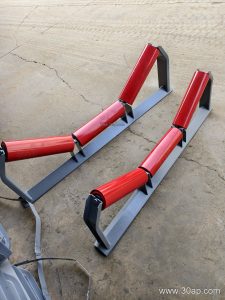
- Pulley and idler compatibility: The belt runs on a drive pulley, tail pulley, and bend pulleys. The bend pulley diameter must be large enough to accommodate the sidewall height without interference. Idler rollers and conveyor brackets should be sized for the belt width and load.
- Environmental conditions: For cold climates, a cold resistant conveyor belt compound prevents cracking. For food or clean applications, food grade conveyor belt materials may be specified, though sidewall belts are less common in food processing.
Maintenance and Troubleshooting
Regular inspection of sidewall and cleat wear is essential. Worn sidewalls reduce capacity and can cause spillage. Check the bond between sidewall and base belt for separation. Ensure pulleys and idler rollers are aligned and rotate freely; a seized idler roller can damage the belt edge. The drive pulley lagging should be maintained for adequate grip. Avoid over-tensioning, which stresses the sidewall bond. Store belts in a cool, dry place away from sunlight and ozone sources.
Selection Example
For a cement plant handling clinker at 60° incline with a lift of 25 m and a capacity of 200 t/h, a belt width of 1000 mm with EP630 carcass, 6+2 mm cover, and 160 mm sidewall height might be considered. The drive pulley diameter would be selected based on the belt manufacturer’s recommendation for sidewall height, and bend pulleys sized accordingly. This is an illustrative example; actual design requires engineering calculation.
In summary, the corrugated sidewall conveyor belt is a problem-solver for steep-angle conveying. By understanding its construction, matching it to the material and conveyor layout, and maintaining it properly, operators in mining, cement, power, and quarry industries can achieve reliable, spill-free transport.