What a Coal Mine Conveyor Idler Does Underground and on the Surface
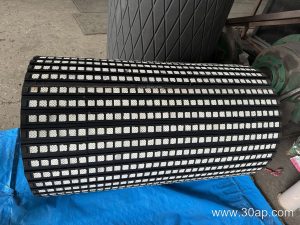
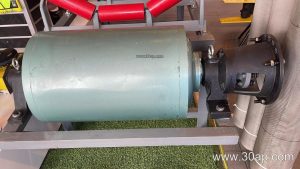
A coal mine conveyor idler is the rotating support that carries the belt and its load along the conveyor structure. In a coal mining conveyor belt system, these rollers keep the belt aligned, reduce friction, and protect the belt from premature wear. The idler roller is not a drive component; it is a passive part that must survive dust, moisture, and continuous load. Whether the conveyor runs from a shaft station to a stockpile or from a crusher to a wash plant, the idler set works with the conveyor bracket and the conveyor pulley to keep material moving.
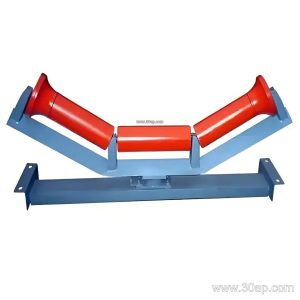
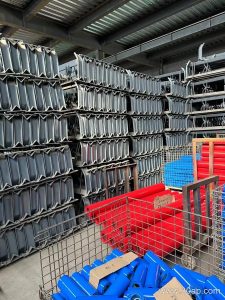
On a coal mining conveyor belt, the idler must match the belt width and the load profile. A three-roll troughing set is common on the carrying side, while a single flat or V-return idler supports the return strand. The same conveyor may use different idler types along its length, so the coal mine conveyor idler selection should follow the actual duty rather than a single universal rule.
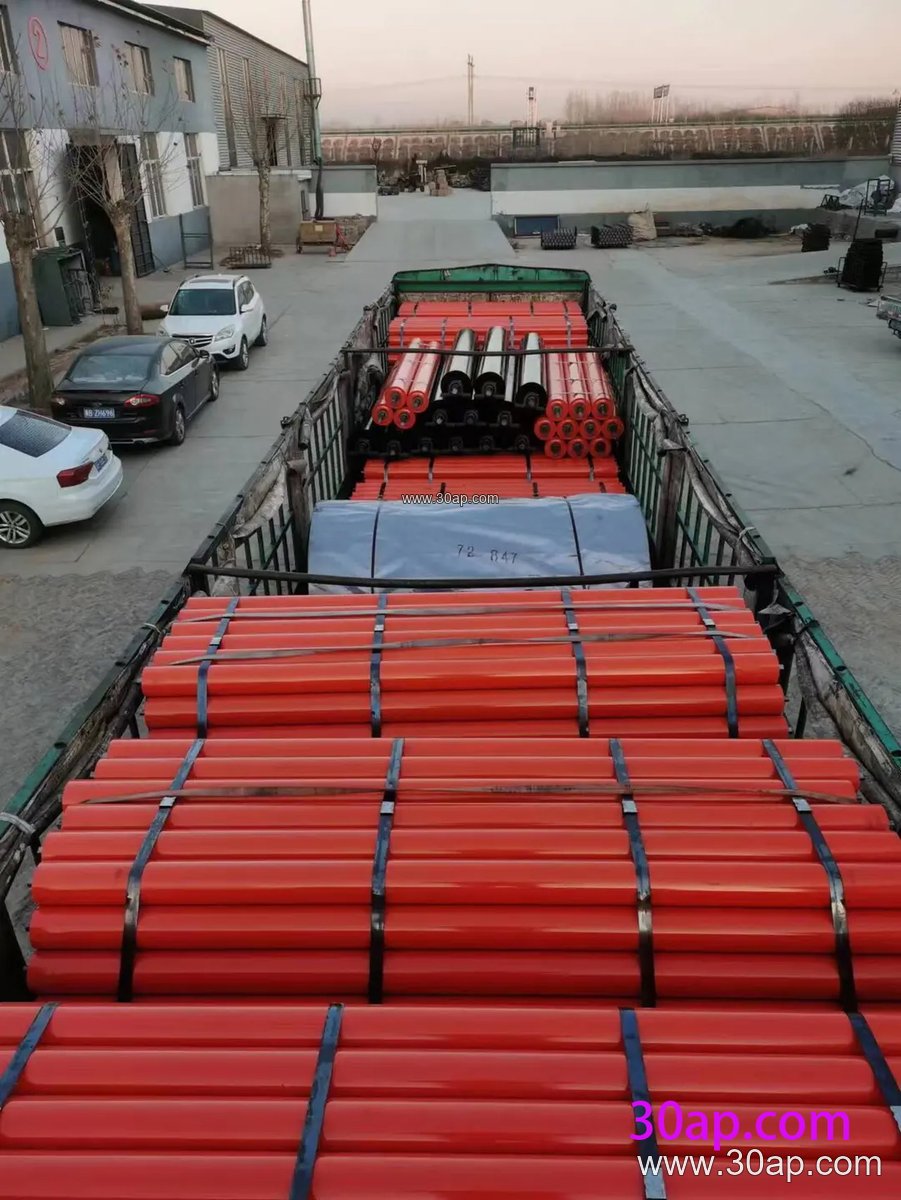
Construction Details That Matter in Coal Service
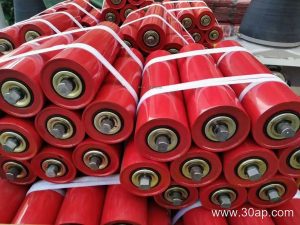
A typical idler roller includes a steel tube shell, bearing housings, a shaft, and a sealing arrangement. The roller surface can be plain steel, nylon, ceramic, or rubber rings. For coal mine conveyor idler applications, sealing quality often decides service life because fine coal dust and wash-down water attack the bearings. Common bearing sizes include 6204, 6205, 6305, 6306, 6308, and 6310, but the bearing must be selected with the shaft and load, not by roller diameter alone.
The idler diameter and length are not fixed by belt width. Common roller diameters range from Ø63 to Ø219 mm, and troughing angles are often 20, 30, 35, or 45 degrees. A three-roll troughing set on a B800 belt may use roller lengths around 315 mm, while a B1200 set may use about 465 mm. These are reference examples, not mandatory combinations. The conveyor bracket and frame determine the final mounting dimensions.
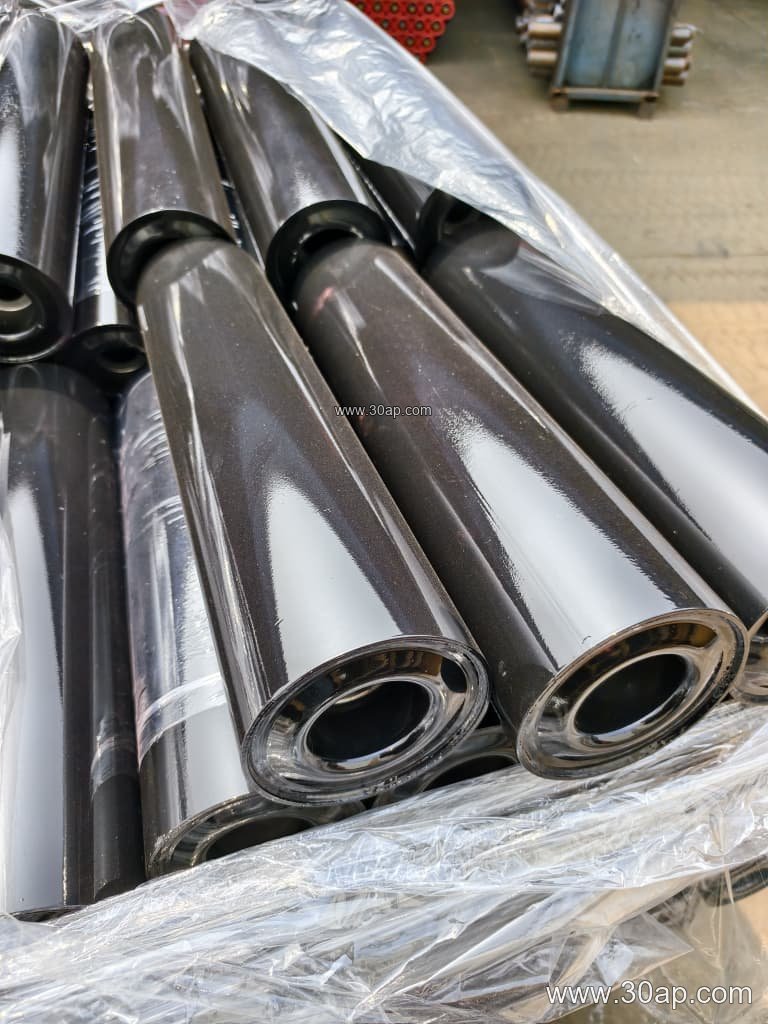
Where the Idler Fits in the Conveyor Line
In a coal mine, the coal mine conveyor idler appears in several positions. Troughing idlers support the loaded belt and shape it into a trough. Impact idlers with rubber rings absorb shock at transfer points below a crusher or screen. Return idlers support the empty belt, and training idlers help correct misalignment. A self-aligning idler may be friction or cone type, and it works alongside the conveyor pulley to keep the belt centered.
Other industries also rely on similar roller designs. A quarry conveyor belt or aggregate conveyor belt line uses troughing and return idlers in much the same way, while a cement plant or power plant coal yard may need dust-resistant seals for a coal conveyor belt. In all these cases, the idler roller is part of a system that includes the conveyor belt, conveyor pulley, and conveyor bracket.
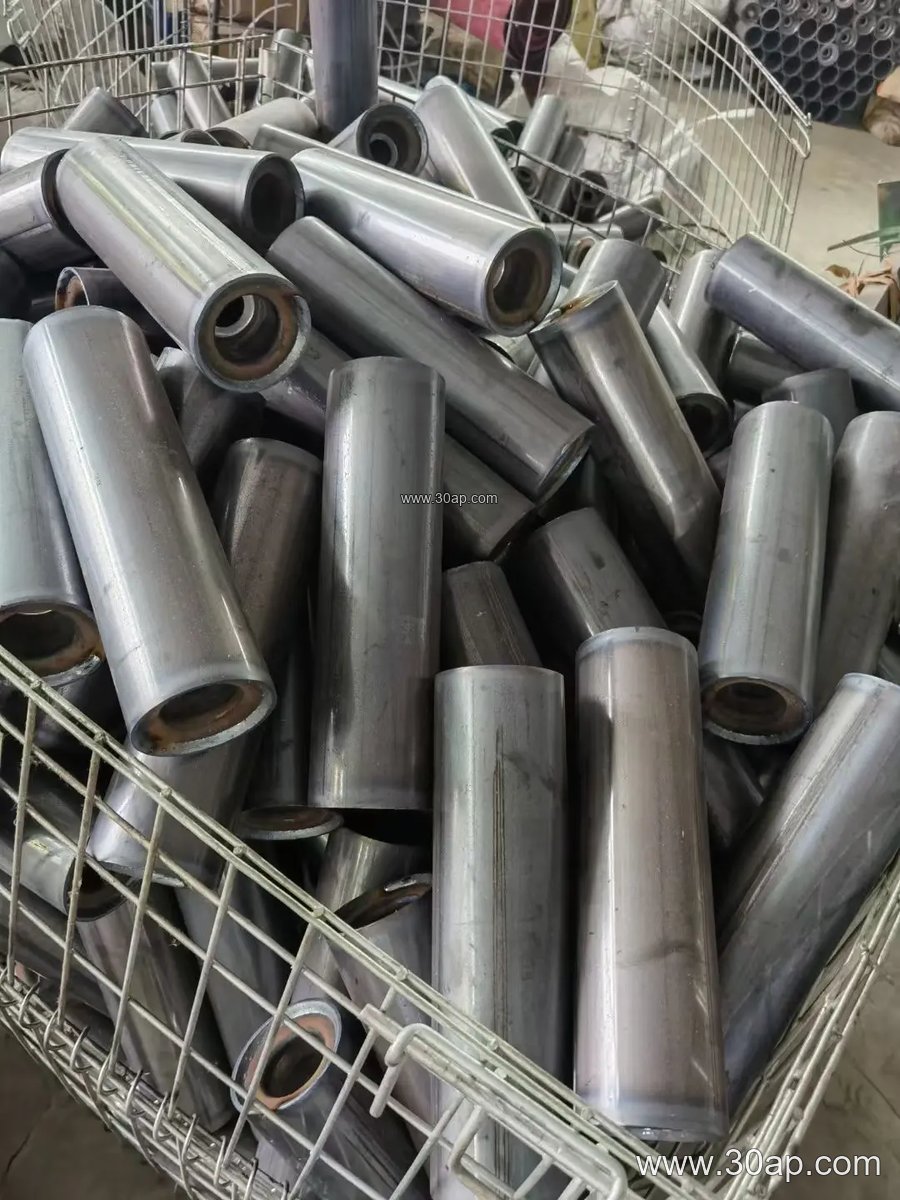
Selection and Maintenance Notes for Buyers
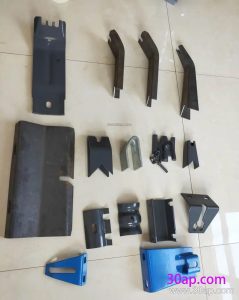
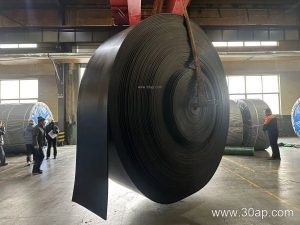
Buyers should define the belt width, the trough angle, the idler type, the roller diameter, and the bearing class before ordering. A coal mine conveyor idler for a B1000 belt is not automatically the same as one for a B1400 belt, and the roller length can differ between the center roll and the side rolls. The conveyor belt type also matters: a flame retardant conveyor belt or fire resistant conveyor belt is common underground, while a steel cord conveyor belt may be used on high-capacity trunk lines. The idler should be compatible with the belt and the environment.
Maintenance teams should check for seized bearings, worn shells, and misaligned frames. Replacing a damaged idler early prevents belt edge damage and reduces the risk of a stopped coal mine conveyor idler disrupting the whole transport route. Spare parts should be stored by type and size, and the conveyor bracket should be inspected whenever idlers are changed.
Common Reference Range for Coal Mine Conveyor Idlers
| Parameter | Common Reference |
|---|---|
| Idler type | Troughing, impact, return, training |
| Roller diameter | Ø63 to Ø219 mm |
| Belt width | B400 to B2400 |
| Trough angle | 20, 30, 35, 45 degrees |
| Roller surface | Steel, nylon, ceramic, rubber ring |
| Bearing | 6204, 6205, 6305, 6306, 6308, 6310 |
These values are for general reference. The final coal mine conveyor idler specification should be confirmed against the conveyor design, the coal mining conveyor belt, and the site conditions. A well-matched idler roller set helps the conveyor pulley and conveyor bracket work together and keeps the coal moving from the mine to the preparation plant.