Conveyor Bracket Fundamentals
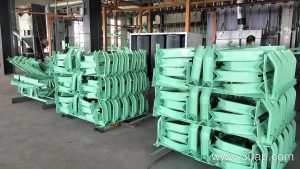
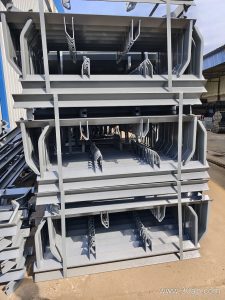
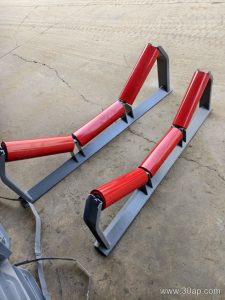
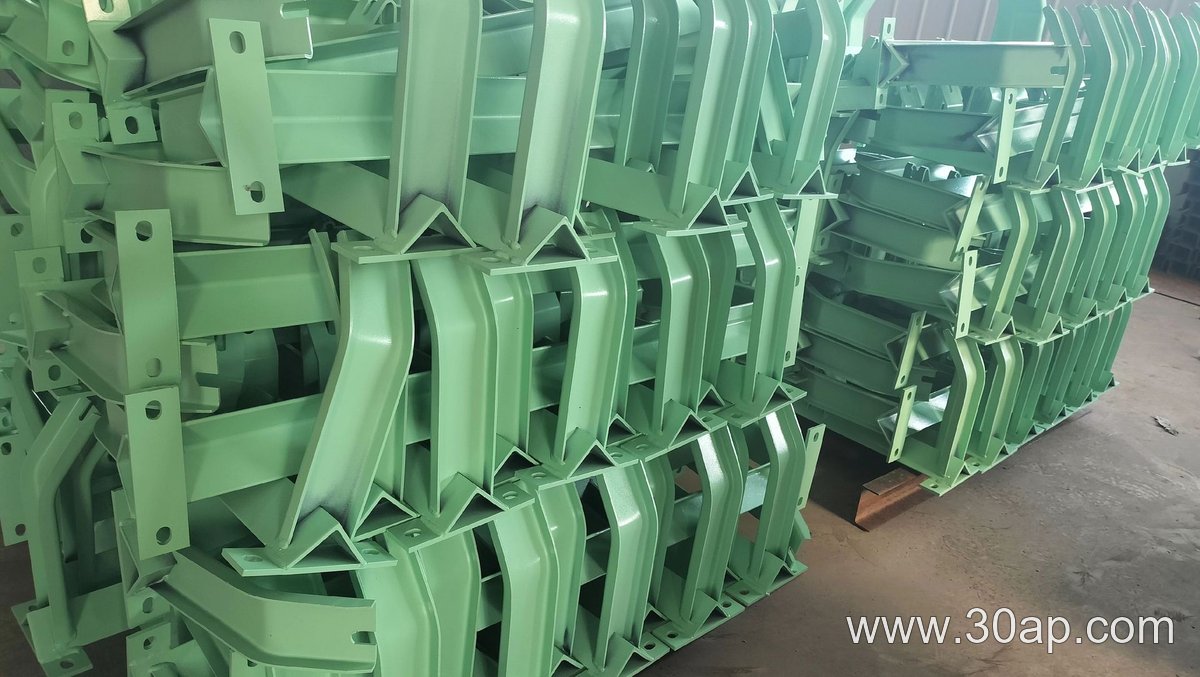
A conveyor bracket supports idlers, rollers, and frames, ensuring alignment and load stability.
Selection and Purchasing Advice
- Match bracket material to load and environment.
- Confirm bolt spacing and mounting type.
- Choose adjustable designs for tension control.
- Verify corrosion resistance for washdown areas.
Conveyor Belt Selection and Purchasing Guide
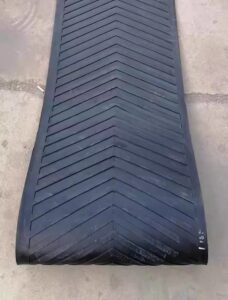
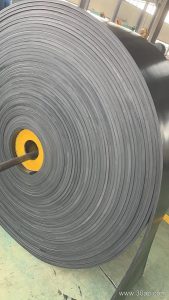
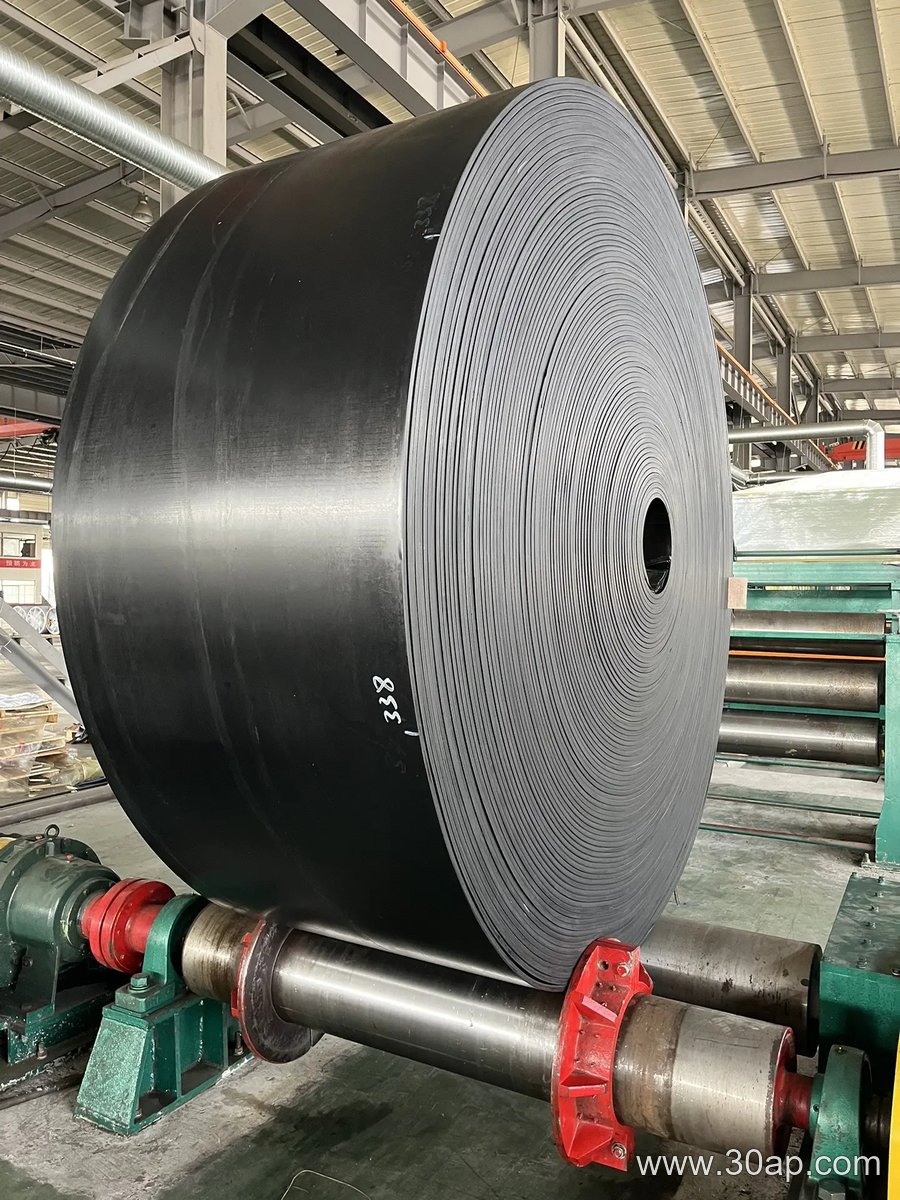
A conveyor belt is the core of any material handling system, so choosing the right one directly affects uptime, safety and operating cost.
Key Selection Factors
- Material type, weight and temperature
- Belt tension, speed and incline
- Oil, abrasion or chemical resistance
- Cleat, sidewall or splicing needs
Purchasing Advice
Match the belt to the load, request test data, and compare warranty and lead time before ordering.
Idler Roller: Essential Component for Conveyor Systems
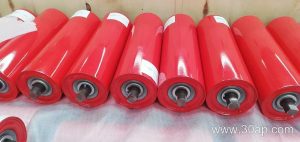
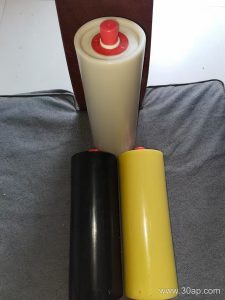
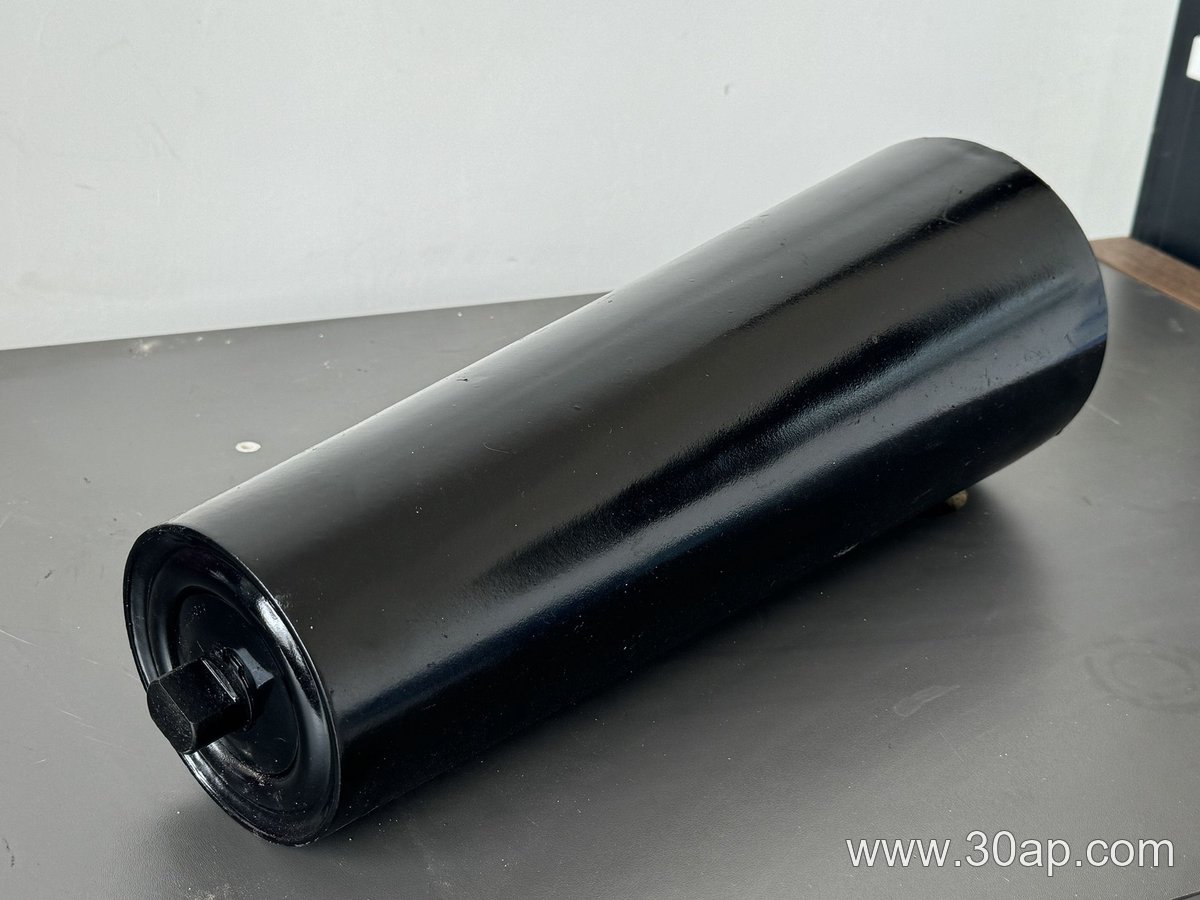
An idler roller supports the belt and reduces friction in bulk material handling. Choosing the right idler roller improves efficiency and lowers maintenance costs.
Key Selection Factors
- Load capacity and belt width
- Roller diameter and wall thickness
- Bearing type and sealing
- Environment: dust, moisture, temperature
Purchasing Advice
Verify shaft tolerance, dynamic balance, and rotation resistance. For corrosive sites, choose stainless steel or polymer idler rollers. Request test reports and compare total cost of ownership, not just unit price.
Conveyor Pulley Essentials
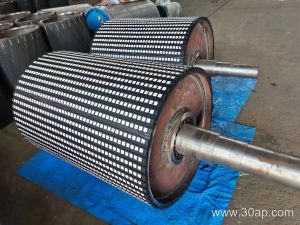
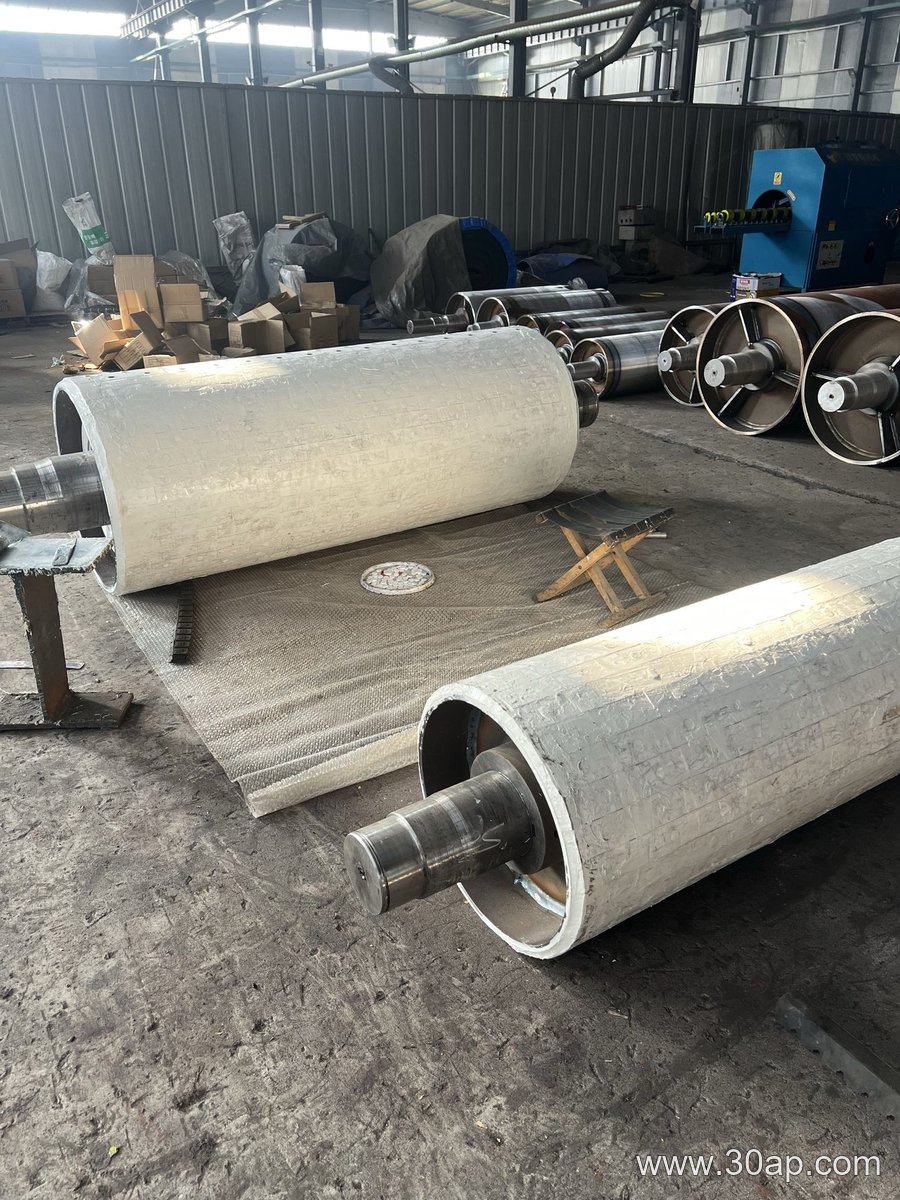
A conveyor pulley drives or redirects the belt. Choose drum or wing types based on load and duty.
Selection Tips
- Match diameter to belt tension and speed.
- Use lagging for grip; choose rubber or ceramic.
- Confirm shaft, bearing, and hub fit.
Purchasing Advice
Verify balance, runout, and weld quality. Request load ratings and material certs. Compare lead times and warranty before ordering.