What a Conveyor Return Idler Does
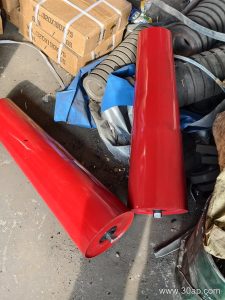
A conveyor return idler is the roller that supports the empty, returning strand of the conveyor belt. While the carrying side rides on troughing idlers that shape the belt into a trough, the return side needs only a flat or slightly angled support to keep the belt from sagging between frames. That makes the return idler a small but constant contributor to belt tracking, energy use, and roller life. In a quarry, a coal washing plant, or a power station coal yard, these rollers run quietly under the structure all day, and when one seizes it can wear through a belt quickly.
The same component is also called a lower idler or flat return roller. Those names describe the same product in its common flat form. A V-shaped return idler is a related variant used for belt training, but for this article the focus stays on the standard flat return roller.
How the Return Idler Is Built
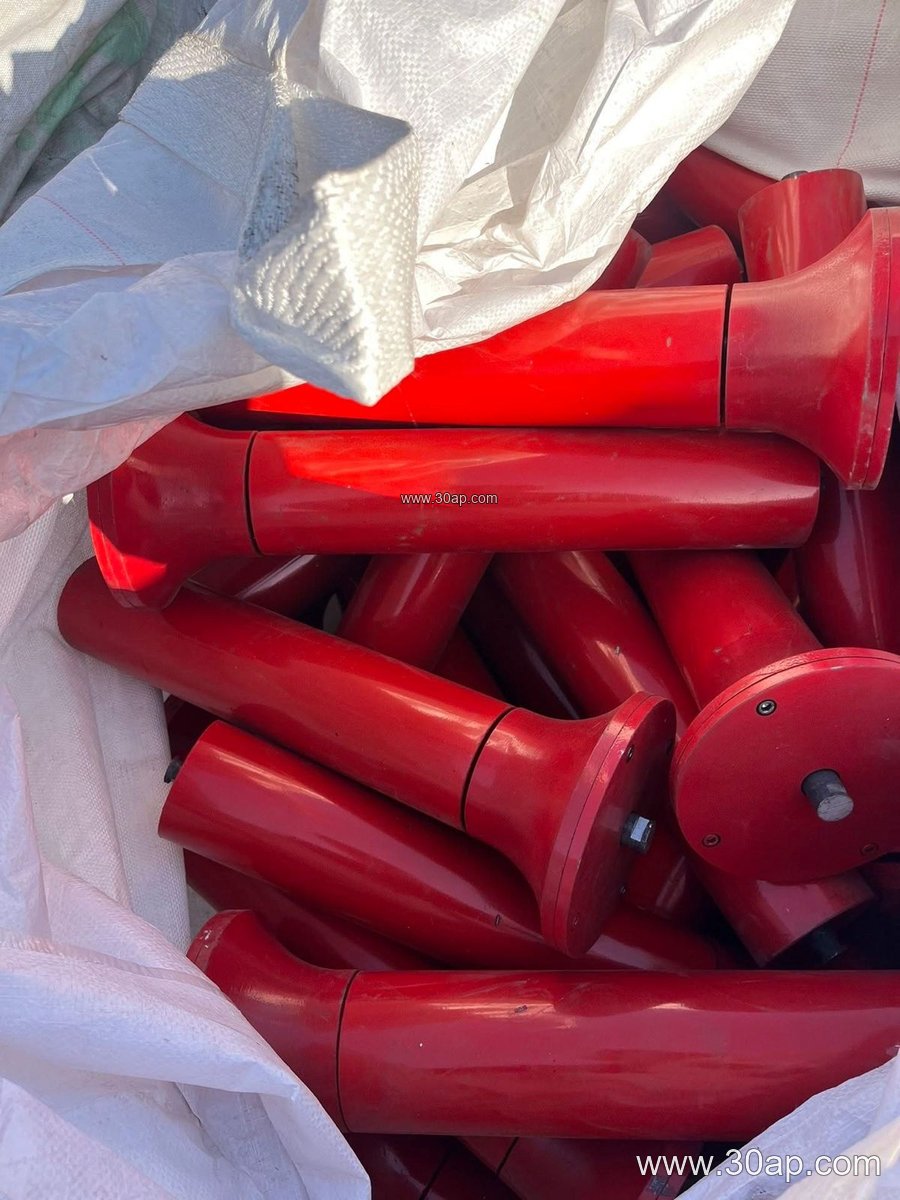
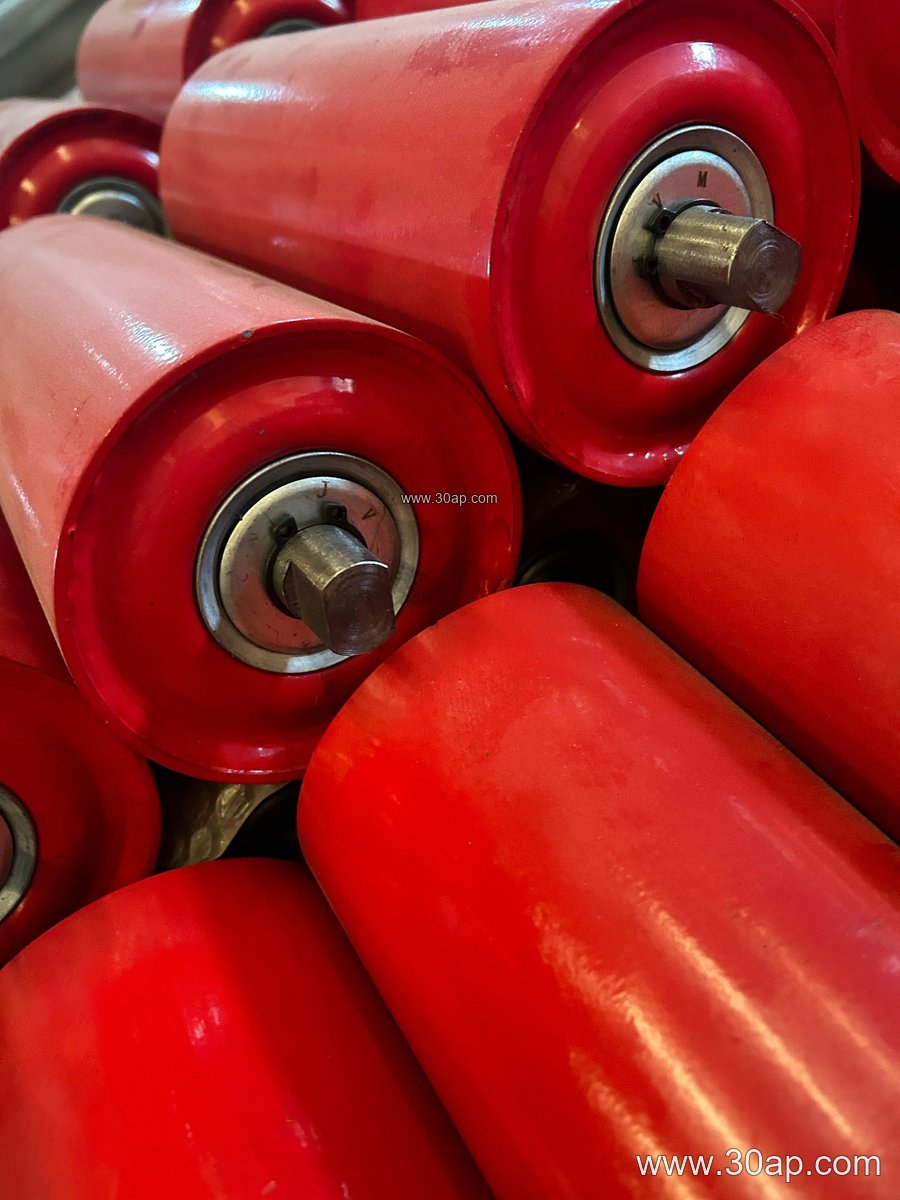
Most return idlers share a simple structure. A steel tube forms the shell, with bearing housings pressed into each end. A shaft runs through the roller and is held by brackets that bolt to the conveyor frame. Seals protect the bearings from dust and water, which matters greatly in a cement plant or an aggregate line where fine material is everywhere.
- Shell: usually steel tube, sometimes with a nylon, ceramic, or rubber-covered surface for special duties.
- Bearing: common sizes include 6204, 6205, 6305, 6306, 6308, and 6310, matched to load and roller diameter rather than to belt width alone.
- Shaft and brackets: the shaft transmits load to the conveyor bracket, and the bracket height sets the belt line.
- Seals: labyrinth or contact seals keep grit out; this is often the difference between long service and early failure.
Roller diameter is usually chosen from a range such as Ø63, Ø76, Ø89, Ø102, Ø108, Ø127, Ø133, Ø159, Ø178, Ø194, or Ø219 mm. Larger diameters suit wider belts and heavier belt loads, but they are not tied to one belt width in a fixed way.
Where Return Idlers Are Used
Any conveyor with a long return run needs them. In a limestone mine or a stone crushing line, return idlers sit below the belt on the underside of the frame and support the belt as it travels back to the tail. In a port ship-loading system or a steel plant sinter line, they carry the same belt weight over much longer distances, so spacing and roller quality matter more.
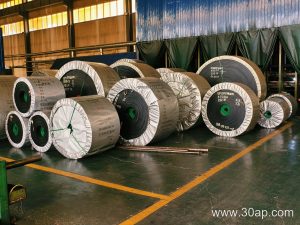
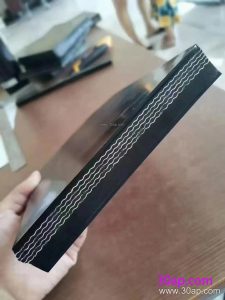
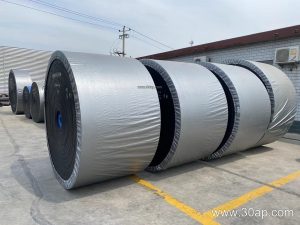
The return side also interacts with the belt itself. A heavy-duty mining conveyor belt or an abrasion resistant conveyor belt with a thick cover adds weight, and a steel cord conveyor belt behaves differently from a fabric core belt on the return run. The return idler does not change the belt, but it must be strong enough to carry it without deflection.
Common Sizes and Reference Data
The table below gives typical reference values. These are examples, not mandatory combinations; final selection depends on belt width, belt weight, speed, and frame design.
| Belt width | Typical return roller diameter | Typical roller length (flat return) |
|---|---|---|
| B500 | Ø89 to Ø108 mm | about 600 mm |
| B650 | Ø89 to Ø108 mm | about 750 mm |
| B800 | Ø108 to Ø133 mm | about 950 mm |
| B1000 | Ø108 to Ø133 mm | about 1150 mm |
| B1200 | Ø133 to Ø159 mm | about 1400 mm |
| B1400 | Ø133 to Ø159 mm | about 1600 mm |
| B1600 | Ø159 to Ø178 mm | about 1800 mm |
| B1800 | Ø159 to Ø194 mm | about 2000 mm |
Roller length follows belt width and frame geometry, and the values above are common approximations. A conveyor designer may choose differently for a high-speed overland system or a short transfer point.
What Buyers Should Check
First, confirm the belt width and the return frame dimensions, not just the roller diameter. Second, check the bearing size and sealing arrangement, because dust and moisture are the main enemies in a coal mine or a cement plant. Third, consider the belt type: a flame retardant conveyor belt used underground may need matching fire-safe components, while a heat resistant conveyor belt on a clinker line may call for heat-tolerant bearings and grease.
Spacing is another decision. Return idlers are usually spaced further apart than carrying idlers, but too much spacing lets the belt sag and rub. A maintenance plan that includes regular inspection of seals and roller rotation will prevent most failures.
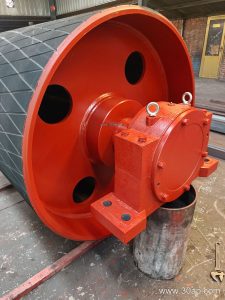
For related components such as the conveyor belt, idler roller, and conveyor pulley, keep the whole system in view. A well-matched return idler is a low-cost part that protects an expensive belt.