What a Heavy-Duty Belt Conveyor Idler Does on the Line
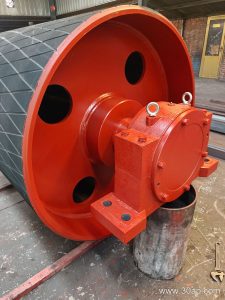
A Heavy-Duty Belt Conveyor Idler is the rotating support that carries the loaded conveyor belt between the head and tail of a conveyor. In a quarry, a cement plant, or a power plant coal yard, these rollers take the weight of the belt plus the material and keep the belt tracking in a stable trough. The idler is not a drive component and should not be confused with a conveyor pulley; pulleys transmit power and change belt direction, while idlers simply support and guide the belt along the run. The heavy-duty version is built for higher loads, thicker belts, and abrasive or impact-heavy material.
How the Roller Is Built
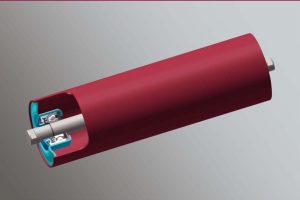
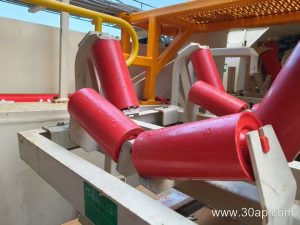
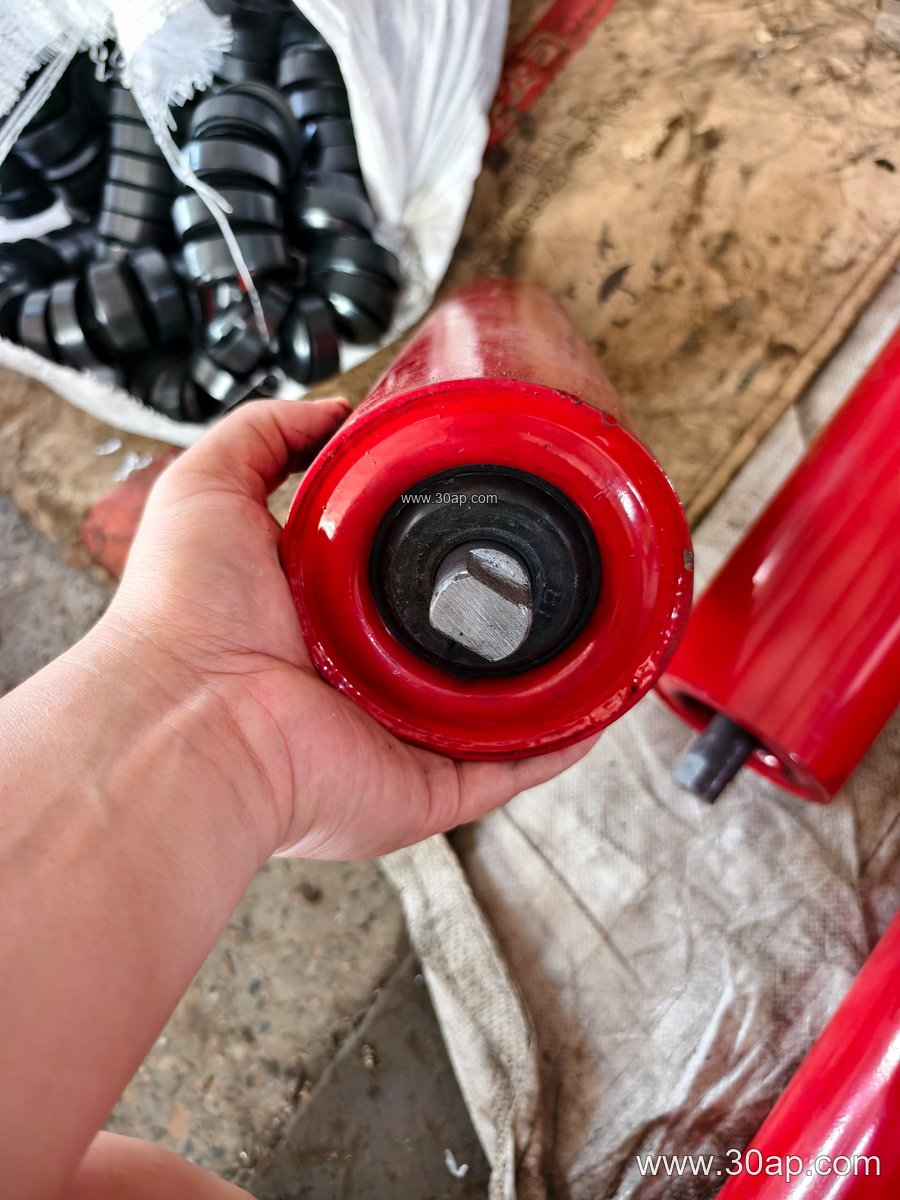
The core of the idler roller is a steel tube, often with a machined shaft pressed into bearing housings at each end. Seals protect the bearings from dust and water, which matters in a stone crushing line or an underground coal mining conveyor. Roller surfaces can be plain steel, nylon, ceramic, or rubber rings, and the choice depends on whether the belt needs extra grip, wear protection, or impact cushioning. Bearing sizes commonly range from 6204 up to 6310, and the bearing is matched to the load and shaft design rather than to belt width alone.
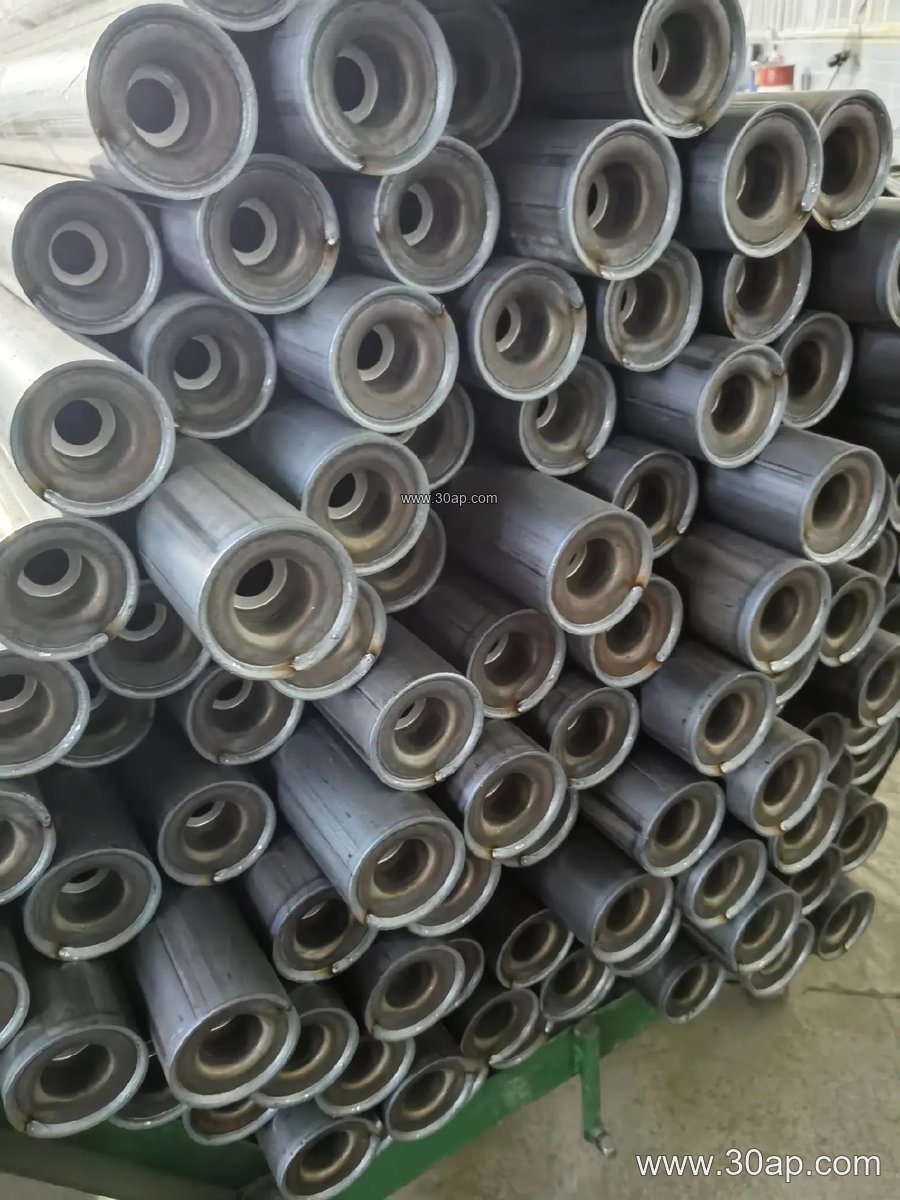
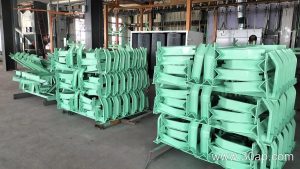
For a heavy-duty installation, the frame, shaft, and bearing housing are usually thicker than standard stations. The trough angle is often 30 or 35 degrees, and 45 degrees is used where the material needs a deeper trough. A small forward tilt of about 1.5 to 2 degrees is sometimes used on training idlers to help the belt stay centered.
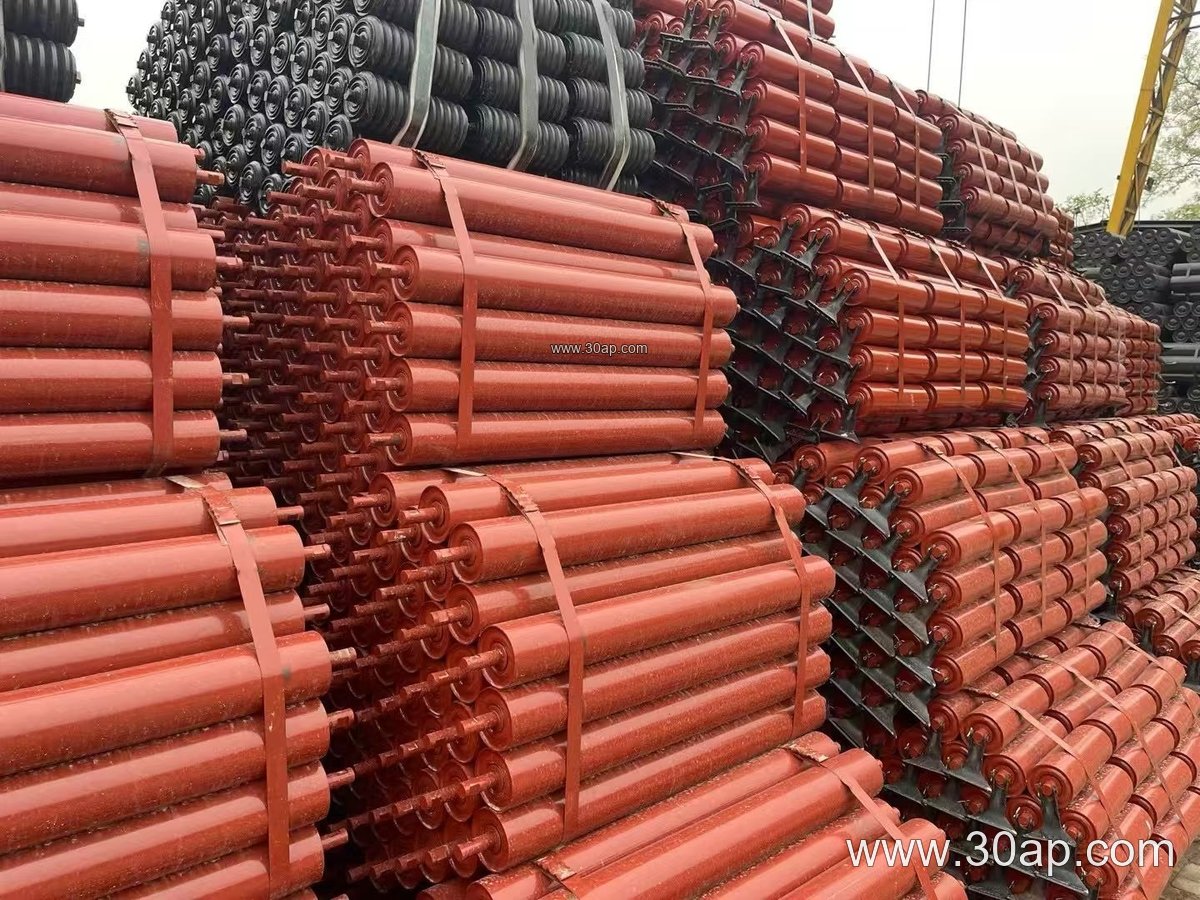
Common Types and Where They Sit
- Troughing idlers in two- or three-roll stations support the carrying side.
- Impact idlers with rubber rings sit under the loading point to absorb shock.
- Return idlers, including V-shaped and flat types, support the empty belt.
- Training idlers, such as friction and tapered types, correct belt misalignment.
- Spiral and comb idlers help shed sticky material in wet or dusty service.
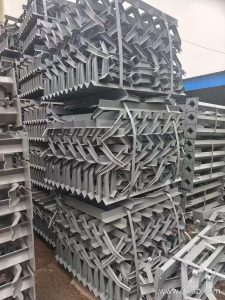
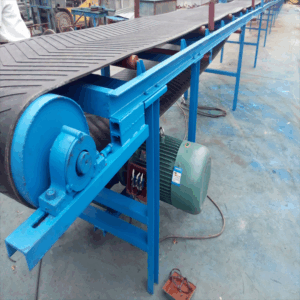
These types work together with the conveyor belt and the conveyor bracket that holds each station in place. A heavy-duty troughing station is not a replacement for a bend pulley or tail pulley; each has its own job on the conveyor.
Typical Sizes and Reference Data
Idler diameter and roll length are selected from belt width, trough angle, and station type. The values below are common reference examples, not fixed supply promises.
| Belt width | Common roll length (three-roll trough) | Typical idler diameter |
|---|---|---|
| B500 | about 200 mm | Ø76 to Ø89 |
| B650 | about 250 mm | Ø89 to Ø108 |
| B800 | about 315 mm | Ø89 to Ø127 |
| B1000 | about 380 mm | Ø108 to Ø133 |
| B1200 | about 465 mm | Ø108 to Ø159 |
| B1400 | about 530 mm | Ø127 to Ø159 |
| B1600 | about 600 mm | Ø133 to Ø178 |
| B1800 | about 670 mm | Ø159 to Ø194 |
| B2000 | about 750 mm | Ø159 to Ø219 |
Side rollers and center rollers can differ in length. A wide belt such as a 1200mm or 1500mm conveyor belt may use several roll lengths depending on the frame design. The same belt width does not lock the pulley diameter or shaft diameter to one value.
Applications in Heavy Industry
Heavy-duty idlers are common in limestone quarries, iron ore and copper ore handling, coal preparation plants, and cement kiln feed lines. They also appear in power plant coal conveying, steel plant sinter lines, and port ship loading systems. Where the belt carries abrasive rock, an abrasion resistant conveyor belt paired with a sturdy idler reduces wear on both parts. In cold climates, a cold resistant conveyor belt and sealed bearings help the line start reliably.
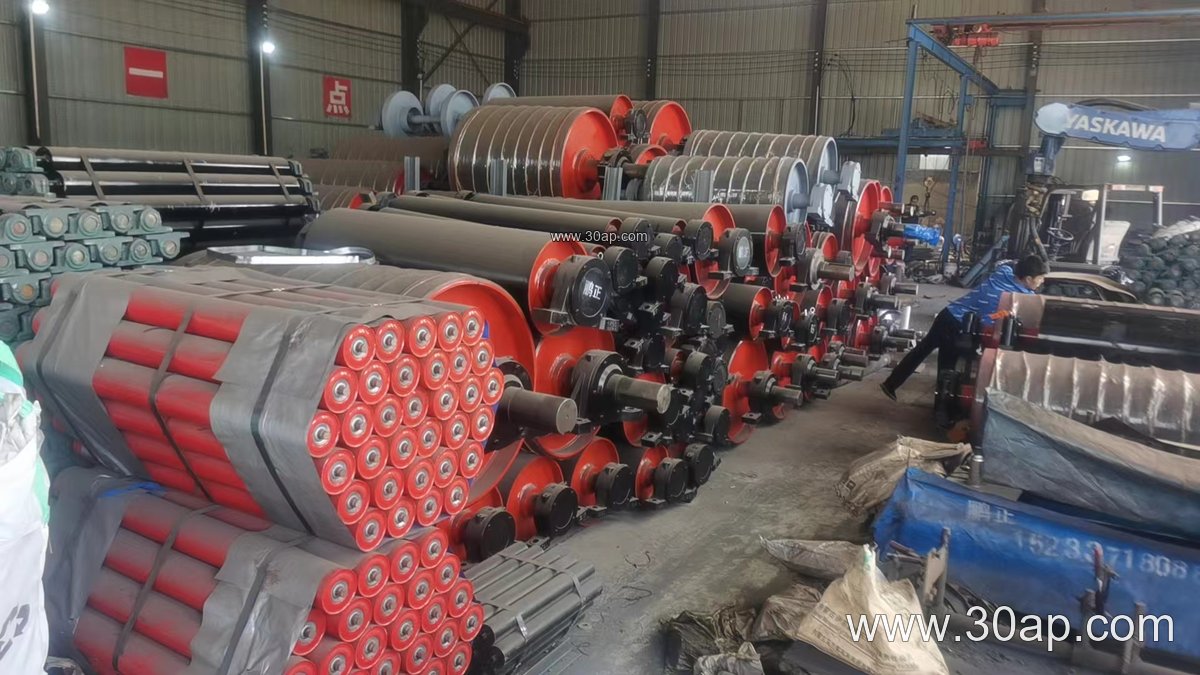
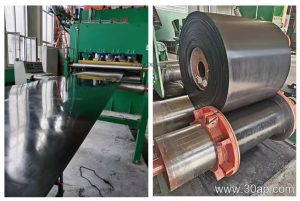
For underground work, a flame retardant conveyor belt and fire resistant conveyor belt are often specified together with well-sealed rollers. A steel cord conveyor belt may need larger diameter idlers because of its stiffness and weight, while an EP conveyor belt or NN conveyor belt can run on a lighter station. In food or chemical service, a food grade conveyor belt or oil resistant conveyor belt may be used, but the idler selection still follows load and environment.
What Buyers Should Check Before Ordering
Start with the belt width, the material weight per meter, and the trough angle. Confirm the shaft end type and the bracket hole spacing so the idler fits the existing frame. Ask about seal design, bearing size, and tube wall thickness, because these drive service life in dusty plants. Check whether the station needs impact rolls at the transfer point or training rolls on a long run. Finally, keep spare rollers in the same diameter and length so maintenance crews can swap them quickly during a shutdown.
Matching the idler to the conveyor belt, the conveyor pulley layout, and the conveyor bracket is the practical way to avoid premature failure. A well-chosen Heavy-Duty Belt Conveyor Idler keeps the belt running straight and the material moving in mines, cement works, and power stations alike.