Idler Roller Material Choices When the Belt Runs Wet and Outdoors
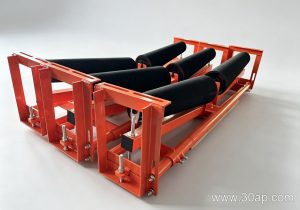
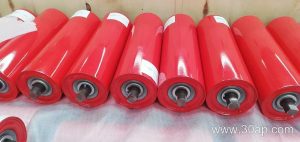
An idler roller in a wet outdoor conveyor faces a material problem before it faces a load problem. Rain, washdown water, acid mist or coastal humidity reaches the roller shell, bearing housing and shaft, so the choice between polymer, carbon steel and stainless steel determines whether the roller keeps turning freely or seizes within a season. The material decision is therefore a trade-off among corrosion resistance, abrasion resistance, weight, cost and reparability.
Polymer and Composite Shells
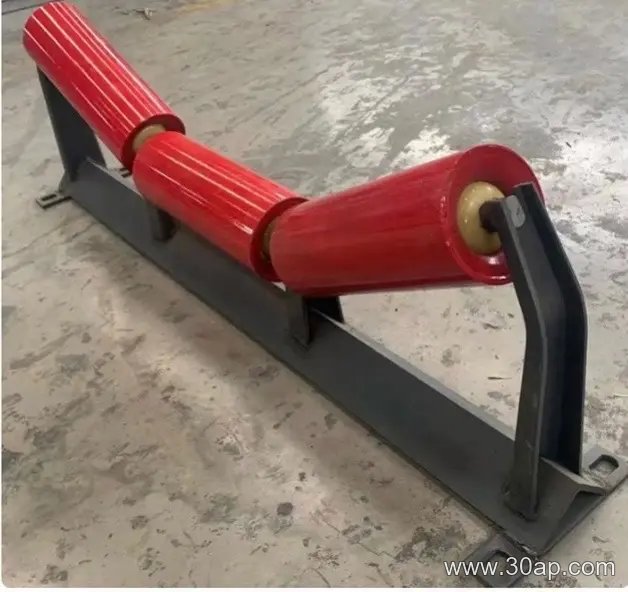
Polymer idler rollers, typically molded from HDPE, UHMWPE or glass-filled nylon, resist water and many dilute chemicals without painting or coating. They are light, which reduces the load on the frame and makes replacement easier on long overland conveyors. The trade-off is heat and mechanical strength: polymer shells can soften near hot material or in direct summer sun, and they may deform under high impact at the loading point. A polymer roller is often a sound choice for light to medium duty in a genuinely wet, corrosive setting.
Carbon Steel with Protective Finishes
Carbon steel is the default idler roller material for general bulk handling because it is strong, stiff and inexpensive. In a wet outdoor conveyor, however, bare steel rusts at welds, seams and bearing seats. Common mitigations include hot-dip galvanizing, epoxy coating and sealed bearing housings. Each adds cost and can be damaged during installation. Galvanizing gives sacrificial protection, but it wears away in abrasive service; a coated shell may chip and allow localized corrosion. Steel remains the choice where impact and load capacity matter more than corrosion resistance.
Stainless Steel and Hybrid Options
Stainless steel idler rollers, usually in grades such as 304 or 316, offer the best combination of corrosion resistance and structural strength, at a significantly higher material and machining cost. They suit food processing, chemical plants and coastal installations. A hybrid roller, pairing a stainless shaft and housing with a polymer or coated steel shell, can balance cost against exposure. The limitation is galvanic corrosion if dissimilar metals are joined without insulation, so the assembly detail matters as much as the material list.
Matching Material to the Duty
- Light, wet, corrosive duty: polymer shell with sealed bearings
- Heavy impact, moderate corrosion: galvanized or coated carbon steel
- Severe corrosion with structural demand: stainless steel or insulated hybrid
- High abrasion: thicker shell wall and hardened wear surfaces
A hypothetical wet outdoor conveyor handling damp aggregate might use galvanized carbon steel rollers at the loading zone and polymer rollers on the return run. That split is an engineering example, not a universal rule. The practical point is that no single idler roller material wins everywhere; the correct choice follows the water exposure, abrasion, load and maintenance access of each conveyor section.
Conveyor Pulley Maintenance in a Dusty Quarry: Inspection, Preventive Care and Replacement Signals
In a dusty quarry, the conveyor pulley operates under constant assault from fine rock particles, moisture, and abrasive grit. Unlike a clean indoor setting, maintenance here is less about routine greasing and more about early detection of wear that dust accelerates. This article outlines a practical inspection routine, preventive measures, and the signs that a conveyor pulley needs replacement.
Inspection: What to Check and How Often
In a quarry environment, inspect the conveyor pulley at least weekly, and after any heavy production run. Focus on these areas:
- Shell surface: Look for grooves, pitting, or polished patches that indicate abrasive wear. Dust mixed with moisture can create a lapping effect.
- Lagging: Check for cracks, glazing, or missing chunks. Rubber or ceramic lagging is the pulley’s first line of grip; once compromised, belt slip becomes likely.
- End discs and welds: Dust buildup can hide cracks. Clean the area and inspect for fatigue cracks, especially on drive pulleys.
- Bearing housings and seals: Dust ingress is the primary killer. Feel for excessive heat and listen for grinding. A sealed bearing that runs hot is a warning.
- Shaft and keyways: Look for fretting or looseness. In dusty conditions, vibration can accelerate wear at the fit.
Preventive Maintenance That Works in Dust
Preventive maintenance for a conveyor pulley in a quarry should prioritize sealing and cleaning over frequent re-greasing. Over-greasing can actually push dust into seals. Use these steps:
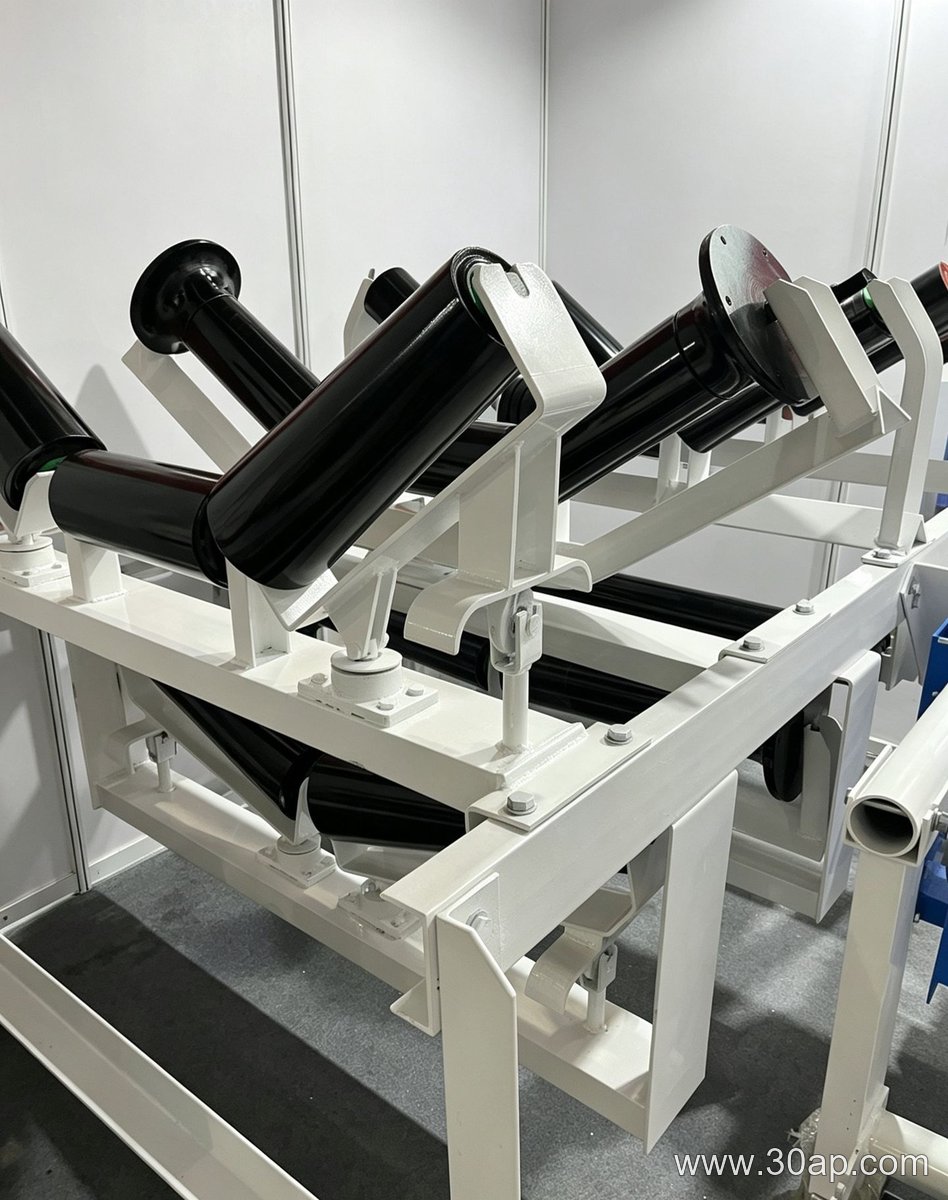
- Install secondary dust seals or labyrinth seals on bearing housings where possible.
- Wash down the pulley area during scheduled shutdowns, but avoid high-pressure water directly at seals.
- Check belt tracking regularly. Misalignment increases side loading on the pulley and accelerates lagging wear.
- Monitor operating temperature. A sudden rise of a few degrees above normal, measured at the bearing housing, often indicates early bearing failure.
- Keep a log of lagging condition. If you see glazing, clean it with a non-metallic brush; do not use solvents that degrade rubber.
Signs That Replacement Is Needed
Not all wear means replacement. However, in a dusty quarry, certain conditions justify a new conveyor pulley:
- Deep grooves or uneven shell wear: If the shell thickness is reduced significantly or the surface is no longer concentric, the belt will track poorly and wear faster.
- Lagging loss over more than 20% of the surface: This reduces grip and can lead to slip, especially on drive pulleys. (This percentage is a general guideline, not a universal specification.)
- Cracked or broken welds on end discs: Structural cracks compromise pulley integrity and can lead to catastrophic failure.
- Bearing vibration beyond acceptable limits: If vibration analysis shows increasing trends, and re-lubrication does not help, the bearing seat or shaft may be worn.
- Shaft wear at the bearing journal: Once the shaft diameter is below the manufacturer’s minimum, replacement is the safe option.
In a quarry, the cost of unplanned downtime is high. A proactive approach to conveyor pulley maintenance—frequent inspection, dust-focused prevention, and timely replacement—keeps the belt moving and the operation productive.
Reading a Conveyor Bracket Specification Without Guessing
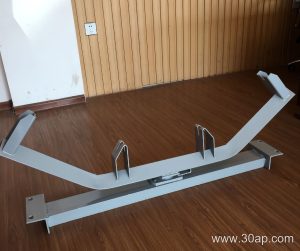
A common mistake when reviewing a conveyor bracket specification sheet is to treat every number as a performance rating. In reality, most values on a bracket drawing describe geometry, material condition or interface dimensions. The load-carrying behavior depends on how those values combine with the conveyor structure, the idler or pulley assembly, and the local environment. In a dusty quarry, the bracket is also exposed to abrasive fines and vibration, so the specification must be read as a set of constraints rather than a single strength figure.
Dimension Fields and Their Units
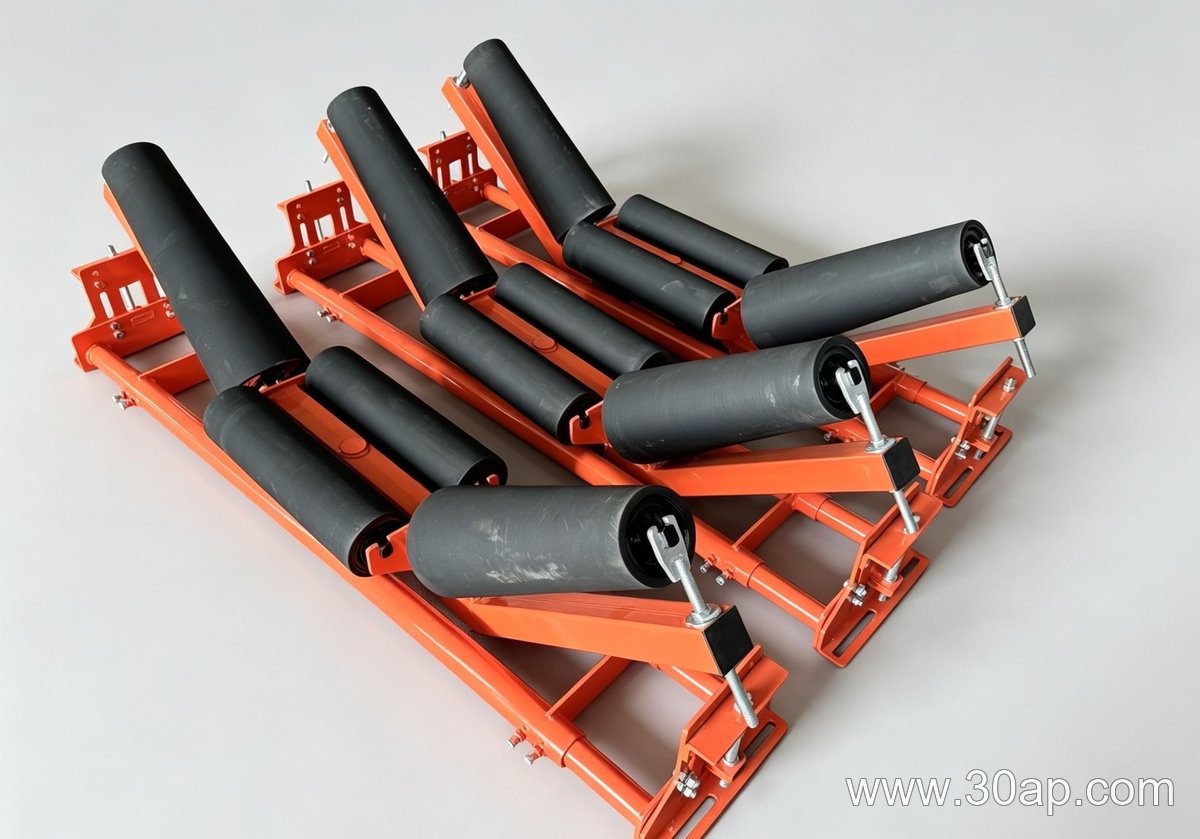
Bracket drawings typically show mounting hole spacing, slot length, base plate thickness, overall height and angle. These are given in millimetres or inches, and the unit system should be stated on the drawing. A hole spacing of, for example, 200 mm centre-to-centre tells you the distance between fasteners, not the bracket’s load capacity. Slot length indicates the adjustment range of an adjustable conveyor bracket. When a slot is present, the bracket can accommodate minor alignment differences during installation, but the slot also reduces the effective bearing area at the bolt. Always read the tolerance notes beside each dimension; a nominal 12 mm hole may be specified as 12 mm +0.5/-0, which affects bolt fit.
Material and Finish Fields
The material field usually names a steel grade and a finish. A grade such as Q235 or S355 describes a structural steel family, not a universal corrosion or wear rating. In a quarry, dust does not chemically attack steel the way acid does, but fine silica can act as an abrasive between sliding surfaces. A paint or galvanized finish may be listed with a coating thickness in micrometres. That value describes the coating, not the bracket’s structural capacity. If the specification lists a weld symbol or a bolted joint, the relevant standard should be named, but the actual joint strength depends on weld size, length and execution.
How to Cross-Read Fields in a Quarry Setting
- Check that the mounting hole pattern matches the idler frame or stringer before evaluating any load value.
- Confirm whether the bracket is fixed or adjustable; an adjustable conveyor bracket trades stiffness for alignment range.
- Read the material grade together with the thickness, because a thin bracket in a high-grade steel may still deflect under impact.
- Note the dust exposure: accumulated fines can fill slots and block adjustment, so a fixed conveyor bracket may be preferred where re-alignment is infrequent.
None of these fields alone tells you the bracket’s allowable load. That information belongs to a structural calculation or a manufacturer’s tested configuration, which should be requested separately. Reading a conveyor bracket specification correctly means separating geometry, material and finish from any claimed performance, then checking each against the actual conveyor interface and the dusty operating environment.
Can a Single Conveyor Belt Design Handle Both Ship Unloading and Stockpile Feeding at a Bulk Port?
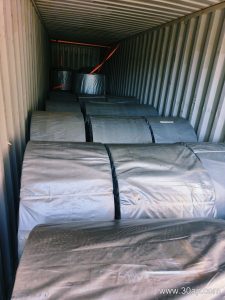
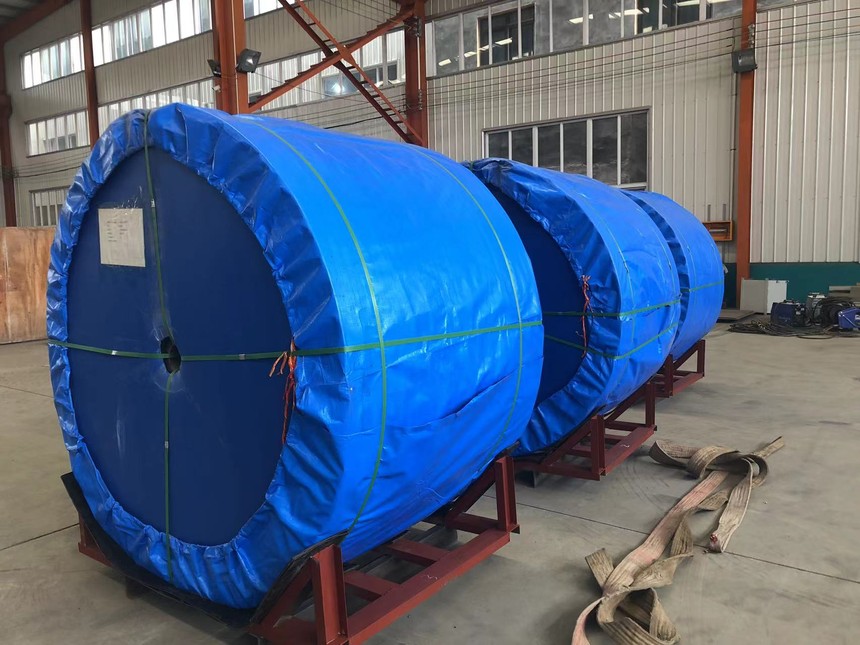
In a bulk-material port terminal, a conveyor belt often faces two very different duty profiles on the same route: high-impact, variable-load discharge from a ship unloader, and gentler, continuous feed to a stacker or stockpile. The practical answer is usually yes, but only if the belt is specified around the worst-case combination of impact, tension, and material condition rather than the average.
A common conveying-line challenge is belt mistracking and premature cover wear where the loading point transitions from surge loads to steady flow. The belt must absorb lump impact without carcass damage, then track reliably through curved or inclined sections. This is not a case for a single universal specification; it is a case for matching belt construction to the actual load profile.
Where the Conveyor Belt Meets the Duty
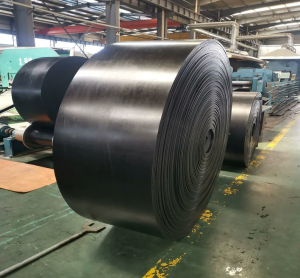
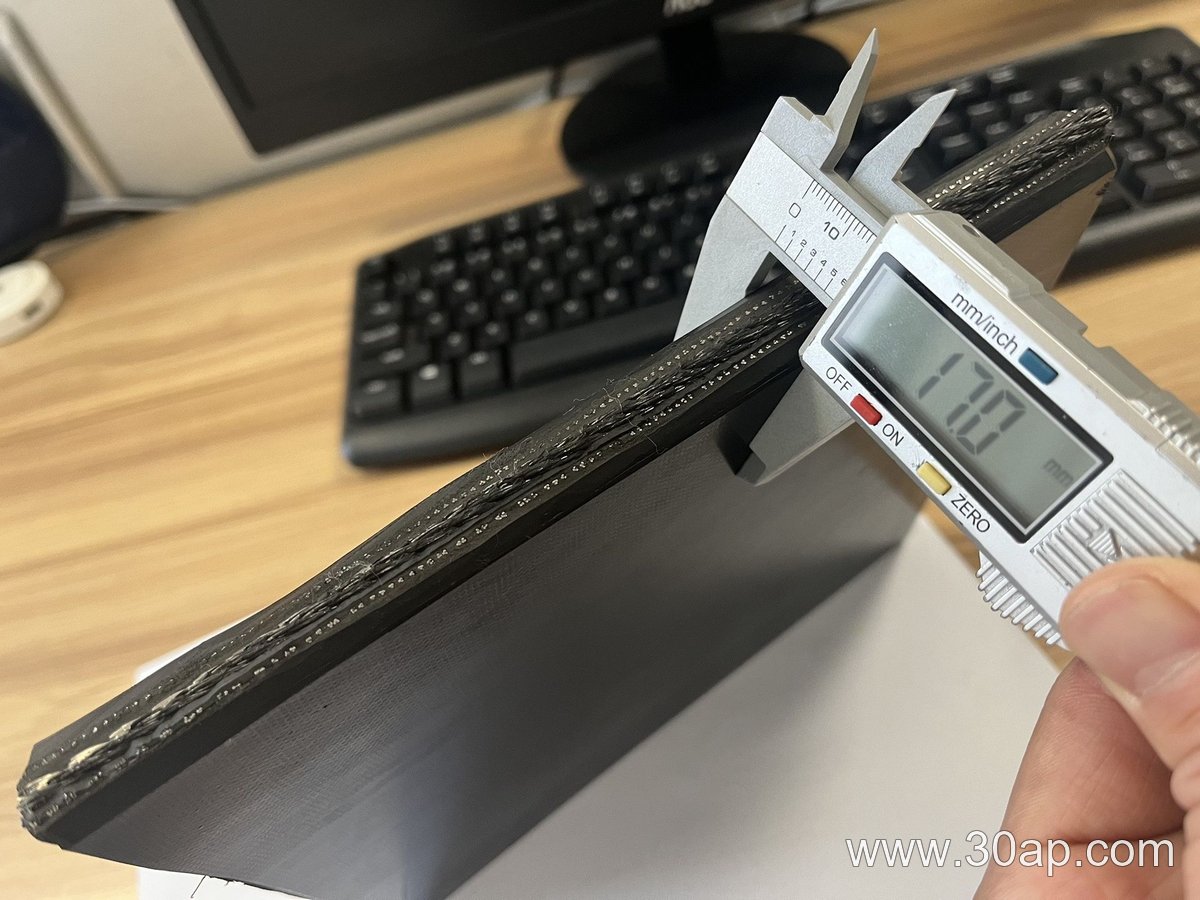
At the ship unloader discharge, a thick conveyor belt with a reinforced carcass and impact-resistant cover reduces the risk of gouging from large lumps. Further along, where material is already bedded, a smoother cover and stable tension distribution support clean tracking. If the same belt serves both zones, the specification should prioritize the higher-impact end and verify that the added stiffness does not create problems at transition idlers or pulleys.
Practical Checks Before Specifying
- Measure the maximum lump size and drop height at each loading point.
- Confirm the belt width and speed can handle peak surge without spillage.
- Review transition distances and pulley diameters for the selected carcass.
- Check whether dust, moisture, or salt air affects cover compound choice.
- Verify splice type and tension rating against the highest expected pull.
These checks are illustrative; actual values must come from site measurements and the belt manufacturer’s engineering data. A hypothetical terminal might find that a single belt works if the loading chute is redesigned to reduce impact energy, but that is a project-specific conclusion, not a universal rule.
Integrating the Belt into the Terminal Solution
The conveyor belt is not a standalone fix. It integrates with chute geometry, idler spacing, take-up systems, and control logic that limits surge. When these elements are coordinated, one belt can serve unloading and stockpile feeding without compromising availability. The goal is not to force one belt into every role, but to specify it so the conveying line operates as a system.