What a 2000mm Conveyor Belt Is
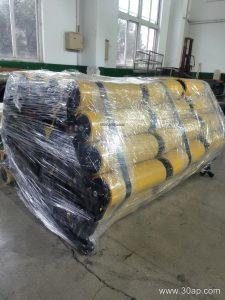
A 2000mm conveyor belt is a wide belt format with a nominal width of 2000 millimeters, often described in the field as a 2000mm wide conveyor belt. It sits at the upper end of standard wide belt widths and is chosen when a single conveying line must carry a large volume of bulk material without running an excessive belt speed. In quarry, cement, steel plant, power plant and port applications, this width helps spread the load across a broader surface, which can reduce material depth on the belt and improve stability on long runs.
Width alone does not define the belt. A 2000mm conveyor belt is also specified by its carcass type, strength grade, cover rubber thickness and any surface features. The same nominal width can be supplied as an EP conveyor belt, an NN conveyor belt, a steel cord conveyor belt or a special-purpose construction, so buyers should treat 2000mm as one dimension rather than a complete product name.
Construction and Common Configurations
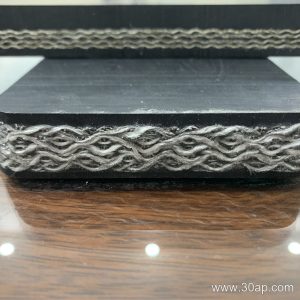
Fabric-core designs are common in this width. A multi-ply fabric core conveyor belt with EP or NN plies is widely used because it balances tensile strength, troughability and splice flexibility. Steel cord conveyor belt constructions are also available for very high tension and long-distance duties, while PVC and PVG belts appear in underground coal mining and other flame retardant applications.
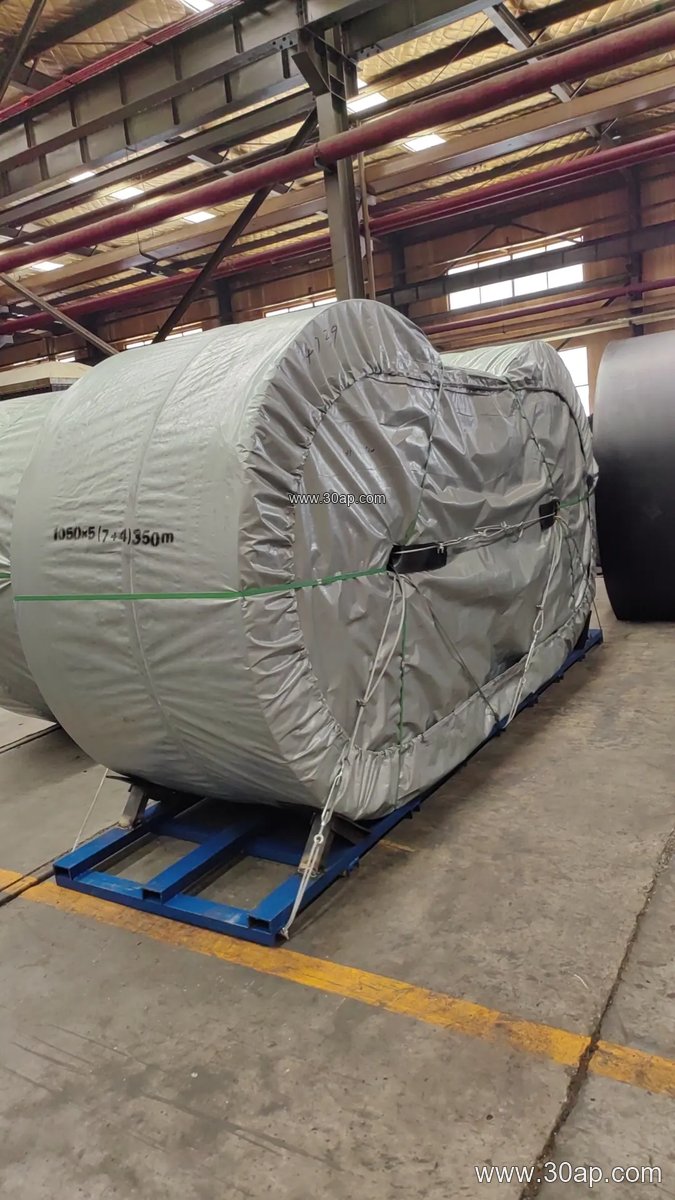
Cover rubber is usually specified as top cover plus bottom cover, for example 4+2 mm, 5+2 mm, 6+2 mm or 8+3 mm. Carcass ply count typically ranges from two to six layers depending on the strength class. Common strength references for fabric belts include EP200, EP400, EP630, EP1000 and EP1250; steel cord grades may be described with ST designations. These values are reference points, and final construction should follow the conveyor design.
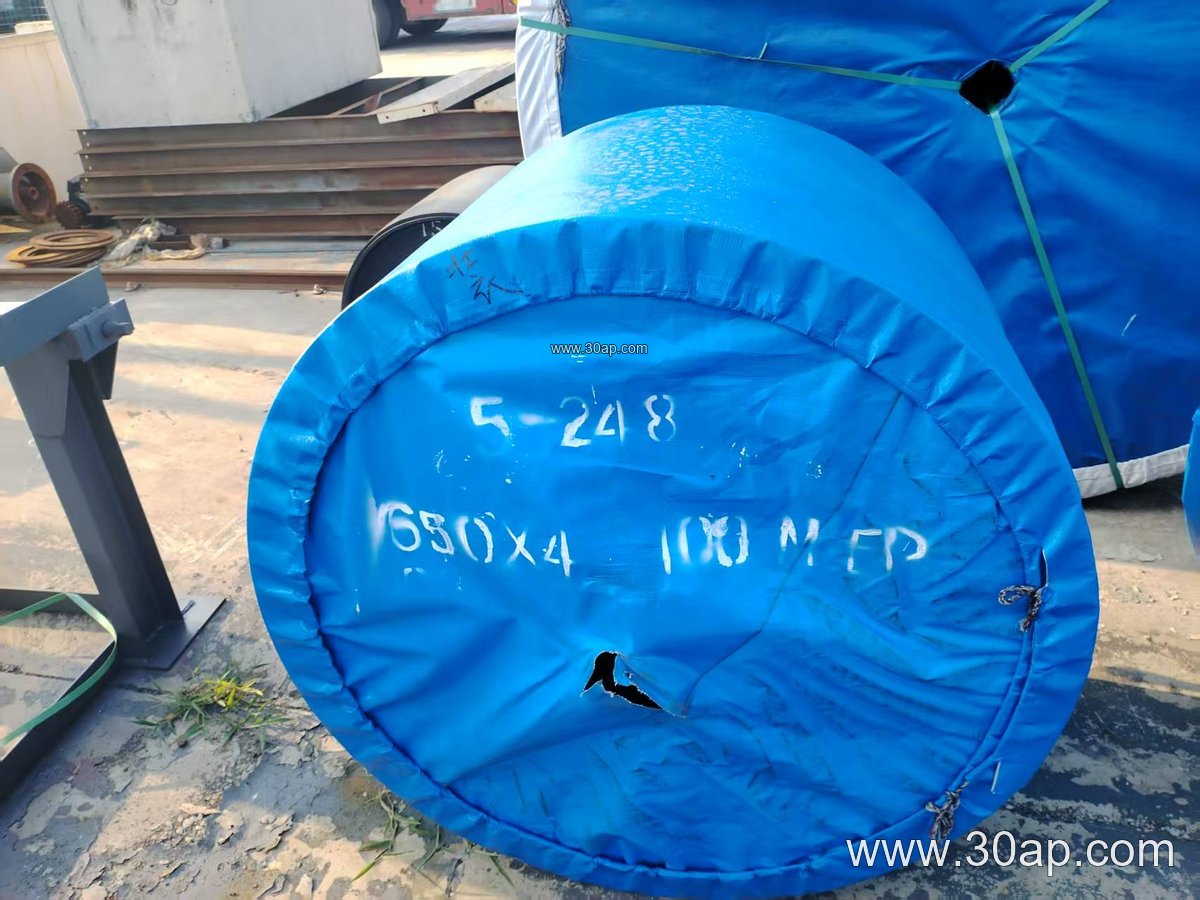
| Parameter | Typical reference range | Notes |
|---|---|---|
| Nominal width | 2000 mm | Wide belt format; also called 2000mm wide conveyor belt |
| Carcass options | EP, NN, steel cord, PVC, PVG | Selected by tension, troughing and fire safety needs |
| Fabric strength grades | EP200 to EP1250 and above | Depends on load and conveyor length |
| Cover thickness | 4+2, 5+2, 6+2, 8+3 mm | Top and bottom cover chosen for abrasion, impact and oil |
| Ply count | 2 to 6 | Typical for multi-ply fabric core belts |
| Surface forms | Smooth, chevron, skirted, corrugated sidewall | Used where incline, spillage or steep angles matter |
Where This Width Fits
Wide belts are common in bulk material conveyor systems at mines, coal preparation plants, cement works, aggregate yards, crusher discharge lines and ship loading facilities. A 2000mm conveyor belt may feed a primary crusher, transport ore or rock, or move clinker and other heavy materials. In these duties, abrasion resistant conveyor belt grades and impact resistant conveyor belt grades are often considered. Heat resistant conveyor belt and oil resistant conveyor belt versions serve special conditions, while flame retardant conveyor belt and anti-static conveyor belt constructions are relevant in coal mining and underground mining conveyor systems.
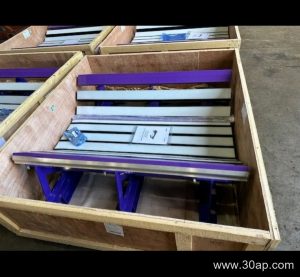
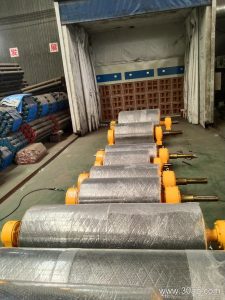
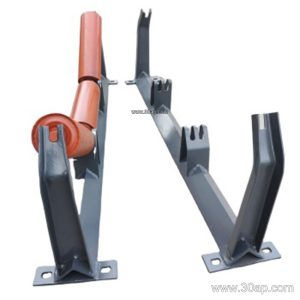
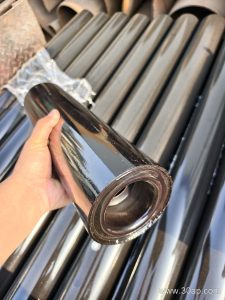
Troughed idler roller sets, conveyor pulley assemblies and conveyor bracket supports must match the belt width and load. The belt does not dictate a single pulley diameter, and a 2000mm width should not be used to guess shaft size. Drive, tail and bend pulleys each have their own design role and should be sized from conveyor tension, wrap angle and duty.
Buyer Checklist Before Ordering
- Confirm the actual belt width, strength grade and carcass type, not just the 2000mm figure.
- State the material, lump size, temperature, oil exposure and fire safety requirements.
- Check cover thickness and whether a chevron conveyor belt, skirted conveyor belt or corrugated sidewall conveyor belt profile is needed.
- Review splice method and whether an endless conveyor belt is preferred for the installation.
- Match the belt to idler roller spacing, conveyor pulley dimensions and conveyor bracket clearance.
- Ask for a datasheet covering tension rating, cover grade, weight and recommended operating limits.
For more technical references on wide belts, idlers and pulleys, see conveyor belt and conveyor pulley resources. A well-specified 2000mm conveyor belt, matched to its conveyor pulley and idler roller set, can support reliable high-capacity handling in demanding mining, cement and port environments.