Idler Roller Basics
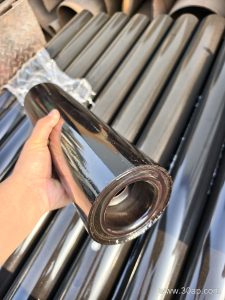
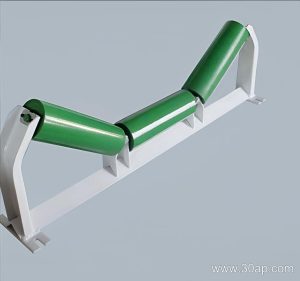
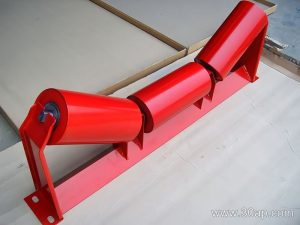
An idler roller supports and guides conveyor belts without driving them. It reduces friction, extends belt life, and keeps material moving. Choose the right idler roller for load, speed, and environment.
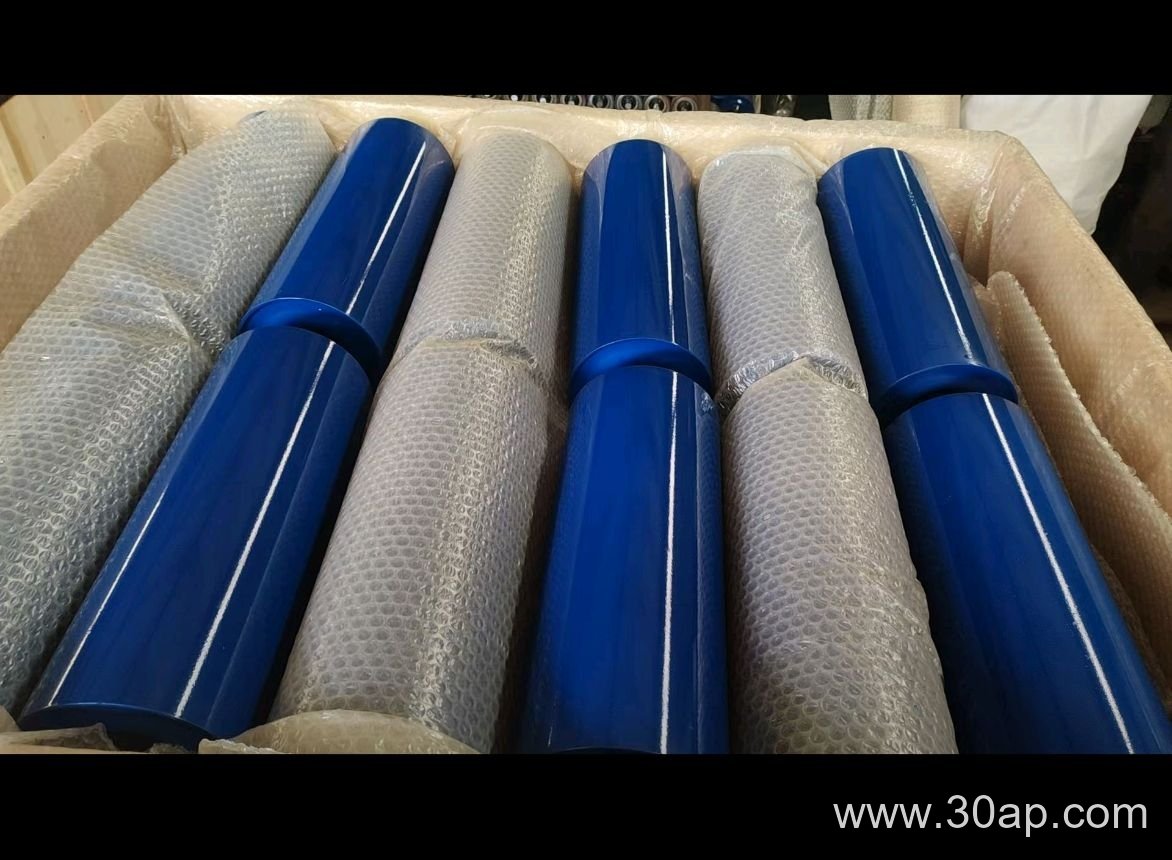
Key Selection Factors
- Load capacity and shaft diameter
- Bearing type: sealed or open
- Roller material: steel, stainless, or polymer
- Environmental resistance to dust, moisture, and heat
Purchasing Advice
Match the idler roller to belt width and trough angle. Verify tolerances, lubrication, and replacement availability. Buy from suppliers offering test data and consistent quality.
Conveyor Pulley: The Core of Belt Conveyor Performance
A conveyor pulley drives and redirects the belt, directly affecting reliability and efficiency. Choose wisely to reduce downtime and energy costs.
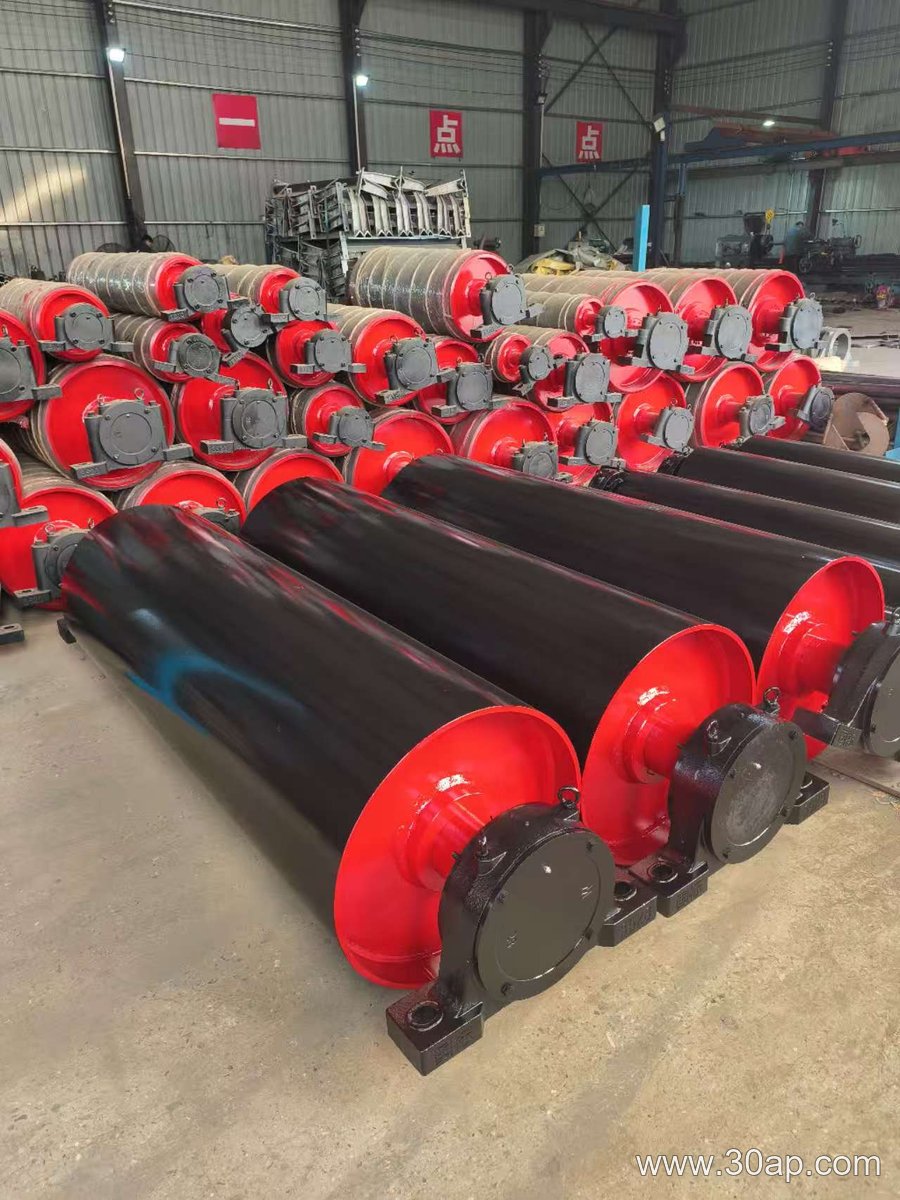
Key Selection Factors
- Duty and load: Match pulley class to belt tension and tonnage.
- Lagging: Rubber or ceramic lagging improves grip in wet or dusty conditions.
- Diameter and face: Sized to belt width and shaft load; larger diameters reduce belt stress.
- Balance and runout: Critical for high-speed conveyors to prevent vibration.
Purchasing Advice
Request load calculations, material certificates, and dynamic balance reports. Confirm bearing type, shaft tolerance, and surface finish. Compare total cost of ownership, not just unit price. Verify supplier experience with similar bulk materials and offer spare-part availability.
Conveyor Bracket Essentials
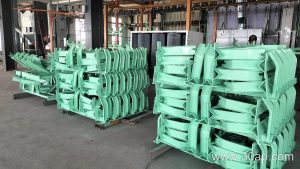
A conveyor bracket supports rollers, idlers, and frames, ensuring alignment and load stability. Choose material, finish, and mounting style to match your duty cycle.
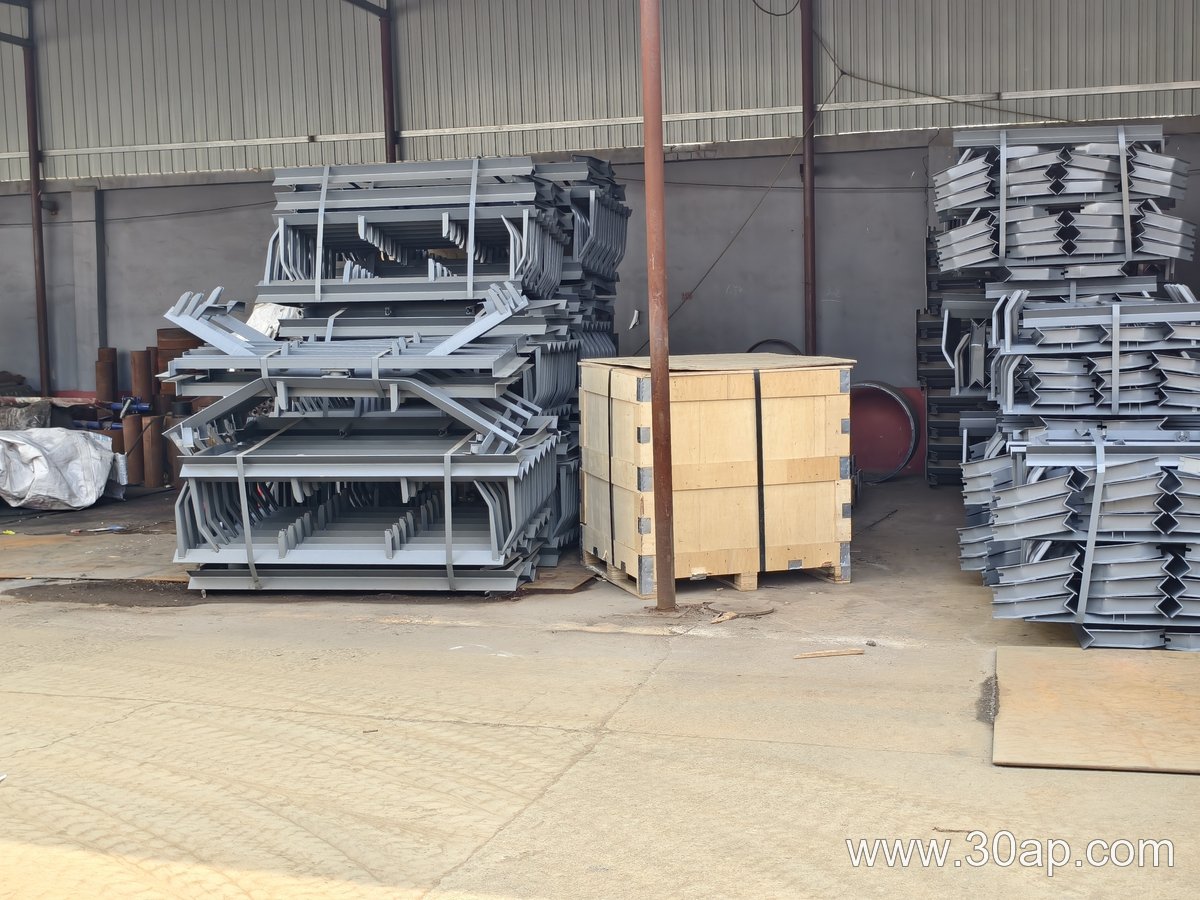
Selection Advice
- Match load capacity and bolt pattern.
- Pick stainless or coated steel for washdown.
- Confirm adjustable or fixed alignment.
Purchasing Tips
Verify tolerances, lead times, and spare availability. Buy from suppliers offering batch traceability and samples.
Conveyor Belt Selection and Purchasing Guide
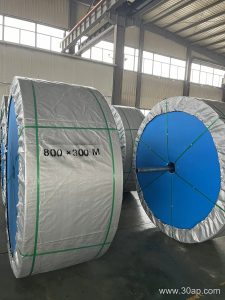
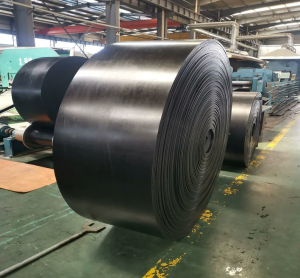
A conveyor belt is the core of any material handling system. Match carcass, cover, and splice to your load, speed, and environment before buying.
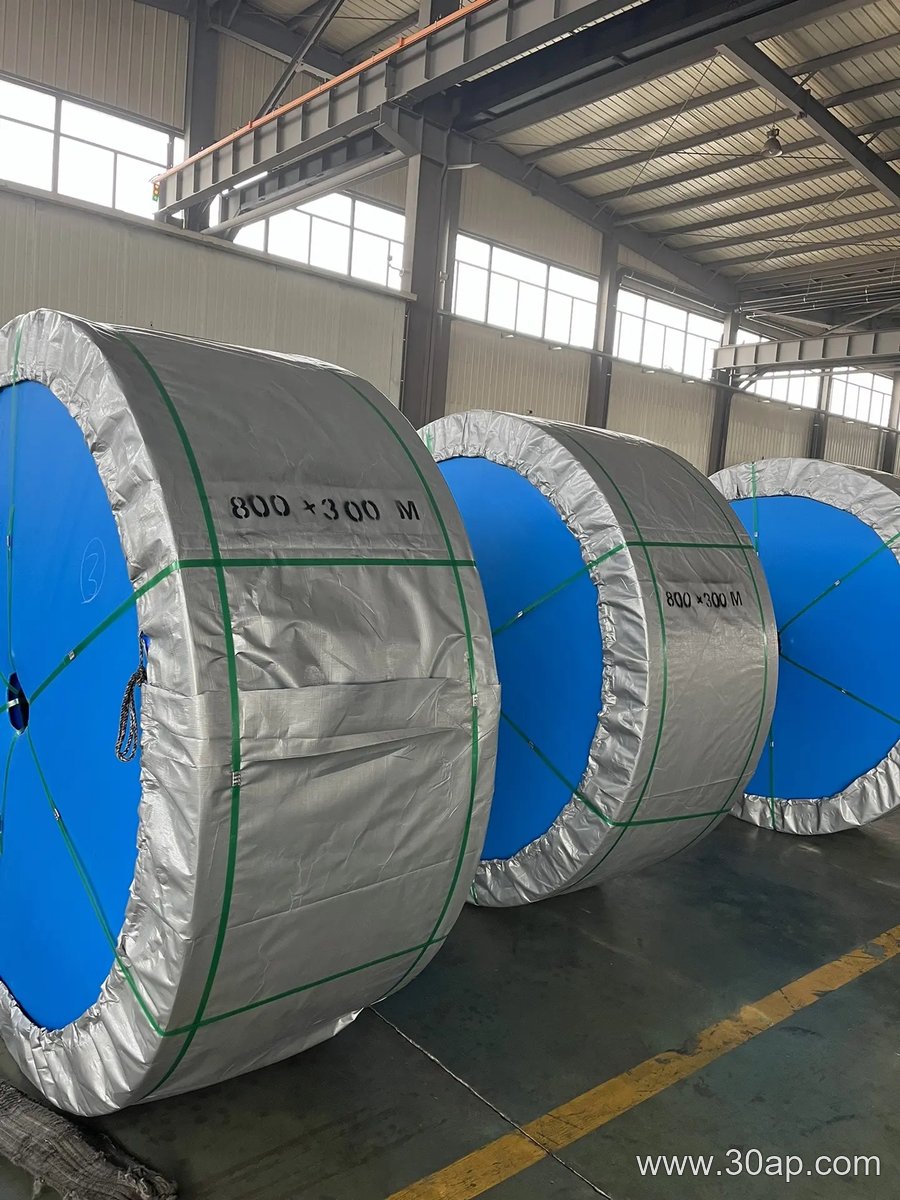
Key Selection Factors
- Load weight and belt width
- Material: rubber, PVC, or steel cord
- Temperature, oil, and abrasion resistance
- Belt speed, incline, and pulley diameter
Purchasing Advice
Verify tension rating, cover grade, and splice type. Request test reports, confirm export packing, and compare total cost, including installation and spare parts.