What a Conveyor Support Bracket Does
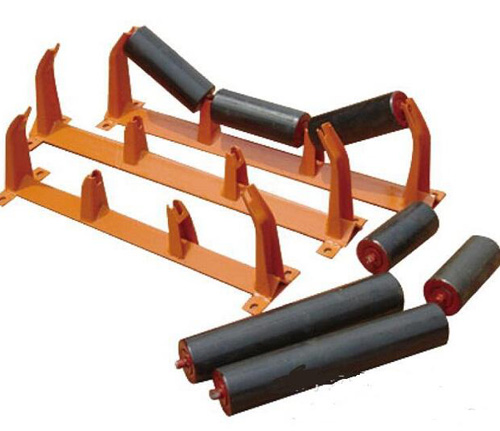
A conveyor support bracket is the structural interface between a conveyor frame and its rotating components. It holds idler rollers at the correct angle and elevation so the conveyor belt can carry material without excessive sag or spillage. In a quarry or a coal-fired power plant, these brackets are often the most numerous fabricated parts on the line, yet they receive little attention until misalignment or wear causes belt tracking problems.
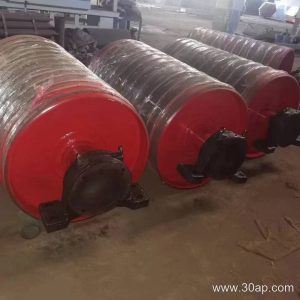
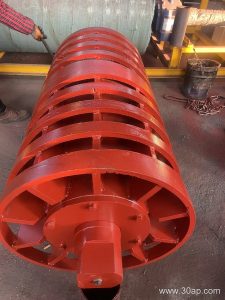
The bracket itself does not drive the belt. It supports the troughing idlers, return idlers, and occasionally a conveyor pulley in transition zones. Drive pulleys and tail pulleys perform entirely different functions, so a support bracket should never be confused with those assemblies. Its job is static support, not power transmission.
Construction and Materials
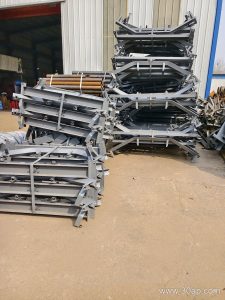
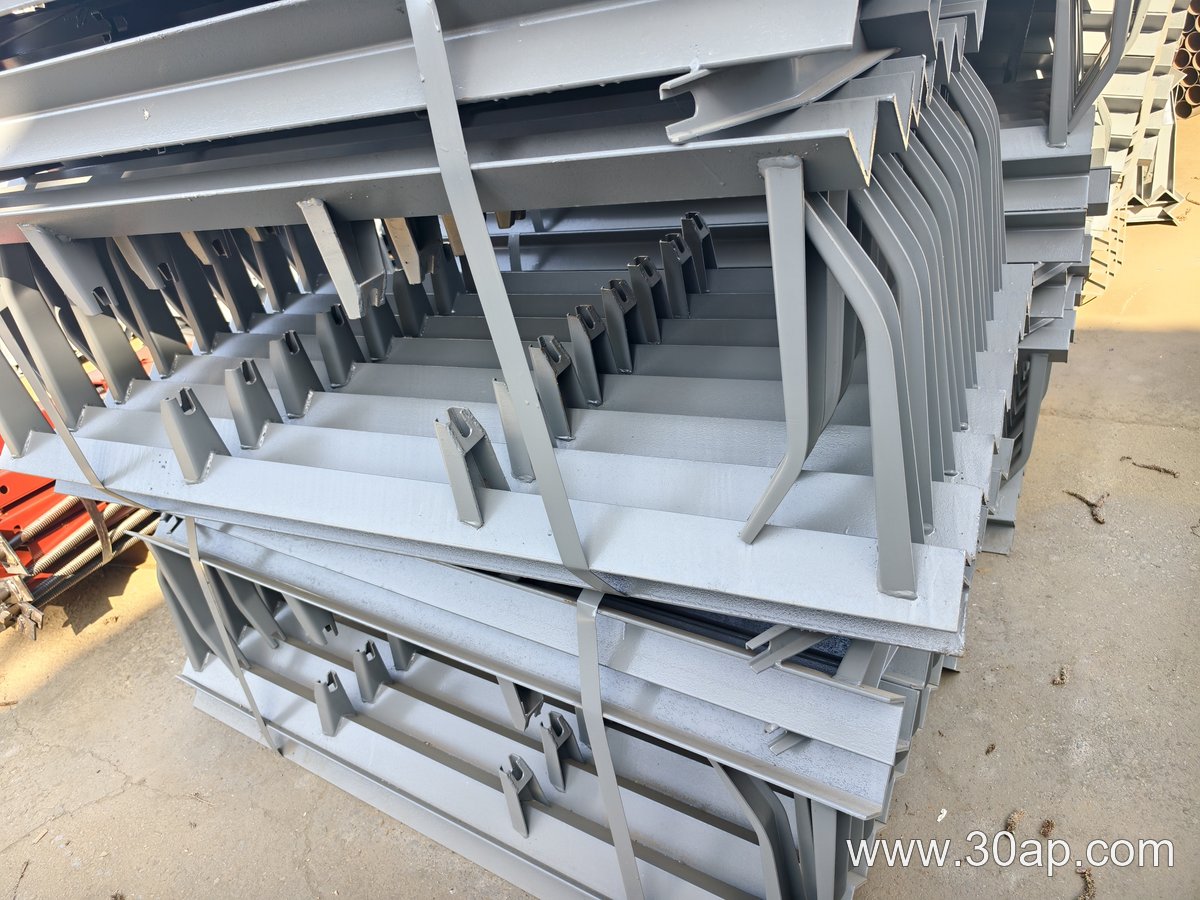
Most support brackets are fabricated from angle steel, channel steel, or folded steel plate. The choice depends on load, belt width, and the number of idlers carried. A typical troughing bracket for a B800 or B1000 conveyor belt may use 50 x 50 x 5 mm angle or a 4 mm folded plate. Larger widths such as B1400 or B1600 often require channel sections or reinforced folded designs.
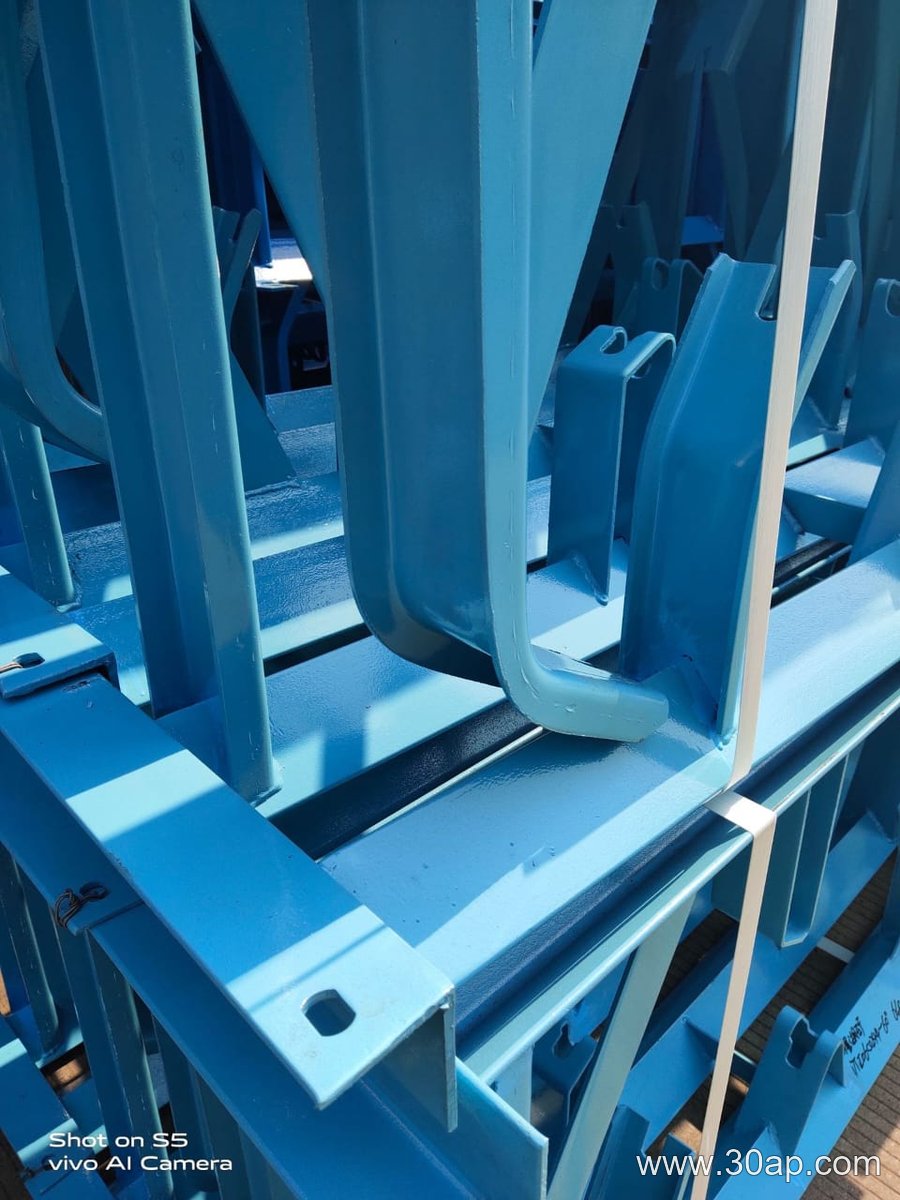
Mounting hole spacing and crossbeam length are not universal. They vary with belt width, trough angle, and roller diameter. A bracket designed for B650, 30 degrees, and Ø89 rollers will not fit a B1200 frame without modification.
Common Reference Dimensions
| Belt Width | Trough Angle | Roller Diameter | Typical Bracket Material |
|---|---|---|---|
| B500 | 20 degrees | Ø89 | Angle steel |
| B650 | 30 degrees | Ø89 | Angle steel |
| B800 | 35 degrees | Ø108 | Folded plate |
| B1000 | 35 degrees | Ø108 | Folded plate |
| B1200 | 45 degrees | Ø133 | Channel steel |
| B1400 | 45 degrees | Ø133 | Channel steel |
| B1600 | 35 degrees | Ø159 | Reinforced folded |
| B1800 | 45 degrees | Ø159 | Reinforced folded |
| B2000 | 45 degrees | Ø194 | Heavy channel |
These values are reference examples, not fixed pairings. A B800 conveyor may use 20-degree or 45-degree troughing depending on material profile and belt speed.
Types and Mounting Positions
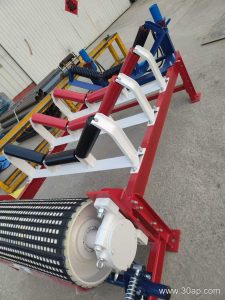
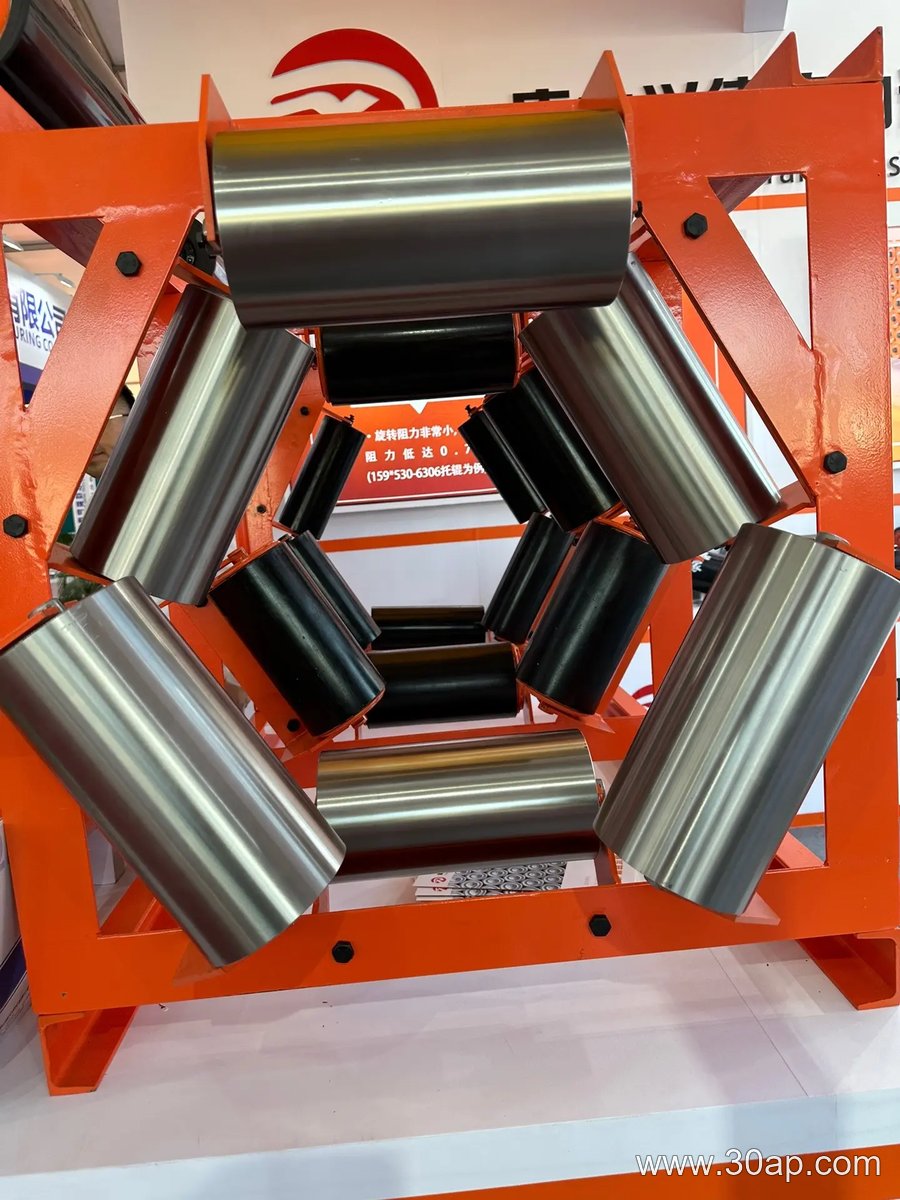
Troughing brackets carry the loaded side of the belt. Return brackets support the empty side, often with a V-shaped or flat configuration. Transition brackets sit between the last troughing station and a conveyor pulley, gradually changing the belt profile. Impact brackets under a loading chute use cushioning rollers to absorb fall energy. Self-aligning brackets allow small lateral movement to correct belt tracking.
Adjustable brackets let maintenance staff change the trough angle between 20, 30, 35, and 45 degrees without replacing the frame. Forward-leaning brackets, typically around 1.5 to 2 degrees, help keep the belt centered on the idler roller. A spiral roller bracket is a specialized form used where material buildup is a concern.
Where They Are Used
In a limestone quarry, troughing brackets and return brackets run continuously along the main haulage conveyor. In a power plant coal yard, impact brackets appear under the tripper and transfer points. Cement plants use adjustable brackets to fine-tune material containment on clinker lines. Sand and gravel operations often prefer simple fixed troughing brackets for lower maintenance.
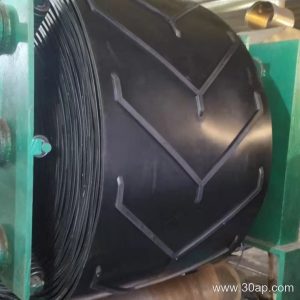
The bracket must match the conveyor belt, idler roller, and conveyor pulley interface. A poorly aligned bracket can cause the belt to rub the frame, damage the roller, or force the pulley to compensate for tracking errors.
Buyer Selection Notes
- Confirm belt width, trough angle, and roller diameter before ordering.
- Check mounting hole spacing against the existing frame, not just the belt width.
- Choose adjustable brackets if the material profile may change.
- For high-impact zones, specify impact brackets rather than standard troughing brackets.
- Material thickness should suit the load and the number of idlers supported.
- Ask for a drawing that shows crossbeam length and hole positions.
A conveyor support bracket is a simple part, but it controls how well the belt, rollers, and pulleys work together. Getting the bracket right reduces downtime in mines, quarries, and bulk handling plants.