What a Diamond Mine Belt Tracker Does
A Diamond Mine Belt Tracker is a conveyor belt alignment device built to keep the belt centered on the idler roller and pulley path in demanding mining duty. In a diamond mine, ore is abrasive, the terrain is often remote, and a drifting belt can quickly damage edges, spill material, and interrupt production. The tracker responds to belt wander by steering a carrying or return roller slightly, so the belt is guided back toward the center line before edge wear becomes serious. It is a belt training device, not a substitute for correct conveyor design, proper pulley alignment, or good maintenance practice.
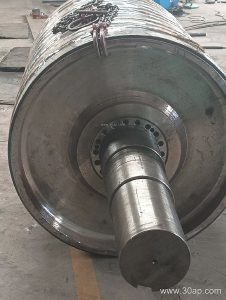
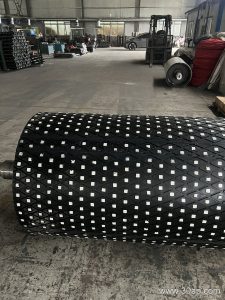
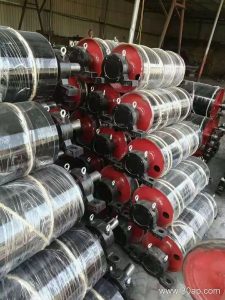
The product is also described as a conveyor belt deviation corrector or belt tracking device. These are accurate equivalent names for the same product family. Drive pulleys, tail pulleys, and bend pulleys each serve different functions and are not interchangeable with a tracker; the tracker works alongside them rather than replacing them.
Construction and Working Principle
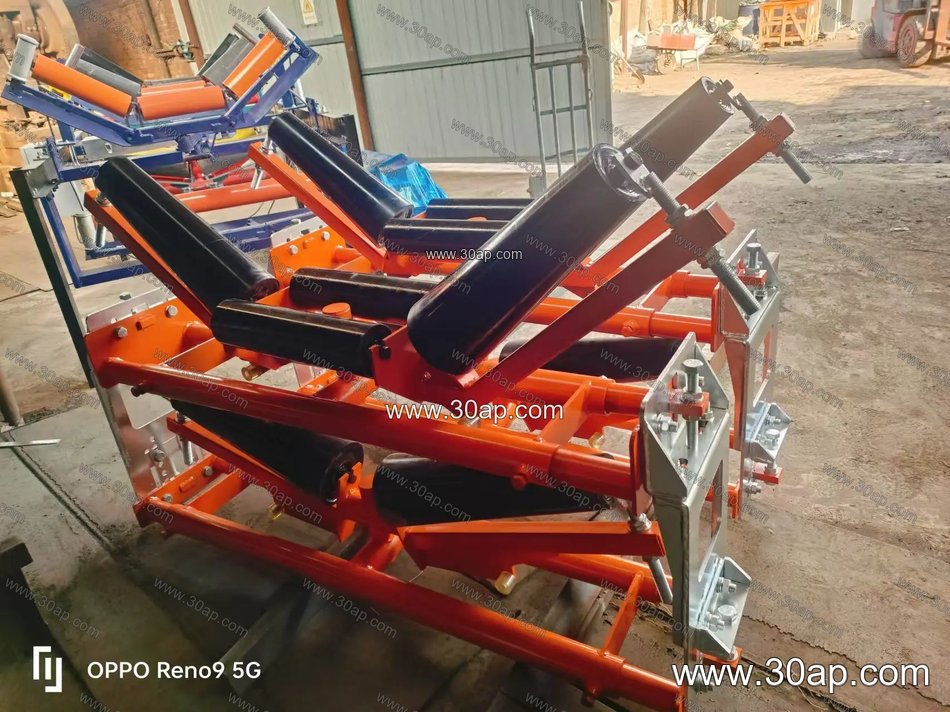
Most designs use a pivoting roller mounted on a bracket that reacts to contact with the belt edge. When the belt moves off center, the roller or a sensing roller turns slightly, and the resulting motion shifts the roller frame to push the belt back. Mechanical, linkage, pneumatic, and hydraulic versions exist, and some systems add sensors, feedback, and PLC control. The choice depends on belt width, load, environment, and whether the conveyor is fixed or reversible.
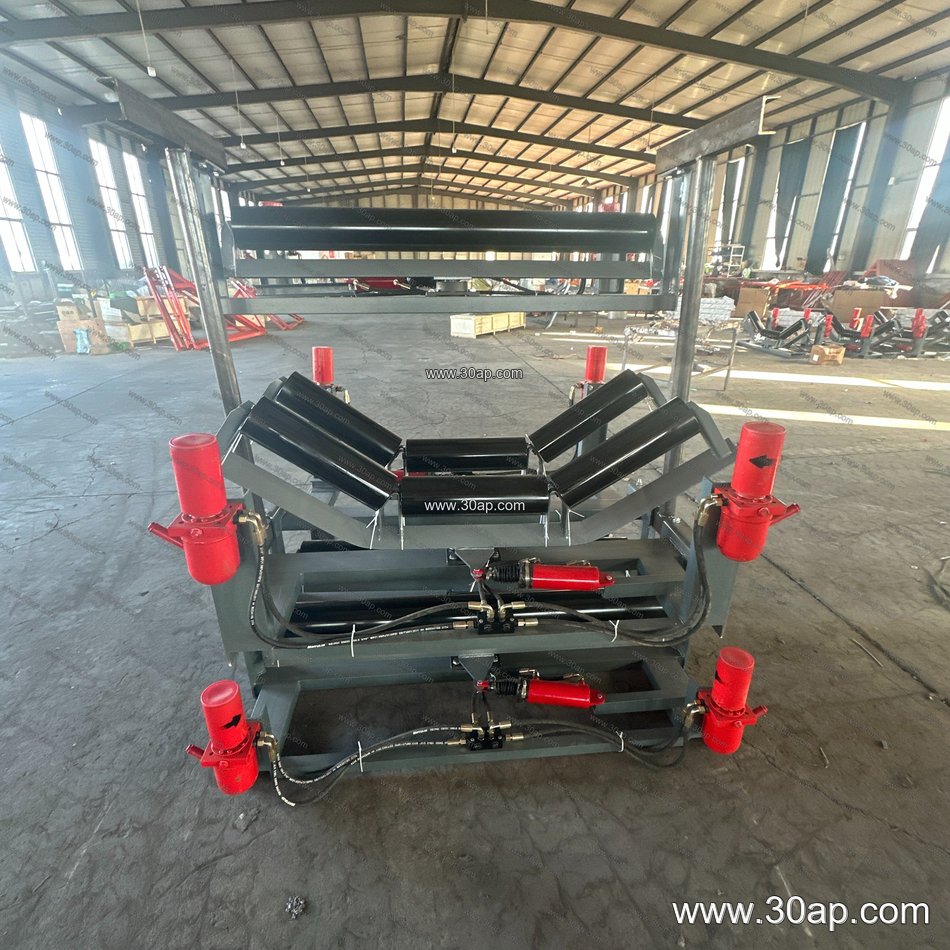
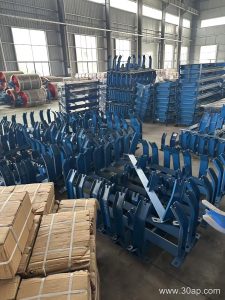
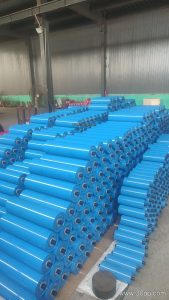
Typical components include a robust frame, a tracking roller, a pivot shaft, mounting brackets, and wear-resistant surfaces. Underground or dusty diamond operations may need sealed bearings and corrosion protection. The tracker must suit the belt structure, the trough or return position, and the space available on the conveyor bracket and frame.
Where It Fits on the Conveyor
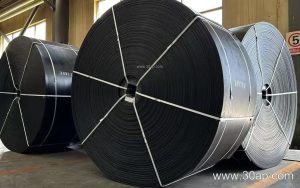
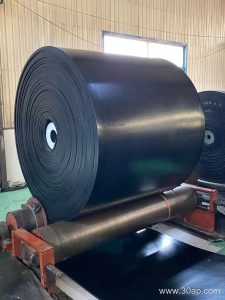
Trackers are commonly installed on the carrying side and the return side. On a long overland or underground conveyor, belt wander may appear only in one section, so placement matters. A tracker near a transfer point may help with off-center loading, while one on the return strand can address belt tracking after the drive pulley. The device is often used with a heavy-duty mining conveyor belt, including abrasion resistant conveyor belt, flame retardant conveyor belt, and steel cord conveyor belt constructions where high tension and long spans make edge control important.
In related industries such as coal mining, cement plants, power plant coal handling, iron ore and copper ore operations, quarries, and aggregate crushing lines, belt trackers support the same basic goal: keep the conveyor belt running true and reduce spillage and edge damage. A well-aligned conveyor also protects the idler roller, conveyor pulley, and conveyor bracket from uneven loading.
Selection Points for Buyers
Buyers should confirm belt width, belt speed, running direction, carrying or return location, belt type, and the actual misalignment pattern. Belt width alone does not determine roller diameter, shaft diameter, mounting hole spacing, or the number of trackers needed. The table below shows example reference data only; final selection should follow the project drawing and confirmed product data.
| Reference item | Example values to discuss |
|---|---|
| Belt width | 800 mm, 1000 mm, 1200 mm, 1600 mm, 2000 mm |
| Belt construction | EP conveyor belt, NN conveyor belt, steel cord conveyor belt, PVG conveyor belt |
| Position | Carrying side, return side, single direction, reversible |
| Mounting | Conveyor bracket and frame dimensions from site drawing |
For harsh conditions, specify the expected dust, moisture, temperature, and material abrasion. A high abrasion resistant conveyor belt or heat resistant conveyor belt may be part of the same conveyor, but the tracker selection should still match the actual belt and frame. Avoid assuming that one belt width fits one pulley diameter; that relationship depends on the conveyor design.
Installation and Maintenance Notes
Stop and isolate the conveyor before any adjustment, inspection, or replacement work. Check that the belt is not damaged, that idlers turn freely, and that loading is centered. After installation, observe the belt from a safe position during start-up and loaded running. Keep the tracker pivot and roller clean, and inspect for wear during regular maintenance. A tracker helps with belt wander, but it cannot correct every fault; persistent misalignment may point to structural or loading problems that need separate attention.