What a Conveyor Bracket Does on the Line
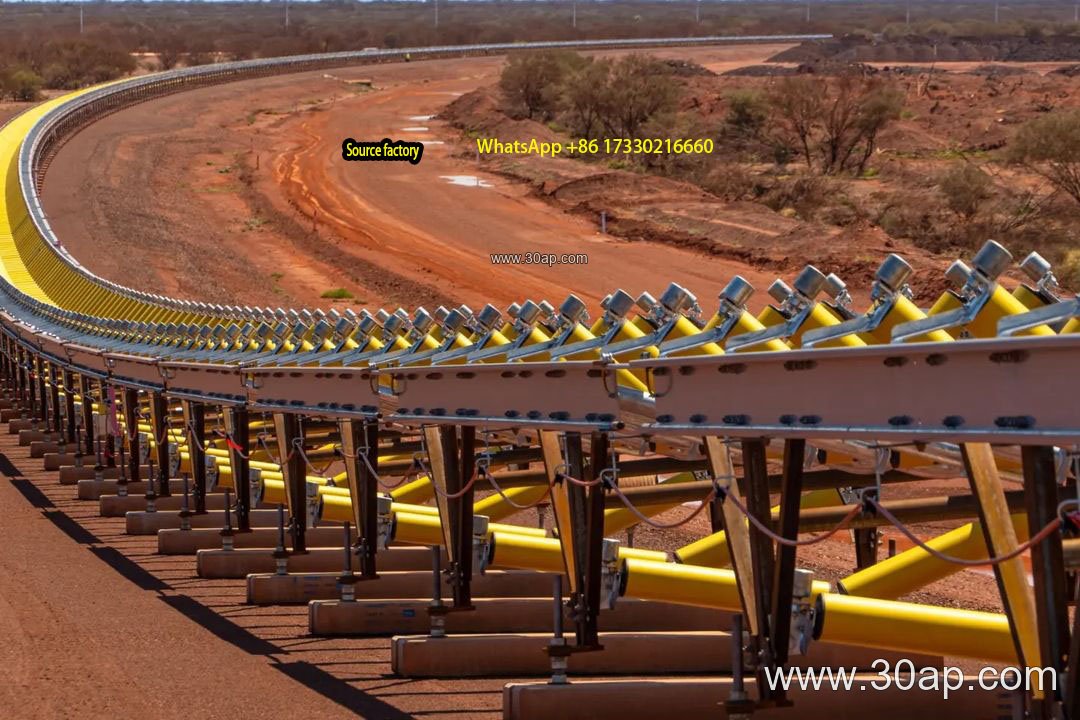
A conveyor bracket is the frame component that holds idler rollers in the correct position under and along the belt. It carries the roller shaft, sets the trough angle, and keeps the belt profile steady as material moves from the loading point to the discharge. In a quarry, a cement plant, or a power plant coal yard, the bracket is the quiet part of the structure, but it decides how well the belt tracks and how long the rollers last. A well-mounted conveyor bracket also spreads load into the stringer so the whole frame stays square.
How the Bracket Is Built
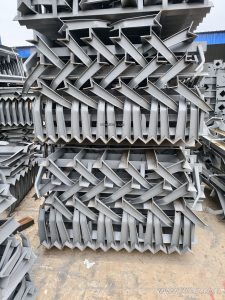
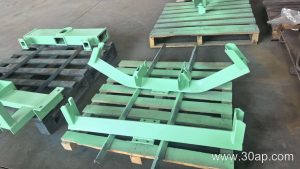
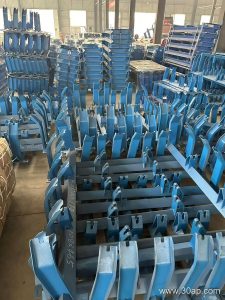
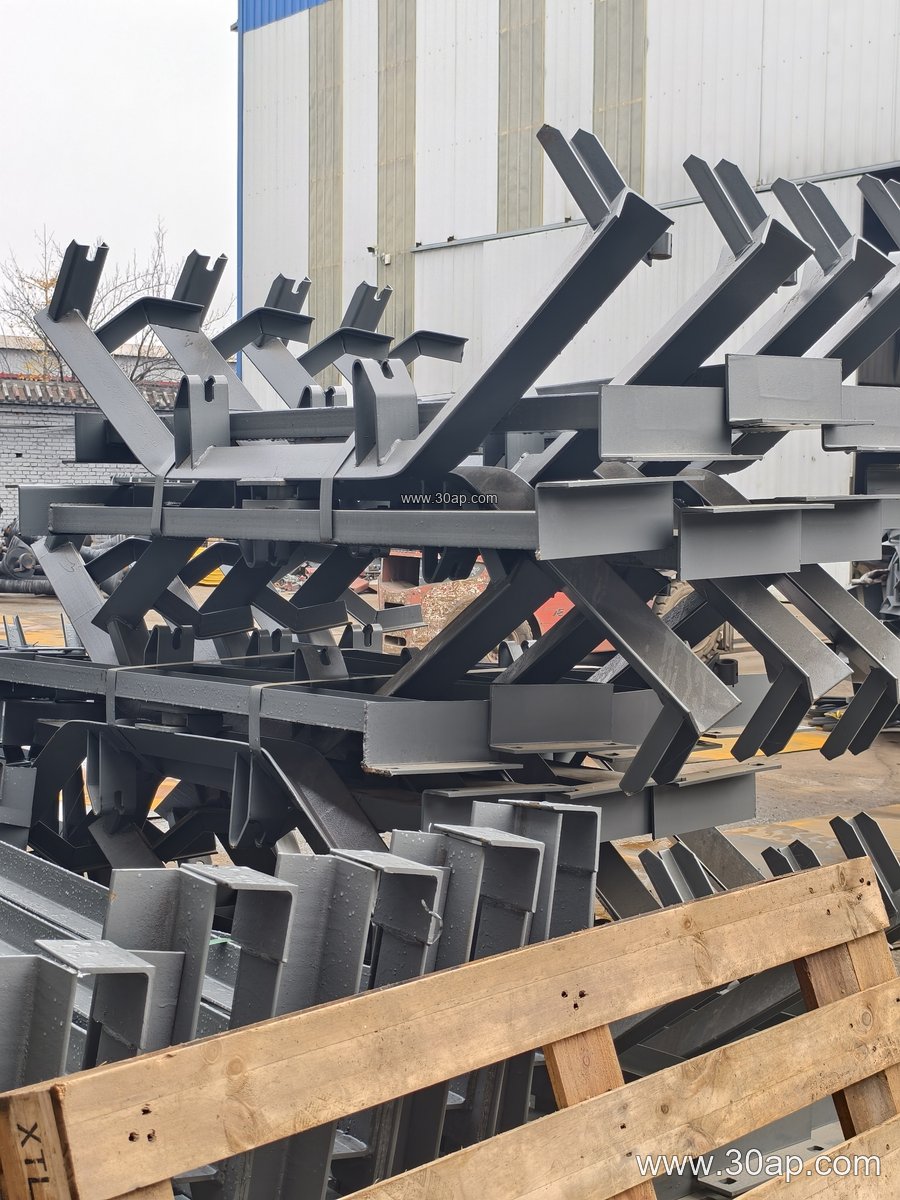
Most brackets are formed from angle steel, channel steel, or folded steel plate. The material is cut, punched, and welded into a shape that matches the roller arrangement. Slots or drilled holes allow the roller shaft to sit at the designed height, and the base bolts to the conveyor stringer. Surface treatment such as painting or galvanizing is common in outdoor installations, especially where dust and moisture are present.
Because the bracket works together with the roller and the belt, small errors in hole spacing show up as belt misalignment. Buyers should check that mounting hole distances and crossbeam length are confirmed against the actual belt width and trough angle, since these dimensions change with design.
Types and Where They Sit
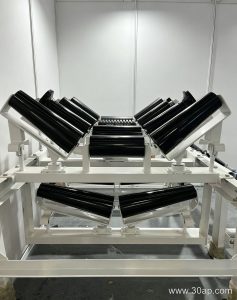
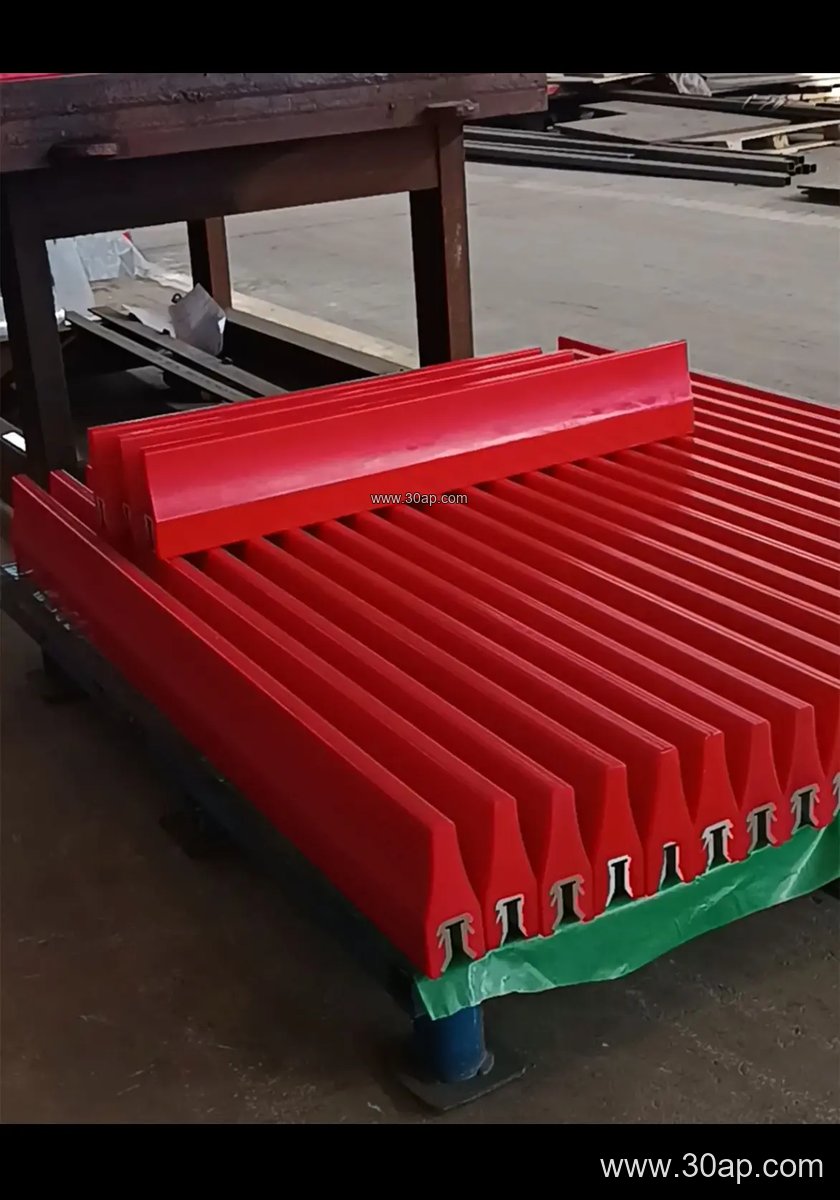
The carrying side usually uses a trough bracket, which may be fixed or adjustable. A transition bracket supports the belt where it changes from flat to troughed. The return side often uses a flat return bracket or a V-shaped return bracket that helps the belt center itself. Impact brackets are placed under the loading zone, while self-aligning and forward-leaning brackets help with tracking on long runs.
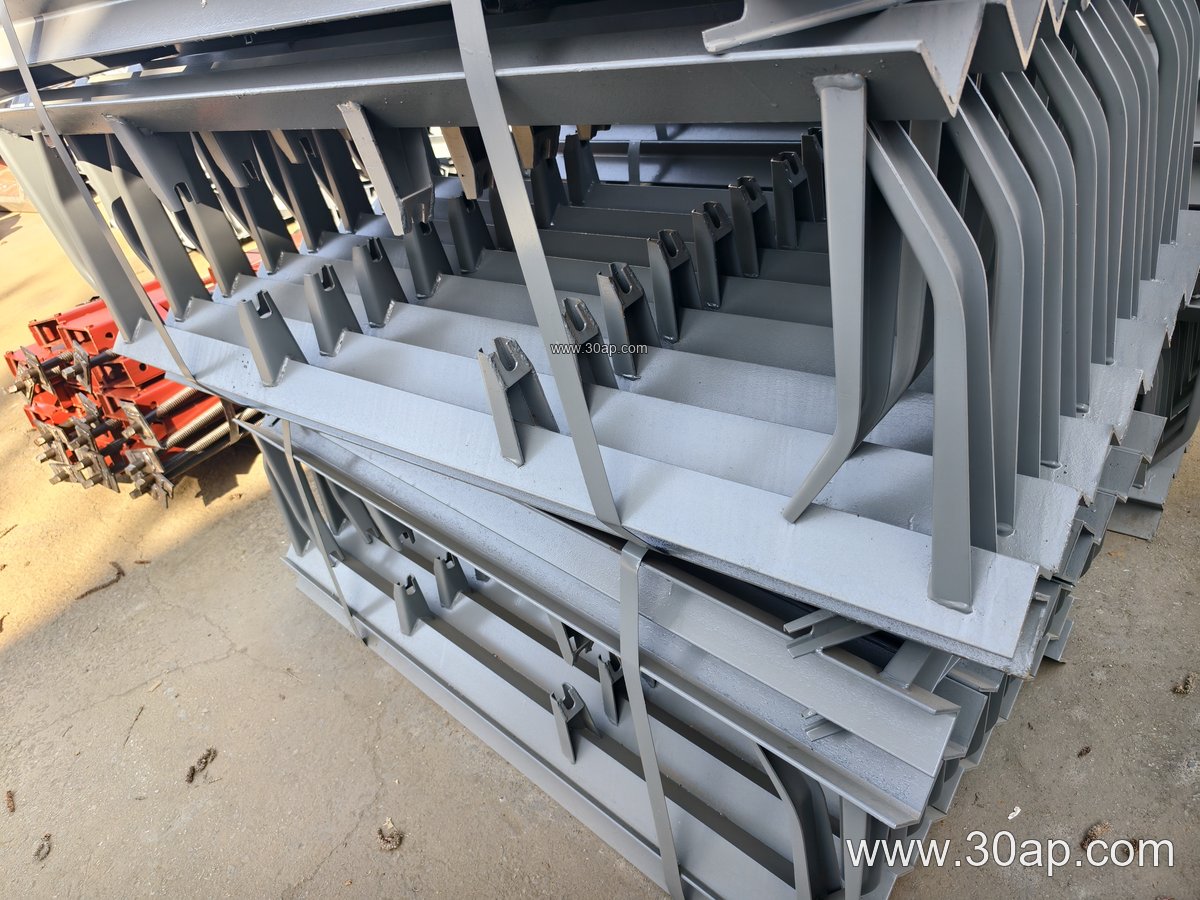
- Trough bracket: carries the upper belt in a trough shape
- Transition bracket: eases the belt into and out of the trough
- Return bracket: supports the empty belt on the way back
- Impact bracket: absorbs shock below the feed point
- Adjustable bracket: allows the trough angle to be set on site
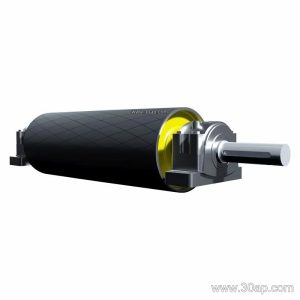
These are not interchangeable with drive, tail, or bend pulleys. A pulley turns and transmits power, while a bracket only holds rollers. Comparing the two is useful when planning a frame, but the bracket remains the support element.
Common Reference Sizes
The table below shows typical reference values for planning. They are not fixed pairings, and final dimensions follow the conveyor design.
| Item | Common Reference Values |
|---|---|
| Belt width | B500, B650, B800, B1000, B1200, B1400, B1600, B1800, B2000 |
| Trough angle | 20°, 30°, 35°, 45° |
| Roller diameter | Ø89, Ø108, Ø133, Ø159, Ø194 |
| Material | Angle steel, channel steel, folded plate |
For example, a B800 frame at 35° with Ø108 rollers is a common arrangement in aggregate duty, while a B1200 line at 45° with Ø133 rollers may suit a heavier bulk flow. These combinations are examples only. One belt width can work with more than one trough angle or roller diameter.
Matching the Bracket to Belt and Roller
On a Rubber Conveyor Belt carrying limestone or clinker, the bracket should hold rollers at a steady height so the belt does not sag between supports. In a coal preparation plant, a Flame Retardant Conveyor Belt is often used, and a square, well-aligned bracket helps the belt stay centered near the transfer points. On long overland runs with a Steel Cord Conveyor Belt, bracket spacing and roller alignment matter even more because the belt is stiff and less forgiving of frame errors.
Abrasive duty calls for attention to wear. In an iron ore or copper ore circuit, an Abrasion Resistant Conveyor Belt reduces surface wear, but the bracket must also keep the idler roller square so the belt edge is not rubbed. In a sand and gravel line, a Chevron Conveyor Belt or a Corrugated Sidewall Conveyor Belt may need extra clearance around the bracket, so check the profile before ordering.
Cold climates and outdoor yards bring another factor. A Cold Resistant Conveyor Belt stays flexible at low temperature, and brackets should be checked for snow buildup that can lift the roller out of its seat. In food or grain handling, a Food Grade Conveyor Belt may be used, and the bracket should be easy to clean and free of sharp edges.
Buyer Checklist
- Confirm belt width, trough angle, and roller diameter together, not in isolation
- State whether the bracket is fixed or adjustable
- Check hole spacing and crossbeam length against the frame drawing
- Match material and finish to the site, such as dusty, wet, or outdoor conditions
- Ask how the bracket aligns with the idler roller and the stringer
For more frame and belt planning details, see www.example.com/conveyor-bracket and www.example.com/bulk-material-conveyor-belt.
Installation and Maintenance Notes
Set brackets square to the belt centerline and tighten bolts to the frame design. After the first week of running, recheck alignment and bolt tightness, since vibration can shift a loose bracket. Replace bent or worn brackets promptly so the roller stays level. In a tunnel or underground mine, keep spare brackets on hand because a failed support can quickly damage the belt edge.
Used correctly, the conveyor bracket is a low-cost part that protects the belt, the roller, and the frame together.