What a Mining Conveyor Bracket Does on the Line
A mining conveyor bracket is the structural support that holds the idler roller in place and keeps the conveyor belt tracking along the intended path. In a quarry, a coal handling plant, or a stone crushing circuit, the bracket carries the load transferred from the belt through the rollers into the conveyor frame. It is a small component by weight, yet its geometry decides the trough profile and the stability of every meter of the conveyor.
Because the bracket is often the first part to show wear after a belt misalignment or an overload, buyers should treat it as a wear-critical item rather than a simple piece of steel. Ordering the correct style, angle, and mounting reference matters more than choosing the heaviest option available.
How the Bracket Is Built
Most brackets are fabricated from angle steel, channel steel, or bent steel plate. The fabrication route matters: a folded plate bracket tends to offer a clean profile and consistent hole placement, while a welded angle or channel bracket is easier to reinforce at high-load points. Common finishes are painted or galvanized, and the choice should follow the site conditions rather than a default.
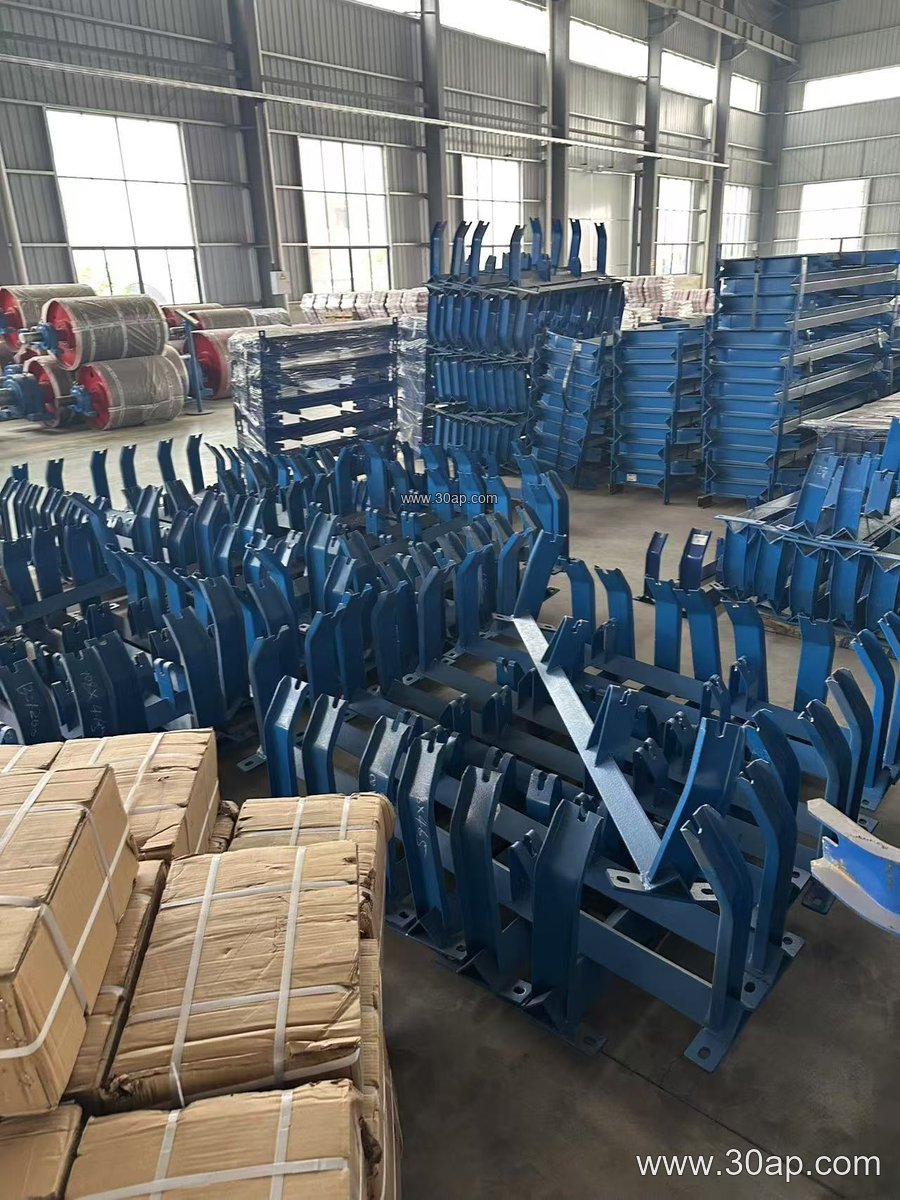
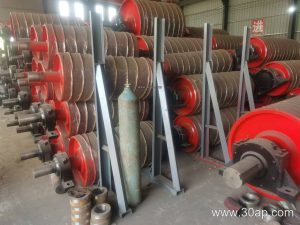
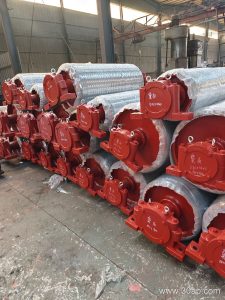
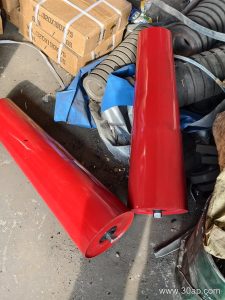
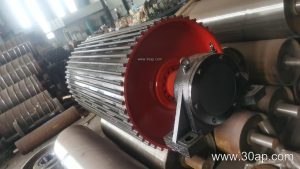
The bracket usually pairs with a matching idler roller and a conveyor pulley at the drive or tail end of the frame. A bracket that is out of square or has elongated holes will allow the roller to sit unevenly, which in turn wears the conveyor belt edge and shortens roller life.
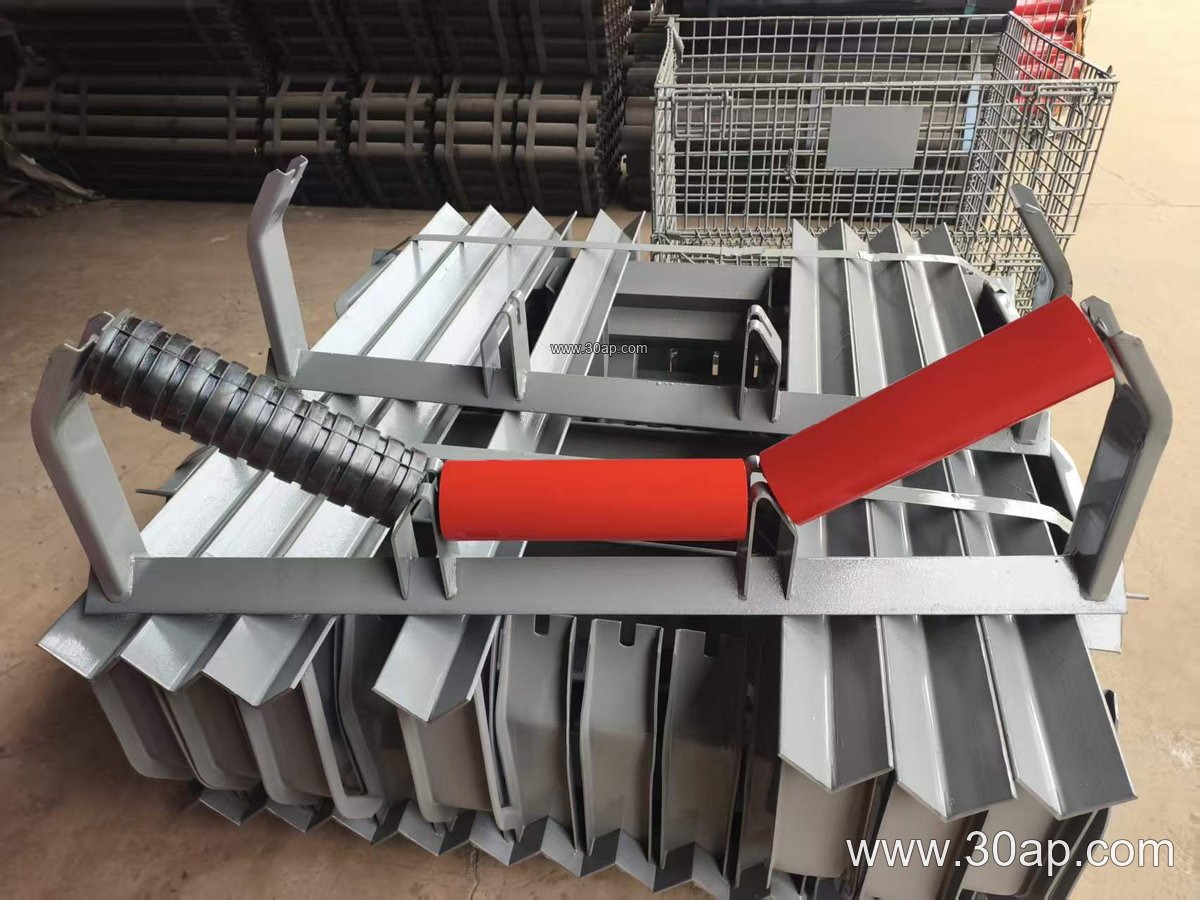
Common Bracket Styles and Their Place
Troughing brackets, transition brackets, return brackets, and self-aligning brackets are not interchangeable. Each has a specific job, and mixing them causes tracking problems.
- Troughing bracket — supports the carrying side rollers and sets the trough angle.
- Transition bracket — softens the change from the flat pulley area to the full trough profile.
- Return bracket — holds the return-side roller, including the V-type return arrangement.
- Self-aligning bracket — allows small corrective movement to reduce belt wander.
- Impact bracket — used below loading points where material drop energy is high.
- Adjustable bracket — lets the trough angle be changed within a range during commissioning.
Fixed and adjustable versions differ in setup philosophy rather than in basic function. A fixed bracket locks the profile once the design is confirmed, while an adjustable bracket helps when the belt is new and still settling.
Matching Bandwidth, Trough Angle, and Roller Diameter
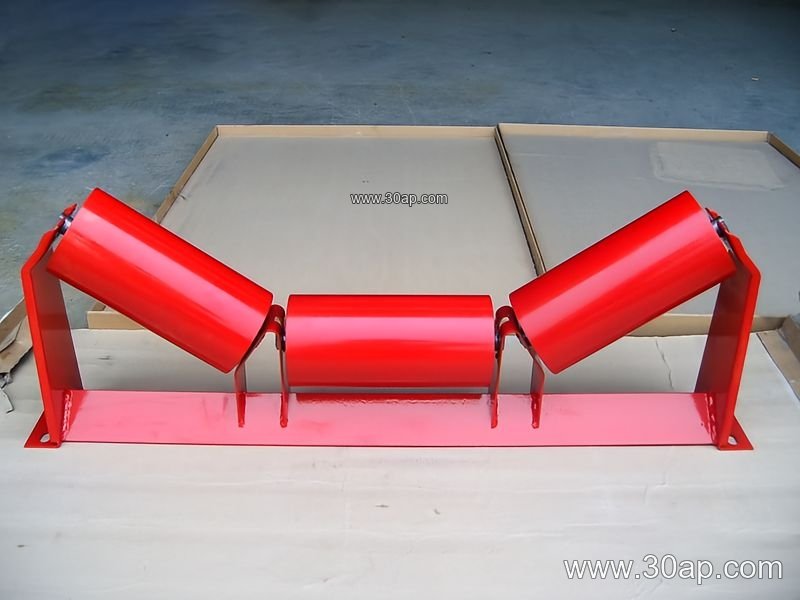
Bracket selection starts with the belt width and the required trough angle. These two values, together with the roller diameter, determine the crossbeam length and the mounting hole spacing. Those dimensions should be confirmed against the actual frame drawing rather than assumed.
| Reference Item | Typical Range | Notes |
|---|---|---|
| Belt width | B500 to B2200 | Common examples include B800, B1000, B1200, B1400, B1600, and B1800 |
| Trough angle | 20°, 30°, 35°, 45° | Adjustable brackets can move between these angles |
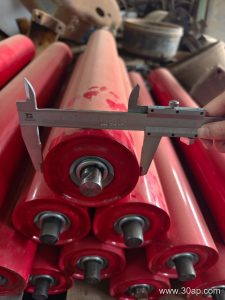
| Roller diameter | Ø89, Ø108, Ø133, Ø159, Ø194 | Selected by load and belt speed, not by width alone |
| Forward tilt | About 1.5° to 2° | Used on forward-leaning bracket designs |
A combination such as B800 with a 35° trough and Ø108 rollers is common in aggregate lines, while B1200 with 45° and Ø133 suits heavier ore duty. These are examples, not fixed rules. A single belt width can be paired with more than one angle or roller size depending on the duty.
Where These Brackets Are Used
In a limestone quarry or a crushing and screening line, brackets support the carrying side through the transfer points and along the main incline. In a coal preparation plant, flame retardant and anti-static belt grades are often specified, and the bracket must suit the same dusty, damp environment. In a cement plant or a power plant coal yard, brackets on long overland conveyors need to stay aligned through temperature swings.
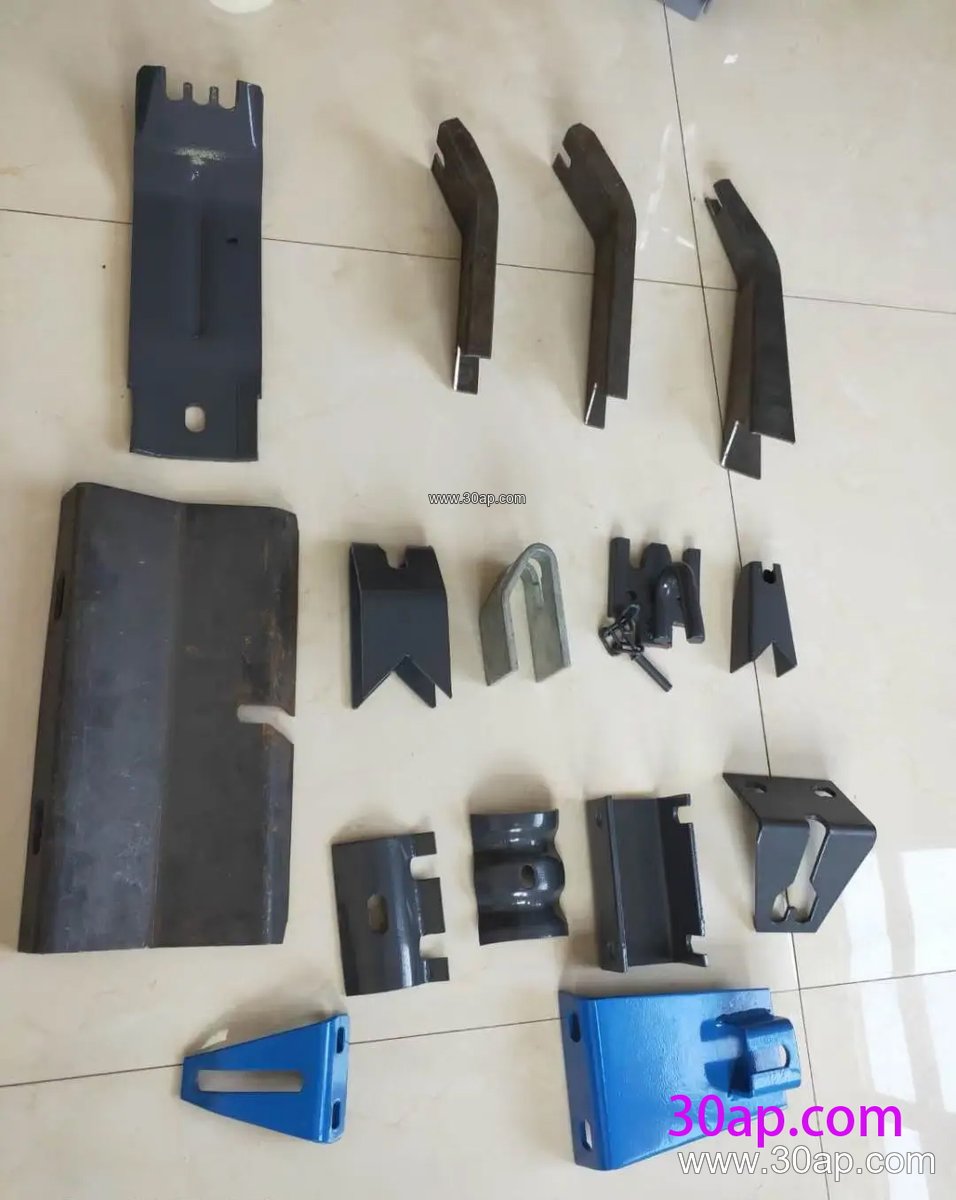
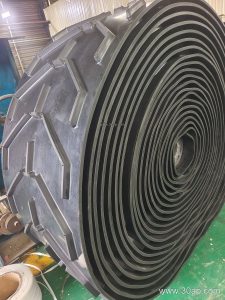
For heavy-duty mining conveyor belt duty, brackets are frequently combined with abrasion resistant conveyor belt covers and robust idler roller sets. Where the belt is a steel cord conveyor belt or a multi-ply fabric core design, the bracket still performs the same support role, but the frame stiffness and roller spacing deserve closer review.
What Buyers Should Confirm Before Ordering
First, confirm the belt width and the required trough angle. Second, confirm the roller diameter and the mounting hole pattern. Third, confirm the bracket material and finish for the site. Fourth, confirm whether a fixed or adjustable design is preferred. Finally, check that the bracket style matches its position on the conveyor, since a return bracket cannot replace a troughing bracket.
Inspect delivered brackets for squareness, hole alignment, and weld quality. A small deviation at the bracket becomes a large tracking error over a long conveyor run.
Maintenance Notes
Check bracket bolts during routine inspections, especially after the first weeks of operation. Look for bent crossbeams, worn mounting holes, and corrosion at the base. Replace damaged brackets rather than forcing alignment through the idler roller. Keeping the brackets true helps the conveyor belt, the pulley, and the frame work together for longer service.