What a Heavy-Duty Conveyor Belt Is
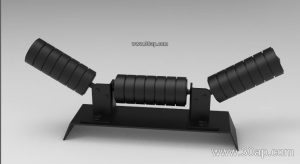
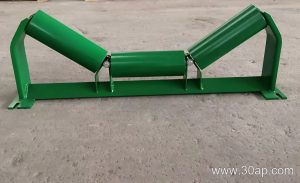
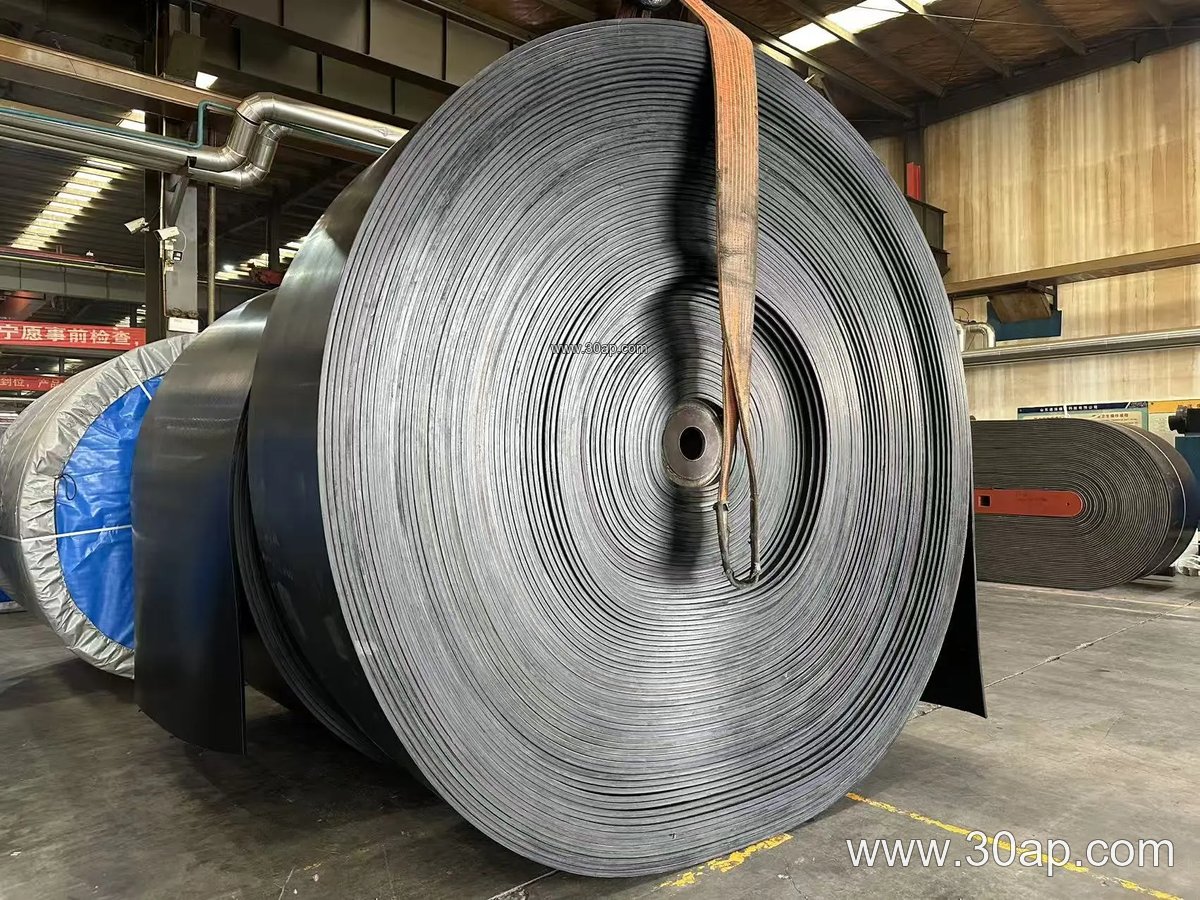
A heavy-duty conveyor belt is the load-carrying component designed for continuous service in demanding bulk material handling. It is not defined by a single construction; the term describes a class of belts engineered with thicker covers, stronger carcasses, and reinforced edges to resist cutting, impact, abrasion, and high tension. In quarry, mining, cement, and power plant circuits, this belt often runs alongside conveyor pulleys and idler rollers that must match its physical and mechanical profile. Buyers frequently encounter related names such as heavy-duty mining conveyor belt, high abrasion resistant conveyor belt, or high strength conveyor belt, all pointing to the same duty class rather than a separate product family.
Construction and Material Options
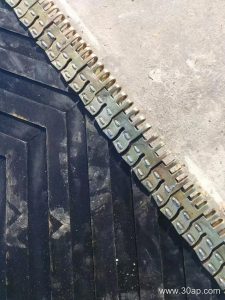
The carcass provides tensile strength and troughability. Common constructions include multi-ply fabric core, EP conveyor belt, NN conveyor belt, and steel cord conveyor belt. Fabric-core belts use plies of EP or nylon fabric; steel cord belts use parallel brass-plated wires for very high tension and long runs. Cover compounds are selected for the environment: abrasion resistant, heat resistant, oil resistant, flame retardant, fire resistant, anti-static, cold resistant, and acid or chemical resistant grades are available. Edge construction and skim layers between plies influence resistance to water ingress and ply separation.
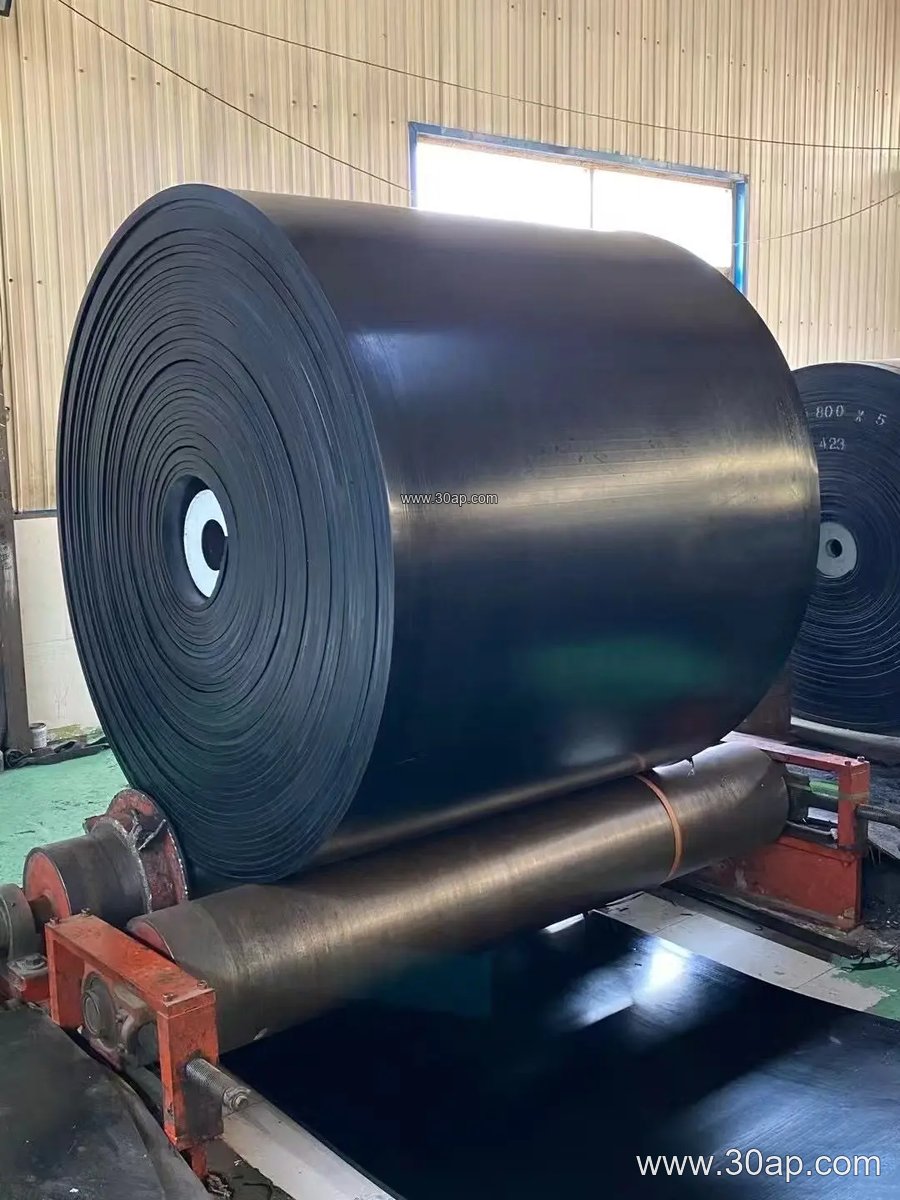
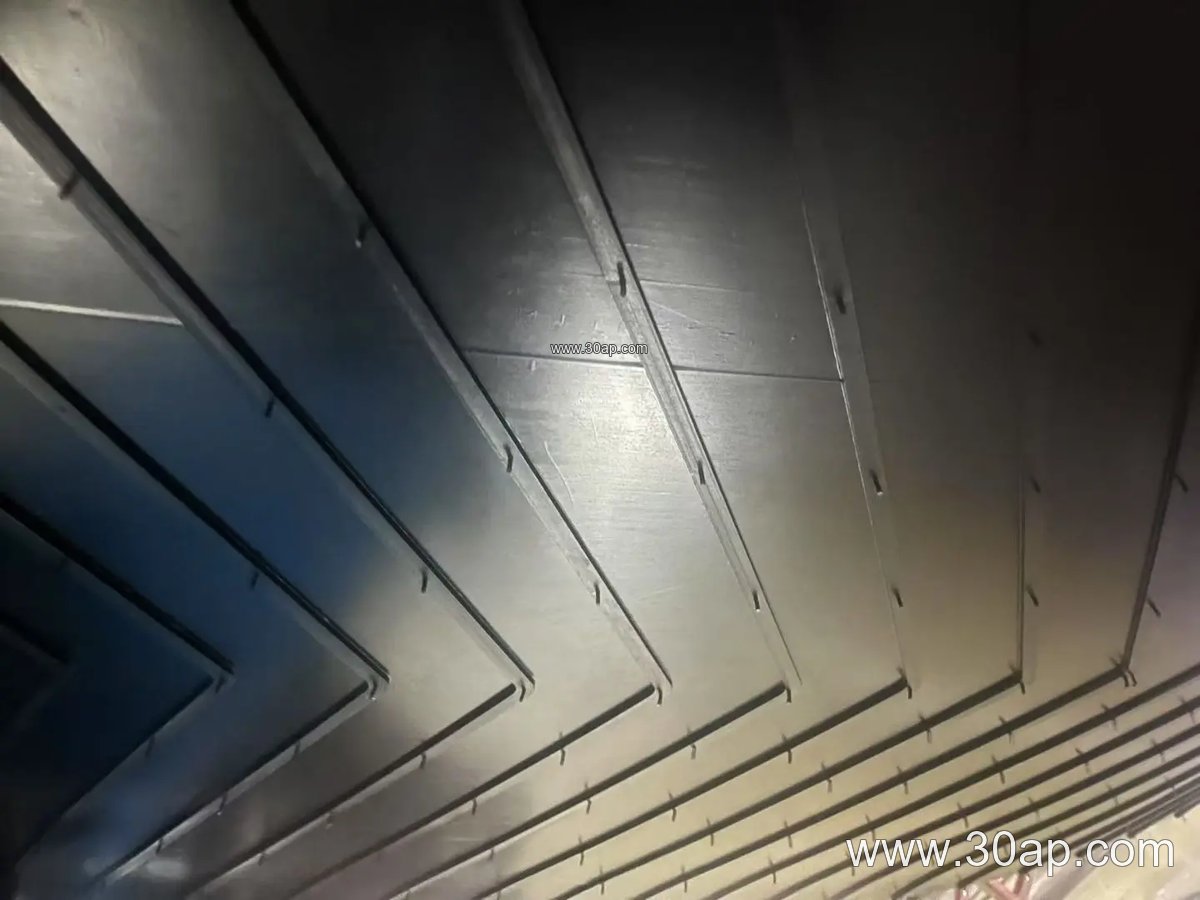
Typical cover thickness combinations are expressed as top cover plus bottom cover, for example 4+2 mm, 5+2 mm, 6+2 mm, or 8+3 mm. Carcass ply counts commonly range from 2 to 6 layers in fabric-core designs. These figures are reference values; final construction is determined by the conveyor design, material lump size, and operating tension.
Reference Data for Belt Selection
| Parameter | Common Reference Values |
|---|---|
| Fabric core grade | EP200, EP315, EP400, EP500, EP630, EP800, EP1000, EP1250, EP1600, EP2000 |
| Steel cord grade | ST1000, ST1250, ST1600, ST2000, ST2500, ST3150 |
| Belt width | B500, B650, B800, B1000, B1200, B1400, B1600, B1800, B2000 |
| Cover thickness | 3+1.5 mm, 4+2 mm, 5+2 mm, 6+2 mm, 8+3 mm |
| Carcass plies | 2 to 6 layers (fabric core) |
Belt width and pulley diameter are matched through conveyor design calculations, not by a fixed rule. A 1200mm wide belt may run on different pulley sizes depending on tension and trough angle.
Where It Works
Heavy-duty belts move crushed rock, ore, coal, clinker, sand, and aggregate in mines, cement plants, steel plants, power plants, ports, and recycling facilities. In underground coal mining, flame retardant and anti-static properties are often specified. Crusher discharge points demand impact resistant belts with reinforced breaker layers. Long overland lines may use steel cord construction, while mobile crushing and screening plants often favor fabric-core belts for flexibility. Chevron and corrugated sidewall belts are separate subtypes used for inclined or space-limited routes; they are not substitutes when a flat heavy-duty belt is required by the conveyor design.
Buyer Checklist
- Confirm the actual duty class and tensile grade required by the conveyor calculation.
- Match cover compound to the dominant wear mechanism: abrasion, heat, oil, or flame.
- Check belt width against the existing conveyor frame, idler roller arrangement, and pulley face width.
- Review cover thickness and ply count against lump size and impact energy at transfer points.
- Verify edge condition and splice method suitable for the selected carcass.
- Confirm that the belt can be inspected and maintained with the available conveyor bracket and pulley access.
For quarry and aggregate operations, an abrasion resistant conveyor belt with a robust EP carcass is a frequent starting point. For very high tension or long center distances, steel cord conveyor belt construction may be more appropriate. The final choice should follow the conveyor designer’s tension and troughing calculations rather than a single catalog number.