What Makes an Extra-Wide Conveyor Belt
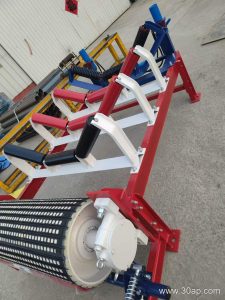
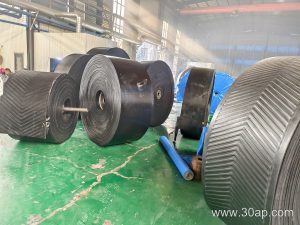
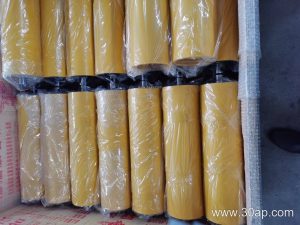
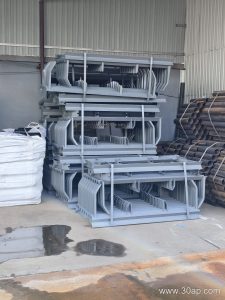
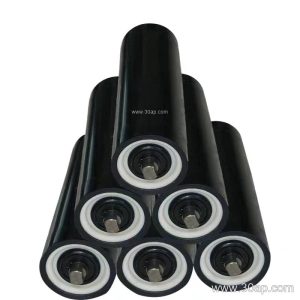
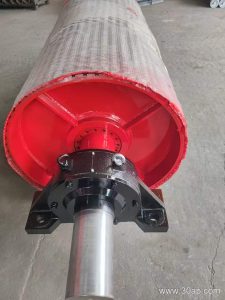
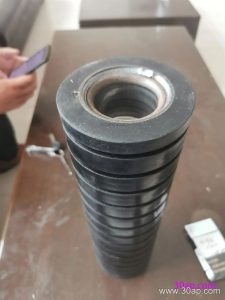
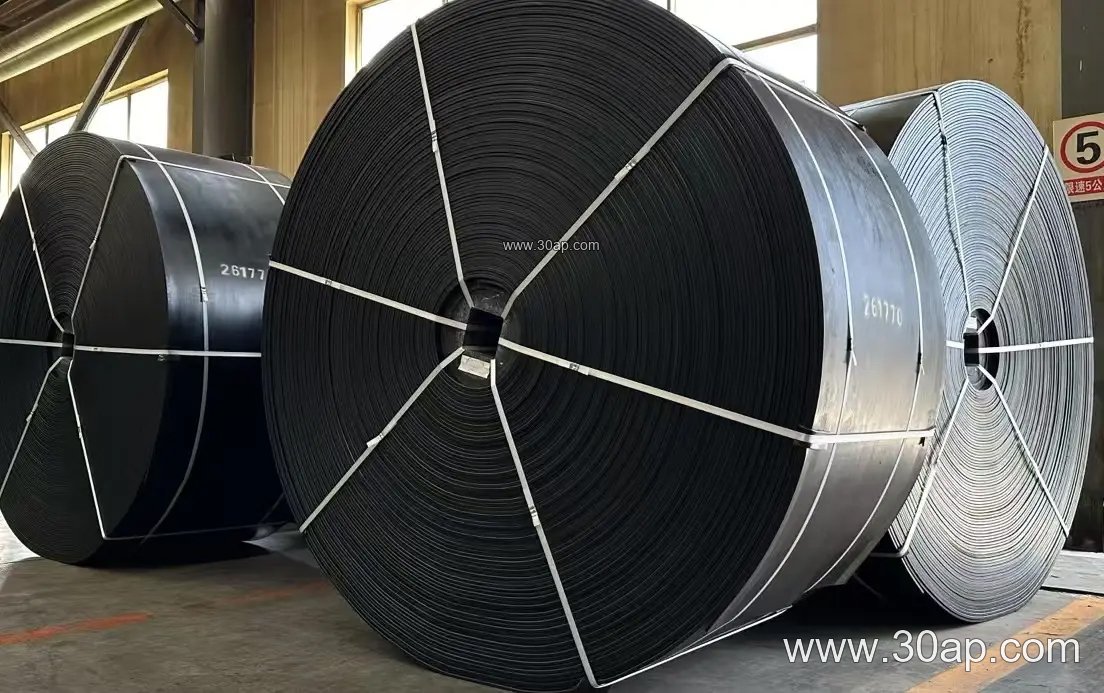
An extra-wide conveyor belt is a heavy-duty conveying product built with a belt width beyond standard ranges, typically from 1800 mm up to 2400 mm or more depending on the application. In bulk material handling, wide belts are used where high tonnage and stable tracking are required. These belts are often supplied as an EP conveyor belt or steel cord conveyor belt to handle the tension and load. You can find related conveyor components such as idler roller, conveyor pulley, and conveyor bracket on our site to complete the system.
Construction and Common Configurations
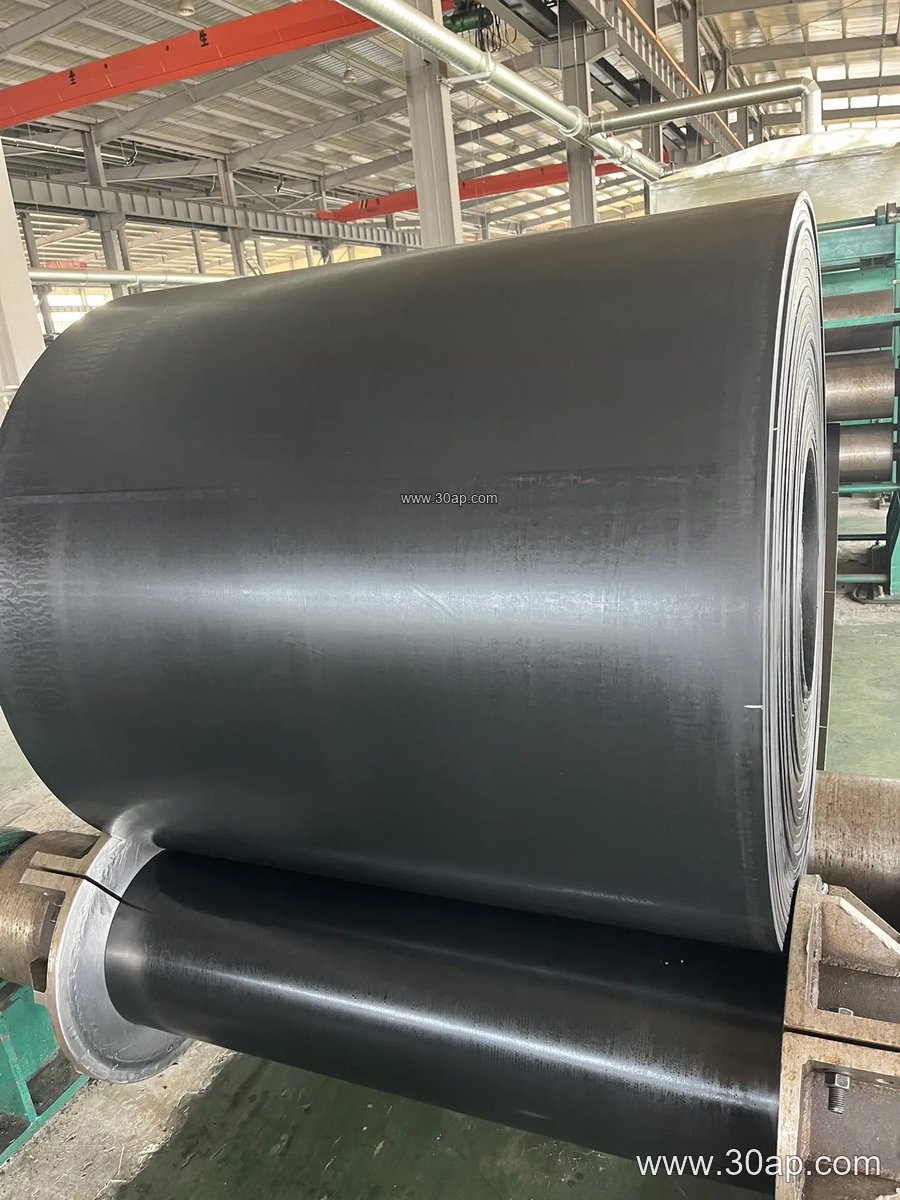
The extra-wide conveyor belt usually combines a strong fabric core or steel cord carcass with thick rubber covers. For example, an EP conveyor belt with EP1000 or EP1250 tension rating may be built in 3 to 6 plies for widths up to 2000 mm. Steel cord options like ST1600 or ST2000 are chosen for very long centers. Cover thickness often follows profiles such as 6+2 mm, 8+3 mm, or 10+4 mm. The table below shows representative reference sizes; actual dimensions are determined by design and manufacturer.
| Belt Type | Common Width (mm) | Strength Range | Cover Thickness (mm) |
|---|---|---|---|
| EP conveyor belt | 1800, 2000, 2200 | EP630 to EP2000 | 6+2, 8+3 |
| Steel cord conveyor belt | 2000, 2200, 2400 | ST1250 to ST3150 | 8+3, 10+4 |
| NN conveyor belt | 1800, 2000 | NN200 to NN400 | 5+2, 6+2 |
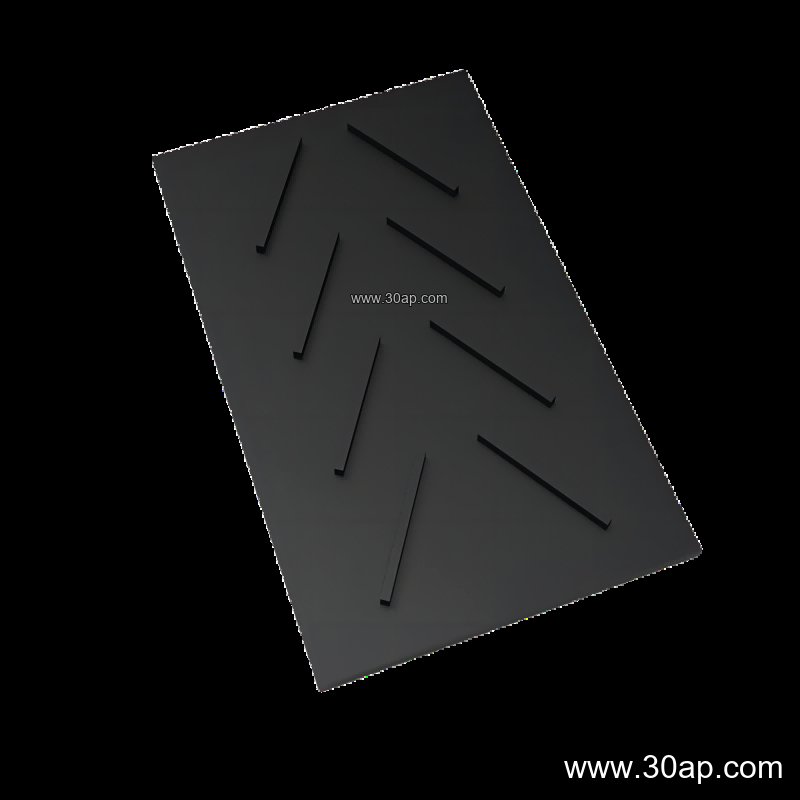
Surface options include abrasion resistant conveyor belt, heat resistant conveyor belt, flame retardant conveyor belt, and oil resistant conveyor belt to suit different industries. A chevron conveyor belt or corrugated sidewall conveyor belt can be produced in extra-wide formats for inclined transport, but these are separate subtypes and not interchangeable with a flat wide belt.
Where Extra-Wide Belts Are Used
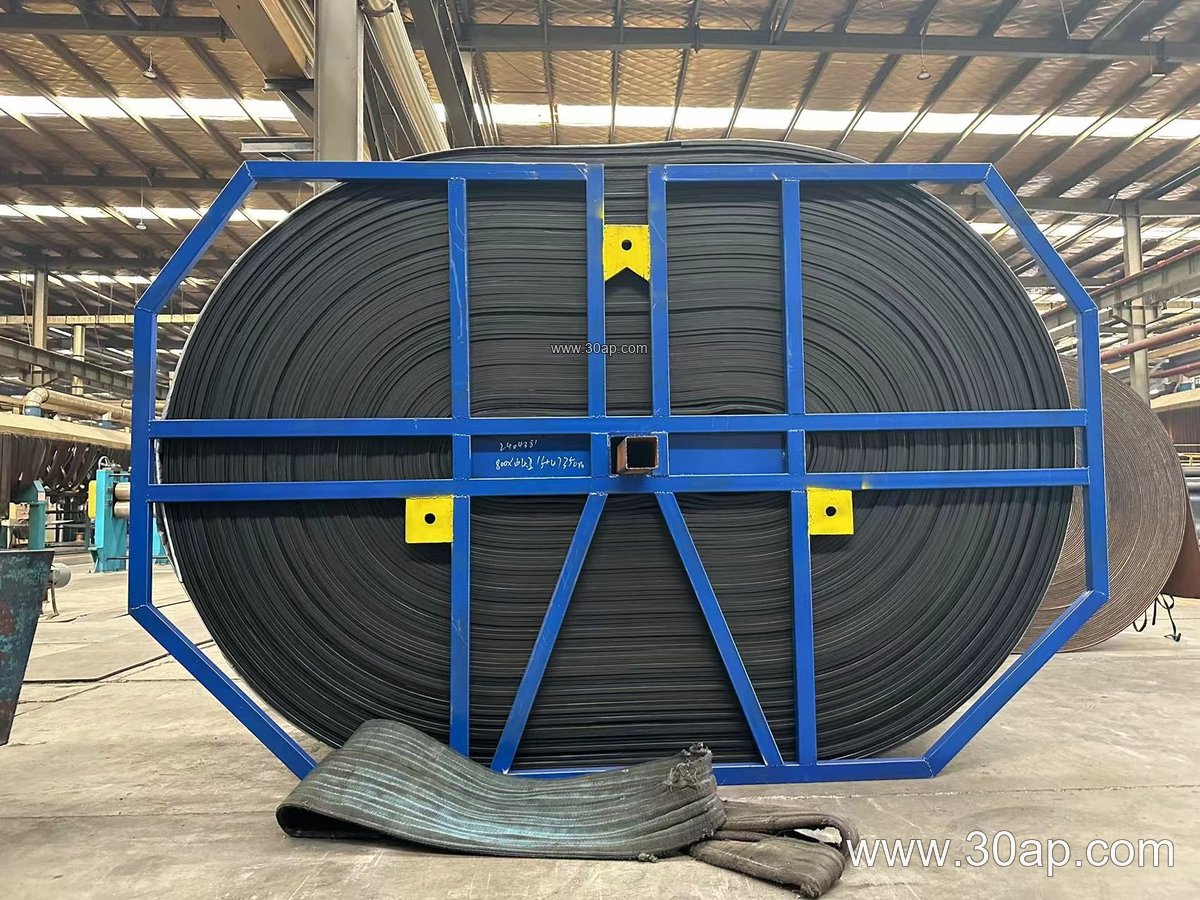
Mining operations, coal preparation plants, cement kilns, power stations, and large quarries rely on extra-wide conveyor belts to move high volumes with fewer transfer points. In a coal mining conveyor belt system, a flame retardant conveyor belt and anti-static conveyor belt are often specified. For iron ore or copper ore, a high abrasion resistant conveyor belt with thick covers reduces wear. Ports and ship loading terminals use wide belts to match high-capacity shiploaders. Aggregate and crusher conveyor belts also benefit from extra width when handling mixed rock. Our domain features conveyor belt, idler roller, and conveyor pulley selections for these demanding environments.
Selection and Maintenance Notes
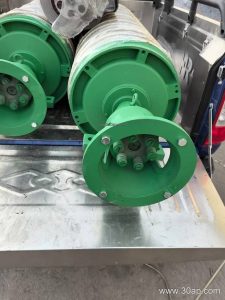
Buyers should match belt width to the conveyor structure, not assume that one width fits every pulley. A 2000 mm wide belt may run on a drive pulley with a specific face width, while a 2400 mm belt needs a correspondingly wider pulley and frame. The tail pulley and bend pulley also require proper alignment. Idler roller spacing and conveyor bracket strength must be checked for the extra load. Consider the following when specifying:
- Confirm the required tension rating, such as EP1000 or ST2000, based on center distance and capacity.
- Select cover grade for the environment: heat resistant for cement, oil resistant for recycling, cold resistant for winter operations.
- Verify pulley face width and shaft diameter with the conveyor designer; do not derive shaft size from belt width alone.
- Plan splicing method: endless conveyor belt or mechanical splice, with adequate take-up travel.
Regular inspection of belt edges, splice condition, and pulley lagging helps prevent tracking problems. For extra-wide belts, edge damage can propagate quickly, so skirt rubber and training idlers should be maintained. Our site offers reference information on conveyor belt, conveyor pulley, and idler roller to support your selection.
Buyer Checklist
Before ordering an extra-wide conveyor belt, gather the following: belt width (e.g., 1800 mm, 2000 mm, 2200 mm, 2400 mm), carcass type (EP, NN, steel cord), strength grade, cover thickness and grade, and any special properties such as flame retardant or anti-static. Confirm the drive pulley, tail pulley, and bend pulley dimensions with the conveyor manufacturer. Remember that an extra-wide belt is not a substitute for a different subtype; for steep inclines, a chevron conveyor belt or corrugated sidewall conveyor belt may be more appropriate. Use the data as a starting point and finalize specifications with your supplier.