What Is an Energy-Harvesting Belt Tracking System?
An energy-harvesting belt tracking system is a self-powered alignment device that converts the kinetic energy of a moving conveyor belt into electrical power to operate its own sensors, controller, and actuator. Unlike conventional tracking idlers that rely on external wiring or manual adjustment, this system continuously monitors belt position and makes real-time corrections without drawing from the plant’s electrical grid. The technology is gaining attention in mining, coal preparation, cement, power generation, and aggregate operations where conveyor reliability directly affects throughput.
How the System Is Built
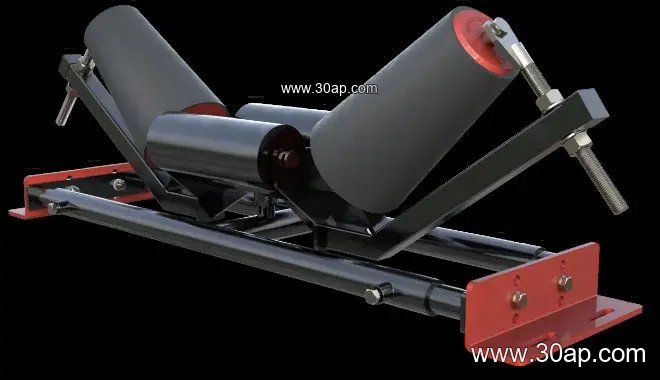
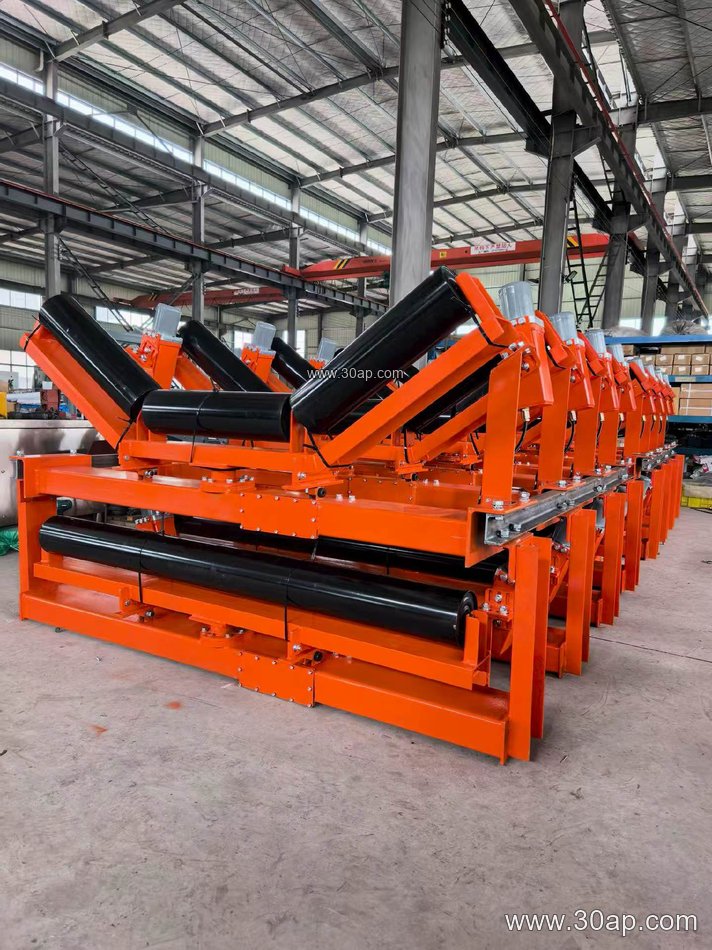
The core components include an energy harvester, a belt-edge detection sensor, a control unit, and an actuating mechanism. The harvester typically uses a roller or wheel in contact with the belt or a moving idler roller to drive a small generator. The sensor may be optical, mechanical, or magnetic, mounted near the conveyor pulley or along the carrying side. The controller processes signals and commands a steering actuator that adjusts a tracking idler or a bend pulley slightly to guide the belt back to center. All parts are housed in rugged enclosures suitable for dusty and vibrating environments.
Key Subsystems at a Glance
- Energy harvester – converts belt motion to electricity, often via a friction wheel or a generator integrated with an idler roller.
- Belt tracking sensor – detects edge position or misalignment, sending feedback to the controller.
- Controller – logic unit that decides corrective action, sometimes with PLC interface.
- Actuator – hydraulic, electric, or mechanical device that moves a tracking component.
Where It Is Used
These systems are particularly valuable in remote or hard-to-wire locations such as underground coal mining conveyor belts, quarry conveyor belts, and power plant coal handling systems. They suit both carrying and return sides, and can be applied on troughing or flat belts. In cement plants, where dust and heat are present, the self-powered design reduces cabling maintenance. In iron ore and copper ore operations, the system helps maintain alignment on long overland conveyors. The same principle applies to any bulk material conveyor belt where belt wander causes edge damage or spillage.
Benefits and Limitations
The primary advantage is independence from external power, which simplifies installation and lowers wiring costs. Because the system reacts continuously, it can reduce belt edge wear and prevent costly downtime. However, energy harvesting depends on belt speed and contact conditions; very slow or intermittent conveyors may not generate enough power. Also, the system is not a substitute for proper conveyor alignment, pulley maintenance, or correct loading. It works best when the root causes of mistracking—such as off-center loading or seized idlers—are addressed. Buyers should verify that the harvester’s contact wheel does not accelerate belt wear and that the actuator force matches the conveyor’s size and load.
Buyer Checklist
When specifying an energy-harvesting belt tracking system, gather details on belt width (e.g., 800 mm, 1000 mm, 1200 mm), belt speed, operating direction, and whether the application is on the carrying or return side. Confirm the conveyor belt type—such as EP conveyor belt, steel cord conveyor belt, or flame retardant conveyor belt—because surface texture and stiffness affect harvester contact. Check the available space around the conveyor pulley and bracket. Ask for the actuator’s correction range and the sensor’s detection method. Also consider environmental factors: temperature, dust, water, and vibration. For hazardous areas, ensure the electrical components meet the required protection class. A reputable supplier will request a site drawing and conveyor specifications before recommending a model.
Maintenance and Installation Notes
Installation should follow the manufacturer’s manual, with the sensor mounted perpendicular to belt travel and the harvester wheel set at the correct contact pressure. Regular inspection should include cleaning the sensor lens, checking the harvester wheel for wear, and verifying actuator response. Always lock out and tag out the conveyor before any adjustment or maintenance. Keep a log of tracking performance to identify recurring mistracking patterns. When used alongside a conveyor belt misalignment switch (输送带纠偏器), the energy-harvesting system adds active correction rather than just alarm. Remember that drive, tail, and bend pulleys each have distinct roles; do not interchange their tracking devices without engineering review.
For more information on compatible conveyor components such as conveyor idler rollers, conveyor pulleys, and conveyor brackets, or to discuss your specific belt tracking challenge, please contact our engineering team with your conveyor specifications.