What a Heavy-Load Bearing Idler Does
A heavy-load bearing idler is a conveyor roller built around bearings and a shaft sized to carry high belt tension and material weight without premature wear. In a typical bulk handling line, these idlers support the loaded strand of the conveyor belt and keep it tracking smoothly between the head and tail pulleys. While a conveyor pulley drives or redirects the belt, the idler roller rotates freely under the belt, and the heavy-load bearing idler is the version selected when ordinary duty rollers would fatigue too quickly.
The term describes the bearing and load class of the idler, not a single fixed size or shell style. You will find it used as a carrying idler on the top run, as a return idler underneath, and in transition or impact positions where the belt receives material from a crusher or chute.
Construction Details That Matter
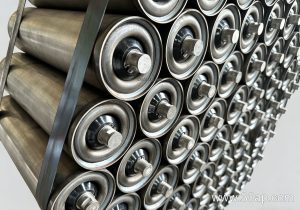
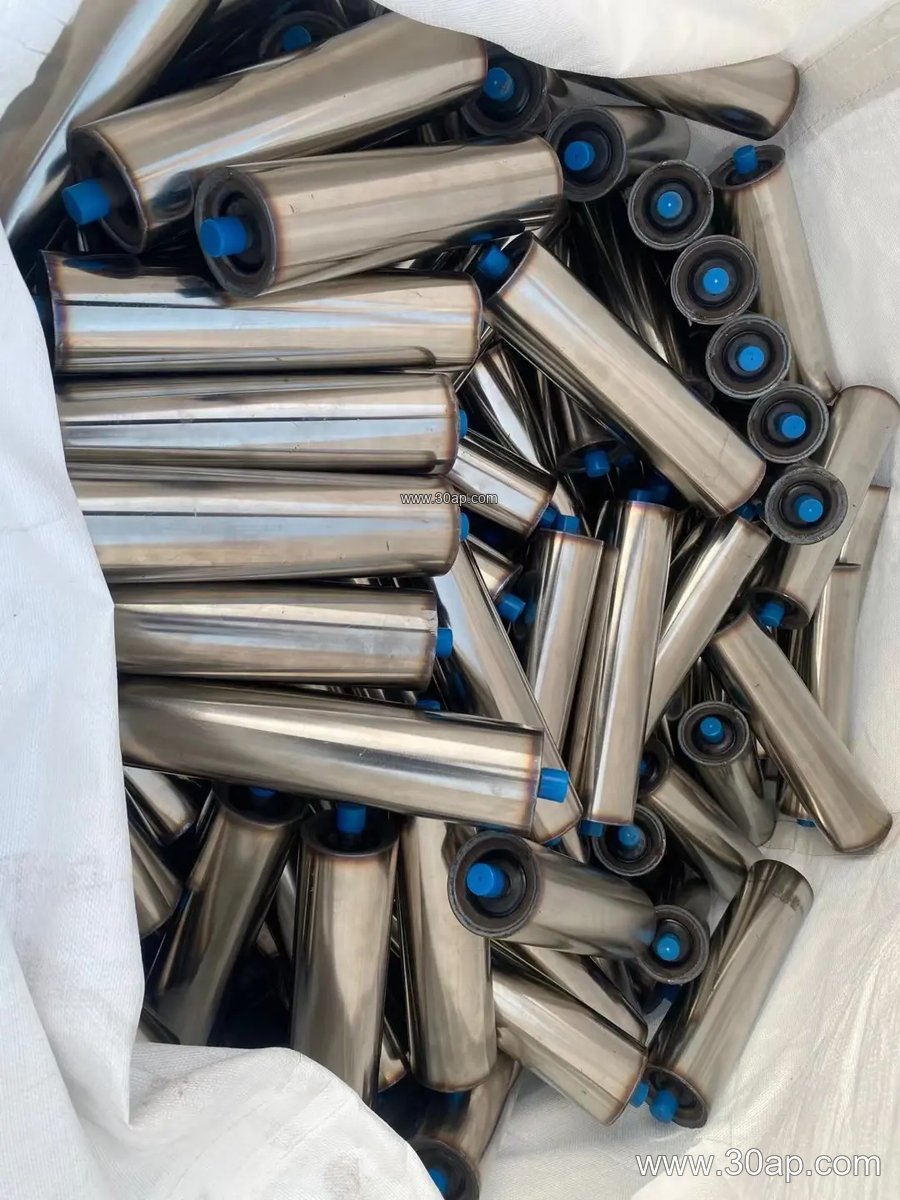
Shell, shaft, bearing housing and seal form the working core. Heavy-load bearing idlers usually use a thicker steel tube, a machined bearing seat, and a bearing series chosen for radial load rather than speed. Common bearing references include 6205, 6305, 6306, 6308 and 6310, but the correct match depends on shaft diameter and calculated load, not on belt width alone.
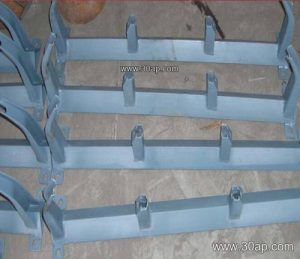
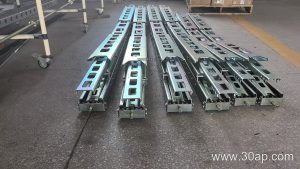
Sealing is equally important. Dust, fines and water ingress shorten bearing life faster than load does. Labyrinth seals, contact seals and grease retention features are typical. The roller surface may be plain steel, nylon, ceramic or rubber rings; rubber rings are often used on impact idlers at transfer points. A conveyor bracket holds the idler assembly in place, and bracket spacing follows the conveyor design.
Where These Idlers Are Applied
Heavy-load bearing idlers appear in quarry and aggregate lines moving crushed rock, in iron ore and copper ore handling, in coal mining conveyors, in cement plant raw material transport and in power plant coal feeding. They also suit port bulk terminals and steel plant sinter lines where tonnage is high and stoppages are costly.
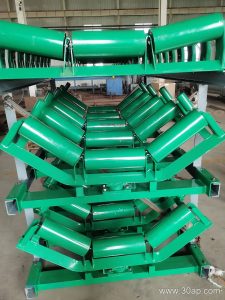
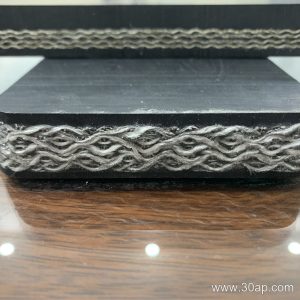
On a long overland conveyor, a heavy-duty mining conveyor belt such as an EP conveyor belt or steel cord conveyor belt may run on three-roll troughing sets with 35 or 45 degree trough angles. The same idler class can serve return positions under a thick conveyor belt, where fines and spillage are common. The belt itself may be an abrasion resistant conveyor belt, a flame retardant conveyor belt or a heat resistant conveyor belt, and the idler selection should respect the belt’s operating environment.
Matching Idler Diameter, Belt Width and Trough Angle
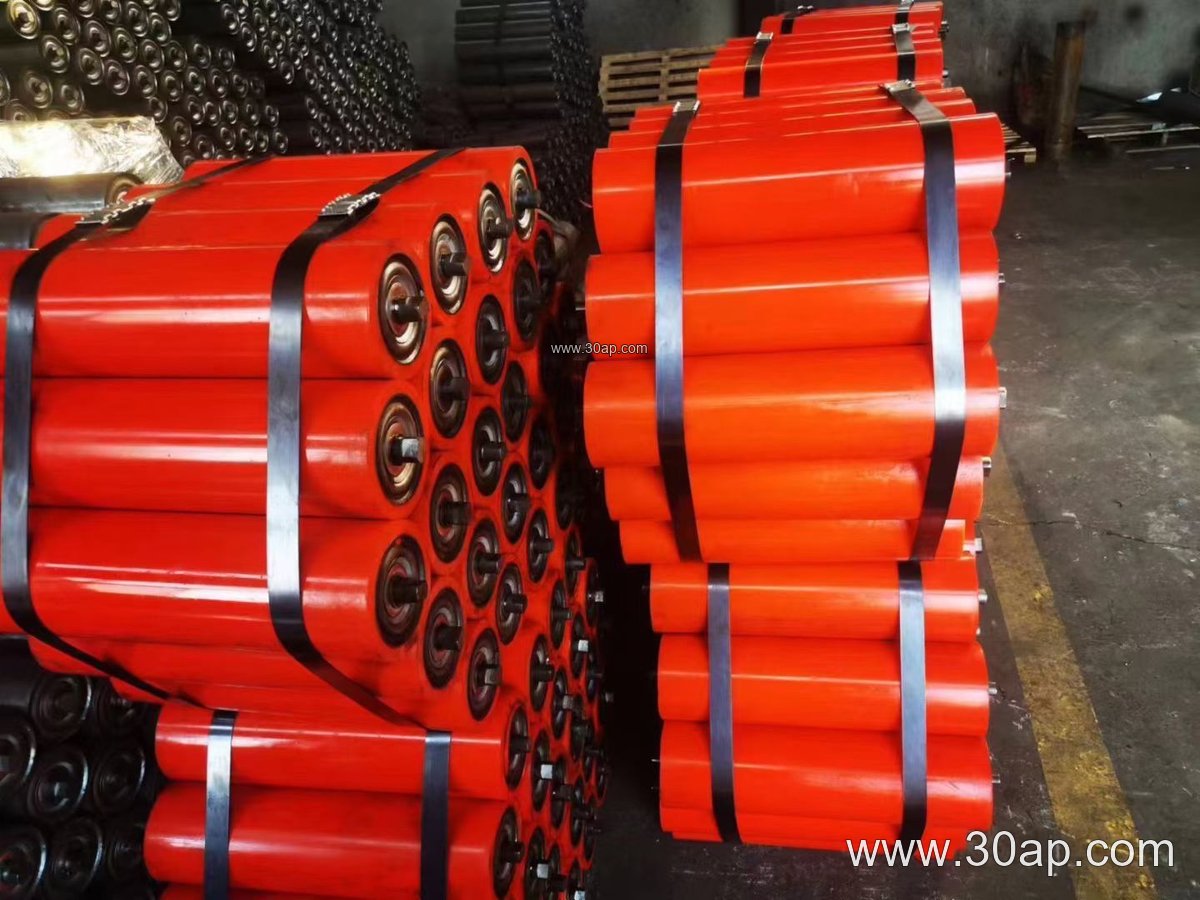
Roller diameter and length are design choices. Common roller diameters include 89, 108, 133, 159 and 178 mm, and belt widths range from B500 to B2000 in many plants. Longer idler rolls are normal on wider belts, but side rolls and center rolls can differ within the same troughing set. Trough angles of 20, 30, 35 and 45 degrees change the material cross-section and the load seen by each roll.
- Check the calculated load per idler, not just belt width.
- Confirm shaft diameter and bearing series with the conveyor designer.
- Match seal type to dust, water and temperature conditions.
- Use impact-rated rollers under chutes and crusher discharge.
For reference, a three-roll troughing set on B800 might use rolls around 315 mm long, while B1200 commonly uses rolls near 465 mm. These are examples only, and final dimensions should come from the conveyor layout and the idler manufacturer’s data.
Buyer Checklist
Ask for the bearing reference, shaft material, shell wall thickness, seal arrangement and surface form. Confirm whether the idler is for carrying, return, transition or impact service, and verify the trough angle and mounting dimensions against the existing conveyor bracket. Spare idlers should be stored dry and rotated periodically. If the conveyor uses a pipe conveyor belt or a corrugated sidewall conveyor belt, confirm that the idler profile suits the belt edge and cleat arrangement.
For related components, check the conveyor pulley alignment and the conveyor belt splice condition at the same time; a worn idler and a misaligned pulley often cause the same tracking complaint. A heavy-load bearing idler is a small part of the line, but its bearing class and seal quality determine how often maintenance crews return to the same spot.