What This Belt Is Built For
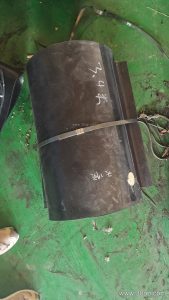
A chemical resistant conveyor belt is a fabric-reinforced rubber belt designed to carry materials that would attack ordinary cover compounds. In fertilizer plants, acid-handling areas, salt and potash operations, mineral processing circuits, and some recycling streams, spillage and dust expose the belt surface to acids, alkalis, and solvent-bearing residues. Over time, a standard cover can swell, harden, crack, or soften, and the damage often starts at the edges and splice zones. The chemical resistant conveyor belt uses a cover compound selected to slow that attack while keeping the mechanical properties needed for continuous conveying.
Construction and Compound Choices
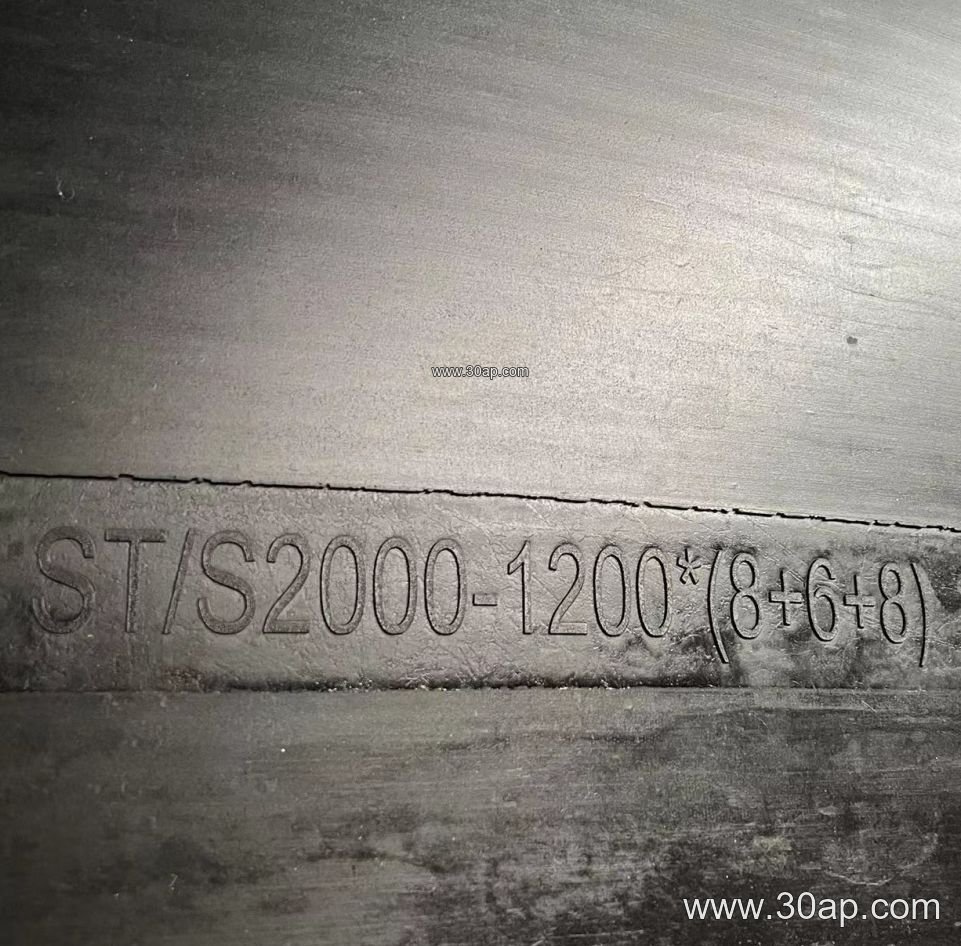
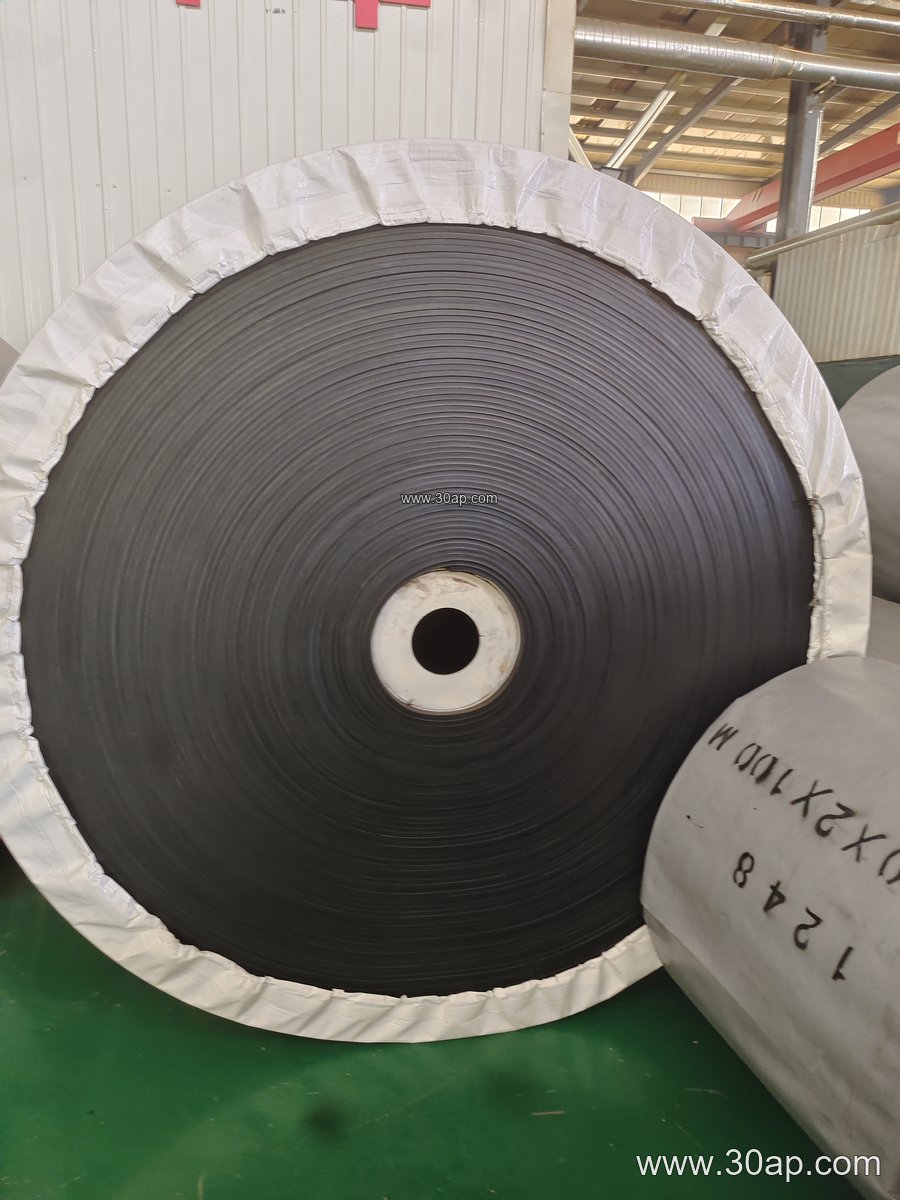
The belt is usually built on a multi-ply fabric core. Common carcass options include EP conveyor belt constructions and NN conveyor belt constructions, with two to six plies and strength grades such as EP200, EP400, EP630, EP800, EP1000, or EP1250 depending on the duty. For very long runs or high tension, a steel cord conveyor belt may be considered, but in most chemical-exposure duties the fabric core is preferred because it offers good flexibility and easier repair. The top and bottom covers are where the chemical resistance is concentrated. Cover gauges are commonly quoted as 3+1.5, 4+2, 5+2, 6+2, or 8+3 mm, with thicker covers giving more sacrificial material in splash and residue zones.
Because chemical resistance is a compound property rather than a single fixed grade, buyers should ask for the actual rubber type, hardness, and swelling data against the specific substance. A belt that performs well against dilute acid may behave differently in a caustic or oily environment. Where both abrasion and chemical attack occur, a combined abrasion resistant and chemically resistant cover can be specified. In coal or dusty fuel areas, a flame retardant conveyor belt grade may also be required, but the flame retardant property does not replace chemical protection; both must be confirmed.
Typical Service Conditions
- Fertilizer and phosphate handling lines where acidic residue collects on the return side.
- Chemical plants and salt processing halls with splash and vapor exposure.
- Mineral processing and tailings circuits in copper ore and gold mining operations.
- Recycling and waste sorting plants where mixed residues contact the belt.
- Port and ship loading terminals handling bulk chemicals in covered galleries.
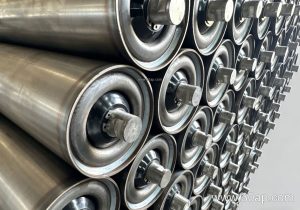
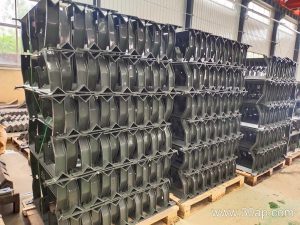
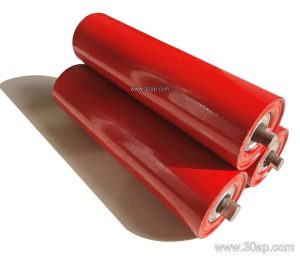
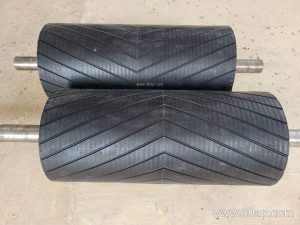
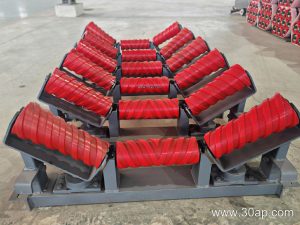
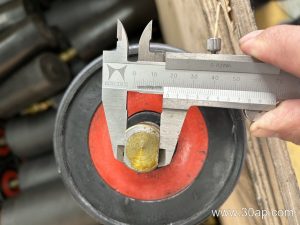
In these layouts the belt works with conveyor pulleys at the head and tail, idler roller sets along the carry and return strands, and conveyor brackets that keep alignment stable. Corrosion protection for those components matters as much as the belt cover, because a rusted idler roller can seize and damage the belt edge.
Sizes and Configuration Notes
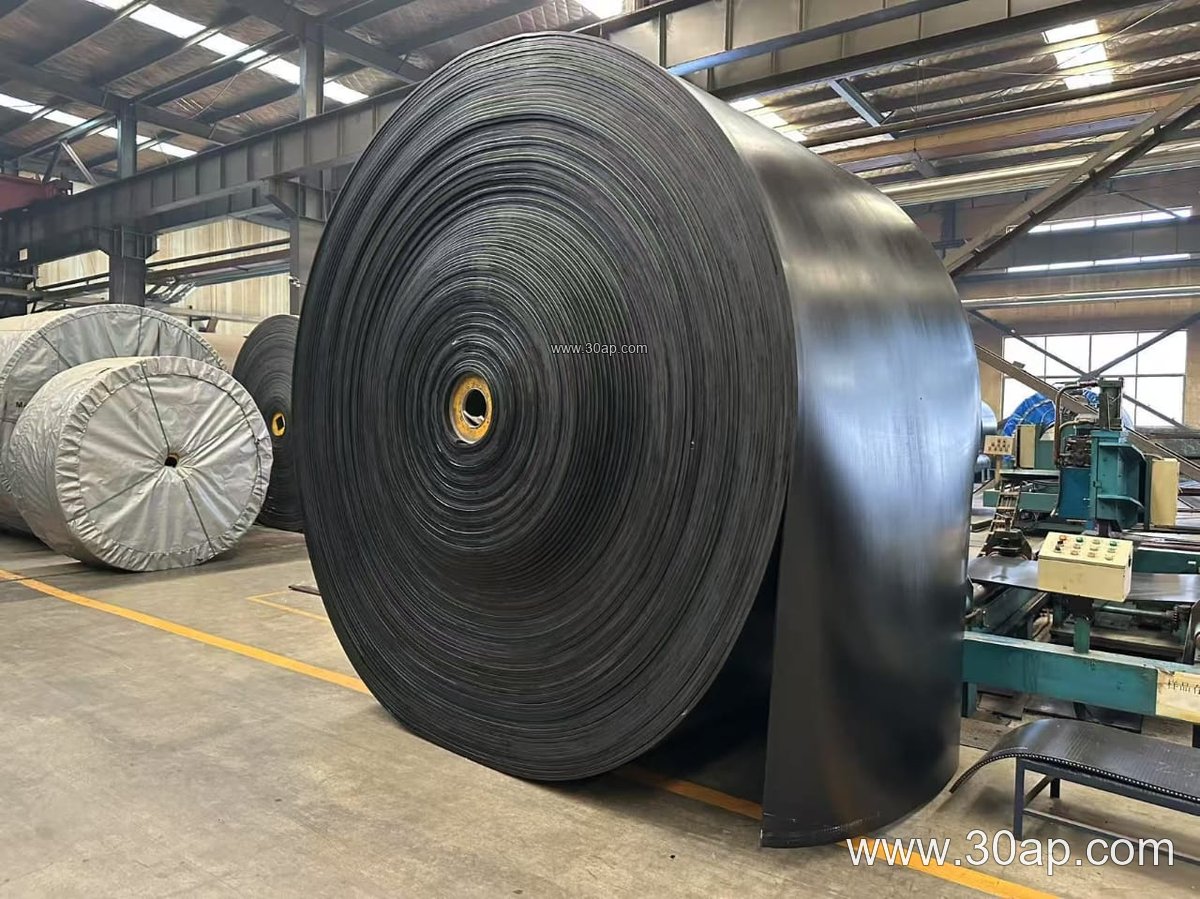
Widths commonly range from B500 and B650 up to B1800 or B2000, and the correct width depends on tonnage, lump size, and troughing angle rather than on any fixed rule. Belt width is not tied to one pulley diameter or one shaft size; the conveyor pulley, drive, and take-up are selected from the full tension and torque calculation. The table below shows representative reference values, not universal specifications.
Reference Data
| Item | Common Reference Range |
|---|---|
| Carcass type | EP fabric, NN fabric, steel cord |
| Strength grade | EP200 to EP1250 (fabric), higher grades by design |
| Ply count | 2 to 6 |
| Belt width | B500, B650, B800, B1000, B1200, B1400, B1600, B1800 |
| Cover gauge | 3+1.5, 4+2, 5+2, 6+2, 8+3 mm |
| Special grades | Acid resistant, alkali resistant, oil resistant, abrasion resistant |
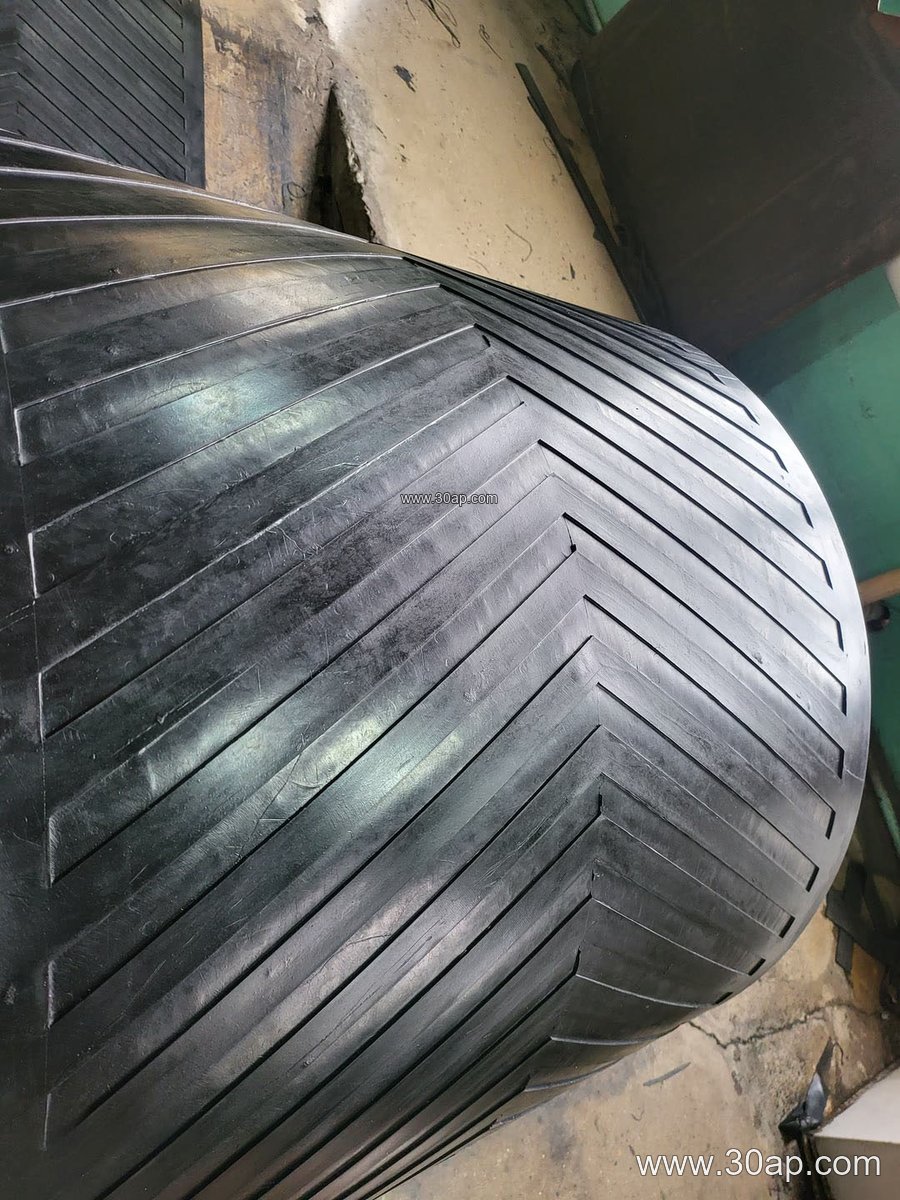
Where the route includes an incline, a Chevron conveyor belt profile may be used to prevent rollback, and a skirted conveyor belt or corrugated sidewall conveyor belt can contain material on steep or confined sections. If the plant needs a closed path for dust control, a pipe conveyor belt is an option, but it changes the conveyor structure and should be evaluated as a system.
Buyer Checklist
- Name the chemicals, concentration, temperature, and contact time; do not say only “chemical duty.”
- Confirm the cover compound and request swelling or hardness data for the specific exposure.
- Check whether flame retardant, anti-static, or heat resistant properties are also needed.
- Review splice type and edge protection, since these are common failure points.
- Match the belt grade to the conveyor pulley arrangement, idler roller spacing, and loading impact.
- Plan inspection of covers, edges, and splices at regular intervals.
For plant engineers comparing options, the practical route is to treat the chemical resistant conveyor belt as a compound-specific product, not a generic upgrade. Get the exposure data right, confirm the carcass grade and cover thickness, and keep the belt, idler roller, and conveyor pulley specifications aligned. That approach reduces unplanned stops in fertilizer, chemical, mining, and bulk terminal operations.