What a Belt Conveyor Bend Pulley Does
A belt conveyor bend pulley is the drum that changes the direction of the conveyor belt without driving it. It sits at a turning point in the belt path and guides the belt back toward the head or into a take-up arrangement, so it carries tension and belt load but not the main drive torque. In a typical stone crushing line, the bend pulley may redirect the return strand around an obstacle; in a cement plant it may help route the belt toward a tensioning device. Because it only redirects, it should not be treated as a drive pulley or a tail pulley, and it is not interchangeable with either.
Where It Fits in the Conveyor Layout
Common positions include the return-side direction change, the take-up area, and the transition between inclined and horizontal sections. In a coal mining conveyor, for example, an underground bend pulley may guide the belt around a curve in the roadway.
Construction and Surface Options
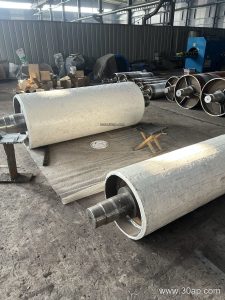
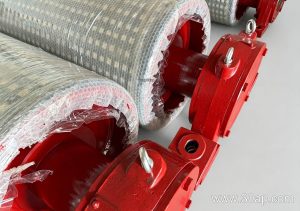
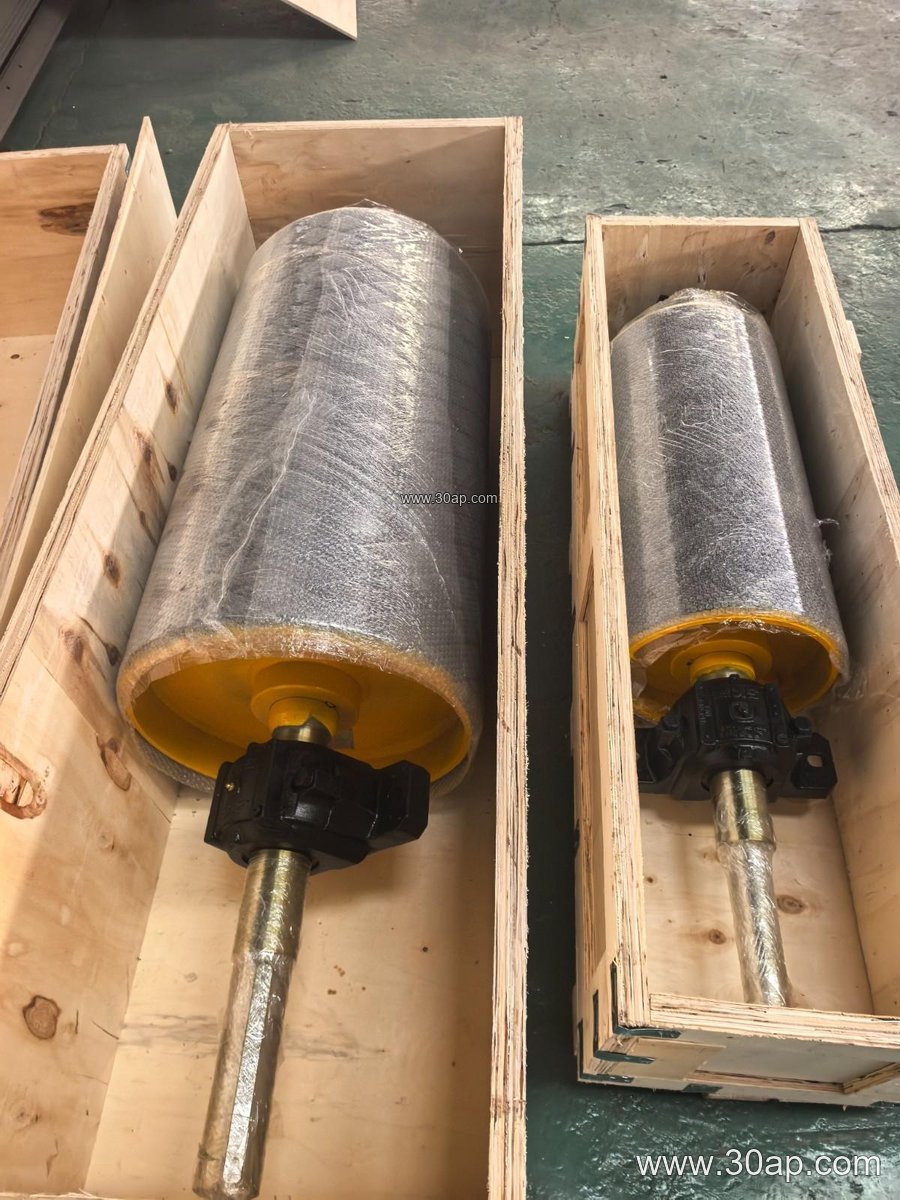
The bend drum is normally built from a rolled steel shell, welded end discs, a shaft, and bearing housings mounted on a sturdy frame. The shell is machined to keep the belt tracking evenly, and the surface can be supplied plain or covered. Rubber lagging improves grip and protects the shell from abrasive material, while ceramic lagging is chosen where slip and wear are both concerns.
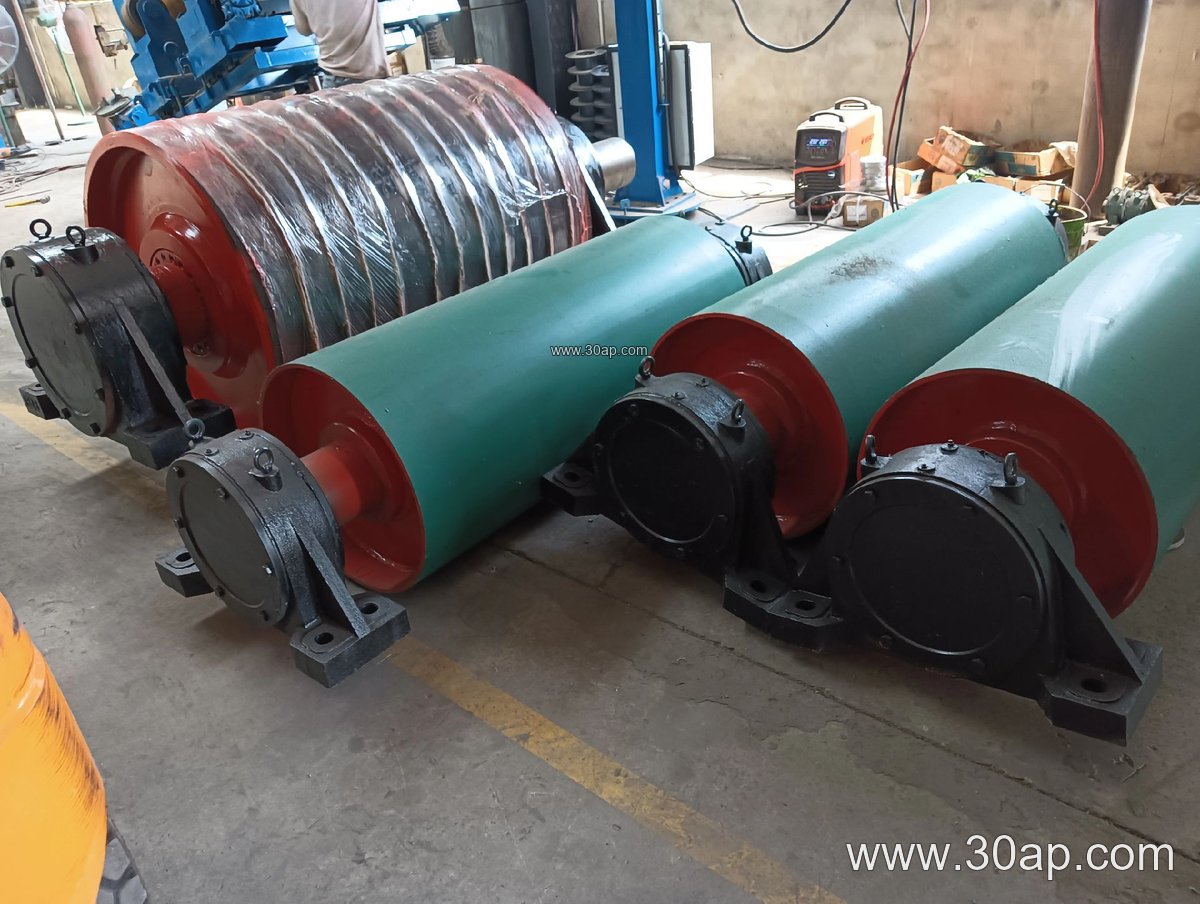
- Surface forms: plain, cold-bonded rubber, hot-vulcanized rubber, diamond lagging, ceramic lagging
- Lagging thickness commonly 8, 10, 12, 15, or 20 mm
- Shaft diameters commonly Ø50 to Ø200 mm, determined by torque and load
Unlike a drive pulley, a bend pulley does not need a heavy lagging pattern for traction, so a smooth or lightly lagged face is often sufficient. It still needs proper bearing selection because it runs continuously under belt tension.
Matching the Pulley to Belt Width and Diameter
Face width usually exceeds belt width so the belt is fully supported. Reference values include B400 with roughly 500 mm face, B800 with about 950 mm, and B1200 with around 1400 mm. Diameter follows belt tension, wrap angle, and the belt’s minimum bend radius, so B1200 × Ø1000 or B800 × Ø500 are possible combinations rather than fixed rules. No single belt width locks in one pulley diameter, and shaft size must be calculated from actual load, not guessed from width.
| Belt width | Typical face width | Example diameter range |
|---|---|---|
| B500 | about 600 mm | Ø250 to Ø400 |
| B800 | about 950 mm | Ø315 to Ø630 |
| B1000 | about 1150 mm | Ø400 to Ø800 |
| B1400 | about 1600 mm | Ø500 to Ø1000 |
| B1800 | about 2000 mm | Ø630 to Ø1250 |
These are common reference values, not universal specifications. Final dimensions should be confirmed against the conveyor design.
Working With the Conveyor Belt
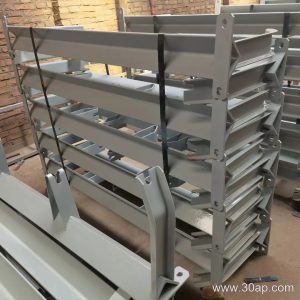
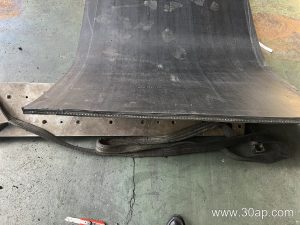
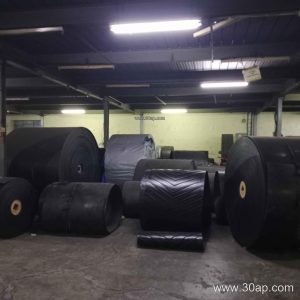
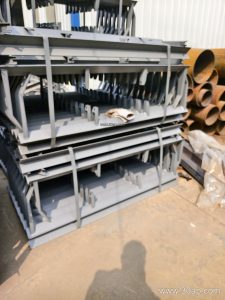
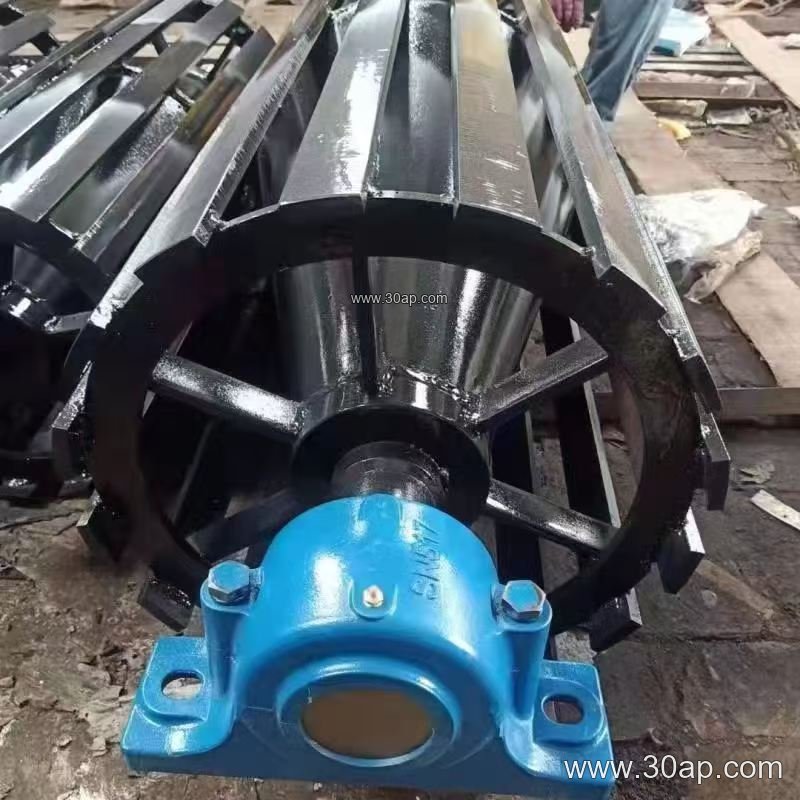
The bend pulley must suit the belt it carries. A heavy-duty EP conveyor belt or a steel cord conveyor belt needs a larger minimum pulley diameter than a thin fabric core belt, and a chevron or corrugated sidewall belt may require more clearance. In a quarry or aggregate line, an abrasion resistant conveyor belt paired with a rubber-lagged bend pulley reduces wear on both parts. For coal handling, a flame retardant conveyor belt and a non-sparking bearing arrangement are typical considerations. The pulley should also align with the conveyor bracket and with the conveyor pulley frame so the belt runs centered.
Buyer Checklist
- Confirm the belt width, belt type, and minimum bend radius
- Check the wrap angle and tension at the bend point
- Specify lagging type and thickness for the material handled
- Verify shaft diameter by torque and bearing load
- Match mounting dimensions to the existing conveyor bracket
- Ask for balancing and inspection records where relevant
For more conveyor components, see the pulley and idler roller range at yybolt.com, and review belt options at yybolt.com for EP conveyor belt and steel cord conveyor belt grades. A well-chosen bend pulley keeps the belt tracking smoothly from the crusher discharge to the stockpile or ship loader.