What a 30 Inch Conveyor Belt Tracker Does
A 30 inch conveyor belt tracker is a belt-alignment device sized for a 762 mm wide belt. It mounts on the conveyor frame and uses a set of angled rollers to sense and correct a belt that has started to run to one side. In a quarry, cement plant, coal preparation station or power plant coal yard, even a small drift can grind the belt edge against the structure, spill material and shorten belt life. The tracker reacts to that drift before it becomes a maintenance problem.
The device is also called a 30 inch self-aligning belt trainer or a 30 inch belt alignment idler. These names describe the same product; the exact structure and action principle should always be confirmed with the supplier rather than assumed from the name alone.
Construction and Working Principle
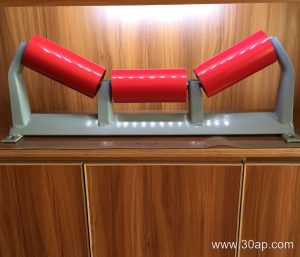
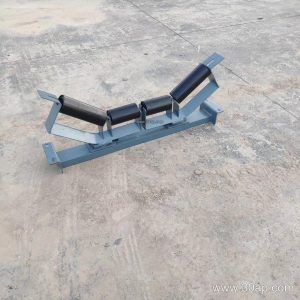
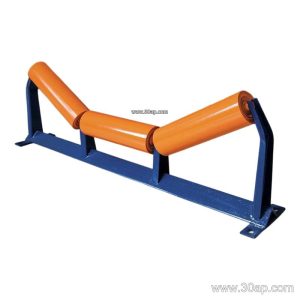
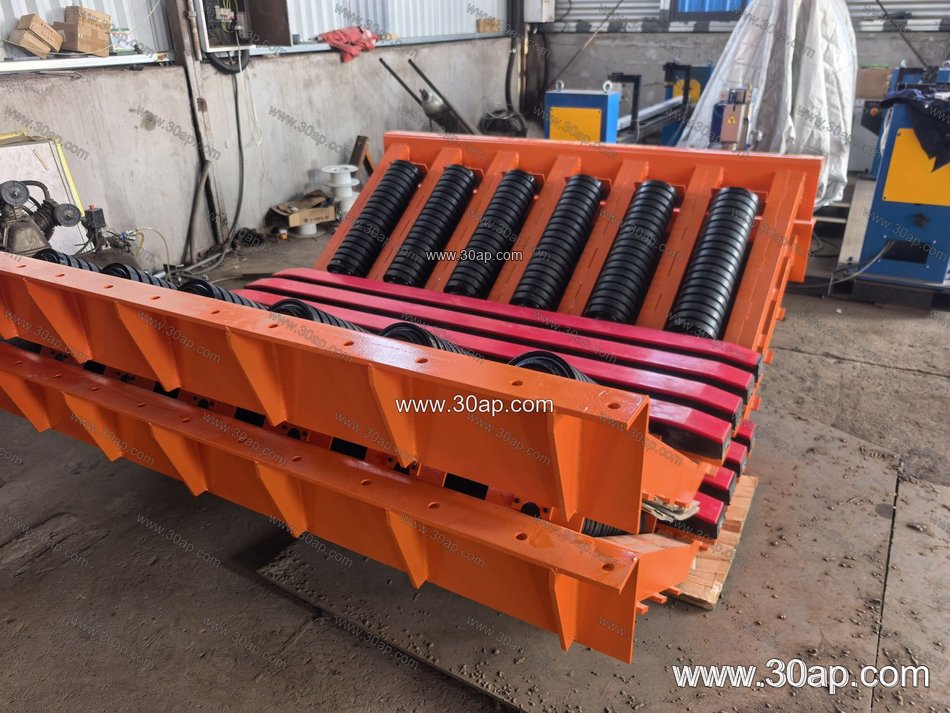
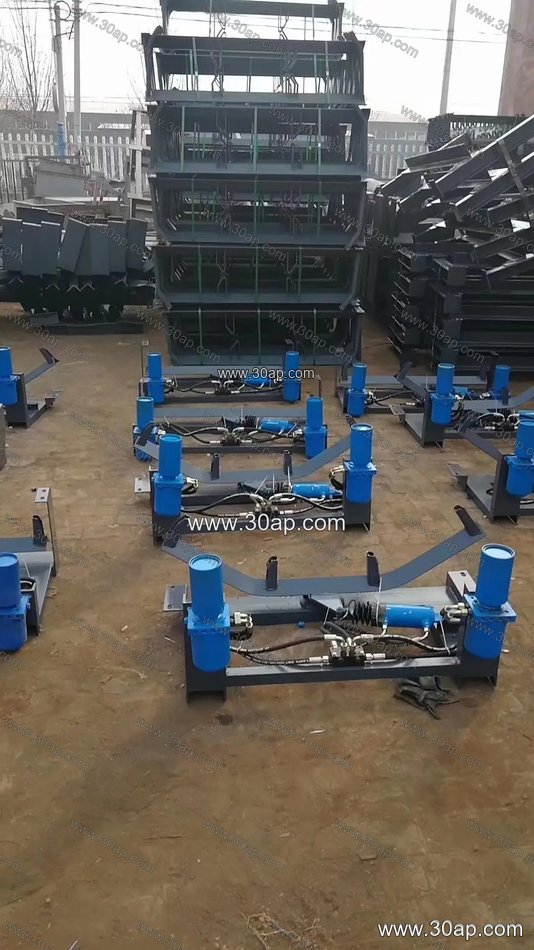
A typical tracker combines a central pivot, a carrying frame and two or more tapered or angled idler rollers. When the belt touches a side roller, the roller assembly pivots slightly. The skewed roller then steers the belt back toward the center line. Some designs are mechanical and rely only on belt contact; others add sensors, feedback or PLC control for active correction. Detection alarms and active tracking are not the same thing, so buyers should ask which function is actually supplied.
- Pivot base and mounting brackets matched to the frame
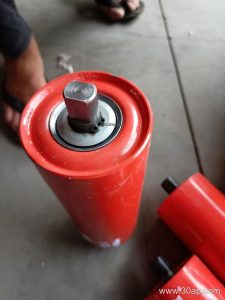
- Tapered or cylindrical rollers with sealed bearings
- Return-side or carrying-side configuration
- Optional sensor and control package for automatic correction
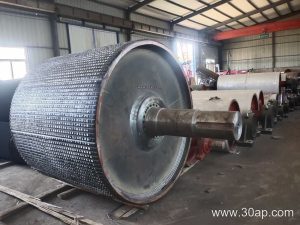
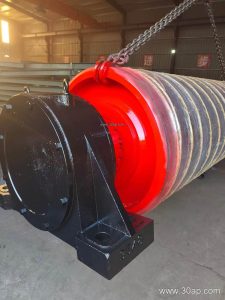
The tracker works together with the conveyor belt, idler roller, conveyor pulley and conveyor bracket. It does not replace correct pulley alignment. Drive, tail and bend pulleys each have a distinct role, and a tracker cannot compensate for a badly installed pulley or a skewed splice.
Where It Fits in the Plant
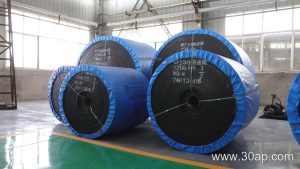
On a 30 inch belt line, the tracker is often installed on the carrying run just after the loading point, or on the return run where the belt tends to wander. Common duties include crushed stone, clinker, coal, ore and aggregate. A heavy-duty mining conveyor belt carrying abrasive rock needs a robust frame and well-sealed bearings; a coal mining conveyor belt in a dusty transfer house needs protection against fines and moisture. Matching the tracker to the belt construction matters: a multi-ply fabric core conveyor belt, an EP conveyor belt or a steel cord conveyor belt each behaves differently under tension and load.
Related belt choices may include a flame retardant conveyor belt for underground work, a heat resistant conveyor belt near hot clinker, or an abrasion resistant conveyor belt in a crusher circuit. The tracker itself must suit the belt width, speed, running direction and available frame space. A 30 inch width is not a universal match for one pulley diameter or one shaft size; those values come from the conveyor drawing.
Selection Details Buyers Should Confirm
| Item | What to Check |
|---|---|
| Belt width | 30 inch (762 mm) nominal, verified against the actual belt |
| Mounting position | Carrying run or return run |
| Frame dimensions | Hole spacing, bracket type and available height |
| Belt speed and direction | Fixed or reversible operation |
| Belt type | Fabric core, steel cord, chevron or corrugated sidewall belt |
| Environment | Dust, moisture, temperature and corrosion exposure |
Ask for the installation drawing before ordering. The number of trackers, their spacing and the roller diameter depend on the conveyor layout, not on belt width alone. For a 30 inch conveyor belt tracker, the supplier also needs the belt thickness, load and any special surface form such as a chevron conveyor belt or skirted conveyor belt.
Installation and Maintenance Notes
Stop the conveyor, isolate the energy source and prevent accidental start-up before any installation or adjustment. Check that the frame is square and that the idler roller and conveyor pulley are in good condition; a tracker cannot fix a loose bracket or a jammed roller. After installation, observe the belt from a safe position and confirm that it centers under both empty and loaded conditions.
Inspect bearings, pivot points and roller surfaces during routine shutdowns. Clear spilled material from the frame, because buildup can push the belt off course. If the belt still drifts after a tracker is fitted, review splice quality, loading position, tension and structure alignment rather than adding more devices.
Buying Checklist
Provide the belt width, conveyor drawing, running direction, belt type and operating environment. Mention whether the line handles coal, cement, ore or aggregate, and whether the belt is a rubber conveyor belt, an NN conveyor belt or another construction. For a 30 inch conveyor belt tracker, clear site data leads to a better match than a generic size guess. Contact the supplier with your drawing to confirm the mounting arrangement and roller configuration.