What a Pipe Conveyor Belt Is
A pipe conveyor belt is a specialized conveyor belt that forms a closed tube after loading, carrying bulk materials without spillage or dust emission. Unlike a flat belt that stays troughed, this belt transitions from a flat shape at the tail pulley to a fully enclosed pipe along the carrying run, then opens again at the discharge end. The same product is also called a tubular conveyor belt or a pouch conveyor belt. It is a distinct belt type, not a replacement for standard EP or steel cord belts, though it often uses similar reinforcement cores.
Construction and Key Components
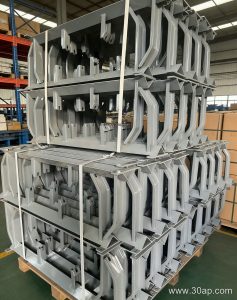
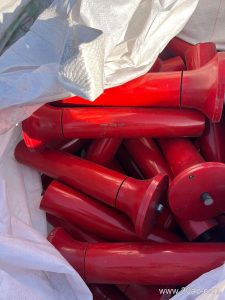
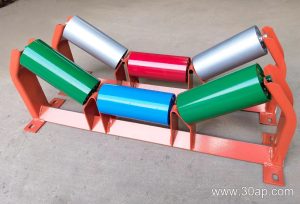
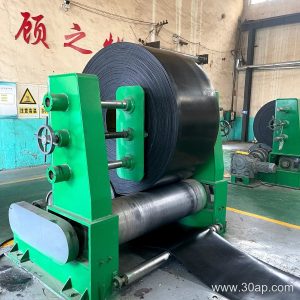
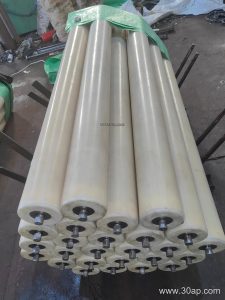
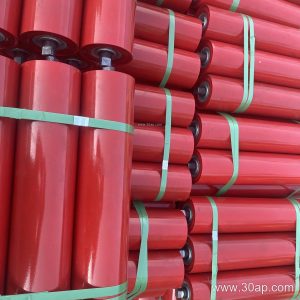
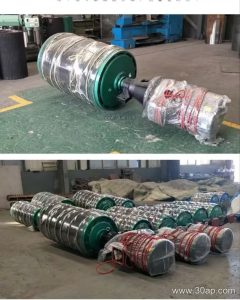
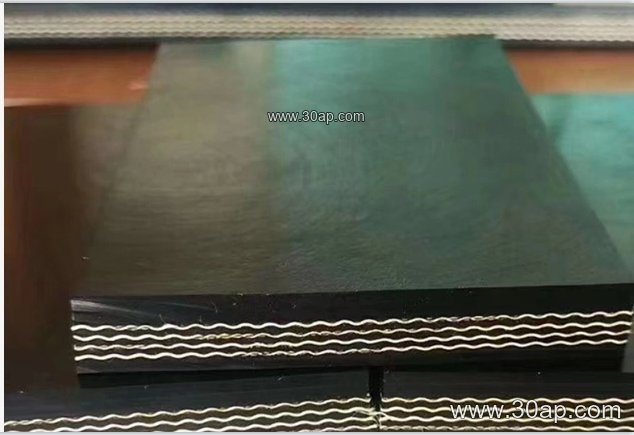
The belt body typically combines a fabric or steel cord carcass with rubber covers. Common reinforcement options include EP Conveyor Belt fabric, NN Conveyor Belt nylon, or Steel Cord Conveyor Belt constructions, depending on tension and pipe diameter. The edges are specially designed with overlapping steps to maintain the pipe shape. Cover compounds may be selected for abrasion resistance, heat resistance, or flame retardancy. The conveyor system also relies on idler roller arrangements that gradually fold the belt into a pipe, plus drive pulleys, tail pulleys, and bend pulleys at transition zones. Conveyor brackets support the idler frames along the route.
Typical Applications
Pipe conveyor belts are common in cement plants, coal mining, power plants, ports, and quarries where dust control and material containment matter. They handle fine powders, aggregates, and minerals. In underground mining, a flame retardant pipe belt can improve safety. For long overland routes, a steel cord pipe belt may be chosen for higher tension. The enclosed design also protects material from rain and wind, which is useful in ship loading and stockyard operations.
Specifications and Selection Factors
Buyers should define belt width, pipe diameter, carcass type, cover grade, and tensile strength. Common widths for pipe belts range from 500 mm to 2000 mm, but pipe diameter is determined by the belt width and the number of idlers. The table below lists reference values often seen in catalogs; actual values depend on the system design. Do not assume one belt width matches only one pulley diameter.
| Parameter | Common Reference Range |
|---|---|
| Belt width | 500, 650, 800, 1000, 1200, 1400, 1600, 1800, 2000 mm |
| Carcass type | EP fabric, NN fabric, steel cord |
| Strength grade (EP) | EP200 to EP2000 |
| Cover thickness | 3+1.5, 4+2, 5+2, 6+2, 8+3 mm |
| Fabric plies | 2 to 6 layers |
For abrasive materials such as iron ore or copper ore, a High Abrasion Resistant Conveyor Belt cover is often specified. In coal mining, a Flame Retardant Conveyor Belt and Anti-Static Conveyor Belt are typical requirements. Heat Resistant Conveyor Belt grades suit cement clinker or sinter. Oil Resistant Conveyor Belt compounds help with oily bulk materials. Cold Resistant Conveyor Belt grades are available for low-temperature regions.
Installation and Maintenance Notes
Pipe conveyor belts require careful alignment during installation. The transition distance from flat to pipe shape must be set correctly to avoid edge stress. Idler roller spacing and angles affect pipe stability. Inspect conveyor pulleys for wear and ensure bend pulleys are free turning. Keep the belt edges clean to maintain overlap. Track belt tension and check for carcass fatigue, especially on high-strength grades like EP1000 or ST1600. Regular inspection of conveyor brackets and frames prevents misalignment. For repair, use compatible cover compounds and follow the belt manufacturer’s splice procedure.
Buyer Checklist
- Confirm material characteristics: lump size, moisture, temperature, abrasiveness, oil content.
- Define pipe diameter and belt width based on required capacity and layout.
- Select carcass type and strength grade with the conveyor designer.
- Specify cover grade and thickness for the environment.
- Check transition lengths and idler configuration.
- Review splicing method and available maintenance access.
For more information on related components such as idler roller, conveyor pulley, and conveyor bracket, consult your system supplier. A properly selected pipe conveyor belt improves containment and reduces environmental impact in demanding industries.