What a Conveyor Support Leg Does
A conveyor support leg is the vertical member that carries the weight of a belt conveyor frame down to the floor, foundation, or steel structure. It connects the longitudinal stringers or channel beams to base plates, and in many installations it also sets the trough height of the carrying run. In a quarry or a crushing and screening line, these legs are what keep the whole frame level and square, so the conveyor belt tracks properly and the idler roller assemblies stay aligned with the load.
The same component is often called a conveyor frame support leg or a belt conveyor stand leg. All three names describe the same part; they are not different products.
How the Leg Is Built
Most support legs are fabricated from angle steel, channel steel, or folded steel plate. A typical leg has a top plate or bracket that bolts to the stringer, a vertical section sized to the required height, and a foot plate with holes for anchor bolts. Adjustable versions add a slotted connection or a telescopic section so the frame height can be trimmed during installation.
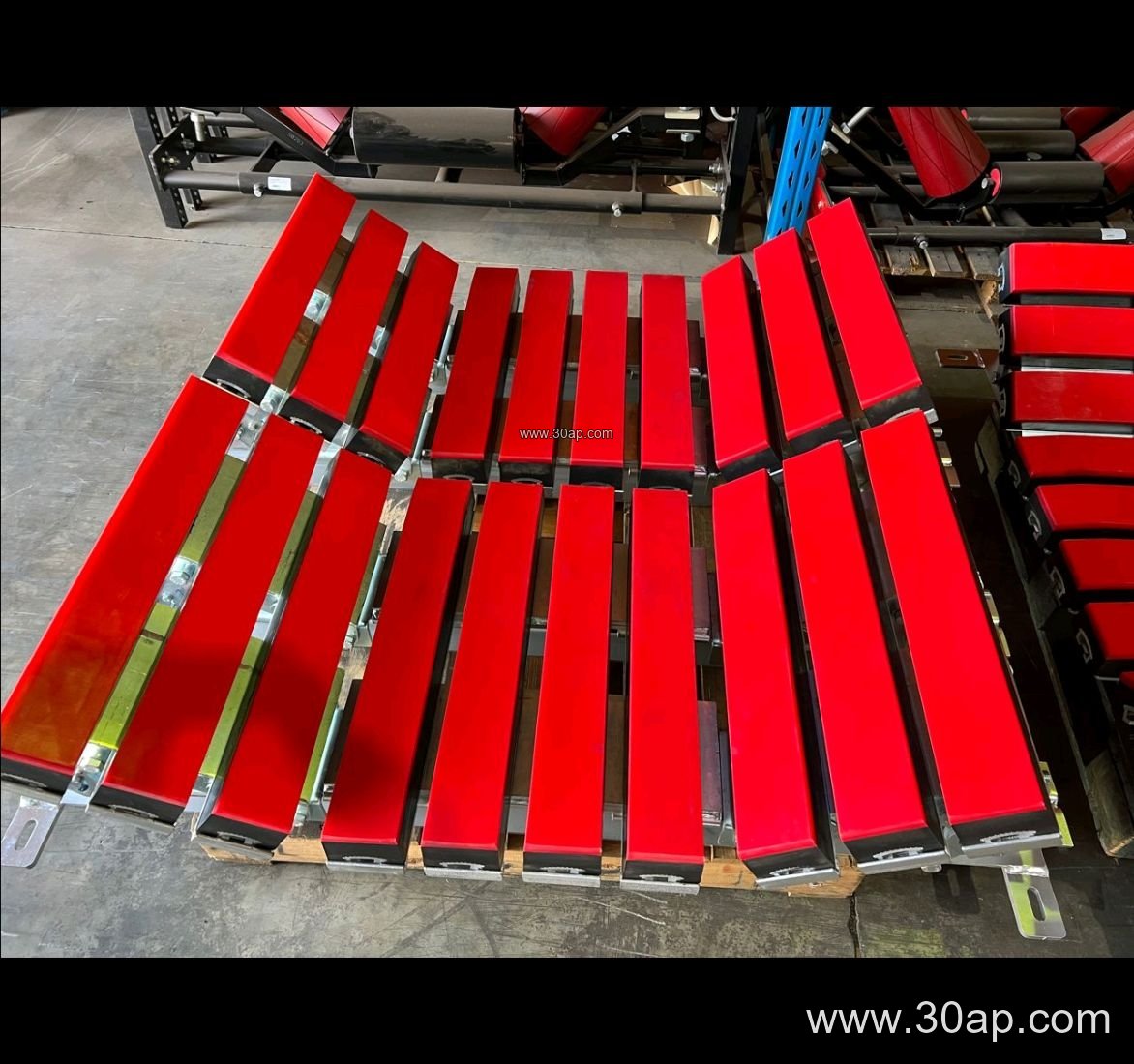
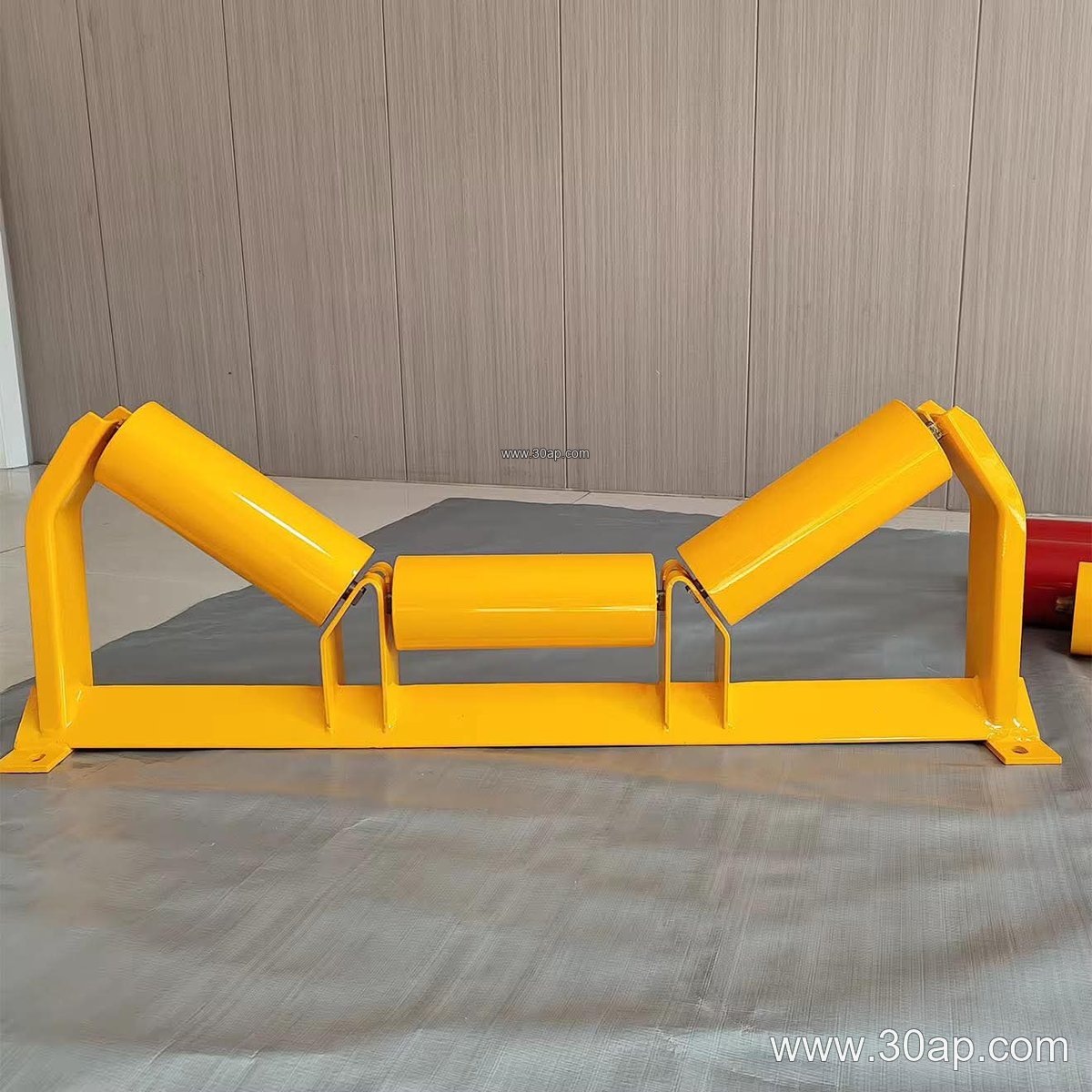
Fixing details matter as much as the steel section. Hole spacing and crossbeam length change with belt width and trough angle, so they are set by design rather than by a single standard value. The leg should be matched to the conveyor bracket pattern used on the stringer so that bolts line up without field drilling.
Where Support Legs Are Used
Support legs appear on nearly every elevated or ground-mounted conveyor. In a coal washing plant they hold the frame above the floor for easy clean-up; in a power plant coal handling system they carry the frame between trestles; in a cement plant they support long transfer runs; and in a sand and gravel yard they keep the frame stable under repeated impact loading.
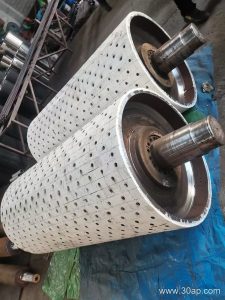
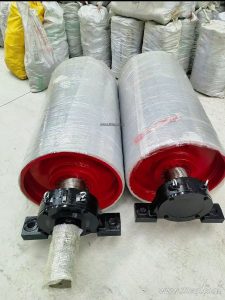
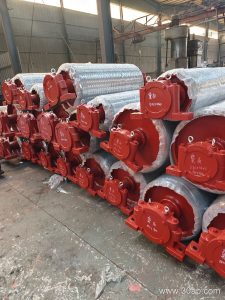
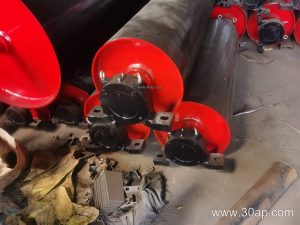
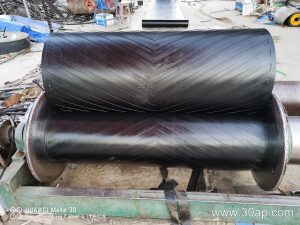
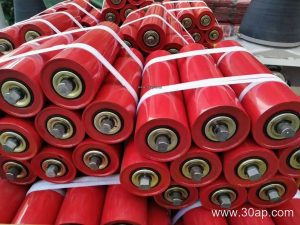
They work together with the rest of the frame: the conveyor pulley at the head and tail sets belt tension, the idler roller groups support the belt between them, and the legs hold everything at the correct elevation. On a heavy-duty mining conveyor belt carrying ore, the legs and their foundations take the largest share of the static and dynamic load.
Common Frame and Leg Reference Data
The values below are reference examples, not fixed combinations. Actual leg height, hole spacing, and plate size are determined by the conveyor design.
| Item | Common Reference Values |
|---|---|
| Belt width | B500, B650, B800, B1000, B1200, B1400, B1600, B1800, B2000 |
| Trough angle | 20°, 30°, 35°, 45° |
| Idler diameter | Ø89, Ø108, Ø133, Ø159, Ø194 |
| Leg material | Angle steel, channel steel, folded steel plate |
| Frame type | Troughing bracket, return bracket, V-return bracket, impact bracket, self-aligning bracket, transition bracket |
A frame might be described as B800, 35°, Ø108, or as B1200, 45°, Ø133. These are design combinations, and the same belt width can be paired with more than one trough angle or roller diameter depending on the duty.
Fixed Versus Adjustable Legs
A fixed leg is welded or bolted to a set height and is the usual choice for permanent runs in a cement plant or iron ore stockyard. An adjustable leg allows small height corrections and is handy where the floor is uneven or where the frame must be aligned after the belt is installed. For a pipe conveyor belt or a corrugated sidewall conveyor belt, the frame geometry is more complex, so leg adjustment can help during commissioning.
What Buyers Should Check
- Confirm the belt width, trough angle, and roller diameter so the leg matches the stringer and bracket pattern.
- Ask for the leg height range, top plate hole spacing, and foot plate dimensions rather than assuming a single size.
- Check the steel section and finish against the site conditions, especially in a wash plant or a coastal port.
- Confirm whether the leg is fixed or adjustable, and how the base plate is anchored.
- Match the leg to the load class of the belt, since a heavy-duty conveyor belt carrying rock needs a stiffer frame than a light duty line.
For any conveyor frame project, the support leg is a small part that decides whether the belt runs true. Getting the dimensions and the bracket pattern right at the order stage saves alignment work later, whether the conveyor carries coal, clinker, aggregate, or grain.