What an Anti-Material-Buildup Idler Does
An anti-material-buildup idler is a conveyor idler roller designed so that wet, sticky, or fibrous material is less likely to cling to the roller shell. In practice it is often a spiral idler or a rubber-disc idler used on the carrying side, where fines and moisture tend to pack onto a plain steel surface. Once build-up starts, the roller effectively changes shape, the belt sits unevenly, and tracking problems follow. Keeping the shell cleaner protects both the conveyor belt and the idler roller itself.
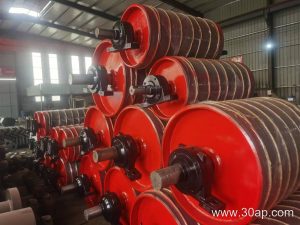
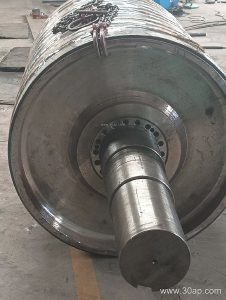
The same product is also described as a self-cleaning idler or a build-up resistant roller. These are equivalent names for the same item, not different components. A drive pulley, a tail pulley, or a bend pulley is a completely separate part of the conveyor and cannot substitute for this idler in the return or carrying strand.
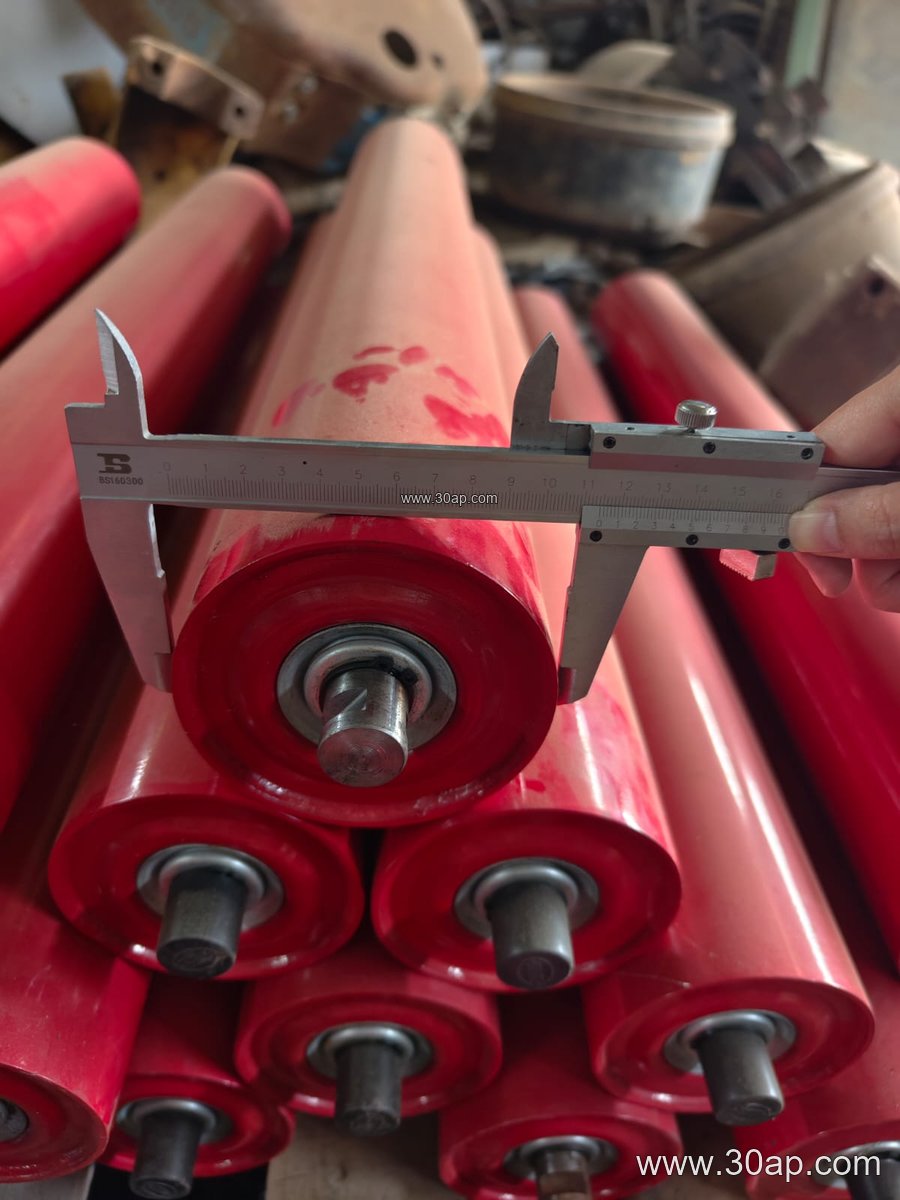
How the Roller Is Built
The working principle is simple: reduce the flat surface area where material can stick, and give the clinging layer somewhere to break away. Two common constructions dominate.
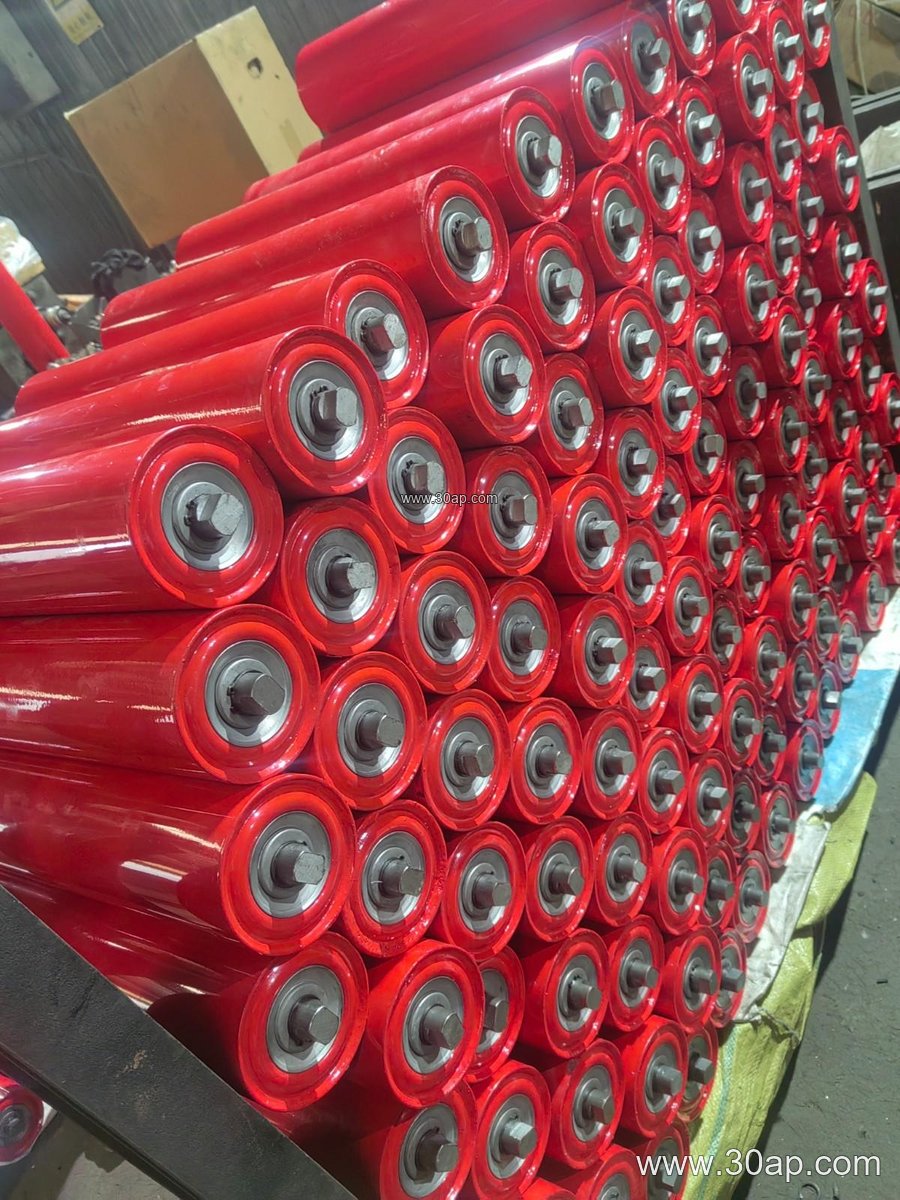
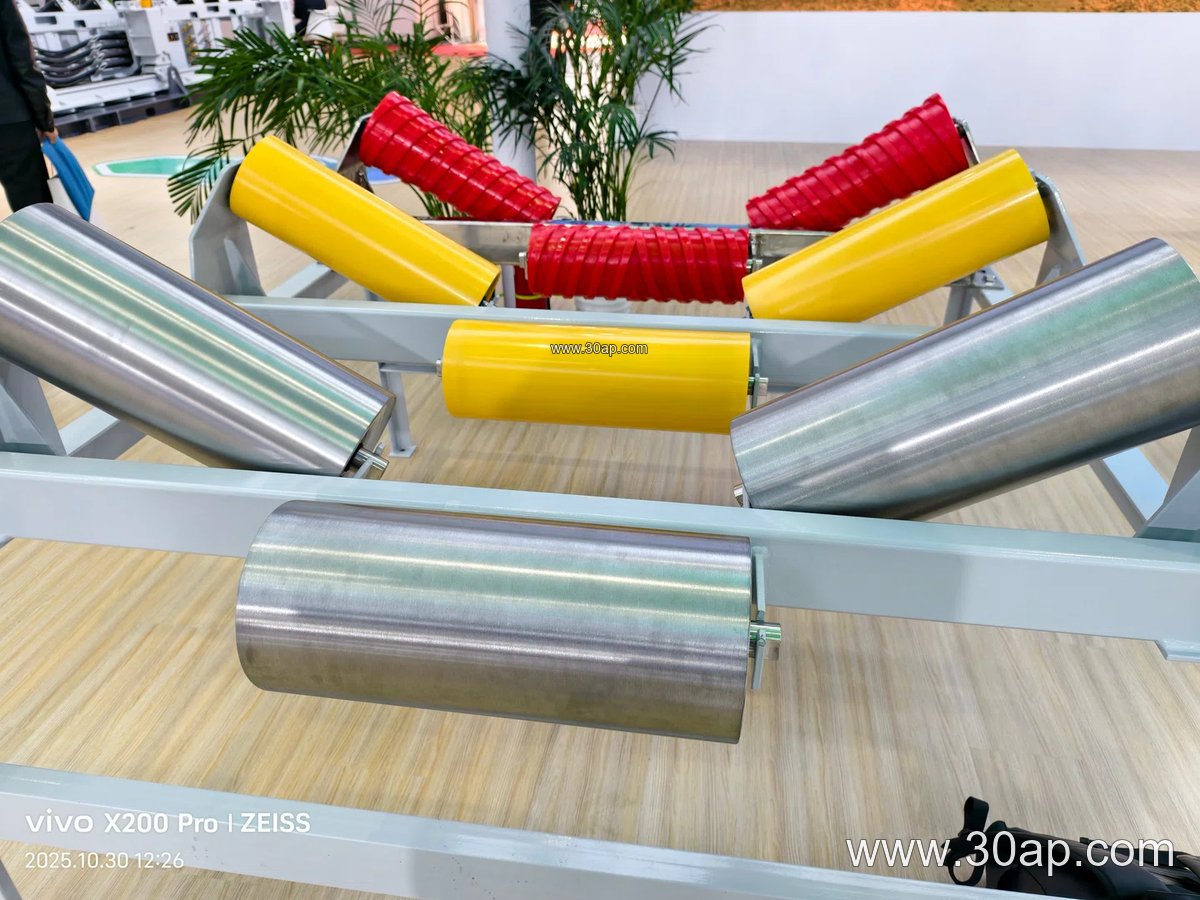
- Spiral roller: a helical flight or rib is welded or formed onto a steel tube, so sticky fines are pushed sideways as the shell turns.
- Rubber disc roller: stacked rubber rings or discs create a segmented surface; the flexibility helps release damp material and adds some cushioning.
Shells are usually steel tube, with nylon, ceramic, or rubber surfaces available where abrasion or adhesion is severe. Bearings are commonly 6204, 6205, 6305, 6306, 6308, or 6310, matched to the shaft and load rather than to belt width alone. Sealing matters as much as the shell shape: a labyrinth or multi-stage seal keeps grit and water out of the bearing cavity, which is often what actually ends the service life of a roller in a wash-down area.
Where Build-Up Problems Appear
Sticky carryback is a daily issue in a coal preparation plant, where fine coal and water combine into a paste, and in a cement plant handling damp limestone, clay, or kiln dust. A power plant coal yard and a sand and gravel line running in rain or after a wash screen see the same effect. In these positions the return strand is often the worst, because fines drop onto the rollers and get pressed on by the belt.
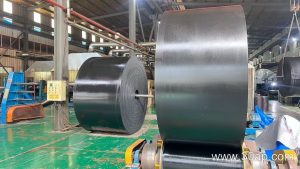
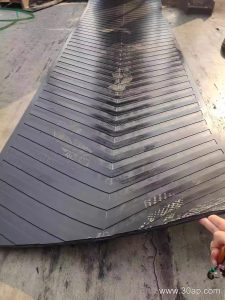
Material characteristics drive the choice. A high-moisture, high-fines load on a Fabric Core Conveyor Belt behaves very differently from dry, coarse ore on an Abrasion Resistant Conveyor Belt. Note also that a Chevron Conveyor Belt or a Corrugated Sidewall Conveyor Belt changes the belt’s underside profile and clearances, so the idler selection should be confirmed against the actual belt construction. In dusty, static-prone service an Anti-Static Conveyor Belt is often specified alongside sealed rollers.
Common Dimensions and Mounting
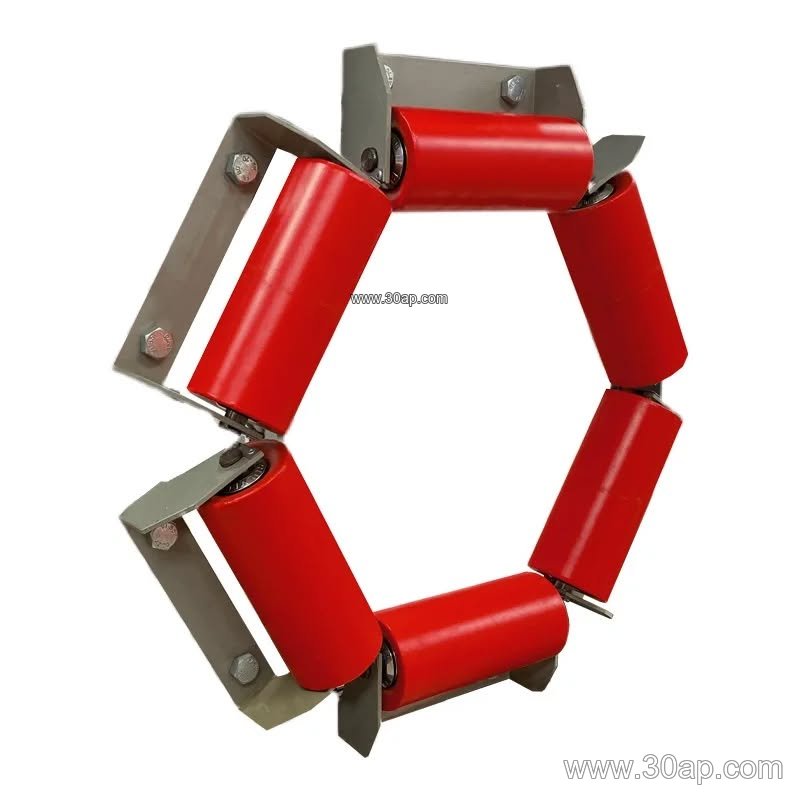
The table below gives typical reference values only. Final dimensions are determined by belt width, trough angle, and the idler set arrangement.
| Parameter | Typical reference values |
|---|---|
| Roller diameter | Ø63, Ø76, Ø89, Ø102, Ø108, Ø127, Ø133, Ø159, Ø178 mm |
| Belt width | B500, B650, B800, B1000, B1200, B1400, B1600 mm |
| Trough angle | 20°, 30°, 35°, 45° |
| Roller surface | Steel tube, nylon, ceramic, rubber disc |
| Set form | Single roller, two-roller, three-roller trough |
For a three-roller trough set, roller length commonly scales with belt width, for example roughly 315 mm at B800, 380 mm at B1000, and 465 mm at B1200. Side rollers and centre rollers can differ, so these are examples rather than fixed pairings. The conveyor bracket spacing and frame height must match the chosen diameter; a larger roller raises the belt line and can affect transition zones near a conveyor pulley.
Buyer Checklist
- Confirm whether the problem is on the carrying side or the return side, and whether a spiral or rubber-disc surface suits the material.
- Check the belt underside: a skirted or cleated belt may need extra clearance.
- Ask about seal type and bearing size, not just shell diameter.
- Match roller length and bracket dimensions to the existing frame before ordering.
- For heavy, sharp, or hot loads, review whether a cushioned impact idler is needed at the load point.
Well-chosen rollers reduce spillage and belt mistracking, and they lower the labour spent scraping stuck fines off the conveyor. Buyers comparing options should look at shell surface, sealing, and fit rather than one headline size.