What a Friction Idler Does
A friction idler is a self-aligning carrying or return roller that uses friction between the rotating shell and the moving conveyor belt to steer the belt back toward the center line. Instead of relying on a separate actuator, the roller itself reacts to belt misalignment: when the belt drifts, the friction force on the idler shell produces a small turning moment that swings the idler frame slightly, nudging the belt back on track. On a long overland conveyor at a quarry or a transfer point in a cement plant, this passive correction reduces edge damage and spillage without extra controls.
How the Friction Idler Is Built
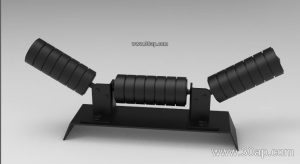
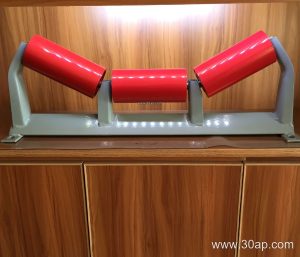
The assembly usually combines a standard idler roller shell with a pivoting bracket and a friction coupling. Key elements include:
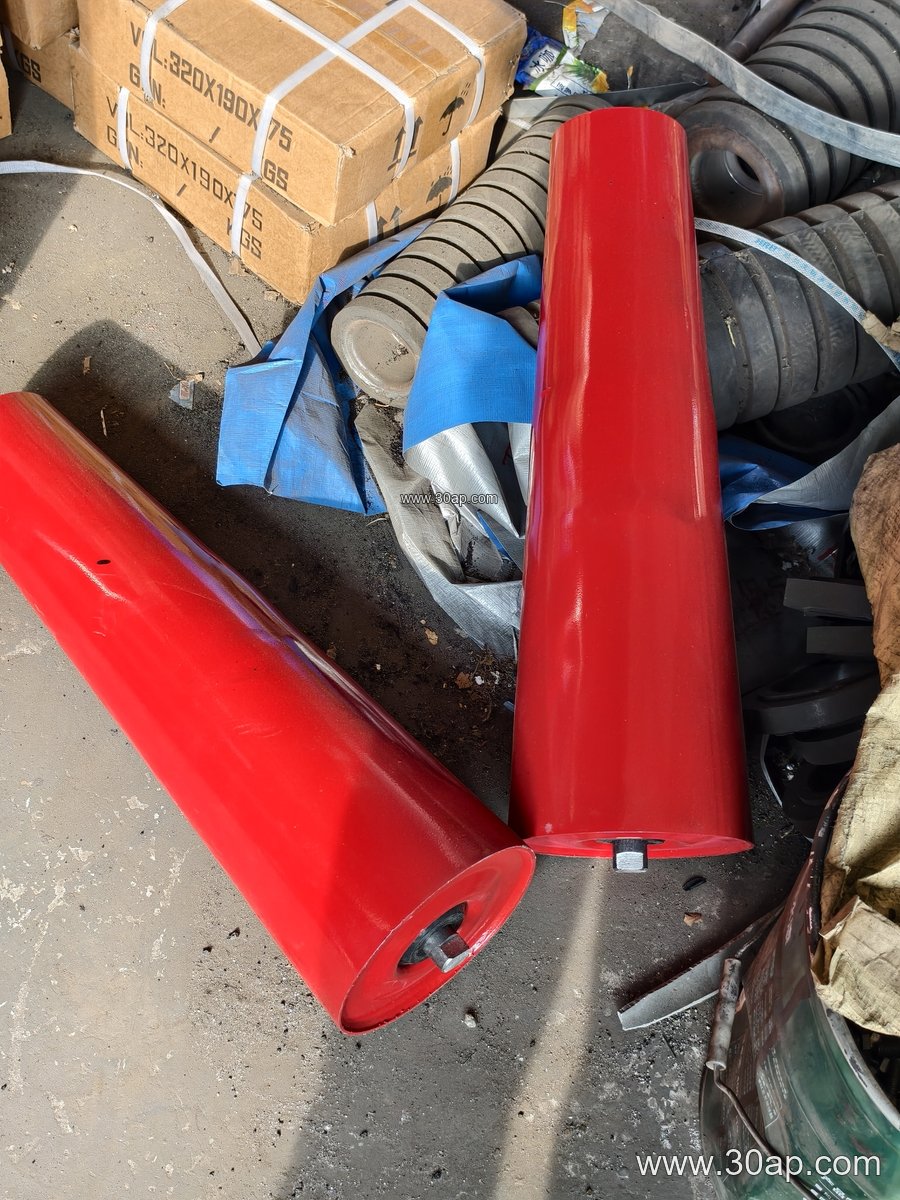
- A steel or nylon roller shell, often fitted with a rubber friction ring where it contacts the belt
- Sealed ball bearings, commonly 6204, 6205, 6305 or 6306 depending on shaft and load design
- A pivot base that allows a few degrees of yaw movement
- A friction disc or friction pad that limits how much torque is transmitted, so the idler responds gradually rather than snapping
The friction setting matters. Too little friction and the idler will not correct drift; too much and it may fight the belt and wear the edges. Suppliers usually set the friction torque for the belt width and tonnage, and it can be adjusted on site.
Where It Fits on the Conveyor
Friction idlers are most useful where belt training is difficult with fixed rollers: long carrying runs, curves in the route, and the transition zone after a crusher or screen. In a sand and gravel line, a friction idler set ahead of the head pulley helps keep a 800mm or 1000mm belt centered before discharge. In a coal handling system, return-side friction idlers can reduce edge rubbing on the structure. They are not a substitute for the drive pulley or tail pulley; those components transmit power and set belt tension, and they serve different purposes.
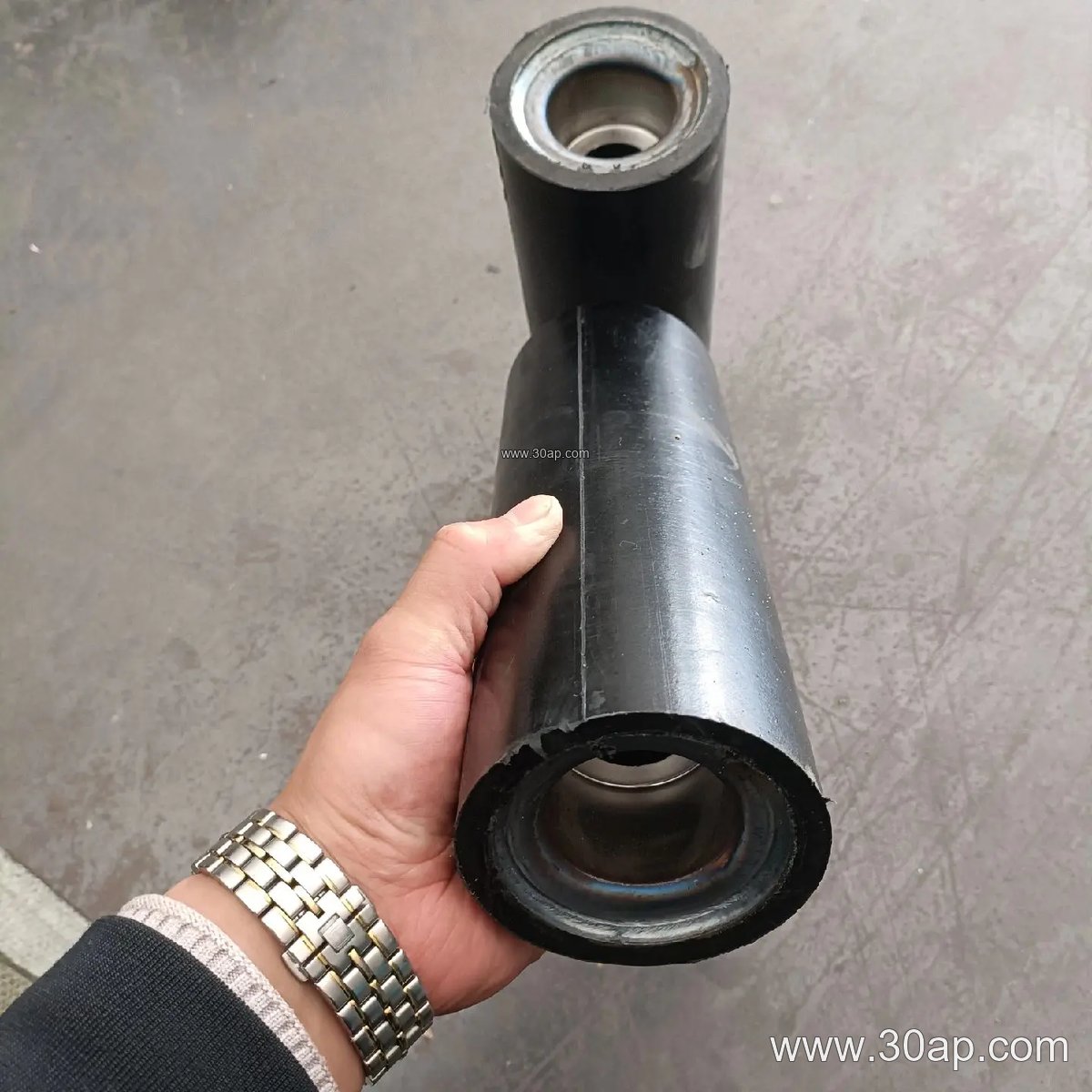
For comparison, a conventional troughing idler set holds a fixed trough angle (often 20, 30, 35 or 45 degrees) and only supports the belt, while the friction type adds the self-aligning function. Both may appear on the same conveyor, with the friction units placed at selected intervals.
Typical Dimensions and Configurations
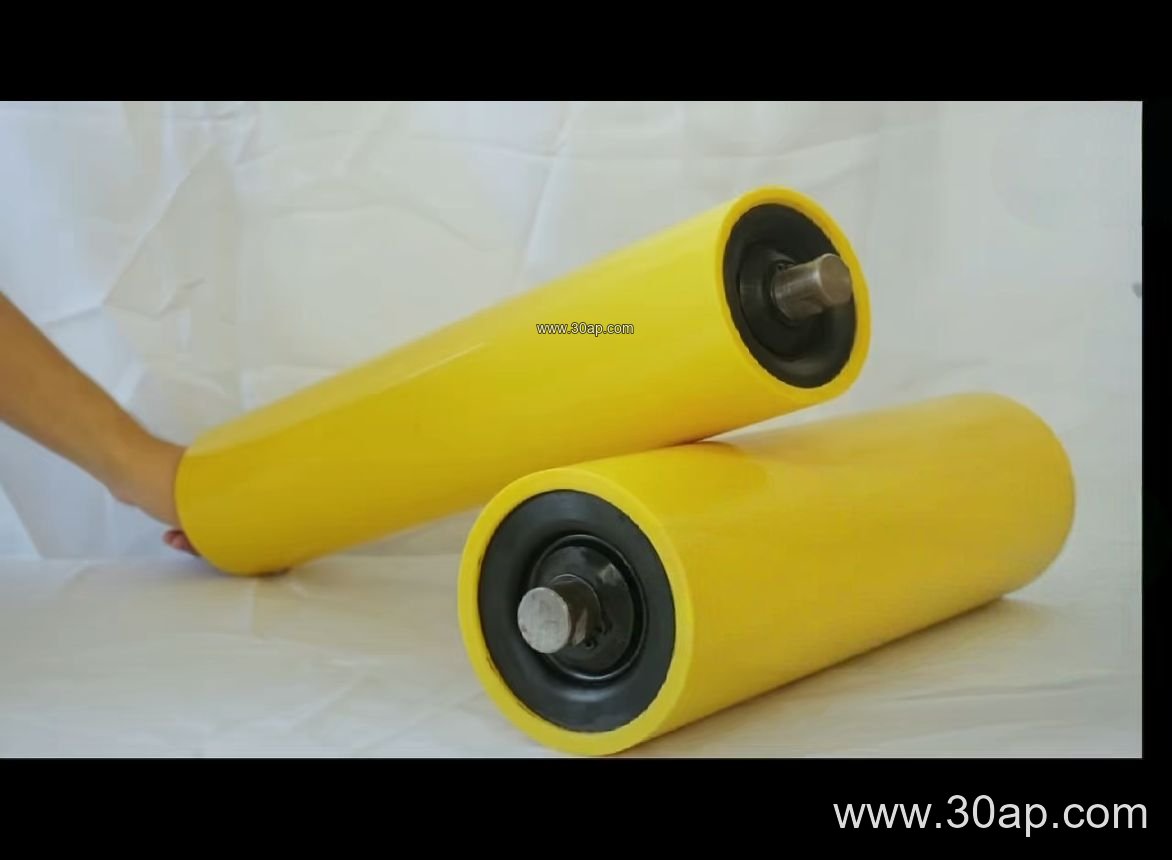
Friction idlers follow the same roller diameter and belt width ranges as other idlers. Common roller diameters include 63, 76, 89, 102, 108, 127, 133, 159, 178 and 219 mm. Belt widths range from B400 to B2400, and the roller length depends on belt width, trough angle and whether the set is single-roll, two-roll or three-roll. The table below shows common examples, not fixed rules.
| Belt width | Typical roller length (three-roll troughing) | Common roller diameter |
|---|---|---|
| B500 | approx. 200 mm | 89 mm |
| B650 | approx. 250 mm | 89–108 mm |
| B800 | approx. 315 mm | 108–133 mm |
| B1000 | approx. 380 mm | 108–159 mm |
| B1200 | approx. 465 mm | 133–159 mm |
| B1400 | approx. 530 mm | 133–178 mm |
| B1600 | approx. 600 mm | 159–194 mm |
| B1800 | approx. 670 mm | 159–219 mm |
Side rollers and center rollers can differ in length. Shaft diameter is determined by load and bearing selection, not by belt width alone, so buyers should confirm the shaft and bearing arrangement with the supplier.
What Buyers Should Check
Before ordering, confirm the belt width, trough angle, roller diameter, bearing type and the friction torque setting. Ask how the pivot and friction pad are sealed, since dust from a limestone mine or an iron ore terminal can jam a poorly protected mechanism. Check that the idler bracket matches the existing frame, and consider the belt surface: a rough or heavily loaded belt may need a different friction ring compound. On conveyors fitted with an abrasion resistant conveyor belt or a heat resistant conveyor belt, the idler must tolerate the same environment. Finally, plan a simple inspection routine: check for shell wear, bearing noise and friction pad contamination, and verify alignment after any belt splice or frame repair.
Used correctly, a friction idler is a low-maintenance training tool that complements the conveyor pulley, idler roller and conveyor bracket system rather than replacing them.