What a Multi-Ply Fabric Core Conveyor Belt Is
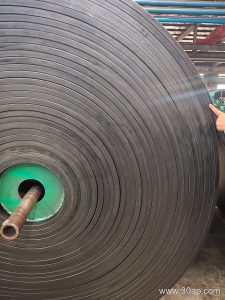
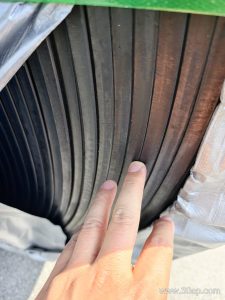
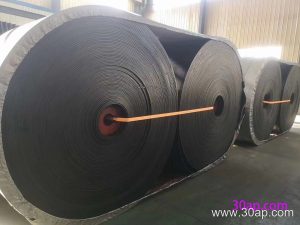
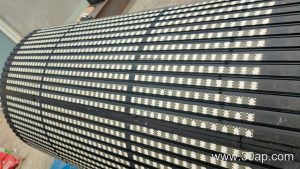
A multi-ply fabric core conveyor belt is a rubber belt whose tensile strength comes from several layers of woven fabric, usually EP (polyester warp, polyamide weft) or NN (nylon/nylon) canvas, bonded together with rubber skim compound and protected by top and bottom cover rubber. It sits between light single-ply belting and steel cord construction, and it is the workhorse choice for long conveying lines in mines, cement plants, power stations, quarries, ports and sand and gravel yards. In everyday purchasing language the same product is often called a multi-ply EP conveyor belt, a fabric core conveyor belt or simply an EP/NN belt, and those names refer to the same family when the ply count and fabric type are stated.
How the Belt Is Built
The carcass is the defining part. Two to six fabric plies are typical, each ply carrying part of the load while the rubber between plies prevents chafing. Cover rubber thickness is chosen for the duty: common combinations are 3+1.5 mm, 4+2 mm, 5+2 mm, 6+2 mm and 8+3 mm, with heavier covers on the carrying side where lumps, abrasion or heat are present. Edge construction, whether cut edge or moulded edge, influences resistance to edge fraying on troughed idlers and around bend pulleys.
Strength grades are expressed as EP or NN numbers, which indicate the nominal tensile strength of the carcass in newtons per millimetre per ply. Typical EP grades include EP200, EP315, EP400, EP500, EP630, EP800, EP1000, EP1250, EP1600 and EP2000. NN grades follow a similar pattern, such as NN100 through NN400. A higher grade does not automatically mean a better belt for every line; the drive power, take-up travel, pulley diameters and impact loading all matter.
| Parameter | Common range (reference only) |
|---|---|
| Fabric type | EP, NN |
| Ply count | 2 to 6 plies |
| Strength grade | EP200 to EP2000; NN100 to NN400 |
| Belt width | B500, B650, B800, B1000, B1200, B1400, B1600, B1800, B2000 mm |
| Cover thickness | 3+1.5, 4+2, 5+2, 6+2, 8+3 mm |
Where It Fits on the Conveyor
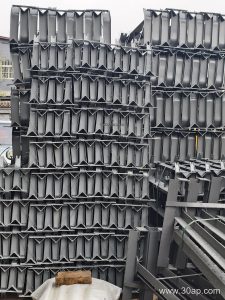
The belt wraps the drive pulley, passes over the tail pulley and any bend pulleys, and rides on idler rollers spaced along the structure. Each of those components is different and should be specified separately: drive pulleys transmit torque, tail pulleys set the return point, and bend pulleys change direction without driving. Troughing idlers shape the belt into a channel for bulk material, while the conveyor bracket and frame hold everything in alignment. A fabric core belt tolerates misalignment and impact reasonably well, which is why it appears on crusher discharge lines, screen feeds and transfer points in aggregate and ore circuits.
Grades and Application Conditions
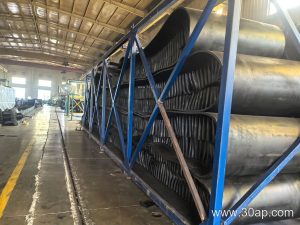
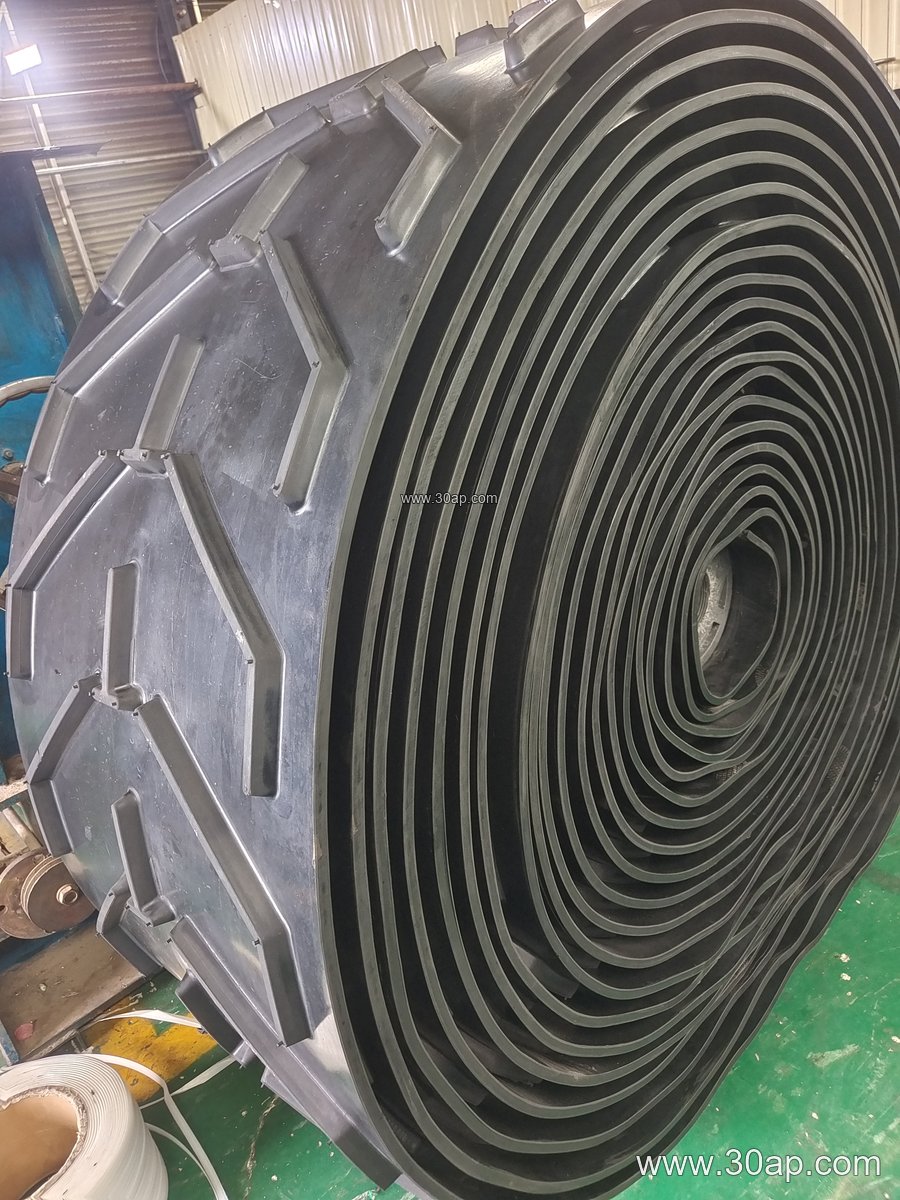
The same carcass can be paired with different cover compounds. An abrasion resistant conveyor belt suits sharp stone, clinker and sinter; a heat resistant conveyor belt is used after kilns and dryers; a flame retardant conveyor belt or fire resistant conveyor belt is common in coal mining conveyor systems and underground coal mining conveyor belts; oil resistant and chemical resistant covers appear in recycling and processing plants. Cold resistant belts serve outdoor yards in winter, and anti-static grades help where dust ignition is a concern. Chevron and corrugated sidewall versions use the same fabric core idea for inclined or steep paths, but they are separate designs, not substitutes for a flat multi-ply belt.
Selection Points for Buyers
- State the material, lump size, tonnage per hour and incline; these drive width and cover choice more than any single number.
- Give the conveyor layout: centre distance, lift, drive pulley and tail pulley diameters, and the number of bend pulleys.
- Confirm the required grade and ply count rather than asking for a width alone. Belt width and pulley diameter are matched by design calculation, not by a fixed rule.
- Specify cover thickness for both faces and note any heat, oil, flame or cold exposure.
- Ask about splice method and whether an endless conveyor belt is preferred for the installed position.
- For very high tension or long single flights, compare with a steel cord conveyor belt; for light duty, a single-ply or PVC belt may be enough.
Installation and Maintenance Notes
Keep idler rollers turning freely and check pulley lagging for wear, because a slipping drive pulley heats the belt surface quickly. Align the structure so the belt trains centrally; edge damage usually starts with a crooked frame or a seized roller. Store spare belt rolls flat and dry, and inspect splices for ply separation. A multi-ply fabric core conveyor belt usually gives good service when the carcass grade, cover compound and pulley geometry are chosen together rather than in isolation.