What Is a Belt Conveyor Take-Up Pulley?
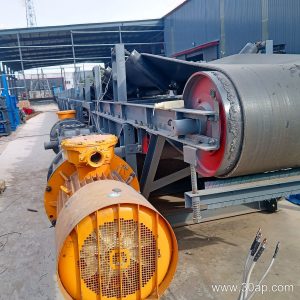
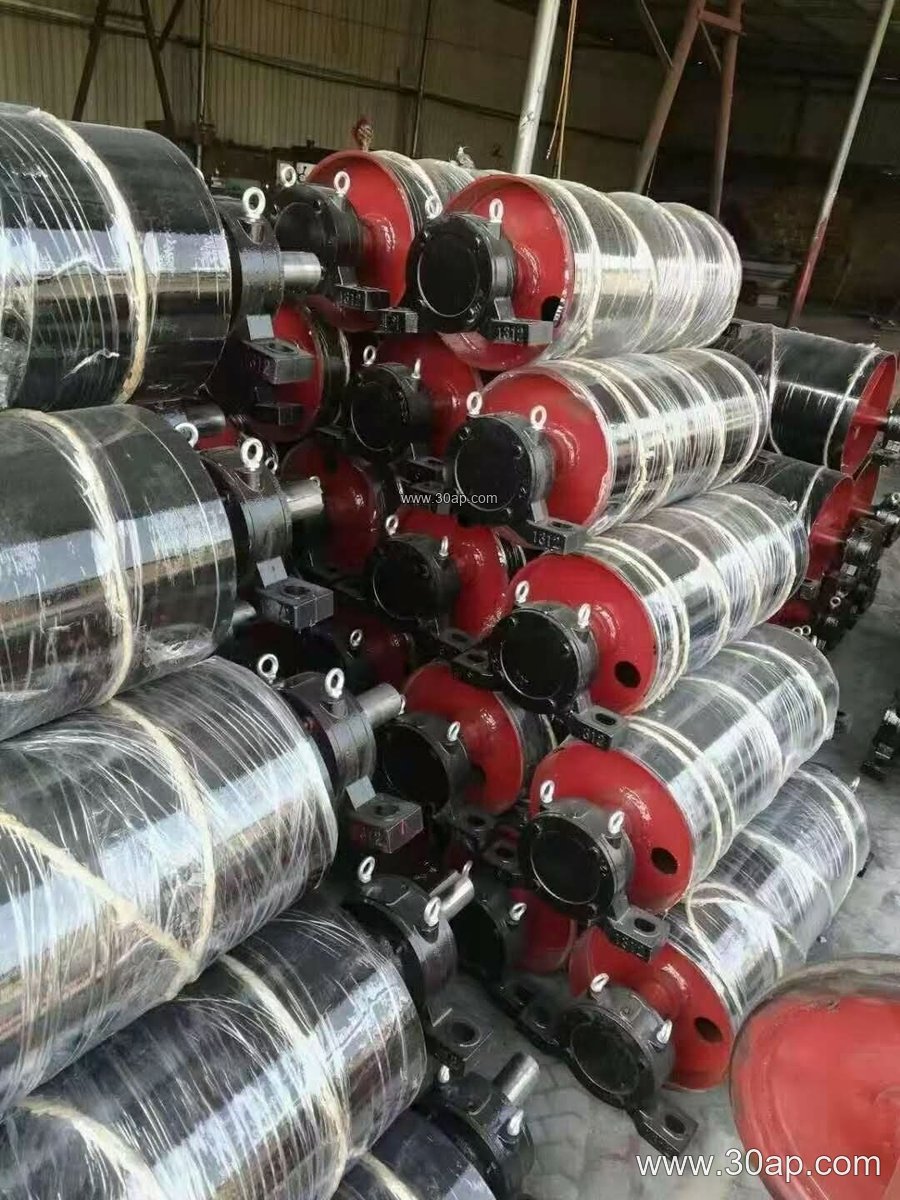
The belt conveyor take-up pulley is a specialized conveyor pulley that maintains proper belt tension in a conveyor system. Unlike drive, tail, or bend pulleys, which transmit power or change belt direction, the take-up pulley is mounted on a movable carriage or take-up frame. Its primary role is to compensate for belt stretch and ensure consistent contact between the conveyor belt and the drive pulley, preventing slippage and reducing wear. This pulley is often used in mining, coal preparation, cement plants, and power plant coal handling systems where belt tension must be carefully controlled.
Construction and Key Features
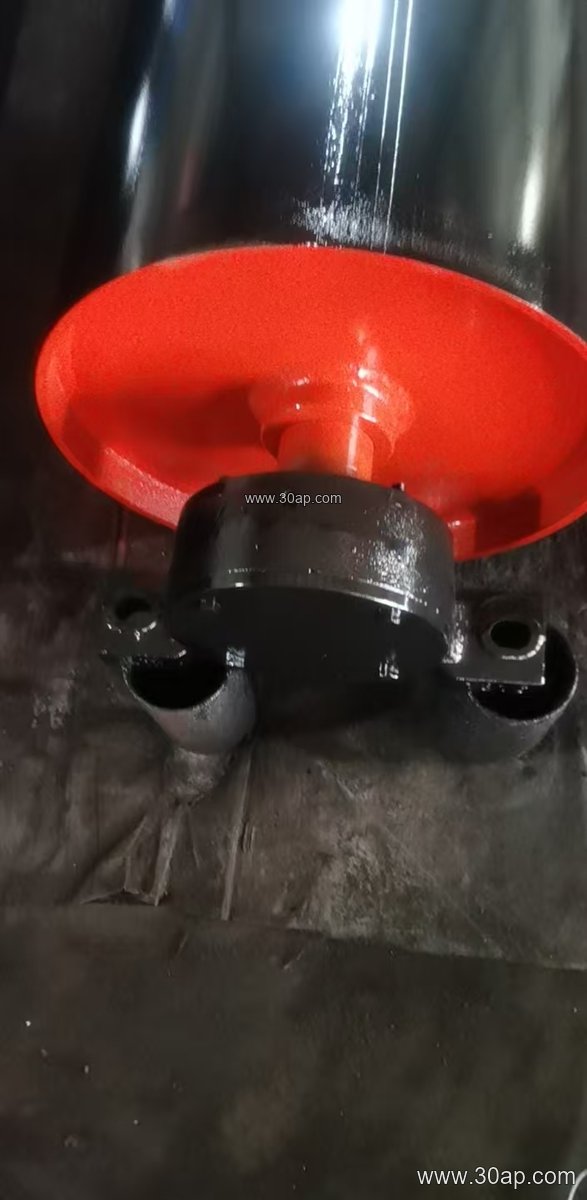
A typical belt conveyor take-up pulley is built with a heavy-duty cylindrical shell, welded end discs, and a through shaft or stub shafts. The shell may be smooth or covered with rubber lagging to improve grip and protect the belt. Common surface options include plain, cast rubber, cold-bonded rubber, and hot-vulcanized rubber, with diamond or herringbone patterns available for specific traction needs. Lagging thickness often ranges from 8 mm to 20 mm depending on the application. The pulley is supported by bearings housed in bearing blocks that slide along the take-up frame, allowing horizontal or vertical movement. Shaft diameters are selected based on torque and load, with common sizes such as Ø80, Ø100, Ø120, and Ø140 mm; the exact shaft size should be determined by design calculations, not by belt width alone.
Where It Is Used
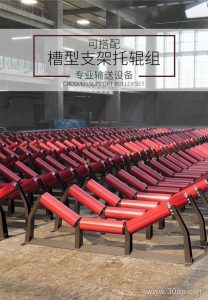
Take-up pulleys are essential in any conveyor that requires controlled belt tension. In a quarry or aggregate plant, they help maintain tension on a quarry conveyor belt or aggregate conveyor belt that transports crushed stone. In coal mining, they are often found on underground coal mining conveyor belt systems, where space is limited and reliability is critical. Cement plants use them on clinker conveyors, while power plants rely on them for coal handling lines. The pulley works in harmony with the conveyor belt, idler roller, and conveyor bracket to keep the entire system running smoothly.
Types and Configurations
Take-up pulleys can be classified by their mounting arrangement: horizontal take-up (screw or hydraulic) and vertical gravity take-up. They may also be supplied as part of a complete take-up assembly, including the frame, guides, and tensioning device. When selecting a take-up pulley, consider the belt width, required tension, and available space. Common belt widths for conveyors using take-up pulleys include B500, B650, B800, B1000, B1200, and B1400. The pulley diameter should be chosen to match the belt thickness and flexibility; typical diameters are Ø315, Ø400, Ø500, Ø630, and Ø800 mm. For example, a B800 conveyor might use a Ø500 take-up pulley, while a B1200 system could use a Ø630 or Ø800 pulley. The pulley face width is usually slightly wider than the belt, for instance, a B800 belt may require a pulley face of about 950 mm.
Selection and Maintenance Tips
Buyers should specify the belt width, belt type (such as EP conveyor belt, steel cord conveyor belt, or flame retardant conveyor belt), and the maximum tension required. The take-up pulley must be compatible with the take-up frame travel and the belt’s elongation characteristics. Regular maintenance includes checking bearing lubrication, inspecting lagging for wear, and verifying that the pulley moves freely along its guides. In dusty environments like a cement plant conveyor belt system, sealed bearings and proper lagging help extend service life. Always follow the conveyor designer’s recommendations for pulley diameter and shaft size; never assume a fixed relationship between belt width and pulley dimensions.
Related Equipment and Considerations
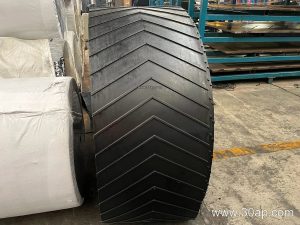
While the take-up pulley is the focus, it interacts with other components such as the conveyor pulley (drive or tail), idler roller, and conveyor bracket. In a mining conveyor belt system, a well-designed take-up pulley reduces stress on the conveyor belt and minimizes the risk of mistracking. For high-abrasion applications, consider a abrasion resistant conveyor belt and a pulley with suitable lagging. Whether you are upgrading a coal mining conveyor belt or building a new aggregate conveyor belt line, the take-up pulley plays a vital role in keeping the system efficient and safe.