What a Conveyor Bracket Assembly Does
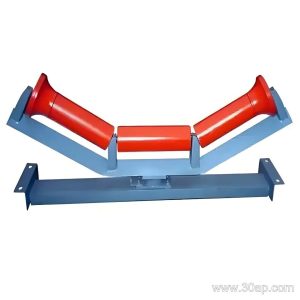
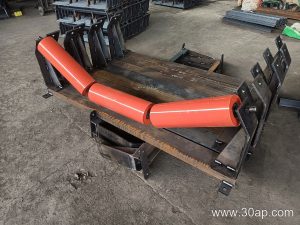
A conveyor bracket assembly is the structural interface between the conveyor frame and the rolling components that carry the belt. In practice, it is the fabricated steel unit—often called a conveyor bracket—that holds idler rollers at the correct height, angle, and spacing so the belt runs true under load. Whether the installation is a limestone quarry, a coal washing plant, or a cement clinker line, the bracket assembly determines how well the belt is supported and how easily the system can be maintained.
The assembly is not a single universal part. It is a family of supports: troughing brackets that set the belt into a carrying profile, transition brackets that ease the belt from flat to troughed, return brackets that support the empty strand, and self-aligning or training brackets that correct mistracking. Each subtype has a distinct role, and none should be treated as a substitute for another.
Construction and Common Materials
Most conveyor bracket assemblies are built from angle steel, channel steel, or folded steel plate. The choice depends on load, span, and the environment. In a dusty quarry or an iron ore stockyard, heavier channel sections resist deformation better; in a port terminal handling bulk material, folded plate can reduce weight while keeping stiffness. The bracket is usually drilled or slotted to match the idler frame, and the mounting hole spacing and crossbeam length vary with belt width, trough angle, and the roller diameter selected.
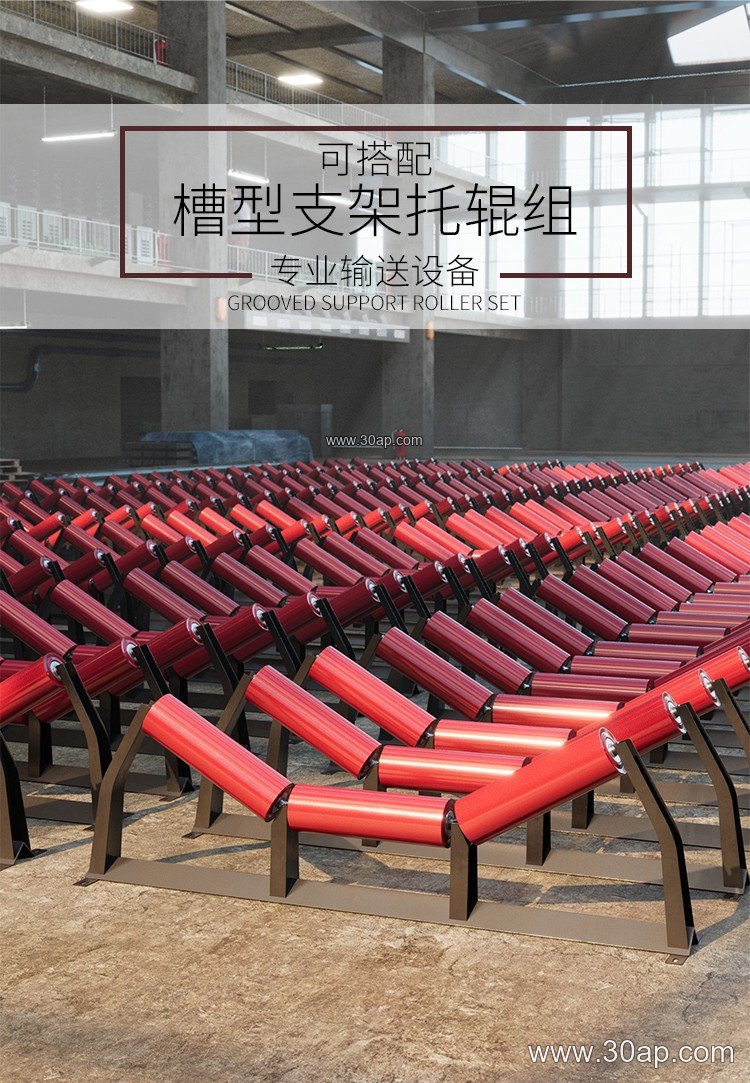
Typical bracket types include:
- Troughing and upper trough brackets
- Transition brackets
- Return and V-return brackets
- Impact bracket assemblies for load points
- Self-aligning and forward-leaning brackets
- Adjustable brackets that allow trough angle changes
Common belt widths for these assemblies range from B500 to B2200, with trough angles of 20, 30, 35, or 45 degrees. Roller diameters such as Ø89, Ø108, Ø133, Ø159, and Ø194 are frequently paired with these brackets, but no single belt width locks in one trough angle or one roller size. The correct combination is set by the conveyor design, not by a catalog rule.
Where the Assembly Fits in the System
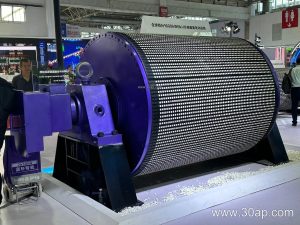
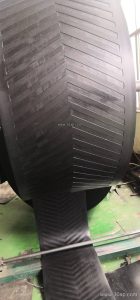
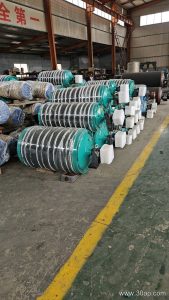
On a typical conveyor, the bracket assembly works together with the conveyor belt, idler roller, and conveyor pulley. The belt carries the material, the idlers rotate under it, and the pulleys drive or redirect it. The bracket holds the idlers in place. In a crusher conveyor or a screen feed line, impact brackets at the loading point absorb shock before the belt reaches the standard troughing sets. In a power plant coal yard, self-aligning brackets help keep the belt centered through long runs and curves.
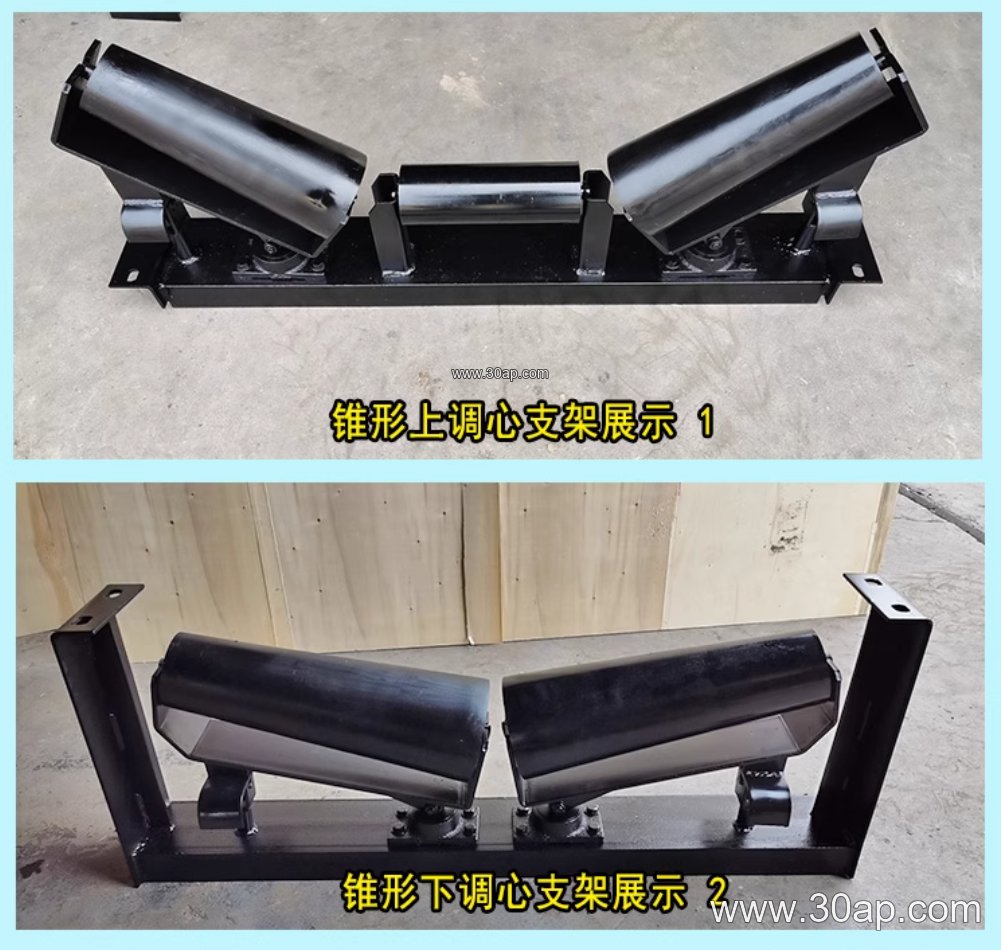
Adjustable brackets are useful where the belt profile may need fine-tuning after installation. Fixed brackets suit stable, well-defined conveyor geometry. Forward-leaning brackets, often set at about 1.5 to 2 degrees, can assist with belt training on some layouts, while V-return brackets support the return strand and help shed carryback.
Selection and Maintenance Notes
A buyer should confirm the belt width, trough angle, roller diameter, and mounting interface before ordering. For example, a B800 conveyor running at 35 degrees with Ø108 rollers will need a different bracket geometry from a B1200 line at 45 degrees with Ø133 rollers. The bracket should also match the frame hole pattern and the expected load. In abrasive service—such as a sand and gravel plant or a copper ore operation—inspect for wear at the idler seats and check bolt tightness regularly.
Because the bracket assembly ties together the conveyor belt, idler roller, and conveyor pulley alignment, small errors can cause edge wear or mistracking. Keep spare brackets for critical zones and verify that replacement units match the original angle and spacing. For harsh environments, a flame retardant conveyor belt or abrasion resistant conveyor belt may be part of the same system, but the bracket itself must still be sized to the actual roller and frame.