What an Automatic Self-Aligning Idler Does
An automatic self-aligning idler is a training idler that steers a wandering conveyor belt back toward the center line without operator input. When the belt drifts sideways, the idler frame pivots slightly and the roller axis skews relative to the belt path. That small skew generates a lateral force that nudges the belt back on track. In practice it is the same product as a self-training idler, so buyers may see both names in catalogs.
Tracking matters most where belts are long, loaded unevenly, or exposed to wind and rain. A drifting belt can rub the frame, spill material, or damage edges. On a quarry conveyor belt or a coal mining conveyor belt, a few training stations at the right spots often prevent the slow edge wear that leads to premature replacement.
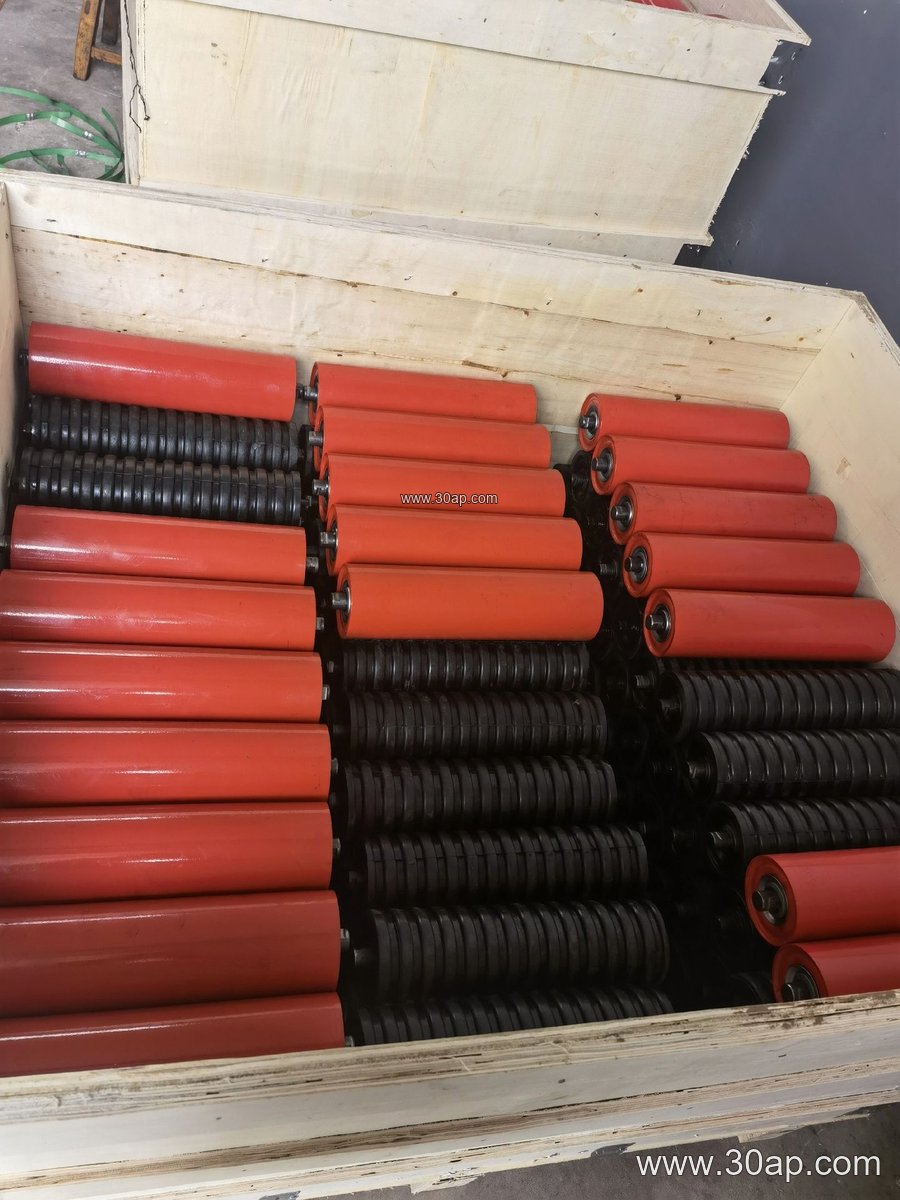
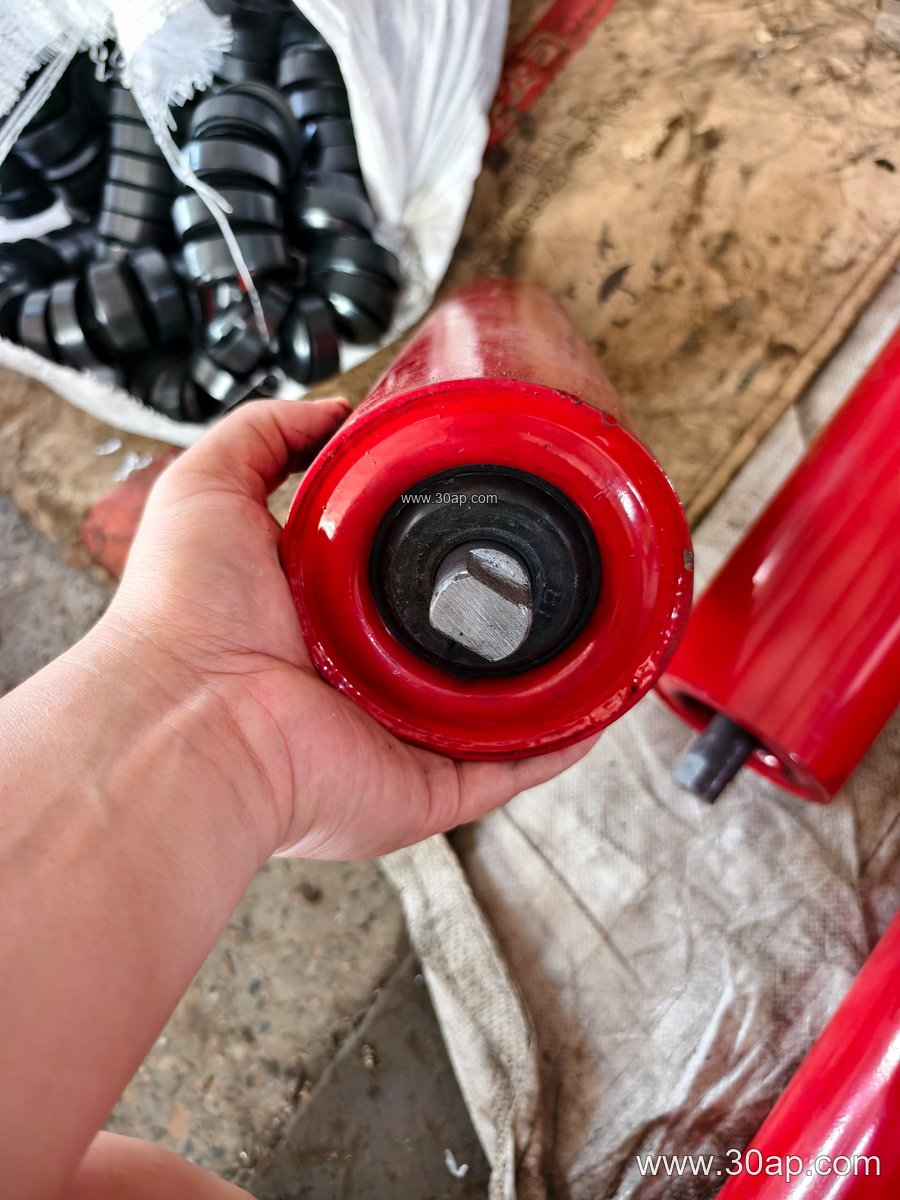
How the Assembly Is Built
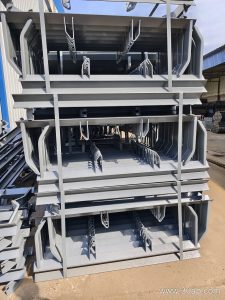
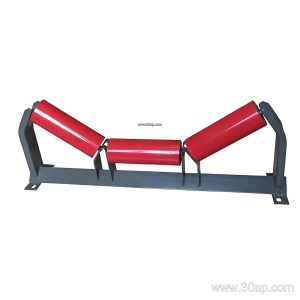
A typical unit combines a pivoting bracket, two or three idler rollers, and a vertical pivot shaft set in a sturdy base. The frame swings on this shaft, and the rollers are mounted with a slight forward lead, usually around 1.5 to 2 degrees, so contact with a misaligned belt produces corrective rotation. Roller shells are commonly steel tube, sometimes with rubber discs for cushioning or nylon and ceramic surfaces for sticky or abrasive duty. Bearings such as 6204, 6205, 6305, 6306, 6308, and 6310 appear across the range; the bearing is matched to load and roller diameter by the manufacturer, not by belt width alone.
Seals deserve attention. Dust from a crusher conveyor belt or grit from a sand making plant conveyor belt reaches the bearing cavity quickly if the labyrinth or lip seal is poor. A well-sealed training idler often lasts far longer than a cheap one, even when the roller body looks the same.
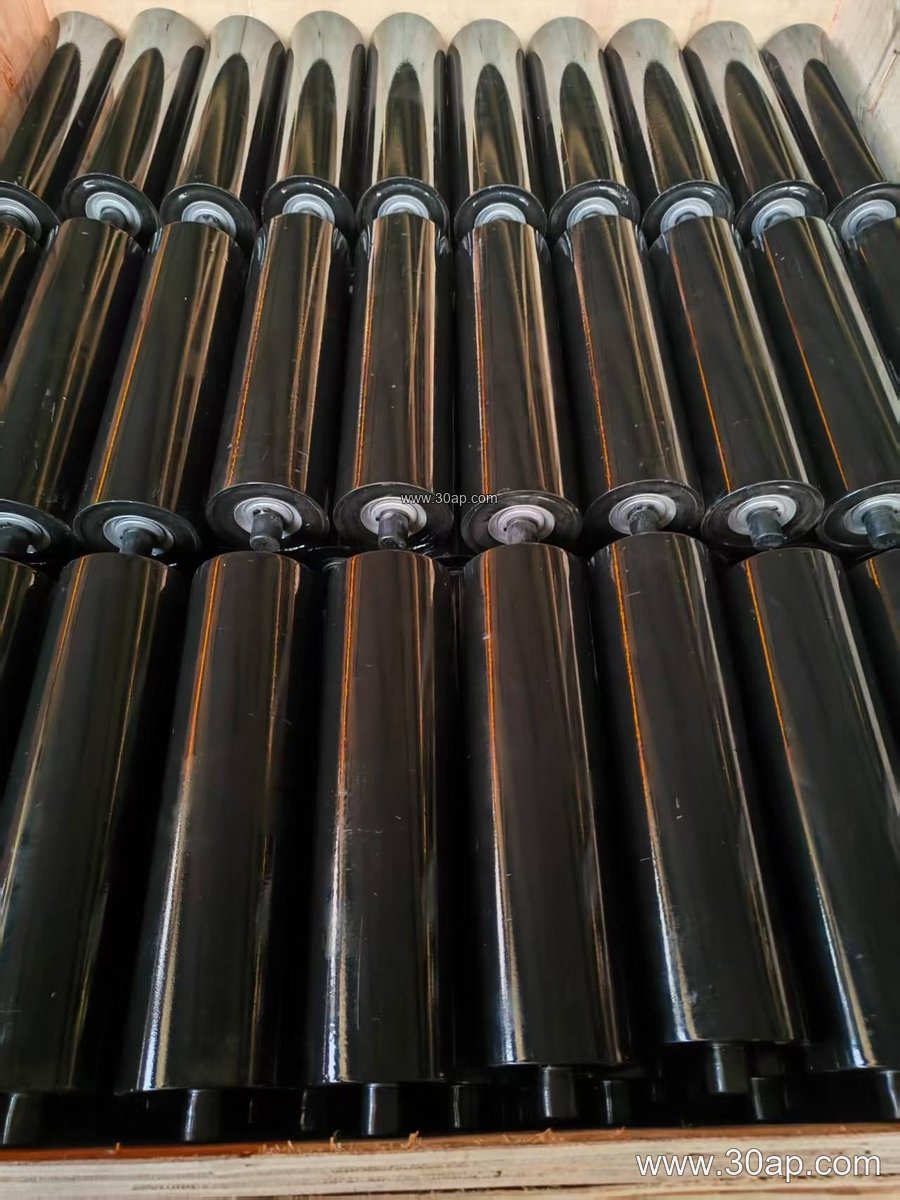
Where These Trainers Fit on a Conveyor
Training stations are usually installed on the carrying side, a short distance after the feed point and at intervals along long runs. On the return strand, V-type return idlers or a self-aligning return unit can handle the same job. They are not a substitute for a drive pulley or a bend pulley; those components transmit power and change belt direction, while the training idler only corrects lateral position. A conveyor pulley and a conveyor bracket work together with the trainer, but each has its own role.
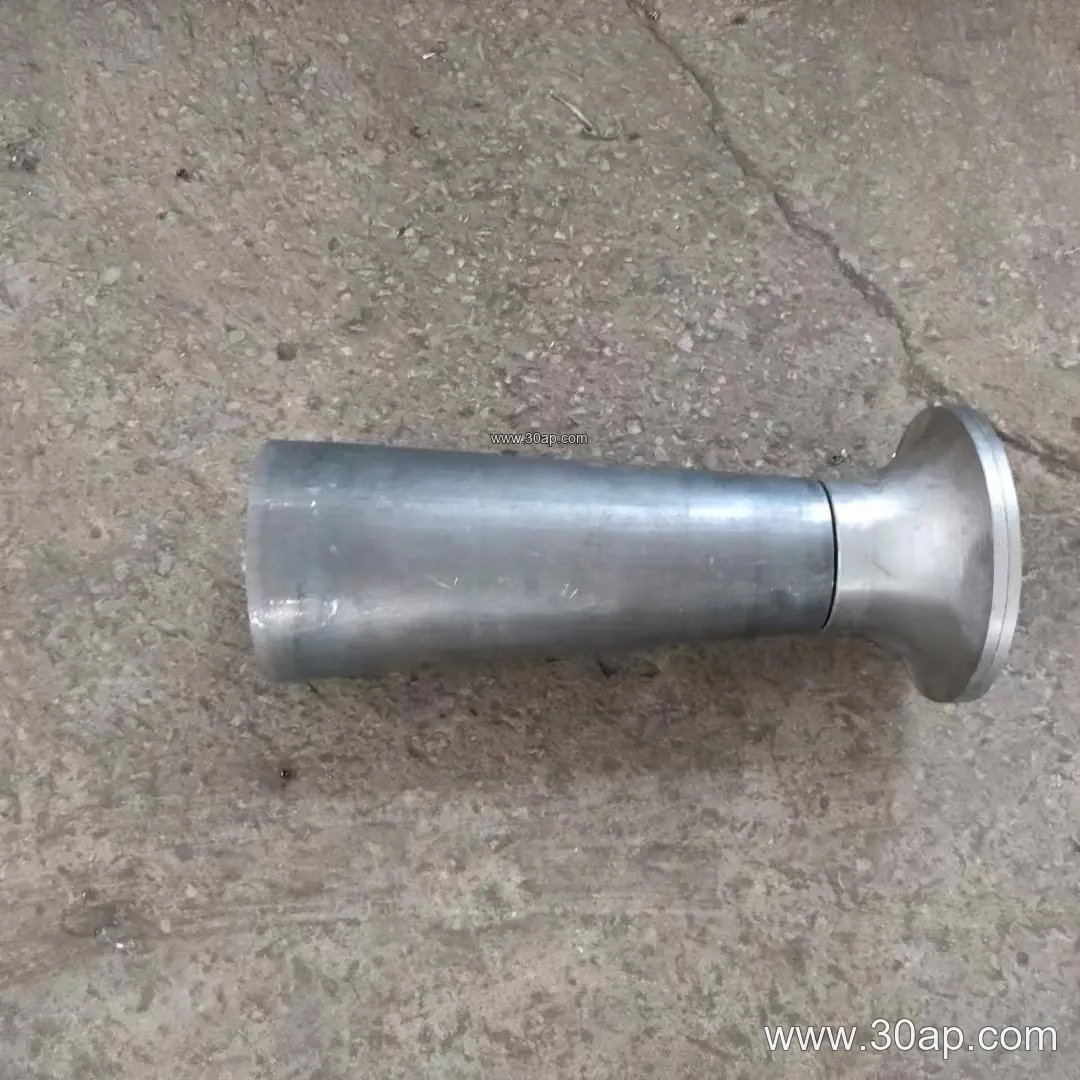
Common duty sites include limestone and iron ore mines, cement plants, power plant coal yards, port ship loaders, and aggregate lines. In underground coal mining, flame retardant conveyor belt and anti-static conveyor belt grades are normal, and the trainer should suit the same environment. The table below shows typical reference ranges, not fixed supply rules.
Reference Dimensions and Options
| Item | Common Reference |
|---|---|
| Roller diameter | Ø76, Ø89, Ø102, Ø108, Ø127, Ø133, Ø159, Ø178 mm |
| Belt width | B500, B650, B800, B1000, B1200, B1400, B1600, B1800, B2000 |
| Trough angle | 20, 30, 35, 45 degrees |
| Forward lead | about 1.5 to 2 degrees |
| Roller surface | steel tube, nylon, ceramic, rubber disc |
| Roller length example | B800 about 315 mm, B1000 about 380 mm, B1200 about 465 mm, B1400 about 530 mm (three-roll trough, illustrative only) |
Side rollers and center rollers can differ in length, so the figures above are examples rather than a rule. A 1200mm wide conveyor belt does not automatically imply one shaft diameter; the pivot and shaft are sized from the actual load case.
Buyer Checklist
- Confirm belt width, trough angle, and whether the station is carrying or return side.
- State the material: wet sticky clay, sharp ore, or hot clinker each calls for a different roller surface and seal.
- Check that the pivot has low friction and a grease point, since a stiff pivot trains poorly.
- Match the frame to the existing conveyor bracket hole pattern where possible.
- For high-abrasion duty, consider a high abrasion resistant conveyor belt alongside better training, because edge damage usually starts with misalignment.
- Ask for the actual roller load rating and seal type, not just the diameter.
Installation spacing also matters. Too few trainers and the belt still wanders between them; too many adds cost and friction. Two or three well-placed units after the loading zone, plus periodic checks of pulley alignment, usually give the best result. On a steel cord conveyor belt carrying heavy ore, training performance depends on clean pulleys and level structure as much as on the idlers themselves.