What a Custom Idler Really Means
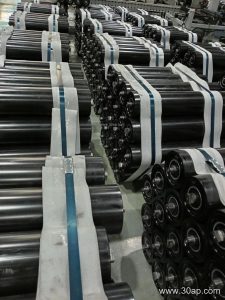
A custom idler is a conveyor idler roller made to match a specific installation rather than taken from a standard catalogue line. The difference can be small, such as a non-standard roller length, or substantial, such as a special shaft end, a particular bearing seat, or a rubber ring profile for impact zones. In practice, buyers ask for a custom idler when the conveyor structure, the belt, or the material being carried does not fit neatly into a standard offering.
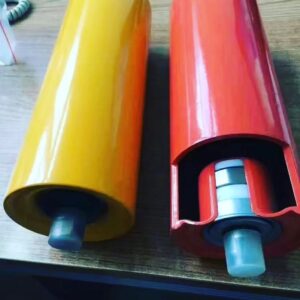
The idler roller itself is a simple assembly: a shell, a shaft, bearing housings, bearings, and a sealing arrangement. What changes in a custom build is how those parts are combined. Roller diameter, wall thickness, shaft diameter, bearing size, and end fittings are selected together, not in isolation. A Ø108 mm roller on a B800 belt may use a 6205 bearing in one design and a 6305 in another, depending on load and sealing requirements. This is why a custom idler specification should always be confirmed by the conveyor designer.
Where Custom Idlers Fit in the Conveyor
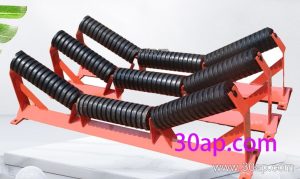
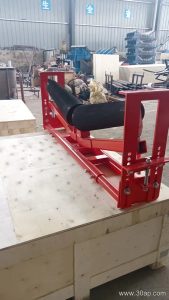
Troughing idlers carry the loaded side of the belt, return idlers support the empty side, and impact idlers sit under loading points where lumps fall onto the belt. Transition idlers ease the belt from flat to troughed. Each position places different demands on the roller, and a custom idler often appears where a standard unit cannot be fitted without compromise.
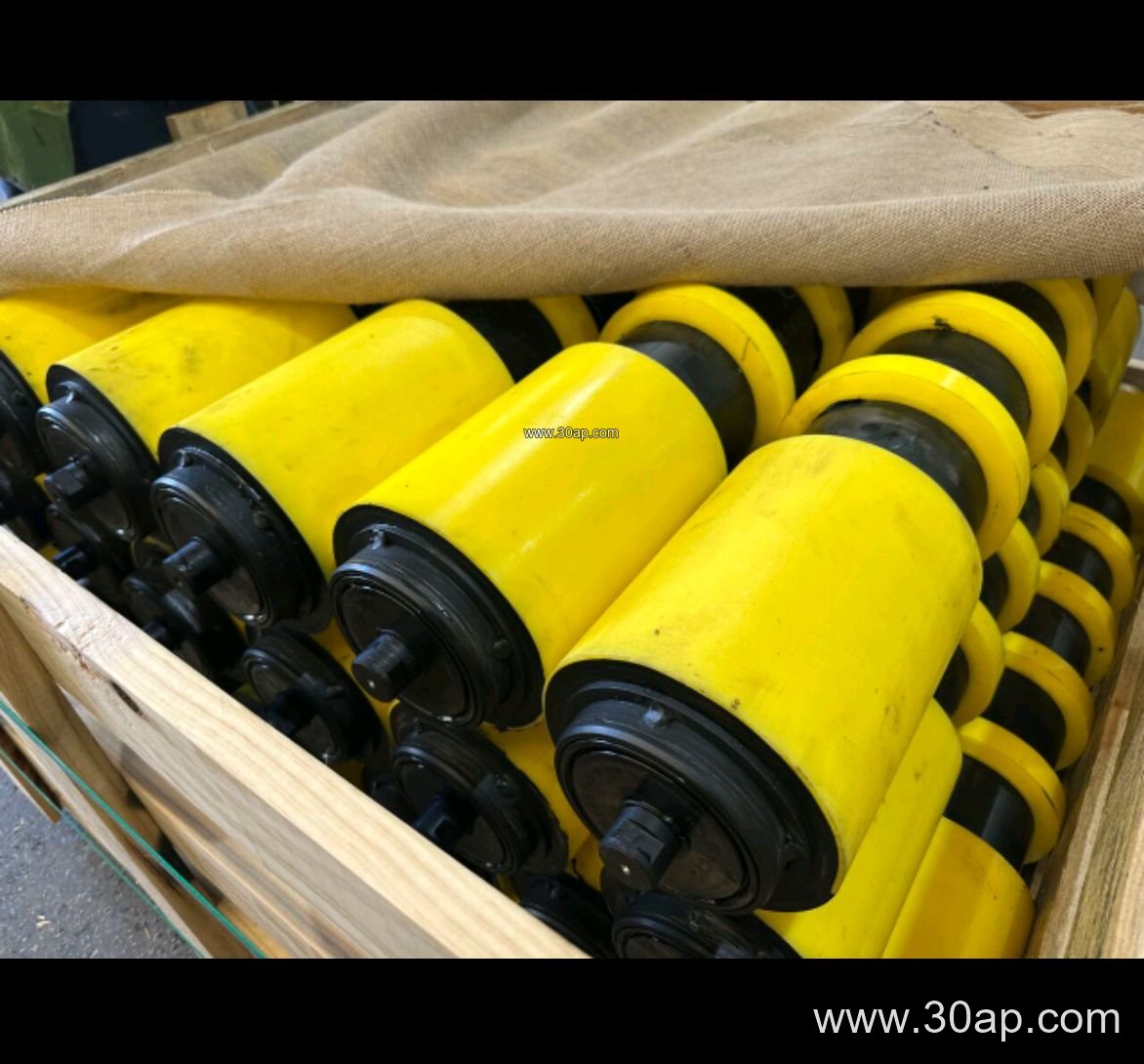
Typical settings include a quarry conveyor handling abrasive rock, a cement plant feeding clinker, a coal handling system in a power plant, and a crushing and screening line where belt widths and roller lengths vary between sections. In these environments, a custom idler roller may be specified with a thicker shell, a reinforced shaft, or a rubber ring surface to absorb impact from coarse material.
Construction Details That Matter
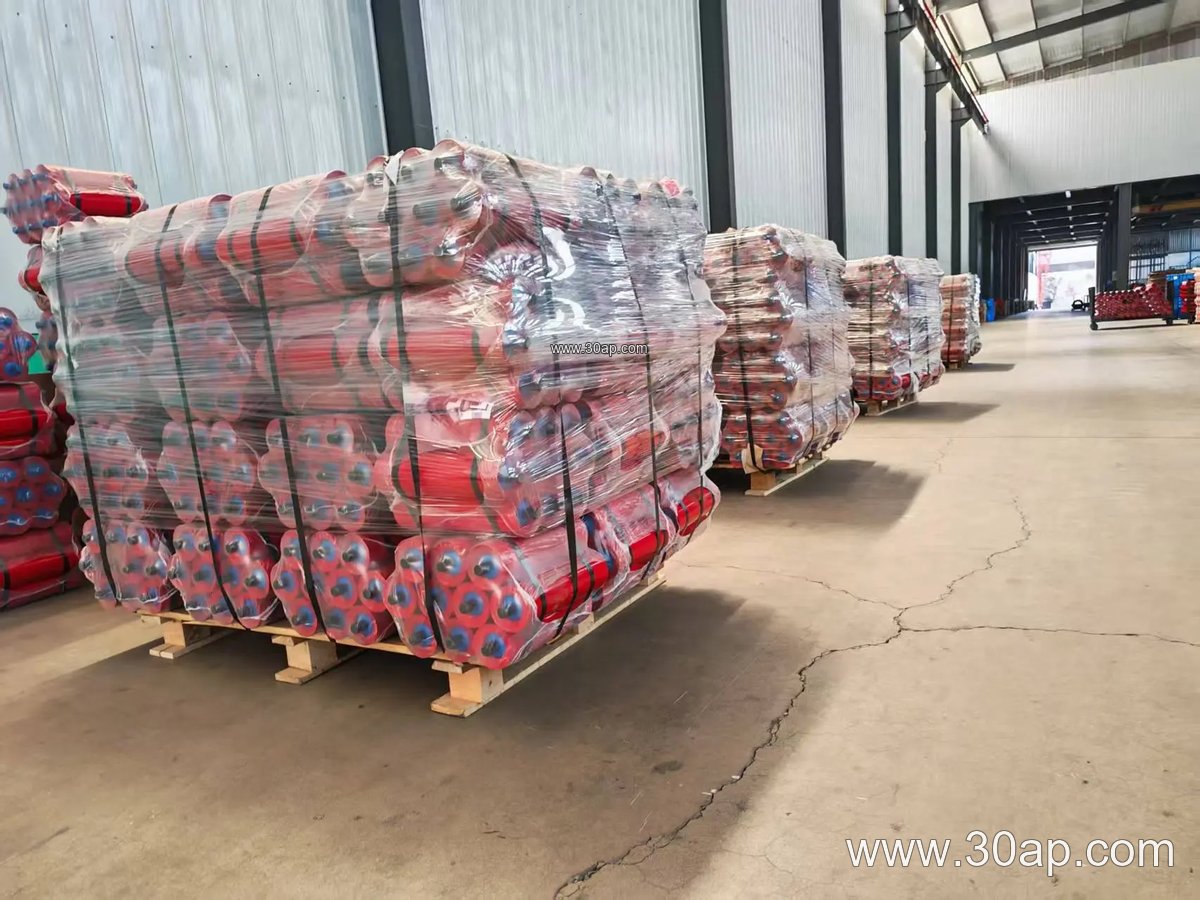
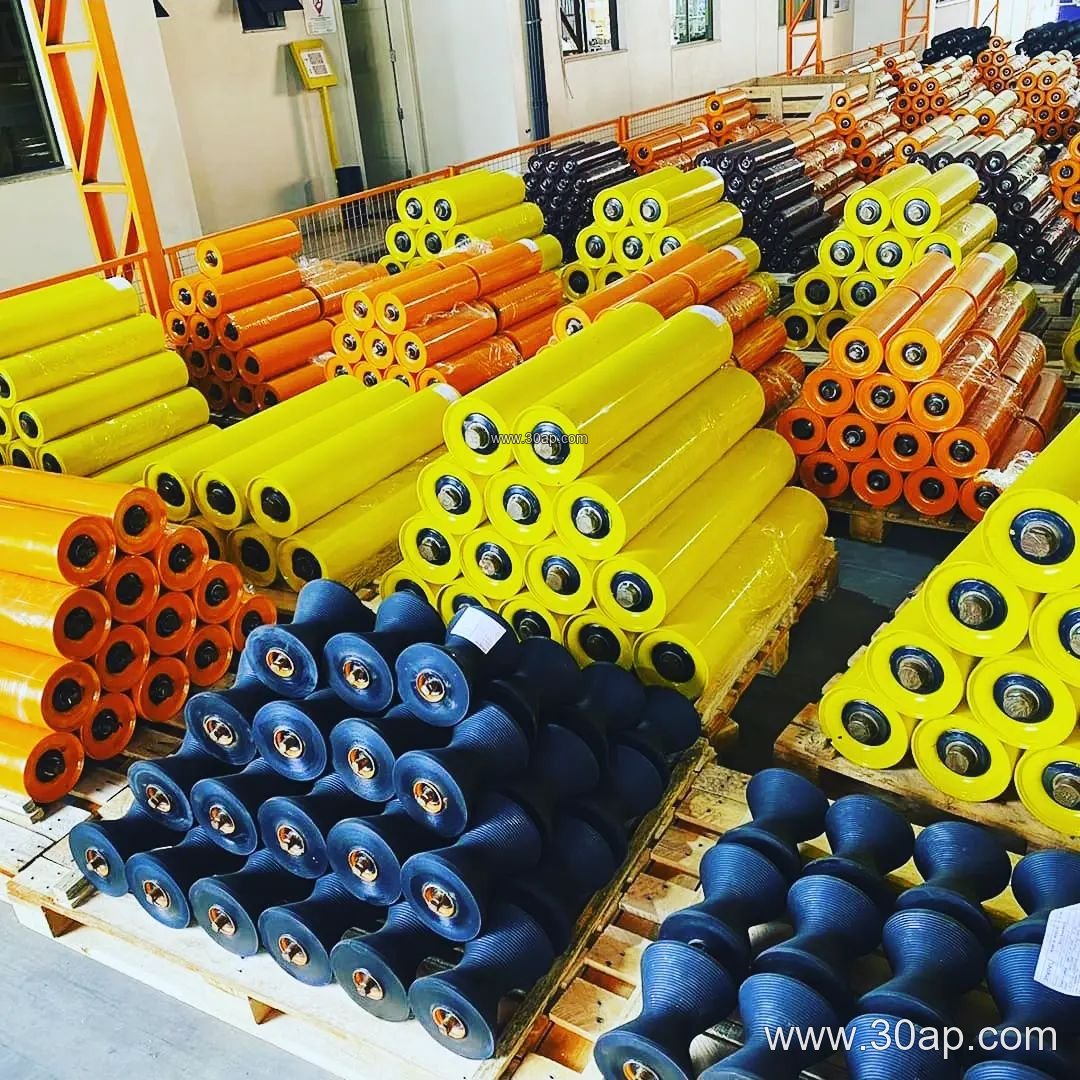
A well-built custom idler balances shell stiffness, bearing protection, and running resistance. Common roller diameters include Ø63, Ø76, Ø89, Ø102, Ø108, Ø127, Ø133, Ø159, Ø178, Ø194, and Ø219 mm, with the larger sizes used on wider belts and heavier loads. The shell may be steel tube, nylon, ceramic, or fitted with rubber rings. Bearing sizes such as 6204, 6205, 6305, 6306, 6308, and 6310 appear across the range, and the correct choice depends on the calculated load, not on the roller diameter alone.
Roller length follows belt width, trough angle, and idler group form. For a three-roll troughing set, common roller lengths are roughly 200 mm for B500, 250 mm for B650, 315 mm for B800, 380 mm for B1000, 465 mm for B1200, 530 mm for B1400, 600 mm for B1600, 670 mm for B1800, and 750 mm for B2000. These are examples only; side rollers and centre rollers can differ, and a custom idler is often needed when the frame geometry is non-standard.
Reference Data for Custom Idler Enquiries
The following values are reference points, not fixed combinations. Any custom idler should be confirmed against the actual conveyor layout.
- Roller diameter range: Ø63 mm to Ø219 mm
- Belt width range: B400 to B2400
- Trough angles: 20, 30, 35, and 45 degrees
- Bearing options: 6204, 6205, 6305, 6306, 6308, 6310
- Shell options: steel, nylon, ceramic, rubber ring
- Idler group forms: single roll, two roll, three roll troughing
| Belt Width | Typical Roller Length (Three-Roll Set) | Common Roller Diameter |
|---|---|---|
| B500 | about 200 mm | Ø89 to Ø108 mm |
| B650 | about 250 mm | Ø89 to Ø108 mm |
| B800 | about 315 mm | Ø108 to Ø133 mm |
| B1000 | about 380 mm | Ø108 to Ø159 mm |
| B1200 | about 465 mm | Ø133 to Ø159 mm |
| B1400 | about 530 mm | Ø133 to Ø178 mm |
| B1600 | about 600 mm | Ø159 to Ø194 mm |
| B1800 | about 670 mm | Ø159 to Ø219 mm |
| B2000 | about 750 mm | Ø178 to Ø219 mm |
Matching the Idler to the Belt and Material
The belt is the other half of the equation. An abrasion resistant conveyor belt running over a custom idler in a quarry will wear differently from a steel cord conveyor belt on a long overland route. A heat resistant conveyor belt in a cement plant needs idlers that do not trap heat, while a flame retardant conveyor belt in a coal mining conveyor system calls for careful attention to bearing seals and material build-up.
For loading zones, impact idlers with rubber rings are often compared with plain steel troughing idlers. The rubber ring version absorbs shock from large lumps, but it is not a replacement for a transition idler or a return idler; each position has its own job. Similarly, a V-shaped return idler is used for belt training on the return strand, while a flat return idler is the simpler choice for lighter belts. A custom idler can combine features, for example a rubber ring surface on a non-standard shaft length, but the application should drive the design.
What Buyers Should Prepare Before Ordering
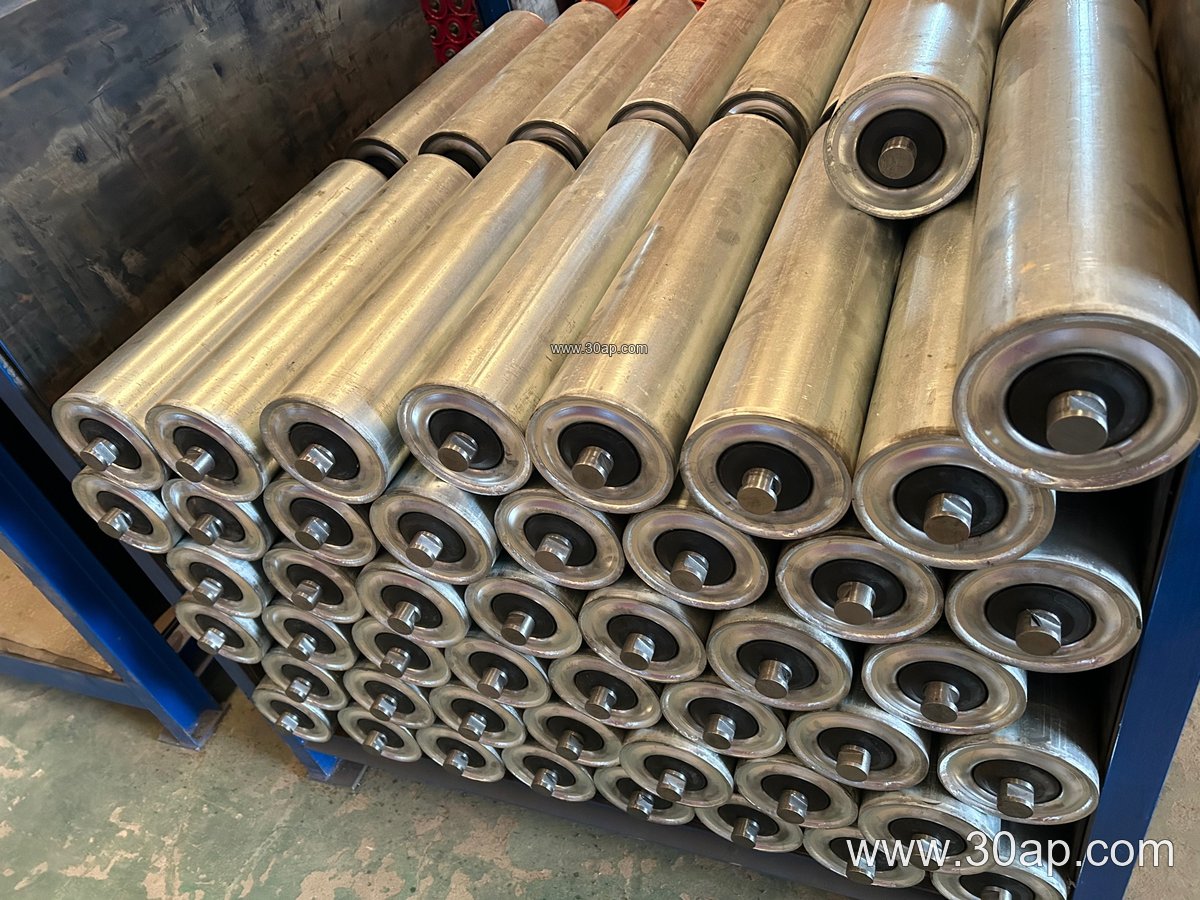
A clear enquiry saves time. The buyer should provide belt width, belt type and thickness where relevant, roller diameter, roller length, shaft diameter and end configuration, bearing preference, shell material, and the idler position on the conveyor. It also helps to state the environment: a coal mining conveyor belt or an underground coal mining conveyor belt may require different sealing than an aggregate conveyor belt in a dry quarry.
Quantities and spare parts planning matter as well. Custom idlers are not always interchangeable with standard stock, so keeping a small number of spares for the most loaded positions is sensible. Finally, confirm the drawing before production, especially for shaft ends and mounting dimensions, because a few millimetres can decide whether the idler fits the conveyor bracket.
For more information on idler rollers and related conveyor components, visit china-conveyorbelt.com and review the custom idler options alongside conveyor belt and conveyor pulley selections.