What an EP Conveyor Belt Is
An EP conveyor belt is a fabric-core rubber belt built around warp threads made of polyester (E) and weft threads made of polyamide, or nylon (P). The two fibres work as a pair: the polyester warp keeps the belt from stretching too much under load, while the polyamide weft gives it flexibility and resistance to impact. This combination is why the EP fabric core conveyor belt has become a common choice for long runs and steady bulk transport.
In everyday site language the product is also called an EP rubber conveyor belt or simply an EP belt. It is a fabric-core belt, not a steel cord belt, and the difference matters when you compare tension ratings, splice methods and pulley requirements.
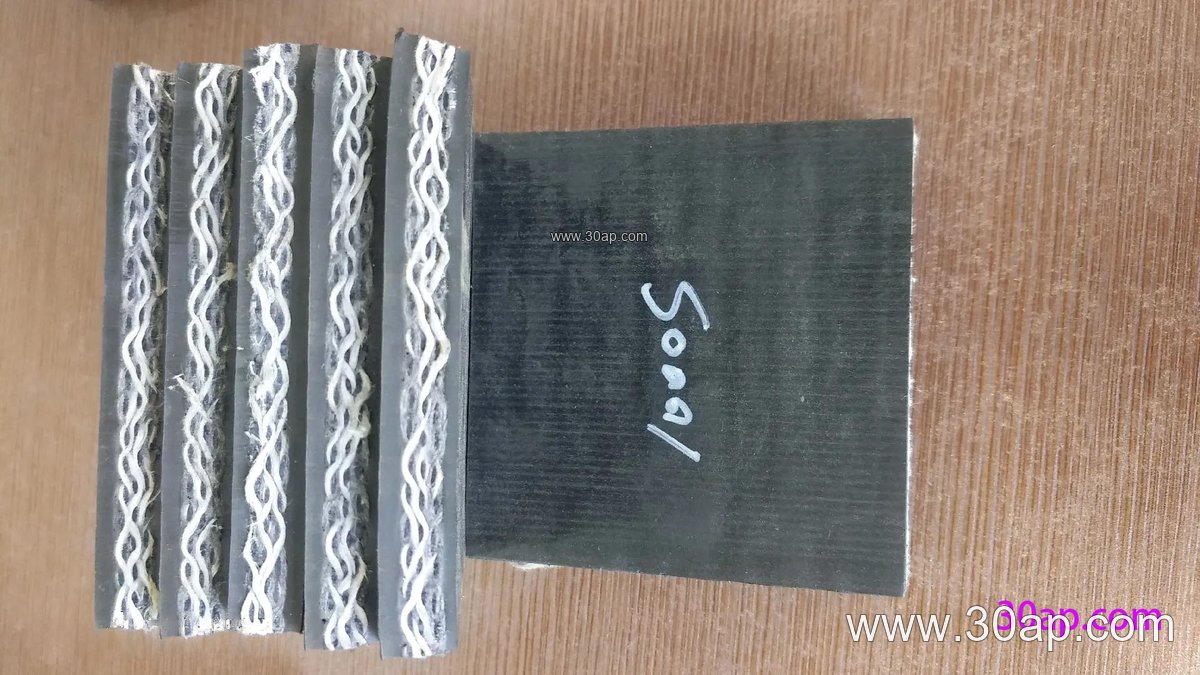
How the Belt Is Built
The carcass is usually made of two to six fabric plies, bonded with rubber skim between layers. On top and bottom sit the cover compounds, which protect the carcass from abrasion, moisture and the material being carried. Cover thickness is often written as a pair of numbers, for example 4+2 mm or 6+2 mm, meaning top cover plus bottom cover. The total belt thickness, such as an EP conveyor belt at 10 mm thick, depends on the ply count and cover gauge chosen.
Edge construction, skim quality and the bonding between plies are just as important as the headline strength figure. A belt that delaminates early is usually a sign of poor ply adhesion or of covers that were specified too thin for the duty.
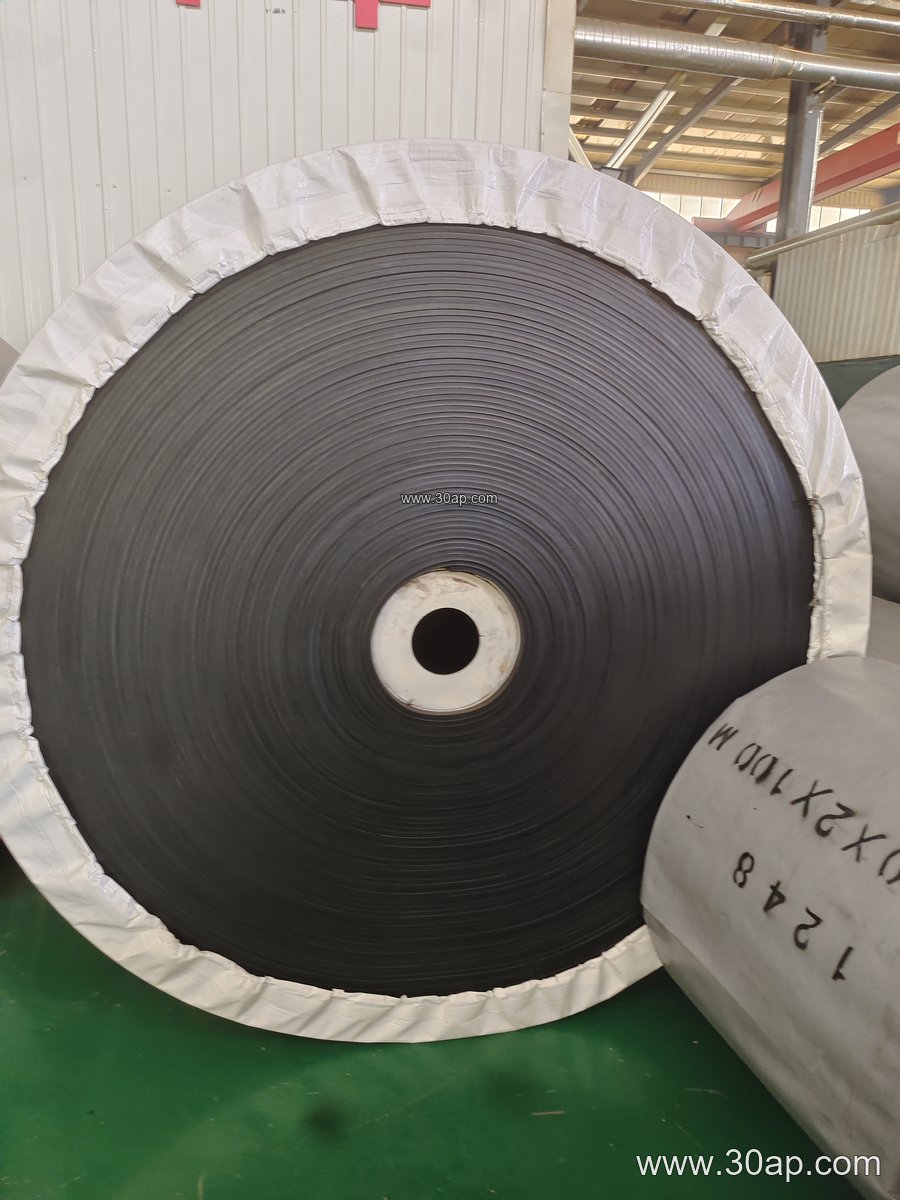
Strength Grades and Common Sizes
EP belts are rated by the tensile strength of the carcass, expressed in newtons per millimetre of width. Common grades include EP200, EP315, EP400, EP500, EP630, EP800, EP1000, EP1250, EP1600 and EP2000. The higher the number, the greater the load the belt can carry per unit of width, but the belt also becomes stiffer and needs larger pulleys to run properly.
Widths usually follow the conveyor design, with B500, B650, B800, B1000, B1200, B1400, B1600, B1800 and B2000 being typical. Below is a reference table only; actual values are set by the conveyor designer and confirmed by the belt manufacturer.
- EP200 to EP400 – light to medium duty, short to medium centres
- EP500 to EP800 – general bulk handling, aggregate and cement lines
- EP1000 to EP1250 – heavy duty, long overland and quarry circuits
- EP1600 to EP2000 – high tension, large tonnage installations
Where It Fits on Site
You will see this belt in mines, coal preparation plants, cement works, power stations, steel plants, quarries and sand and gravel yards. It handles crushed rock, ore, clinker, coal, limestone and similar bulk material. In a coal mining conveyor belt duty, a flame retardant grade is normally required, and anti-static properties are often specified alongside it.
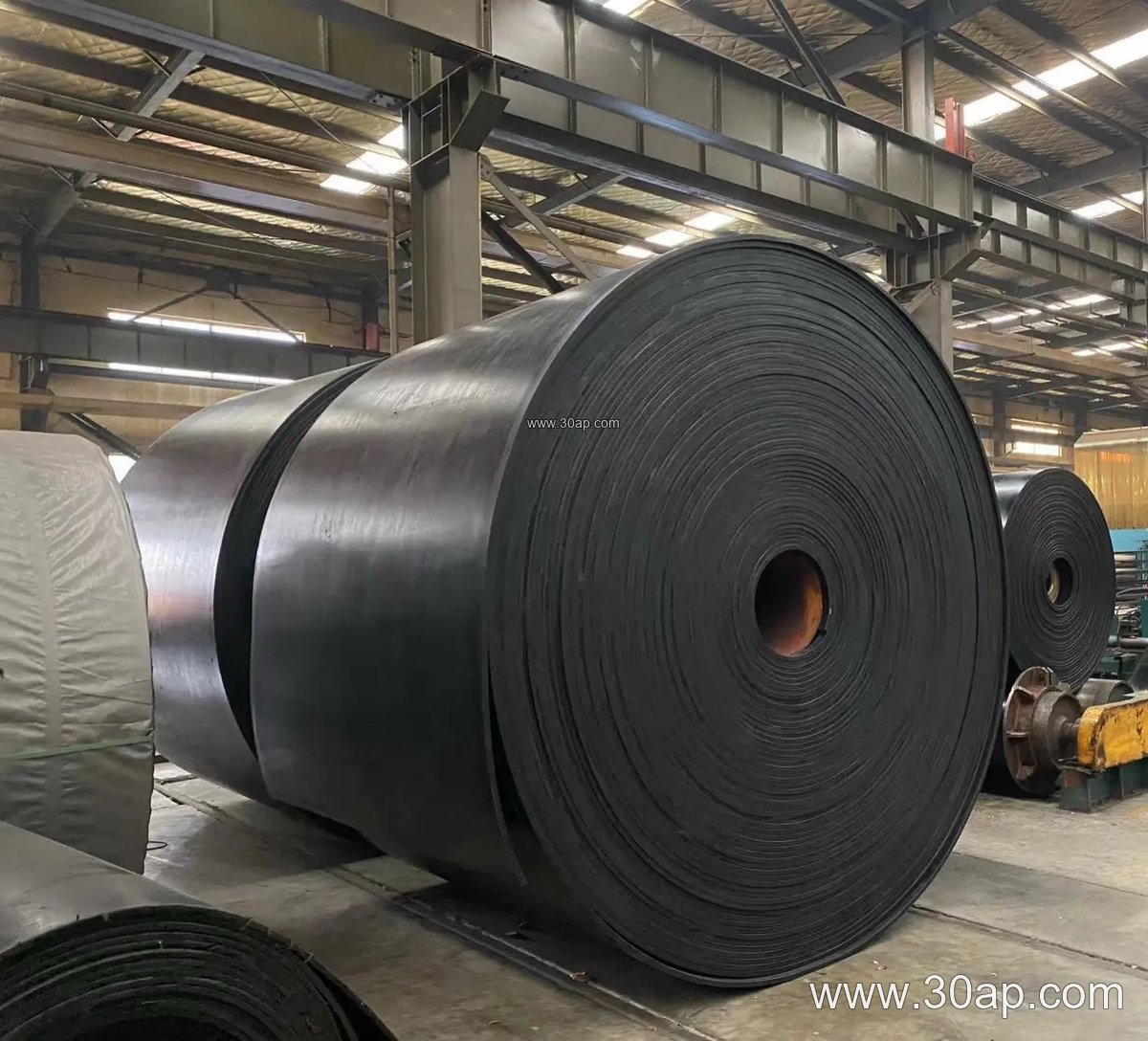
Cover compound choice follows the cargo. An abrasion resistant conveyor belt suits sharp crushed stone; a heat resistant conveyor belt suits clinker or sinter; an oil resistant belt suits oily scrap or certain ores. Cold resistant, acid resistant and food grade versions exist for other duties. For inclined sections, a chevron conveyor belt or a corrugated sidewall belt may be preferred, but these are separate designs and should not be treated as direct substitutes for a flat EP belt.
Buyer Checklist
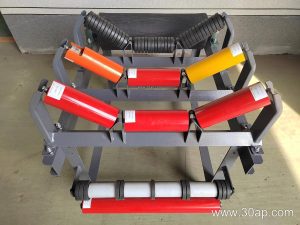
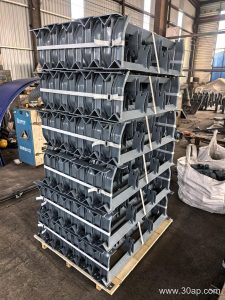
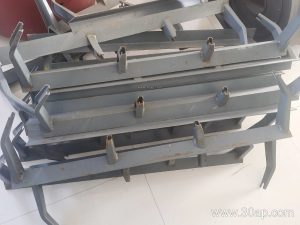
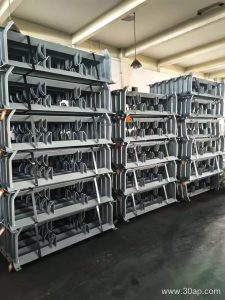
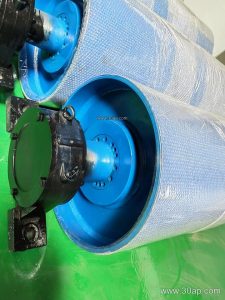
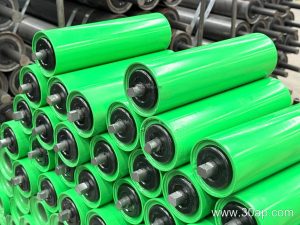
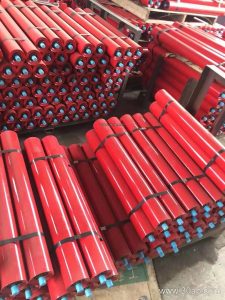
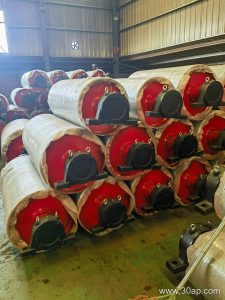
Before ordering, confirm the peak tension, the belt width, the pulley diameters and the material being carried. Drive pulley, tail pulley and bend pulley are different components with different functions, and each has its own diameter and lagging requirement; none of them can be swapped for another by name. Belt width alone does not fix shaft size, so pulley and shaft data must come from the conveyor design. Idler roller spacing, conveyor bracket layout and loading conditions also affect belt life.
Ask for the ply count, cover gauges, grade, and whether the belt will be supplied endless or open for splicing. An endless conveyor belt avoids a weak joint but complicates installation. Check storage conditions too: fabric belts should be kept dry and away from ozone sources.
Maintenance Notes
Track belt alignment, keep idler rollers turning freely, and inspect the tail pulley area for build-up. A misaligned belt wears its edges quickly, and a seized roller can damage the cover in a short time. Repair small cover cuts early to keep moisture out of the carcass. When replacing a section, match the grade and ply construction of the original belt so the splice remains compatible with the rest of the run.