What the PVG800S Conveyor Belt Is
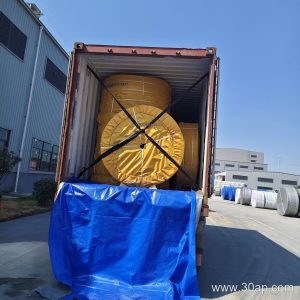
The PVG800S Conveyor Belt is a solid-woven, PVC-based conveyor belt in the PVG family, built for conveying bulk materials where a single, tough carcass is preferred over layered fabric construction. In many markets this same product is known as a PVC solid woven conveyor belt, and the two names describe one and the same belt: a whole-carcass, impregnated PVC belt with a fire-retardant and anti-static formulation for underground and enclosed transport. It sits alongside other belt families such as EP conveyor belts, NN conveyor belts and steel cord conveyor belts, but it is not a substitute for them — it is a distinct construction chosen for its own operating profile.
The number 800 in the name refers to the belt’s tensile strength class, normally expressed in N/mm, while the letter S marks the grade variant within the PVG range. Buyers should confirm the exact grade designation and strength class with the manufacturer, since naming conventions and test data vary from plant to plant.
How the Belt Is Built
A solid-woven carcass is the heart of this belt. Warp and weft yarns are woven into a single, dense fabric that is then impregnated and coated with PVC compounds. Because the carcass is a single structure rather than several laminated plies, the belt resists delamination and edge fraying better in wet or dusty conditions. The covers are PVC-based, and the compound is usually formulated for flame retardancy and anti-static performance — properties that matter greatly in coal mining conveyor belts and other underground mining conveyor belts.
- Single solid-woven carcass, impregnated through the full thickness
- PVC covers, typically flame retardant and anti-static
- Good troughability for medium-width idler roller stations
- Resistance to moisture, rot and many mild chemicals
Compared with a multi-ply fabric core conveyor belt, the PVG800S offers a thinner, more uniform profile, which can simplify splicing and reduce the risk of ply separation. Compared with a steel cord conveyor belt, it suits shorter to medium centers and lower tension demands rather than very long, high-tonnage hauls.
Typical Operating Conditions
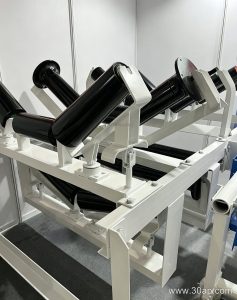
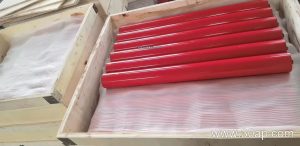
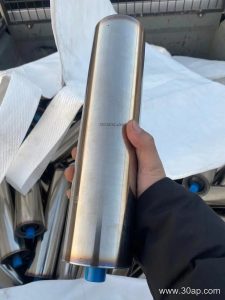
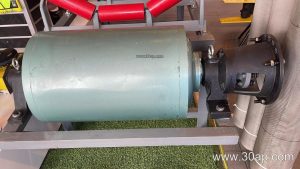
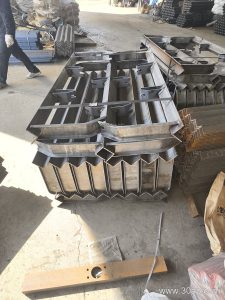
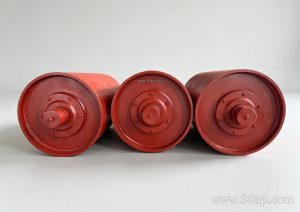
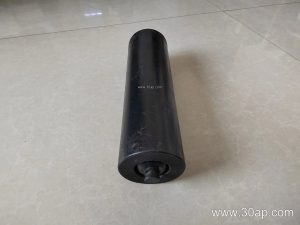
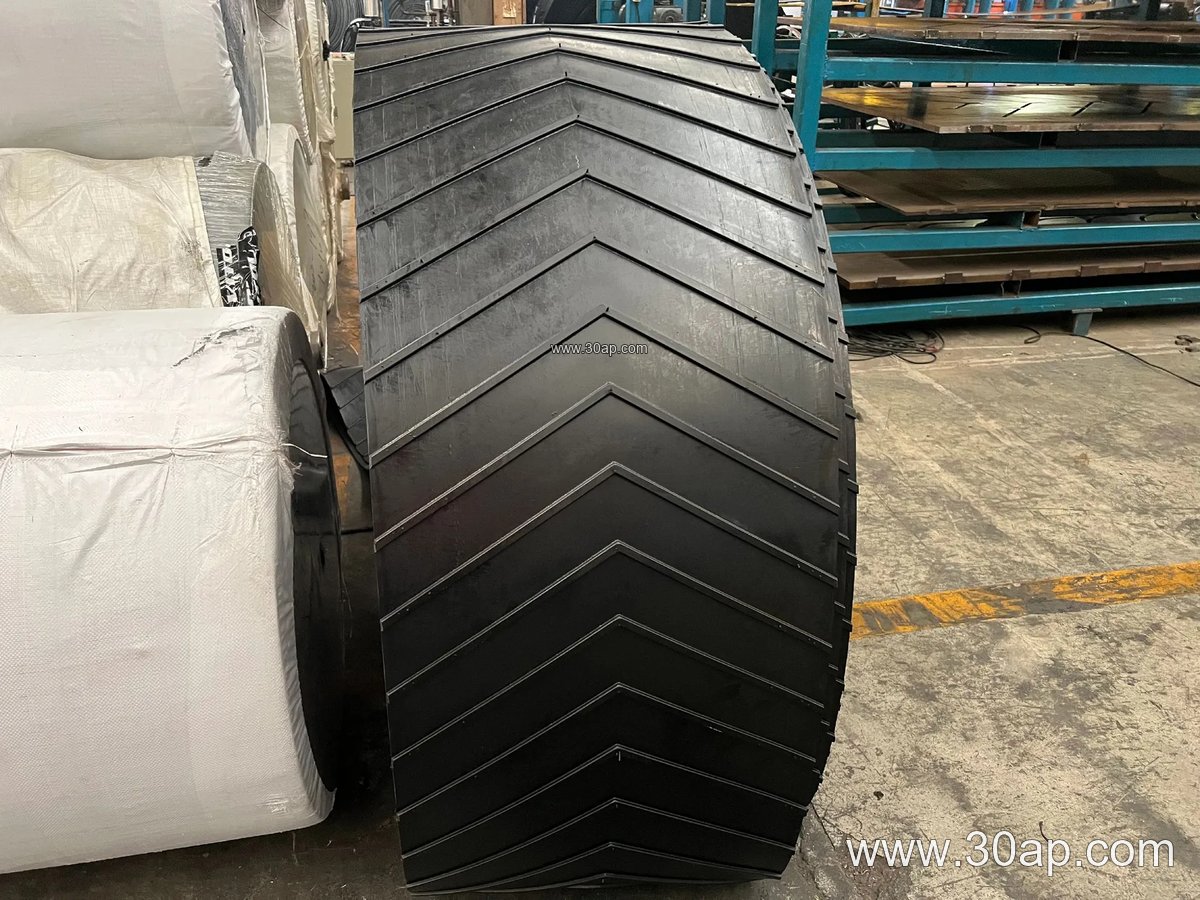
This belt is commonly found in underground coal haulage, mine roadway conveyors, cement plants, power plant fuel handling, and quarry or aggregate conveyor lines. It performs well where moisture, dust and the need for fire safety combine. It is often paired with conveyor pulleys, idler rollers and conveyor brackets that are rated for the same environment.
Common belt widths for the PVG range are shown below; these are reference values and actual availability should be confirmed with the supplier.
| Parameter | Typical reference values |
|---|---|
| Belt width | B650, B800, B1000, B1200, B1400 |
| Strength class | PVG800S (grade and class per manufacturer data) |
| Cover construction | PVC covers, flame retardant and anti-static options |
| Carcass | Single solid-woven, impregnated |
| Belt thickness | Per design and cover thickness |
For wider or higher-tension duties, plants often compare the PVG800S with an EP conveyor belt such as EP630 or EP800, or with a flame retardant conveyor belt of another construction. The right choice depends on tension, troughing, fire regulations and the material being carried — not on belt width alone.
Selection and Installation Notes
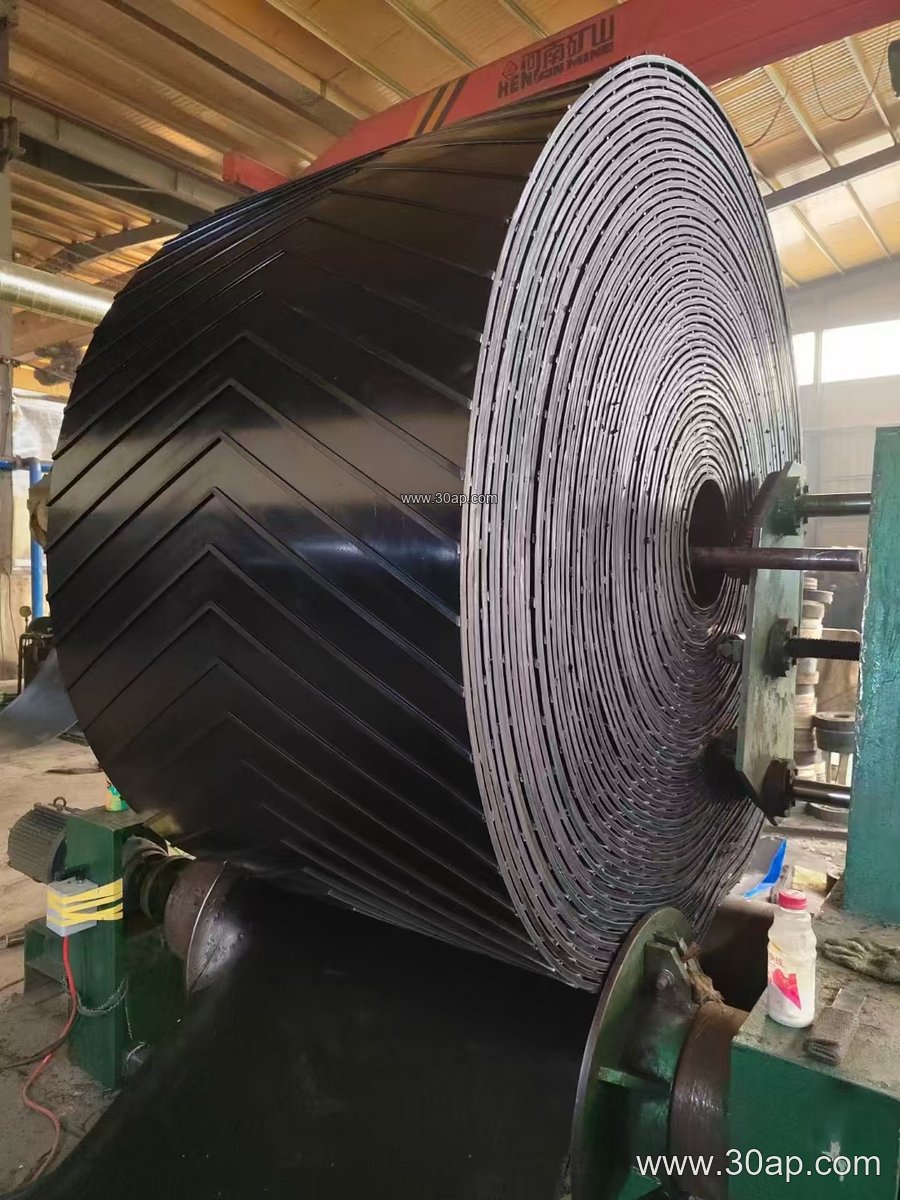
When specifying a PVG800S Conveyor Belt, match the belt class to the calculated running tension, then check the pulley and idler roller diameters recommended for that belt thickness. Drive pulleys, tail pulleys and bend pulleys are not interchangeable, and each has its own diameter and lagging requirement. Do not assume that a given belt width fixes a shaft diameter; shaft sizing follows the pulley design and load calculation.
- Confirm flame retardancy and anti-static grade against site rules
- Check cover thickness against impact and abrasion at the loading point
- Use impact idlers or cushioning at transfer chutes for lumpy feed
- Verify splice method and cure time before installation
For cold climates, a cold resistant conveyor belt may be preferable; for oily cargo, an oil resistant conveyor belt; for hot clinker or ash, a heat resistant conveyor belt. These are different products and should not be treated as drop-in replacements for the PVG800S.
Maintenance and Buyer Checklist
Inspect the belt regularly at the loading zone, at each conveyor pulley and along the idler roller line. Look for edge wear, cover cuts, exposed carcass and material buildup on rollers. Keep the belt tracking straight by adjusting the conveyor bracket and pulley alignment rather than over-tensioning. Store spare rolls flat and dry, and protect them from sunlight and ozone.
Before ordering, ask for the manufacturer’s data sheet showing strength class, cover thickness, weight per square meter, and fire and anti-static test results. Confirm the belt width, the required roll length and the splicing accessories. A well-matched PVG800S Conveyor Belt, correctly installed on compatible pulleys and idlers, gives reliable service in demanding mining and industrial conveying.