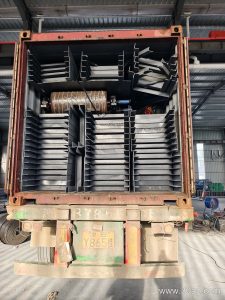
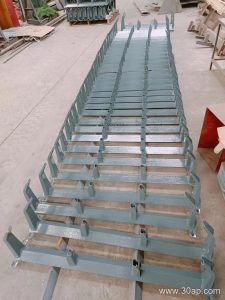
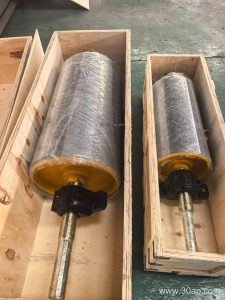
What a Conveyor Idler Is and Where It Fits
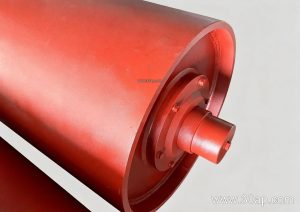
A conveyor idler is the rotating roller that supports the conveyor belt along its carrying and return runs. In a typical bulk handling line, you will find idlers spaced at regular intervals, mounted on a conveyor bracket or frame. They keep the belt in shape, reduce friction, and help the load move smoothly from the loading point to the discharge. Whether you are running a coal mining conveyor belt underground, a quarry conveyor belt moving crushed stone, or a power plant conveyor belt feeding coal into a boiler, idlers are among the highest-count components on the system. That is why conveyor idler price is a frequent topic for maintenance planners and procurement teams.
How an Idler Is Built
Most idlers share a simple but durable construction. A steel tube forms the roller shell, with bearing housings pressed into each end. The shaft runs through the center, and sealed bearings allow free rotation. Surface options include plain steel, nylon, ceramic, and rubber rings. The rubber ring version is often chosen for impact zones where the belt receives lumpy material. Bearing sizes commonly range from 6204 up to 6310, but the bearing is selected according to load and speed, not simply matched to one roller diameter. Seal design matters too: in dusty environments such as a cement plant or a sand making plant, good labyrinth seals extend service life and directly affect the long-term cost per ton conveyed.
Common Idler Types and Their Roles
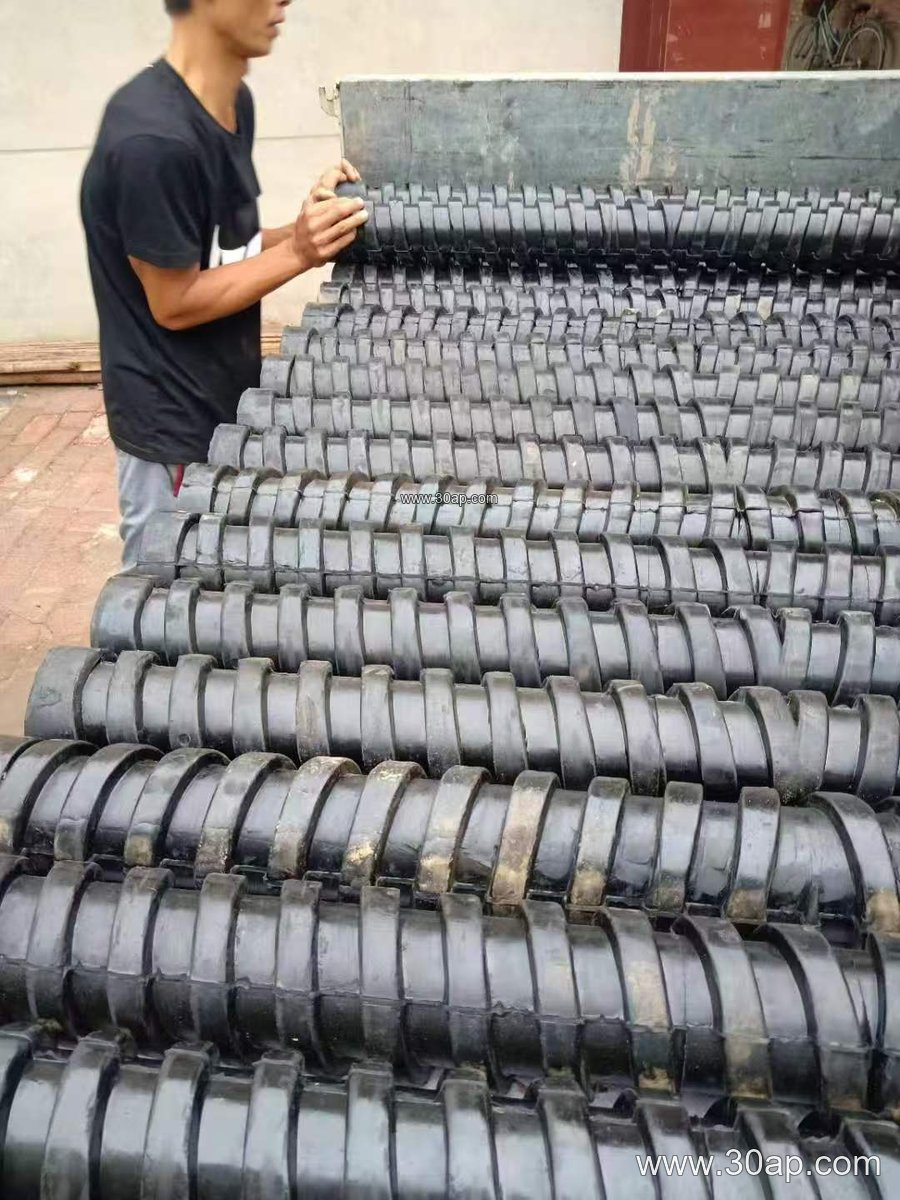
The carrying side usually uses three-roll troughing sets, while the return side may use flat or V-type return idlers. Transition idlers help the belt move from flat to troughed without stress. Self-aligning idlers, including friction and tapered types, correct belt drift. Impact idlers with rubber rings absorb shock at transfer points. Spiral idlers can help with sticky material. Each type has its own price band because of material content and machining steps.
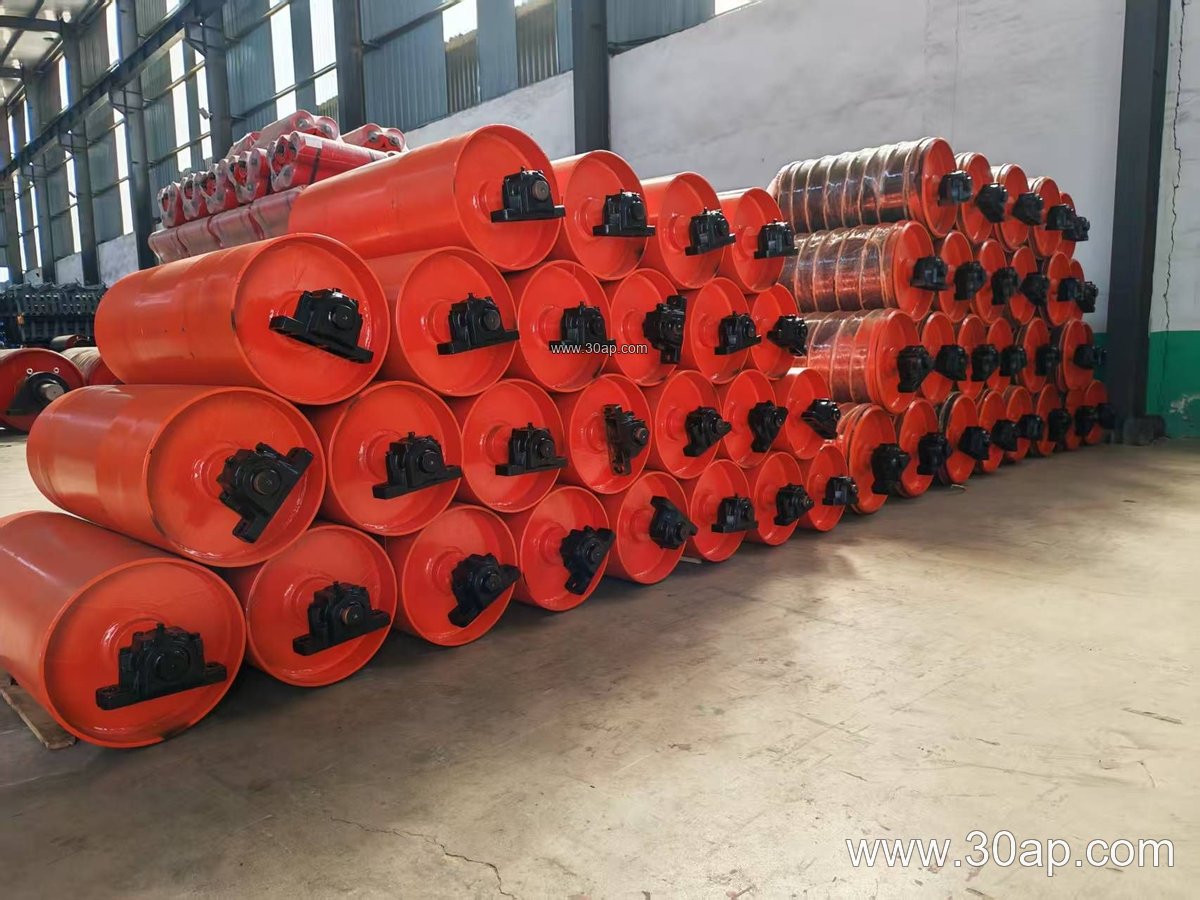
- Troughing idler set: single, two-roll, or three-roll configuration.
- Return idler: flat or V-shaped, often with fewer components.
- Impact idler: rubber rings for loading zones.
- Self-aligning idler: friction or tapered design for belt tracking.
Dimensions That Influence Conveyor Idler Price
Roller diameter and belt width are the first data points a buyer should confirm. Common roller diameters include Ø63, Ø76, Ø89, Ø102, Ø108, Ø127, Ø133, Ø159, Ø178, Ø194, and Ø219. Belt widths range from B400 up to B2400 in many bulk systems. Roller length changes with belt width, trough angle, and idler arrangement. For example, a three-roll troughing set at B800 often uses a roller around 315 mm long, while B1200 may use about 465 mm. These are common references, not fixed combinations. Trough angles of 20, 30, 35, and 45 degrees also affect the frame and roller geometry.
Reference Data for Common Idler Sizes
| Parameter | Common Range | Notes |
|---|---|---|
| Roller diameter | Ø63 to Ø219 | Selected by load and belt speed |
| Belt width | B400 to B2400 | Matches conveyor design |
| Bearing | 6204, 6205, 6305, 6306, 6308, 6310 | Not tied to one roller diameter |
| Trough angle | 20°, 30°, 35°, 45° | Affects material cross-section |
| Roller surface | Steel, nylon, ceramic, rubber ring | Application dependent |
When requesting a quotation, specify the belt width, roller diameter, trough angle, idler type, and bearing preference. A complete specification helps suppliers give a realistic conveyor idler price instead of a rough estimate.
Applications Across Industries
Idlers appear in nearly every bulk material handling operation. In a copper ore or iron ore concentrator, heavy-duty troughing idlers support abrasive loads. In a coal mining conveyor belt system, flame retardant and anti-static properties of the belt are critical, and idlers must tolerate dust and moisture. Aggregate operations and stone crushing conveyor lines rely on impact idlers at transfer points. Ports and ship loading facilities use long overland conveyors where idler rolling resistance affects energy consumption. Even a concrete mixing plant or a fertilizer granulation line uses small idlers on short conveyors. The working environment shapes the choice: a dusty quarry may favor sealed bearings and ceramic or nylon surfaces, while a steel plant conveyor exposed to heat needs careful material selection.
What Buyers Should Check Before Comparing Prices
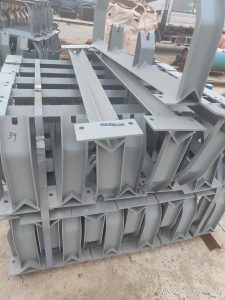
Price alone can be misleading. A low-cost idler with thin tube walls or poor seals may fail early and raise maintenance costs. Ask about tube thickness, shaft material, bearing brand or grade, and seal type. Confirm the roller length and mounting dimensions match the existing conveyor bracket. For replacement projects, measure the old idler and note the trough angle. If the conveyor uses a steel cord conveyor belt or a heavy-duty mining conveyor belt, the idler load rating deserves extra attention. Also consider the total cost of ownership: fewer failures mean less downtime, especially in a coal handling plant or a remote quarry where access is difficult.
Finally, keep spare idlers on hand for critical conveyors. A small stock of the most common roller diameters and lengths can prevent long stoppages. For more information on idlers, rollers, and conveyor components, visit our site and review the technical pages before finalizing your specification.