What a Conveyor Idler Frame Does on a Belt Conveyor
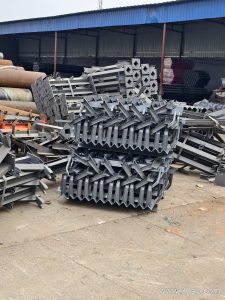
A conveyor idler frame is the steel structure that holds the idler rollers in the correct position under and above the conveyor belt. It is not a small accessory. The frame sets the trough angle, keeps roller spacing consistent, and transfers the load of the belt and material into the conveyor stringer or support structure. In a quarry, a cement plant, or a power plant coal yard, the idler frame is the part that decides whether the belt runs centered or wanders.
The same product is also called an idler support frame or roller support bracket. It should not be confused with a conveyor pulley such as a drive pulley, tail pulley, or bend pulley. Those are separate components with different duties, and they are not interchangeable with an idler frame.
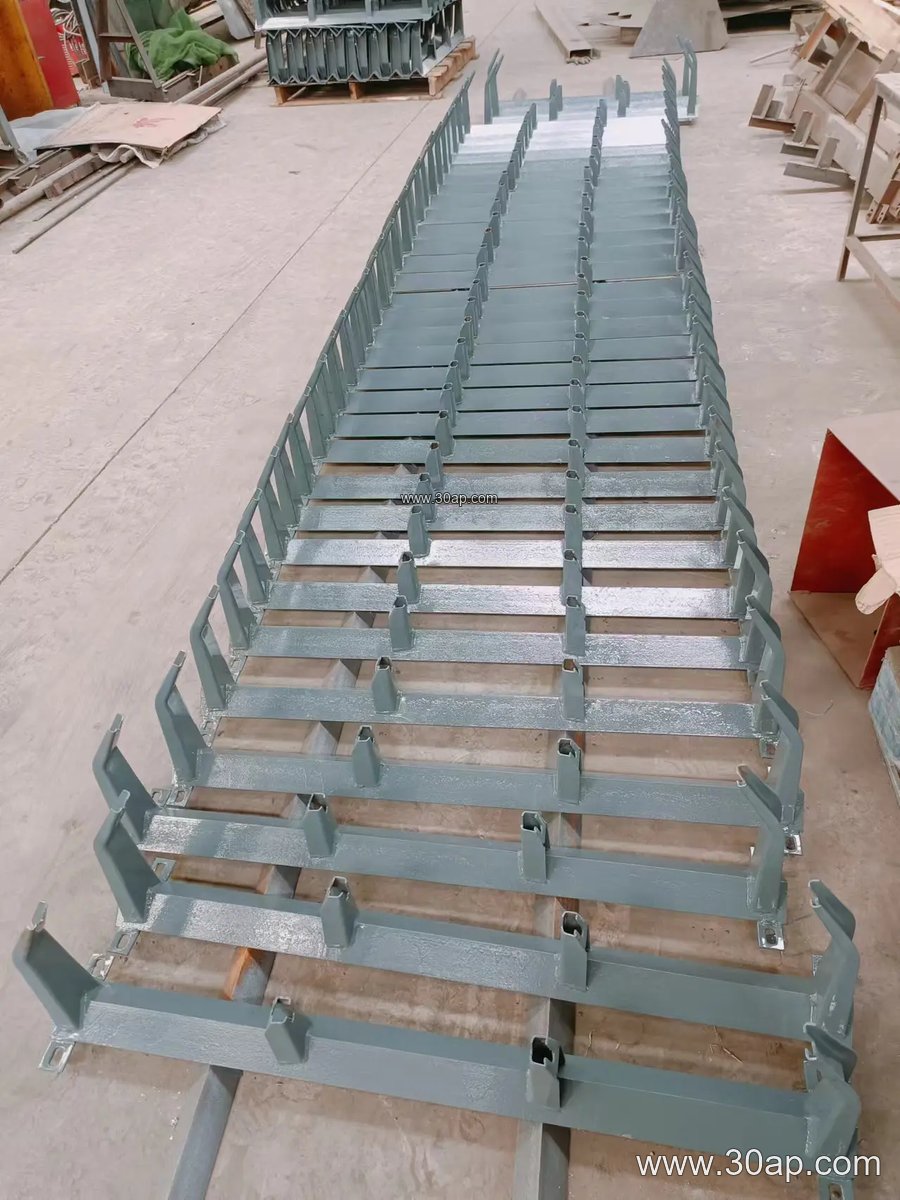
Structure and Materials
Most frames are fabricated from angle steel, channel steel, or folded steel plate. The crossbeam carries the idler roller seats, and the end brackets bolt to the conveyor stringer. Welded frames are common for fixed installations, while bolted or adjustable designs help where alignment may change.
Common frame types include trough frames, transition frames, return frames, V-return frames, impact frames, self-aligning frames, and suspended frames. Each has a specific place in the conveyor line. For example, an impact frame with cushion rollers sits under the loading point, while a self-aligning frame is used where belt tracking is a concern.
Matching Frame, Belt Width, and Roller Diameter
Frame dimensions follow belt width, trough angle, and roller diameter. Typical belt widths run from B500 up to B2200, trough angles are commonly 20, 30, 35, or 45 degrees, and roller diameters include Ø89, Ø108, Ø133, Ø159, and Ø194. The table below shows reference combinations only; actual hole spacing and beam length are determined by design.
| Belt Width | Trough Angle | Roller Diameter | Typical Use |
|---|---|---|---|
| B650 | 30 degrees | Ø89 | Small aggregate lines |
| B800 | 35 degrees | Ø108 | Sand and gravel plants |
| B1000 | 35 degrees | Ø133 | Cement and coal handling |
| B1200 | 45 degrees | Ø133 | High-capacity bulk material |
| B1400 | 35 degrees | Ø159 | Iron ore and port terminals |
| B1800 | 45 degrees | Ø194 | Heavy-duty mining conveyors |
A wider belt does not automatically mean one fixed trough angle or one roller size. Designers balance capacity, material lump size, and belt stiffness. Adjustable frames allow the trough angle to be changed between common settings, which is useful during commissioning.
Where These Frames Are Used
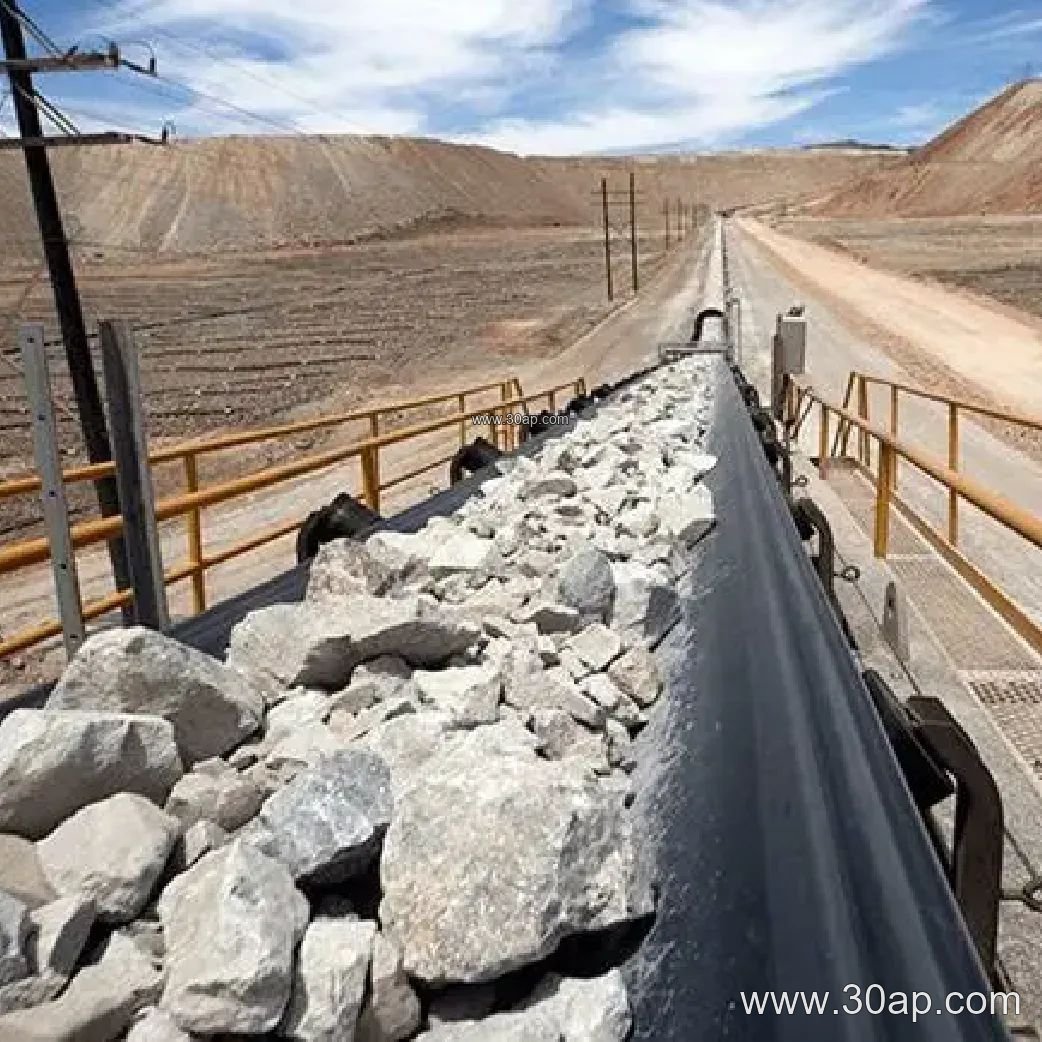
In a limestone mine or crushing and screening line, trough frames carry the conveyor belt through the primary and secondary crushing stages. In a coal washing plant or power plant coal yard, flame retardant conveyor belt and abrasion resistant conveyor belt run over frames that must tolerate dust and continuous load. The frame itself is usually painted or galvanized, but the belt grade is chosen separately.
Heavy-duty mining conveyor belt, steel cord conveyor belt, and EP conveyor belt all rely on stable idler frames to keep the belt supported. A pipe conveyor belt and corrugated sidewall conveyor belt need different support arrangements, so the frame type should be confirmed against the belt construction.
Buyer Checklist
- Confirm belt width, trough angle, and roller diameter before ordering.
- State whether the frame is fixed, adjustable, or self-aligning.
- Check mounting hole spacing against the existing stringer.
- Match frame material and finish to the site environment.
- Ask for drawings showing beam length and idler seat position.
For a reliable conveyor line, the idler frame, idler roller, conveyor bracket, and conveyor pulley must work as one system. Buyers who compare frame drawings with the actual belt width and roller size avoid most installation problems. More information on belt and frame matching is available at www.example.com/conveyor-idler-frame.