What a Heavy-Duty Conveyor Bracket Does on the Line
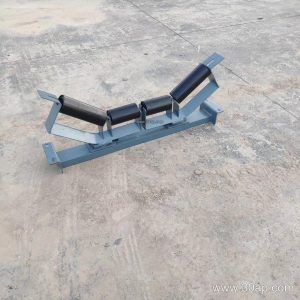
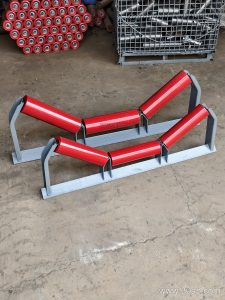
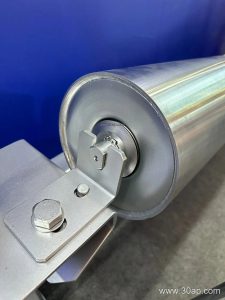
A Heavy-Duty Conveyor Bracket is the structural support that holds the idler roller in position under the belt path. In practice it is the same item often called a heavy-duty conveyor idler bracket or heavy-duty conveyor stand, and its job is simple to describe but hard to do well. It carries the weight of the conveyor belt, the material load and the rotating idlers, and it keeps the trough angle and alignment stable over years of service. In a crusher circuit, a coal yard or a cement kiln feed line, a weak bracket shows up quickly as belt wander, edge damage and uneven wear on the conveyor pulley.
How the Bracket Is Built
Most heavy-duty versions are fabricated from angle steel, channel steel or folded steel plate, then welded into a rigid frame. The design differs by position on the conveyor:
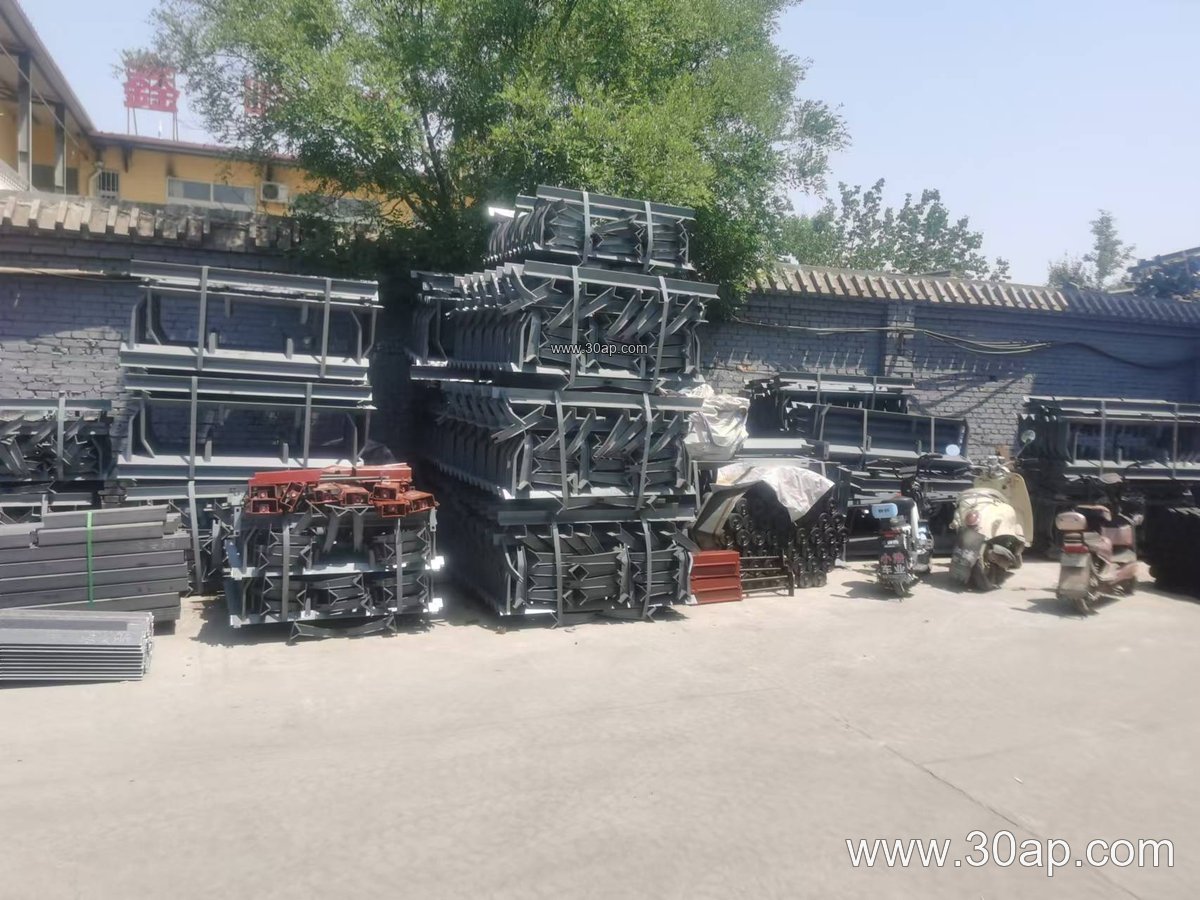
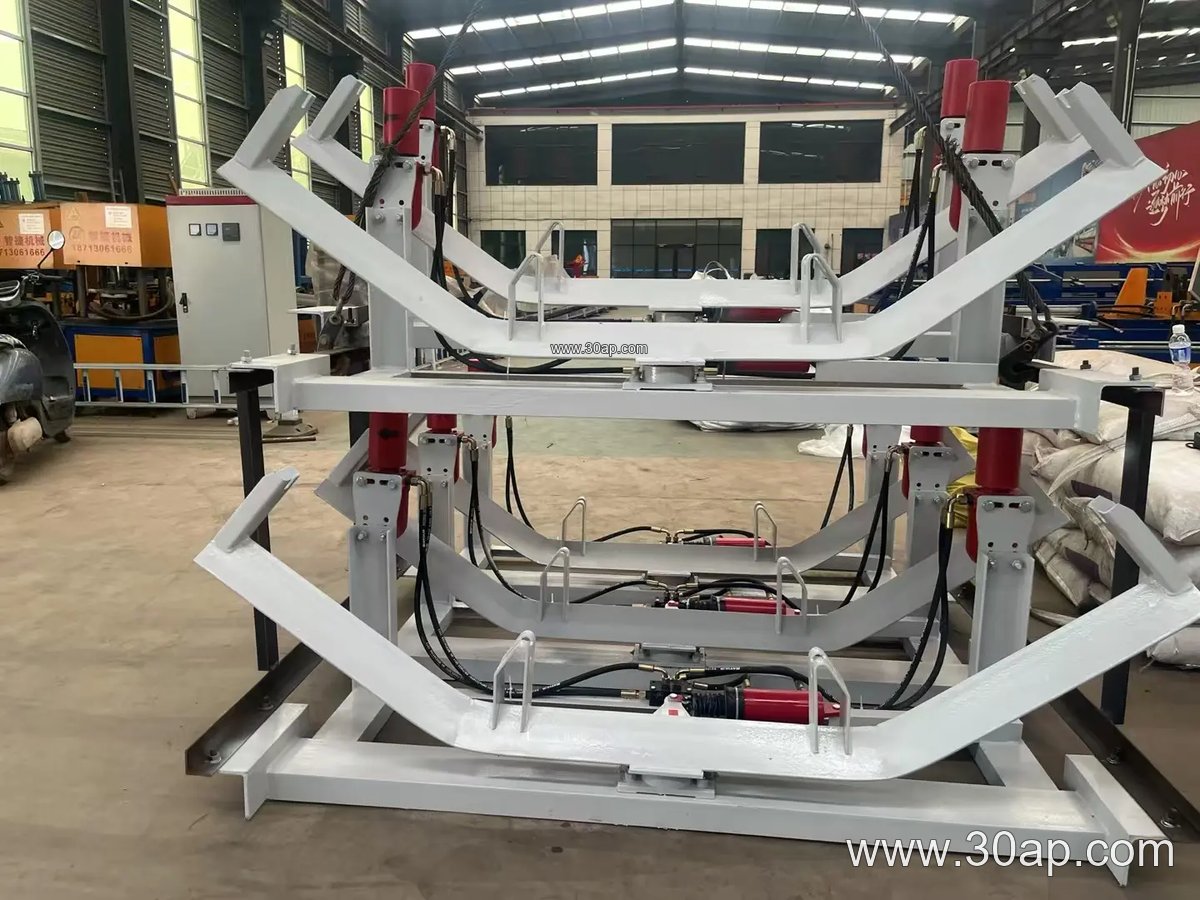
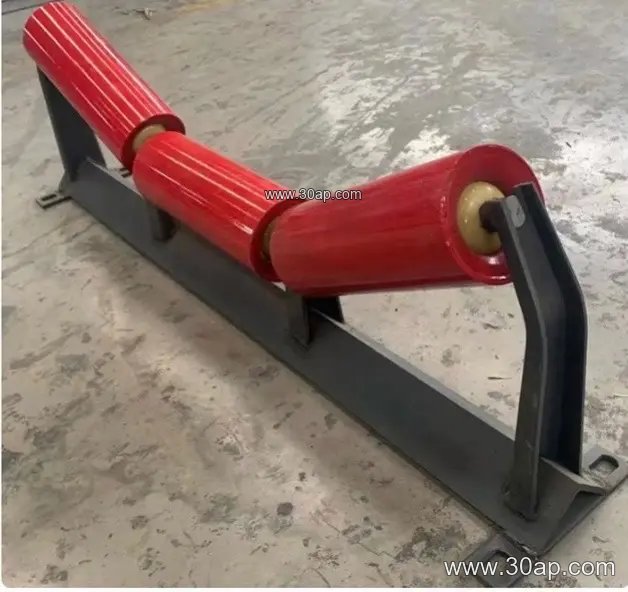
- Troughing brackets and upper trough stands set the carrying idlers at the working trough angle.
- Transition brackets ease the belt from flat to troughed profile near the head and tail.
- Return brackets and V-return stands support the empty belt on the way back.
- Impact brackets sit under loading points and carry impact idlers.
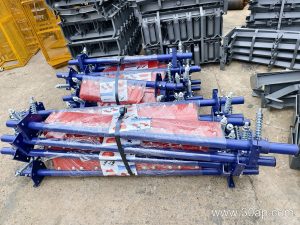
- Self-aligning and forward-leaning brackets help correct belt tracking.
- Adjustable and suspended brackets allow field changes to angle and height.
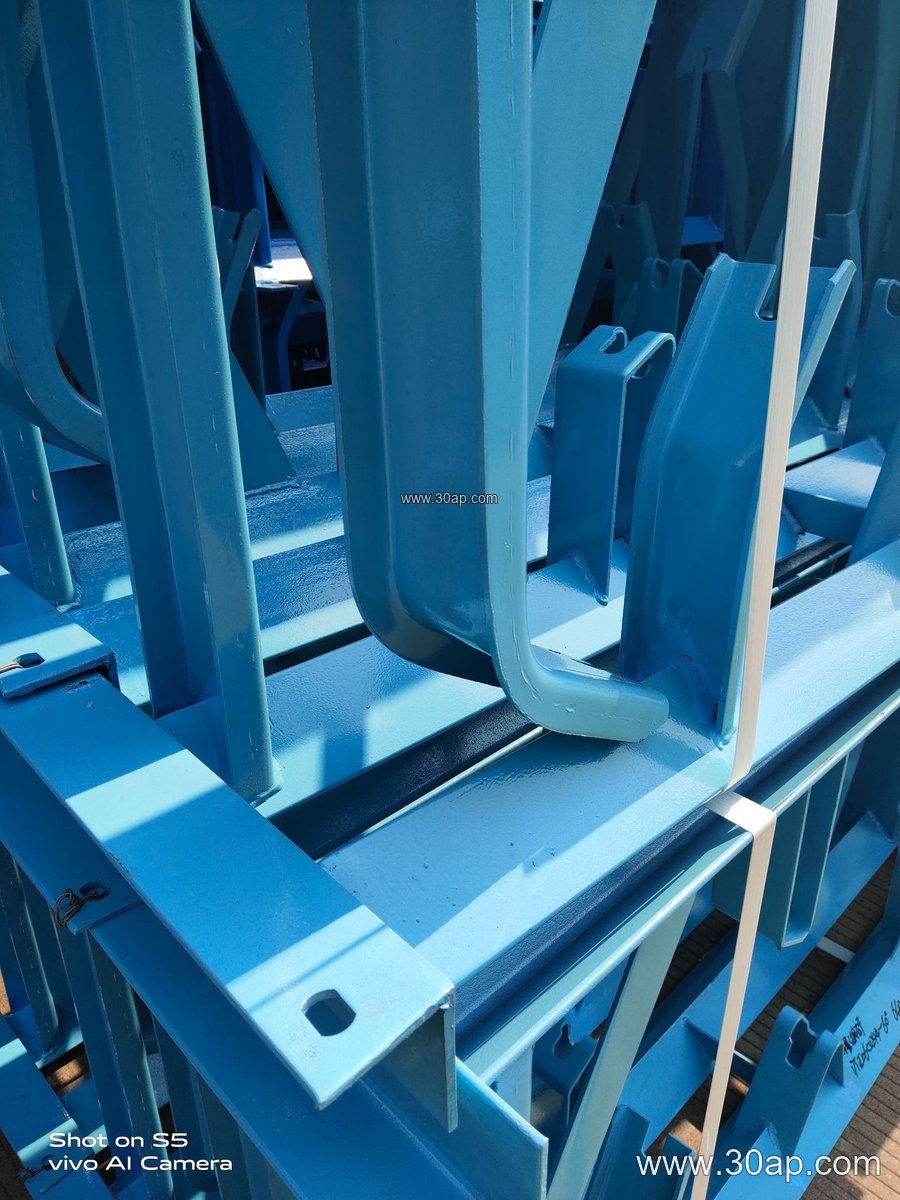
Welds should be continuous at load points, and the mounting slots are usually elongated so the idler frame can be squared after installation. Paint or galvanizing matters in wet coal plants and port terminals.
Matching Bracket, Belt and Idler
Bracket selection follows belt width, trough angle and idler diameter rather than a single fixed rule. The table below shows typical reference combinations, not mandatory pairings.
| Belt width | Common trough angle | Typical idler diameter |
|---|---|---|
| B500 / B650 | 20 or 30 degrees | Ø89 |
| B800 / B1000 | 30 or 35 degrees | Ø108 or Ø133 |
| B1200 / B1400 | 35 or 45 degrees | Ø133 or Ø159 |
| B1600 / B1800 | 35 or 45 degrees | Ø159 or Ø194 |
| B2000 and above | 35 or 45 degrees | Ø194 |
Forward-leaning brackets are commonly set around 1.5 to 2 degrees. Hole spacing and crossbeam length are determined by design, so they should be confirmed against the actual idler frame.
Where These Brackets Earn Their Keep
Heavy-duty brackets are common in quarry and limestone crushing lines, where rock dust and shock loading punish light frames. They also appear in coal washing plants and power station coal handling, cement plants, iron ore terminals and sinter plants. On a long overland system carrying a steel cord conveyor belt at high tension, bracket rigidity directly affects belt life. In a tunnel or underground mine, flame retardant conveyor belt and anti-static conveyor belt are specified, and the bracket must still hold alignment in confined space. The same frame style suits an aggregate conveyor belt line feeding a screen deck, or a pipe conveyor belt route where idler position is critical.
Buyer Checklist Before Ordering
- Confirm belt width and trough angle, and state the idler diameter to be used.
- Ask for the mounting hole pattern and crossbeam length rather than assuming them.
- Specify material thickness and finish for the site: dusty quarry, wet coal plant or coastal port.
- Decide between fixed and adjustable stands where belt tracking may need tuning.
- Check that impact brackets are included at transfer points.
A well-chosen Heavy-Duty Conveyor Bracket is inexpensive compared with the belt it protects, yet it determines how evenly that belt runs. For related components such as the conveyor belt, idler roller and conveyor pulley, keep the bracket specification on the same drawing set so nothing is matched by guesswork. Visit conveyor-bracket.com for bracket references and rudchain.com for conveyor belt guidance before finalizing an order.