What a 2400mm Conveyor Belt Is
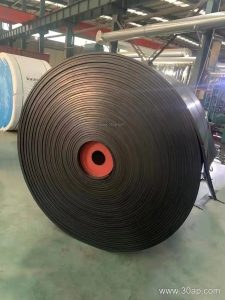
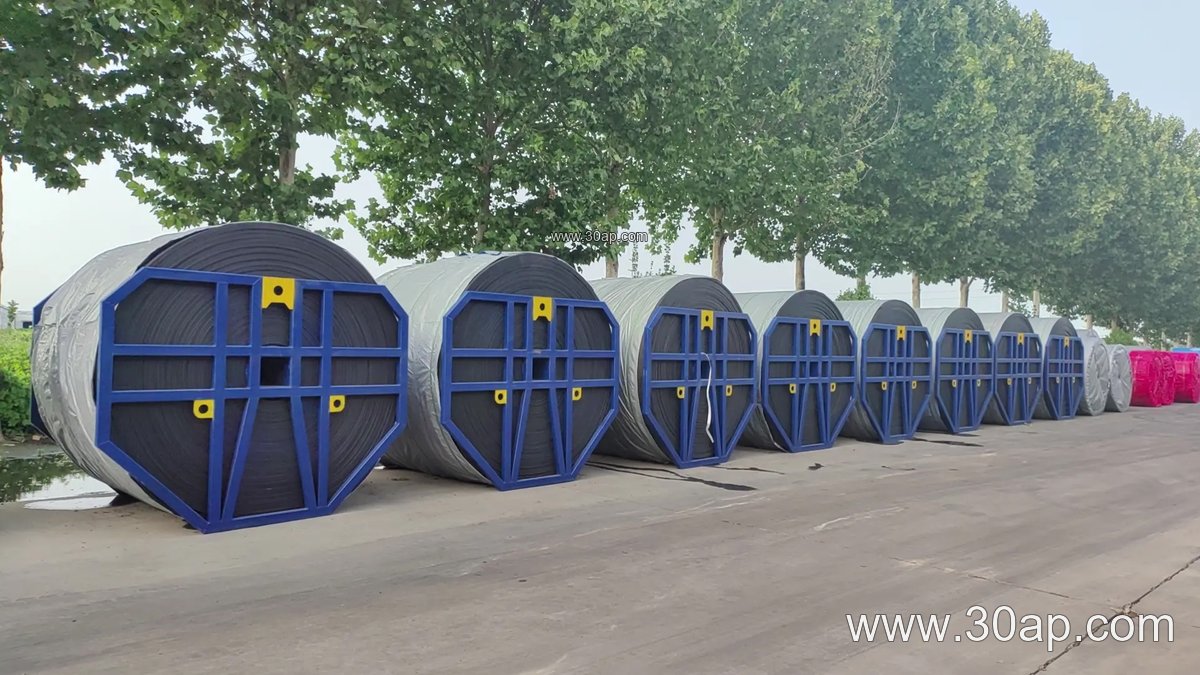
A 2400mm conveyor belt is an extra-wide belt designed for high-capacity bulk material handling. The 2400mm figure refers to the belt width, which is the full width of the carcass and cover. This width is typically used in large-scale operations where a single conveyor must move a very high tonnage per hour, such as in mining, port loading, and cement plants. It is often supplied as a heavy-duty conveyor belt with a fabric core or steel cord construction, depending on the tension and load requirements.
Construction and Common Types
At this width, belt construction must be robust. The carcass provides strength and resistance to stretching, while the cover rubber protects against abrasion, impact, and environmental factors. Common carcass options include multi-ply fabric core (such as EP or NN) and steel cord. For a 2400mm conveyor belt, steel cord is frequently chosen for long-distance, high-tension applications, while heavy-duty fabric cores like EP conveyor belt may suit shorter, high-impact runs. Cover compounds are selected based on the material being conveyed—abrasion resistant conveyor belt for rock and ore, heat resistant conveyor belt for cement clinker or sinter, and flame retardant conveyor belt for coal mining conveyor belt systems.
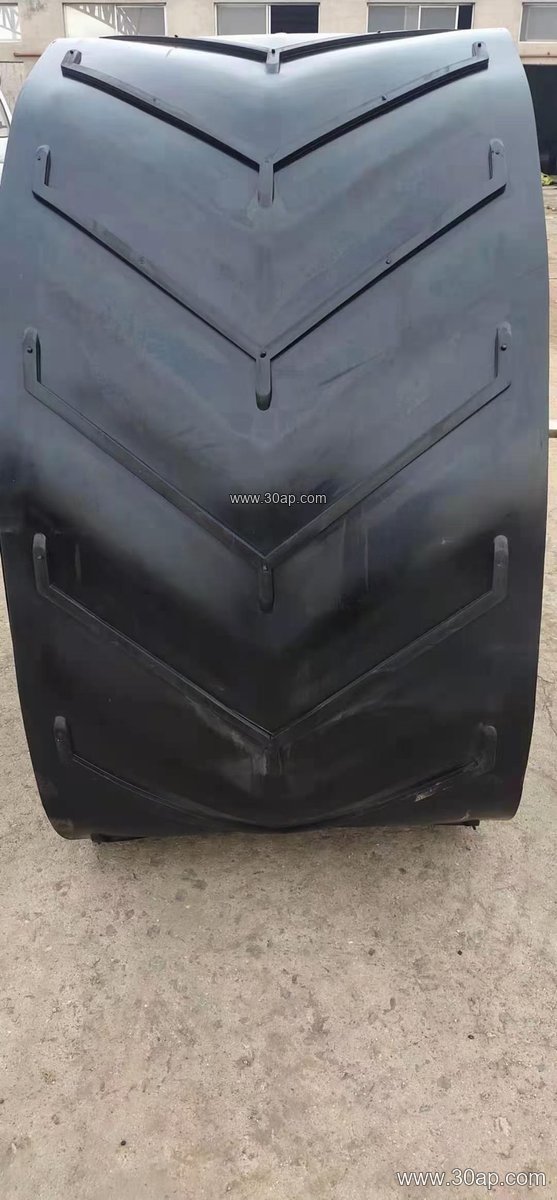
Specialty designs are also available in this width, including corrugated sidewall conveyor belt for steep inclines, chevron conveyor belt to prevent material rollback, and pipe conveyor belt for enclosed transport. These subtypes are not interchangeable with a standard flat belt; they serve specific handling needs.
Typical Applications
Due to its large width, a 2400mm conveyor belt is common in high-capacity material handling industries. In mining, it may be used for ore conveyor belt or coal mining conveyor belt duties, moving primary crushed rock or coal from stockpiles to processing plants. In cement plants, it handles limestone, clinker, and additives. Power plants use it for coal delivery, while ports and ship loading facilities rely on it for fast transfer of bulk materials like iron ore, copper ore, or aggregates. Quarries and sand making plants also benefit from the wide belt to match the output of large crushers.
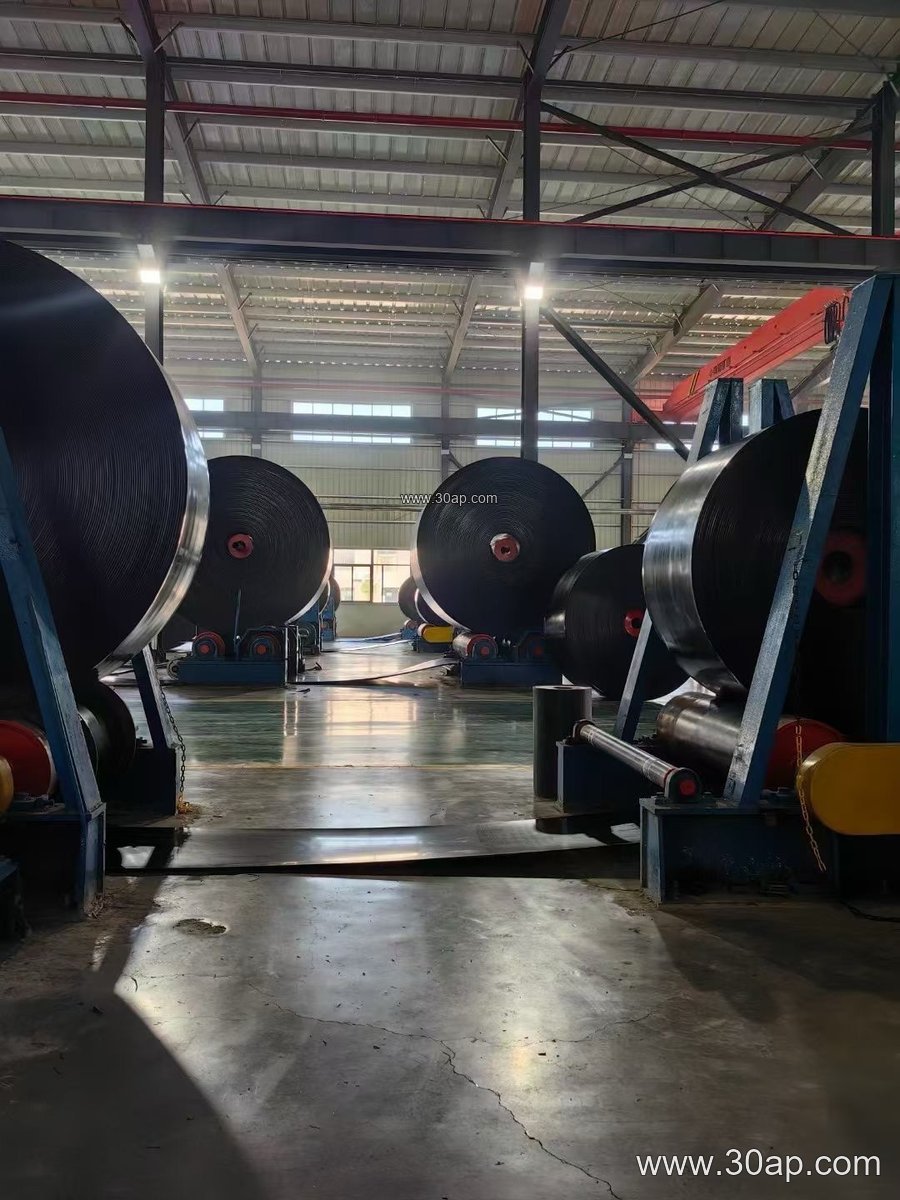
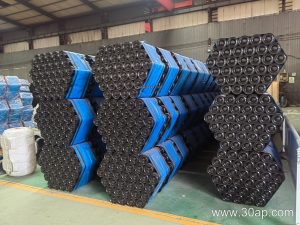
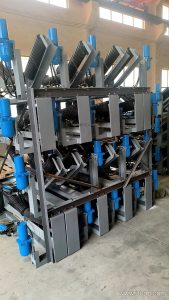
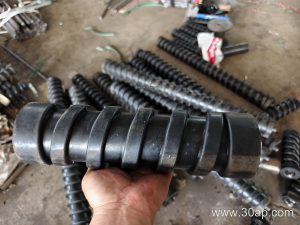
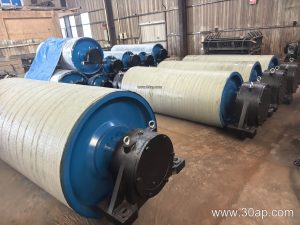
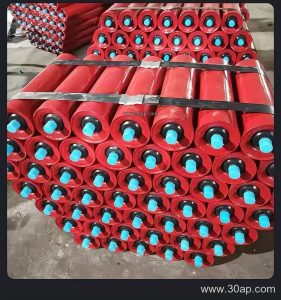
For such installations, the belt works with other conveyor components such as idler roller, conveyor pulley, and conveyor bracket. The drive pulley, tail pulley, and bend pulley each have specific roles and are not interchangeable; their selection depends on the conveyor design, not solely on belt width. Proper alignment and support from idlers are critical to prevent edge damage on a wide belt.
Key Specifications and Buyer Considerations
When specifying a 2400mm conveyor belt, several parameters should be confirmed with the manufacturer. The table below lists common reference values; actual supply will vary by design and application.
Common Reference Values
| Parameter | Common Range / Options |
|---|---|
| Belt width | 2400 mm (extra-wide conveyor belt) |
| Fabric core strength (EP) | EP200, EP315, EP400, EP500, EP630, EP800, EP1000, EP1250, EP1600, EP2000 |
| Steel cord strength (ST) | ST1000, ST1250, ST1600, ST2000, ST2500, ST3150 |
| Number of fabric plies | Typically 2 to 6, depending on strength grade |
| Cover thickness (top + bottom) | Common combinations include 3+1.5, 4+2, 5+2, 6+2, 8+3 mm |
| Cover properties | Abrasion resistant, heat resistant, oil resistant, flame retardant, anti-static, cold resistant |
Buyers should consider the maximum lump size, material temperature, and environmental conditions. For example, a high abrasion resistant conveyor belt may be needed for sharp rock, while a heat resistant conveyor belt is essential near kilns or dryers. The belt width must be matched to the conveyor frame and pulley face width, but no single pulley diameter is dictated by belt width alone; the drive pulley, tail pulley, and bend pulley are sized by the conveyor designer based on tension and available space.
Maintenance and Safe Operation
Extra-wide belts require careful maintenance to avoid tracking problems. Regular inspection of idler roller alignment and pulley condition helps prevent edge damage. Keeping the belt clean and storing it properly before installation also extends service life. For flame retardant conveyor belt and anti-static conveyor belt used in underground mining, statutory safety requirements may apply and should be verified with the supplier.
In summary, a 2400mm conveyor belt is a large-capacity solution for industries that need to move bulk materials efficiently. Selecting the right carcass, cover, and strength grade—such as an EP1000 conveyor belt or a steel cord belt—depends on the specific conveyor design and operating environment.