What Drives the Conveyor Bracket Price
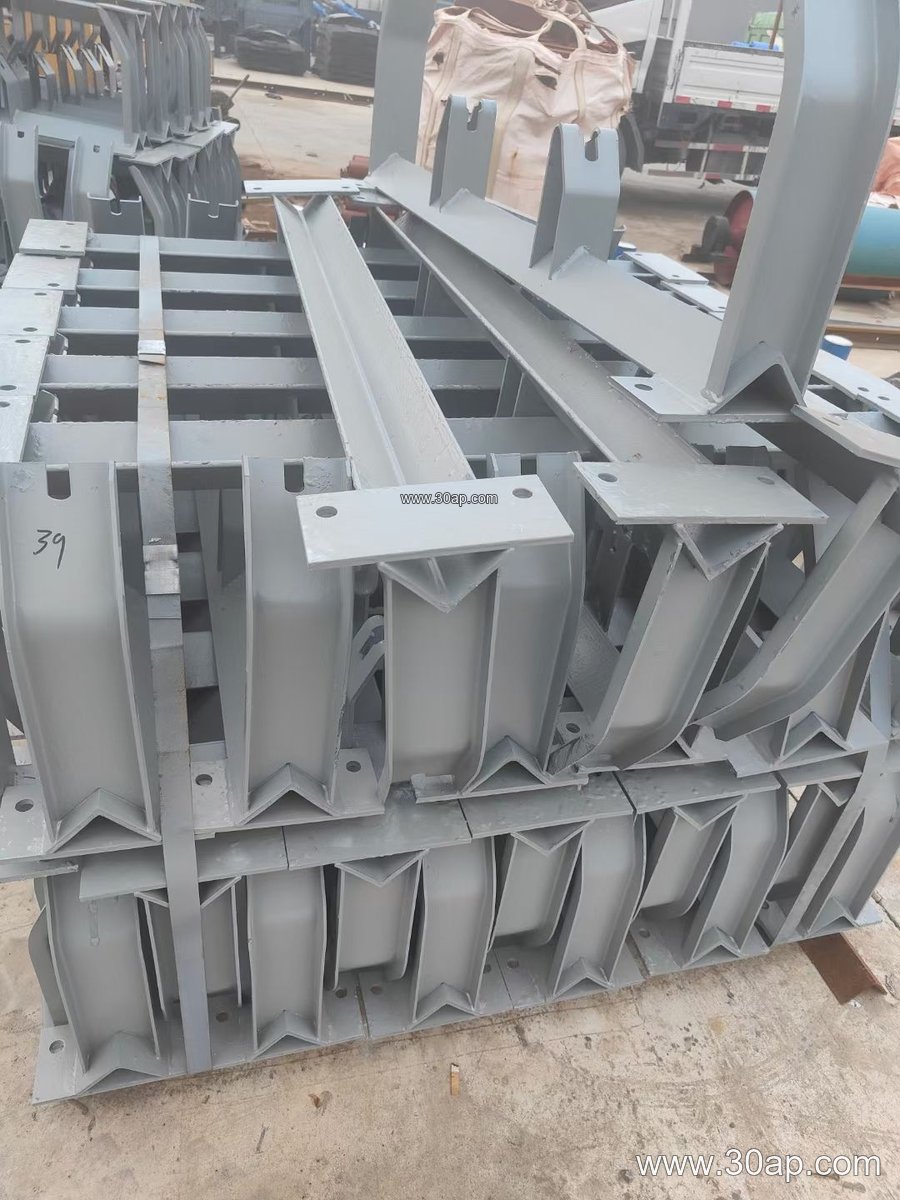
When a quarry, limestone mine, or sand and gravel line plans a belt conveyor, the conveyor bracket price is rarely a single number quoted in isolation. A support frame that holds the carrying idlers is priced according to steel weight, bending and welding work, hole patterns, and the surface treatment applied before dispatch. Buyers comparing offers for a troughing bracket or a return bracket should look at the same bill of materials, because a low figure often reflects thinner angle steel rather than a smarter design.
At www.huaxialuobelt.com a belt conveyor bracket is usually treated as part of the idler set, so the frame and the conveyor pulley layout are reviewed together. The same applies to the tail pulley and the bend pulley positions, where bracket height affects belt clearance and take-up travel.
How a Support Frame Is Built
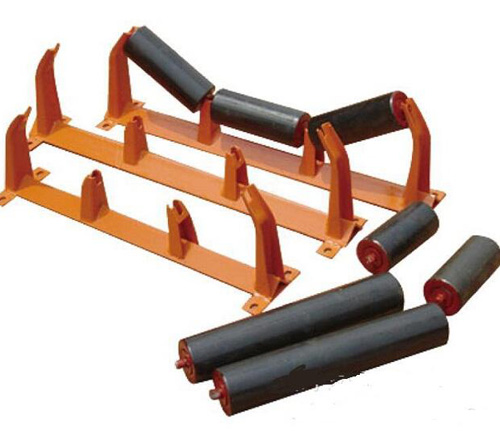
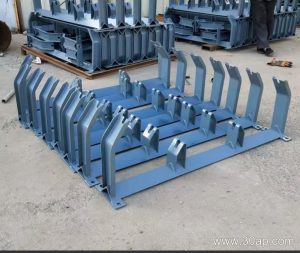
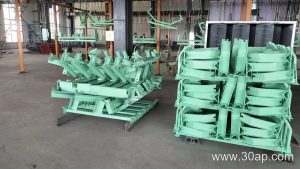
Most frames are fabricated from angle steel, channel steel, or folded steel plate. The carrying side often uses a three-roll trough arrangement, while the return side may use a flat bracket or a V-shaped return bracket. Adjustable brackets allow the trough angle to be set on site; fixed brackets are welded or bolted at a single angle.
Common reference values for matching frames to belt width and roll diameter are shown below. These are reference data, not universal specifications, and actual hole spacing and beam length follow the design drawing.
| Belt width | Trough angle | Idler diameter | Typical bracket use |
|---|---|---|---|
| B500 / B650 | 20 or 30 degrees | Ø89 / Ø108 | Light aggregate lines, small transfer points |
| B800 / B1000 | 30 or 35 degrees | Ø108 / Ø133 | Sand and gravel plants, cement plant clinker |
| B1200 / B1400 | 35 or 45 degrees | Ø133 / Ø159 | Coal handling, power plant coal conveying |
| B1600 / B1800 | 35 or 45 degrees | Ø159 / Ø194 | Iron ore, port loading, heavy bulk material |
| B2000 / B2200 | 35 or 45 degrees | Ø194 | Large tonnage primary crushing circuits |
Note that one belt width does not lock the frame to one trough angle or one roll diameter. A B1200 frame may be ordered at 35 degrees with Ø133 rolls, or at 45 degrees with Ø159 rolls, depending on belt load and transition distance.
Where Conveyor Brackets Are Used
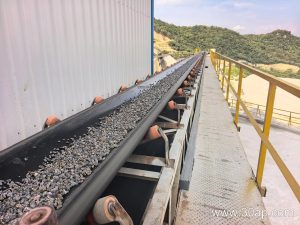
In a limestone mine or a crushing and screening plant, the troughing bracket carries the loaded belt between the crusher and the stockpile. In a coal washing plant or a power plant coal yard, flame retardant and anti-static belt grades are common, and the bracket must resist vibration from uneven feed. A cement plant uses brackets along clinker and raw meal lines, where dust and heat can shorten the life of painted frames. Port and ship loading conveyors rely on heavy-duty frames with thicker channel steel.
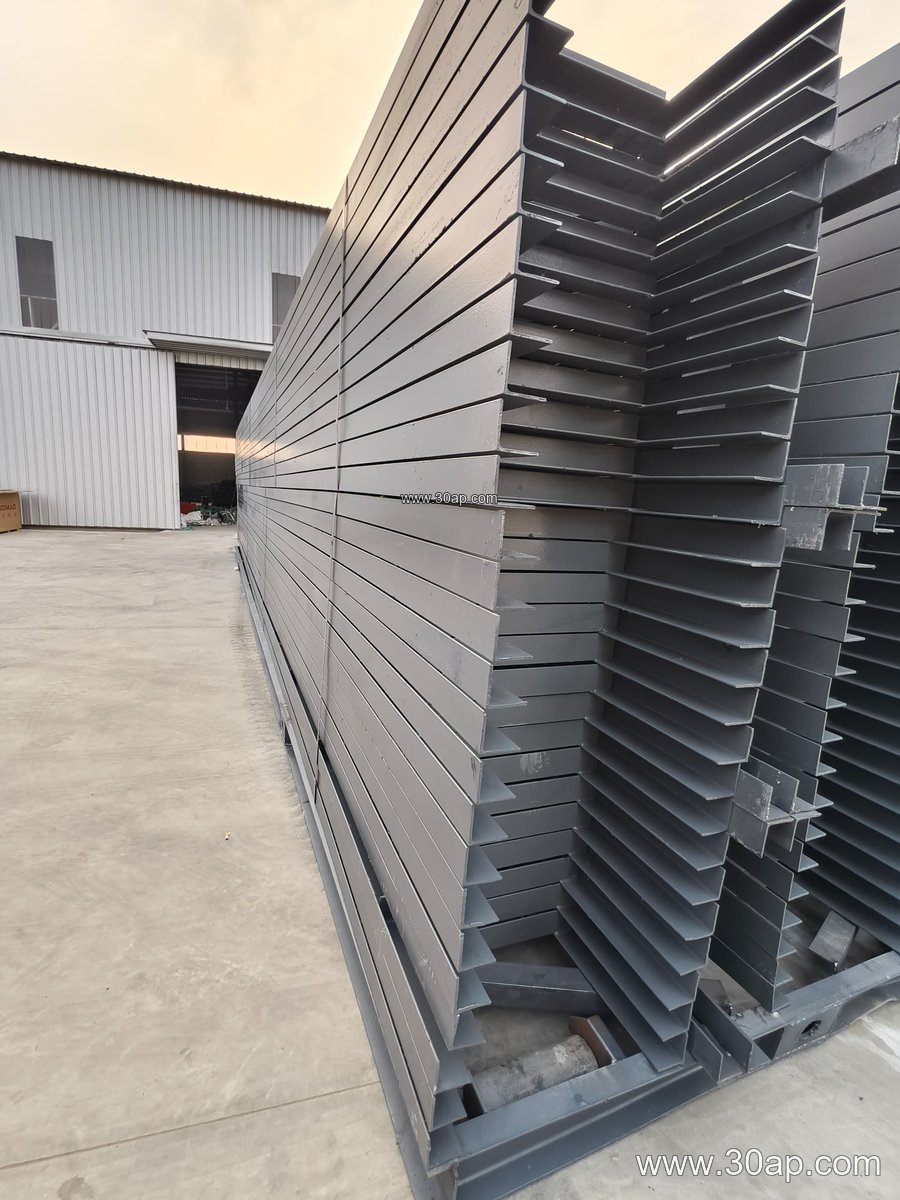
The bracket works with the conveyor belt, the idler roller set, and the conveyor pulley, so a mismatch in roll diameter can raise the belt edge or cause tracking drift. For high-abrasion duties, an abrasion resistant conveyor belt paired with a well-aligned frame reduces edge wear.
Adjustable Versus Fixed Frames
Adjustable brackets let maintenance crews correct trough angle after belt loading changes, which is useful in a quarry where feed size varies. Fixed brackets cost less per unit and suit long straight runs with stable material. Forward-leaning brackets, often set around 1.5 to 2 degrees, are used for self-training on the carrying side; they are a different function from a bend pulley and should not be confused with it.
Buyers should ask for the steel section size, the welding standard, and the hole pattern drawing. A bracket quoted only by belt width is incomplete. Request the frame drawing alongside the idler roller schedule so the conveyor bracket price can be compared on equal terms.
What to Check Before Ordering
- Confirm belt width, trough angle, and idler diameter as a set.
- Check whether the frame is fixed or adjustable, and the adjustment range.
- Review steel section and finish for the site environment.
- Match bracket height to the pulley and take-up arrangement.
- Ask for the hole spacing and beam length on the drawing.
For a cement plant or a steel plant sinter line, heat resistant conveyor belt grades may be specified, and the frame finish should suit the same temperature. In cold regions, a cold resistant belt is often paired with frames that allow easy roll replacement in winter. Whatever the duty, the conveyor bracket price should be judged together with the belt and roller selection at www.huaxialuobelt.com, not as a stand-alone figure.