What a Trough Idler Bracket Set Does
A trough idler bracket set is the structural frame that holds the three-roller trough idler assembly in place on the carrying side of a conveyor. It keeps the idler rollers at the correct trough angle so the conveyor belt forms a stable profile for bulk material. This bracket set is a key component in mining conveyors, coal handling systems, cement plants, and quarry lines, where continuous material flow depends on proper belt support.
Unlike a single bracket, a set typically includes the base frame, mounting plates, and adjustable or fixed arms that position the side rollers. The set works together with the idler roller and conveyor belt to maintain alignment and reduce spillage. In many installations, the bracket set is matched to the specific trough angle and belt width required by the conveyor design.
Construction and Common Materials
Trough idler bracket sets are usually fabricated from angle steel, channel steel, or folded steel plate. The choice of material depends on the load and environmental conditions. For heavy-duty mining conveyor systems, thicker sections are common to resist vibration and impact. The bracket set may be fixed or adjustable, allowing the trough angle to be set between common values such as 20, 30, 35, or 45 degrees.
Mounting hole spacing and beam length are determined by the belt width and trough angle, so they are not universal. A bracket set for a B800 conveyor is not the same as one for a B1400 system. Buyers should refer to the conveyor design drawings rather than assuming a fixed dimension.
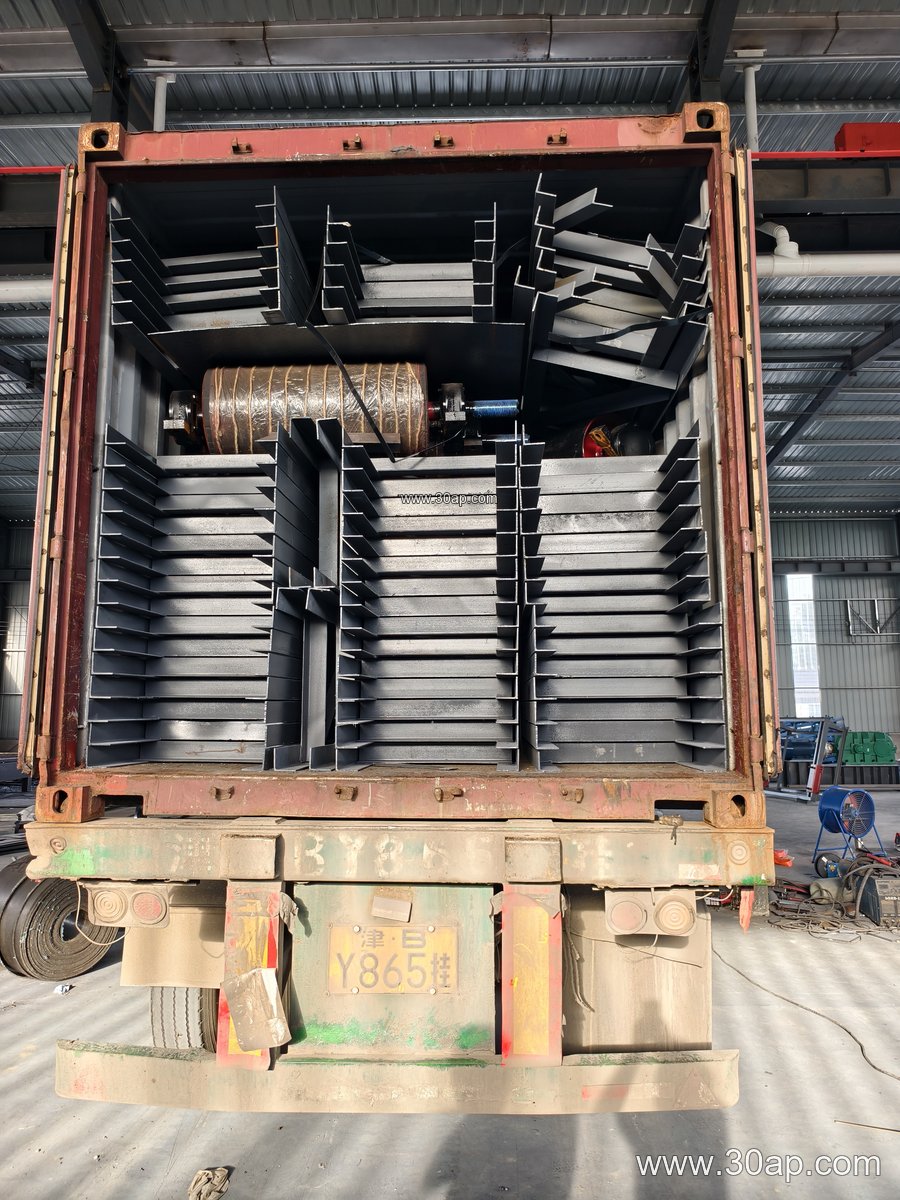
Where Trough Idler Bracket Sets Are Used
These bracket sets appear in a wide range of bulk material handling operations. In coal mining and underground mining conveyors, they support the belt through loading and transport zones. In cement plants and power plant coal yards, they help maintain belt shape on long overland conveyors. Aggregate and quarry conveyors also rely on trough idler bracket sets to keep the belt centered under heavy stone loads.
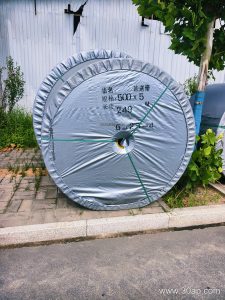
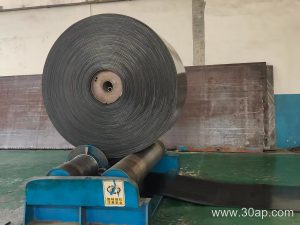
The bracket set is often used with fabric core conveyor belts such as EP conveyor belt or NN conveyor belt, as well as steel cord conveyor belt in high-capacity systems. In dusty or wet conditions, a properly aligned bracket set reduces belt edge damage and extends the life of the idler roller.
Key Selection Points for Buyers
When specifying a trough idler bracket set, several factors should be confirmed:
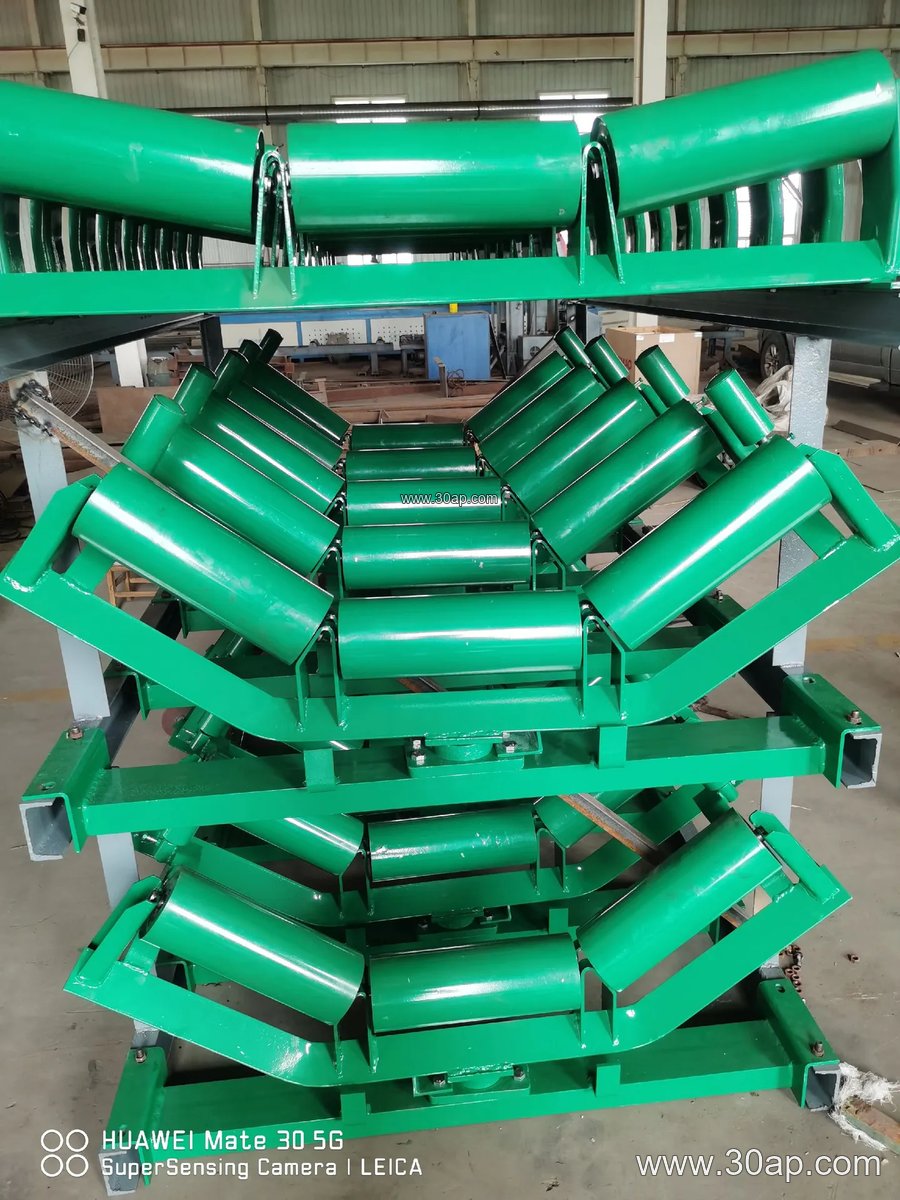
- Belt width – common widths include B500, B650, B800, B1000, B1200, B1400, B1600, B1800, B2000, B2200. The bracket set must match the conveyor frame.
- Trough angle – 20, 30, 35, and 45 degrees are typical; adjustable brackets allow field changes within a range.
- Roller diameter – Ø89, Ø108, Ø133, Ø159, and Ø194 are common idler roller sizes. The bracket set should accept the selected roller diameter.
- Mounting style – fixed or adjustable, with hole spacing according to the conveyor design.
- Material and finish – angle steel, channel steel, or folded plate, with surface treatment suited to the environment.
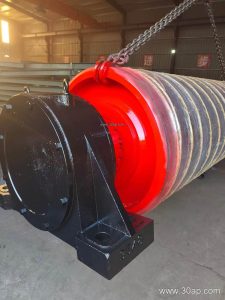
A bracket set is not interchangeable with a bend pulley bracket or a drive pulley base. Those components serve different functions in the conveyor pulley assembly and should be specified separately.
Installation and Maintenance Notes
Correct installation of the trough idler bracket set ensures the idler rollers sit squarely and the belt runs without excessive edge wear. Alignment should be checked after mounting, especially on long conveyors. In mining and quarry applications, periodic inspection for loose bolts or bent frames helps prevent belt tracking problems. Replacing a damaged bracket set early avoids premature wear on the conveyor belt and idler roller.
For systems using abrasion resistant conveyor belt or heat resistant conveyor belt, the bracket set should be selected to handle the same operating environment. In coal mining conveyor belt systems, flame retardant conveyor belt is often used, and the bracket set must be compatible with the overall fire safety design.
Summary
A trough idler bracket set is a simple but essential part of a conveyor’s carrying side. By matching belt width, trough angle, and roller diameter, buyers can ensure smooth operation in industries from mining to cement and power generation.