What a Heavy-Load Conveyor Pulley Does
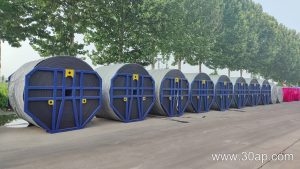
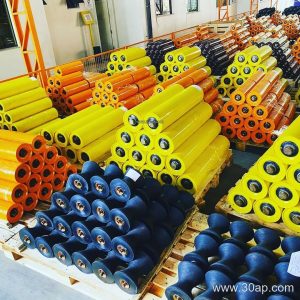
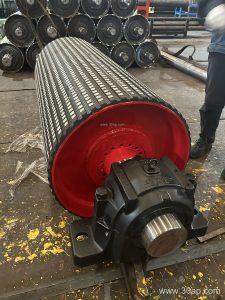
A heavy-load conveyor pulley is the robust drum that drives, tensions, or redirects the belt in high-capacity bulk handling systems. Unlike a standard conveyor pulley, this class is engineered for continuous duty under extreme tension, abrasive material, and heavy impact. In quarry and aggregate lines, a heavy-load conveyor pulley often works alongside a rubber conveyor belt and idler roller sets to keep thousands of tonnes moving daily. The same drum design appears in iron ore terminals, cement clinker plants, and power station coal yards.
Core construction
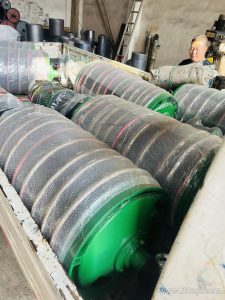
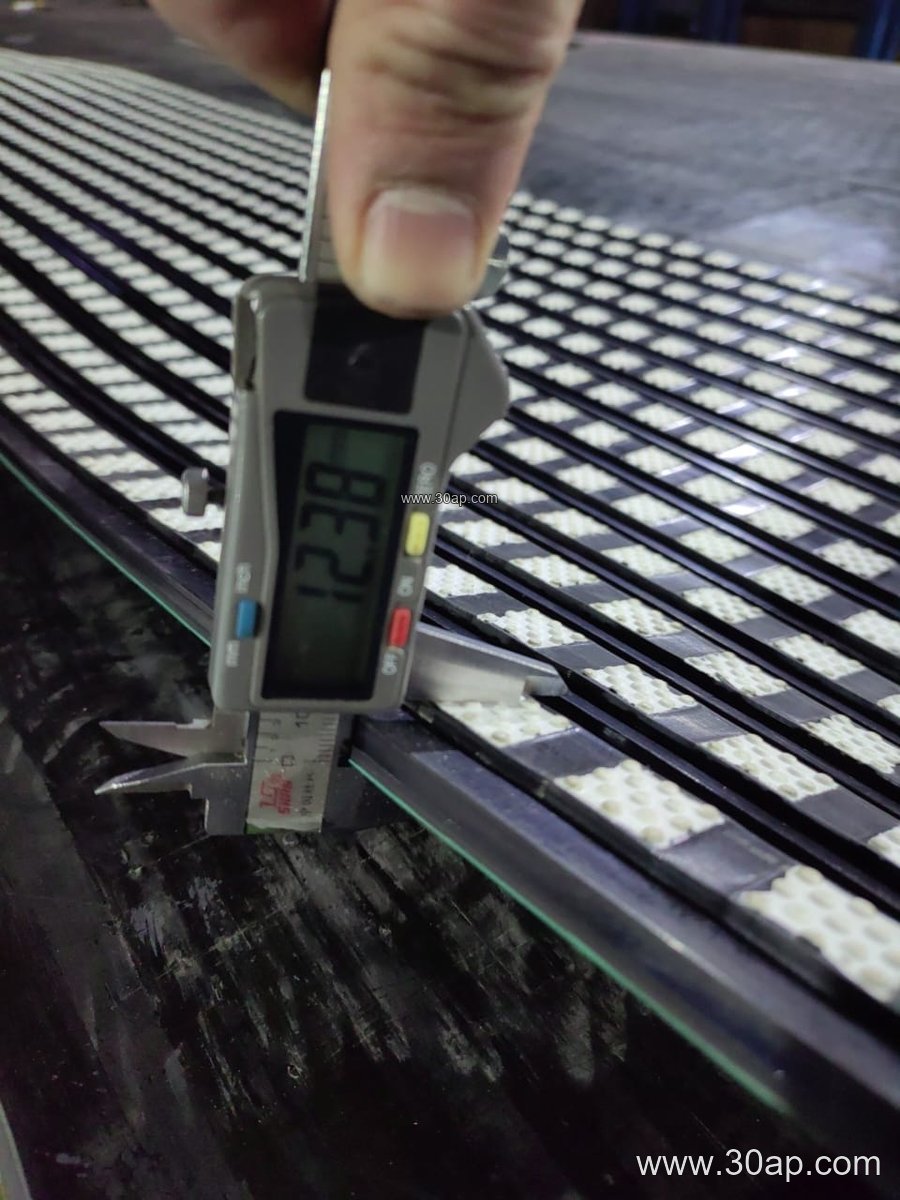
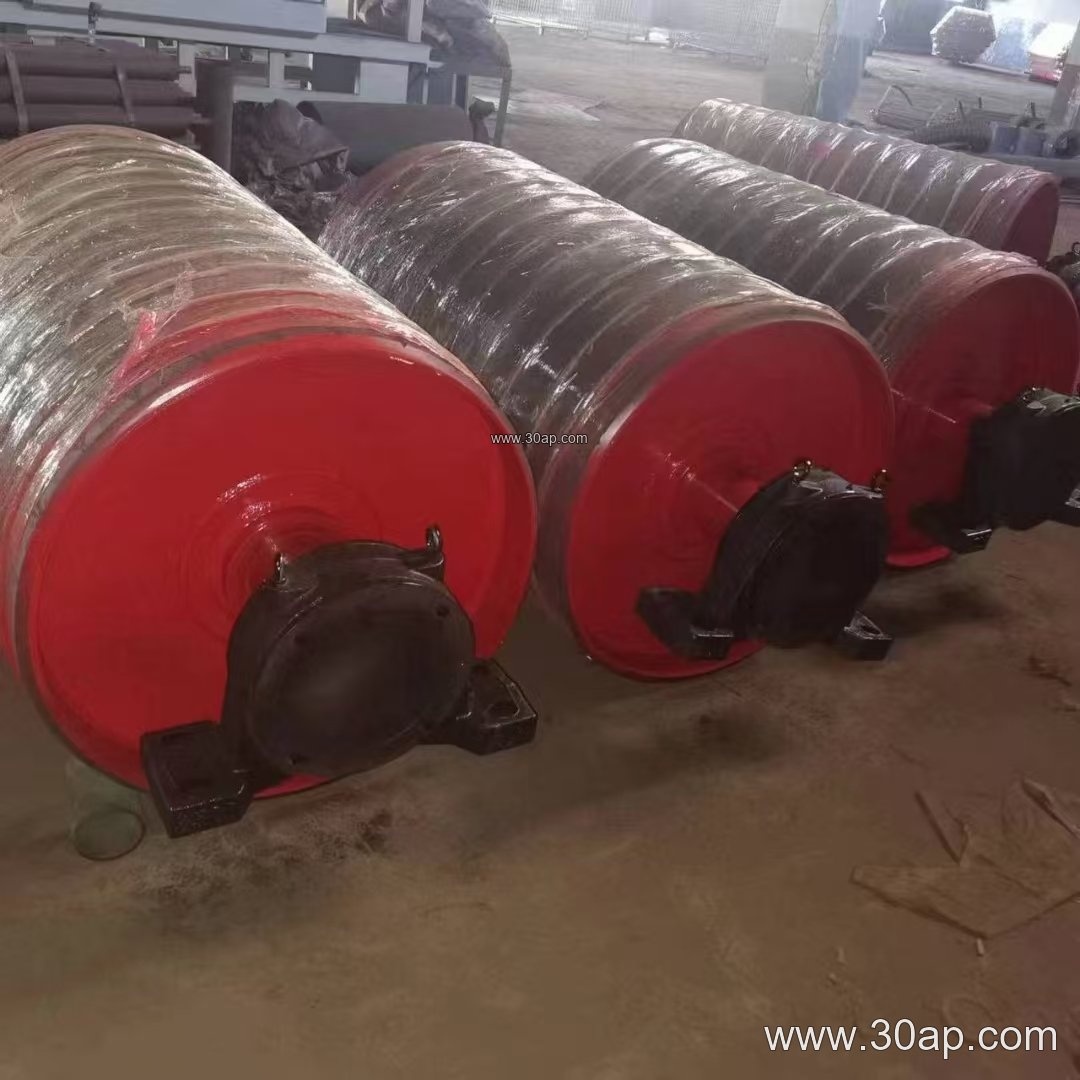
The drum body is typically rolled from thick steel plate, welded to end discs, and fitted with a shaft that is sized by torque and radial load rather than belt width alone. Common shaft diameters range from Ø50 to Ø200 mm, but final selection depends on the drive power and bearing span. Surface options include plain finish, cast rubber, cold-bonded rubber, hot-vulcanized rubber, diamond grooving, herringbone grooving, and ceramic lagging. Lagging thickness is commonly 8, 10, 12, 15, or 20 mm. The pulley face width usually exceeds the belt width; for example, a B1200 belt often runs on a drum face around 1400 mm, while B800 may use about 950 mm.
Where Heavy-Load Pulleys Are Used
These pulleys are common in primary crushing circuits, ship loading conveyors, and underground coal mining conveyors. A heavy-load conveyor pulley at the head of a quarry conveyor must handle both high belt tension and the shock of large rock lumps. In cement plants, heat-resistant conveyor belts carry clinker while the pulley bearings cope with dust and high temperatures. In port bulk terminals, steel cord conveyor belts pull heavy loads over long distances, and the drive pulley becomes the critical link between motor torque and belt movement.
Related equipment such as the conveyor bracket and idler roller frame must align with the pulley centerline to avoid belt mistracking. When a heavy-load conveyor pulley is installed at the tail or tension position, it may use a different lagging pattern than the drive pulley, but it remains part of the same heavy-duty pulley family.
Key Parameters and Typical Combinations
Buyers often ask for a specific belt width and drum diameter together. The table below shows common reference combinations, not fixed rules. Any belt width can pair with more than one pulley diameter depending on tension and wrap angle.
| Belt width | Common pulley face width | Example diameter pairing | Typical shaft range |
|---|---|---|---|
| B800 | ~950 mm | Ø500 mm | Ø80–Ø120 mm |
| B1000 | ~1150 mm | Ø630 mm | Ø90–Ø140 mm |
| B1200 | ~1400 mm | Ø1000 mm | Ø100–Ø160 mm |
| B1400 | ~1600 mm | Ø800 mm | Ø120–Ø180 mm |
| B1600 | ~1800 mm | Ø1250 mm | Ø140–Ø200 mm |
Larger drums (Ø1400 to Ø1800 mm) may appear in high-tension main drives, while smaller diameters (Ø200 to Ø400 mm) are more common on bend or snub positions. Do not assume a fixed shaft diameter from belt width alone; shaft size must be calculated from drive torque and bearing load.
Buyer Checklist for Heavy-Load Conveyor Pulleys
- Confirm the actual belt width and the required pulley face width, allowing for belt wander.
- Specify lagging type and thickness based on abrasion and slip risk. Ceramic lagging suits high-torque drives in wet conditions, while plain rubber may suffice in dry, clean service.
- State the duty location: drive, tail, bend, or tension. A drive pulley needs more traction and often thicker lagging than a bend pulley.
- Provide the belt type, such as EP conveyor belt or steel cord conveyor belt, so the pulley maker can check wrap angle and tension.
- Ask for bearing type, shaft material, and balancing grade. Heavy-load pulleys should be dynamically balanced for smooth operation.
- Plan for maintenance access. Checking lagging wear and bearing condition is easier when the conveyor bracket and guarding allow safe inspection.
A heavy-load conveyor pulley is not a generic spare part. Matching the drum to the conveyor belt, the idler roller layout, and the actual load profile keeps the whole conveyor reliable in mines, quarries, cement works, and power plants.