What Makes a Thick Conveyor Belt Different
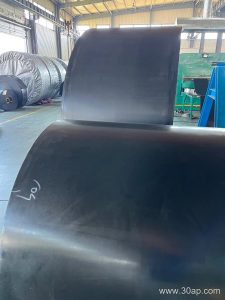
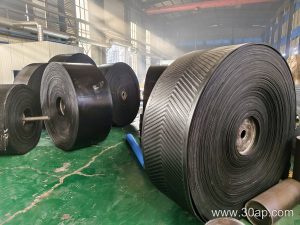
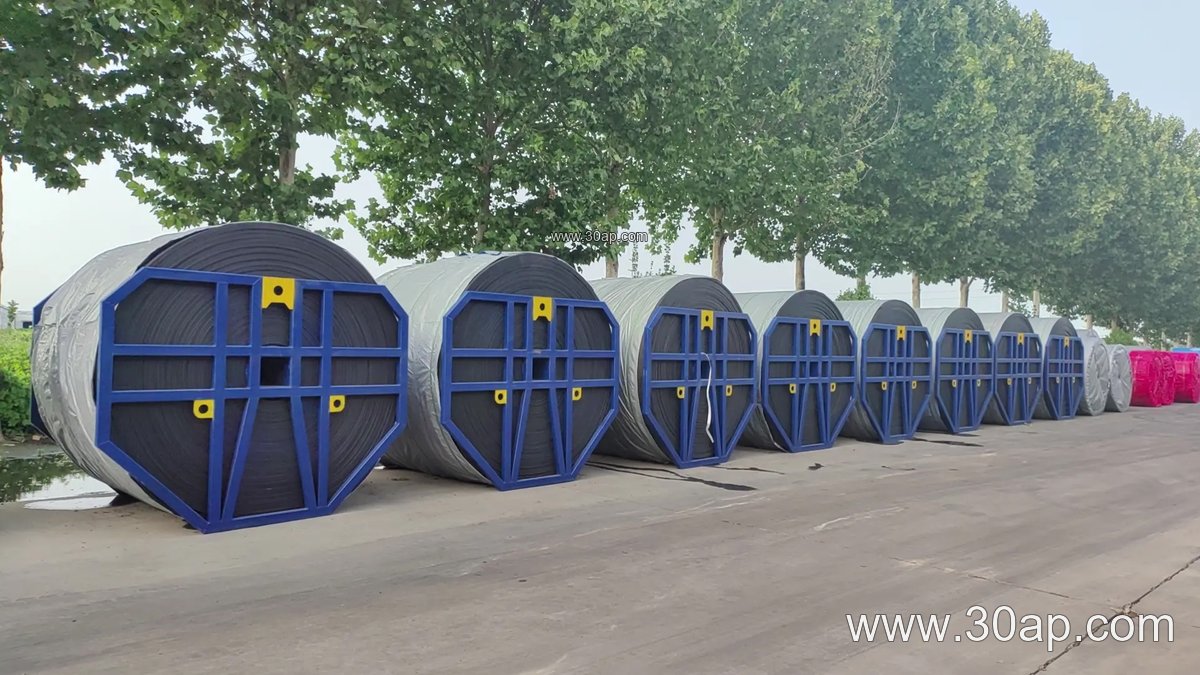
A Thick Conveyor Belt is a heavy-gauge rubber belt built with a thicker cover, a heavier carcass, or both, so it can carry abrasive, sharp, or high-impact bulk material without wearing through quickly. In practice, the term usually points to belts with cover gauges in the 6+2 mm to 8+3 mm range and multi-ply fabric or steel cord reinforcement. The extra rubber and stronger body add weight and stiffness, so the belt suits transfer points where standard belting would fail early rather than every conveyor on site.
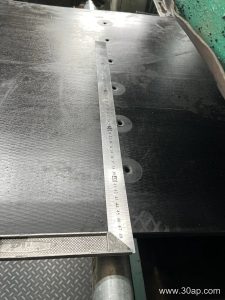
Thickness itself is not a single specification. A buyer comparing quotations should separate cover thickness, total belt thickness, carcass type, and rated tensile strength, because two belts with the same overall thickness can behave very differently in a crusher discharge or a wet coal bunker.
How the Belt Is Built
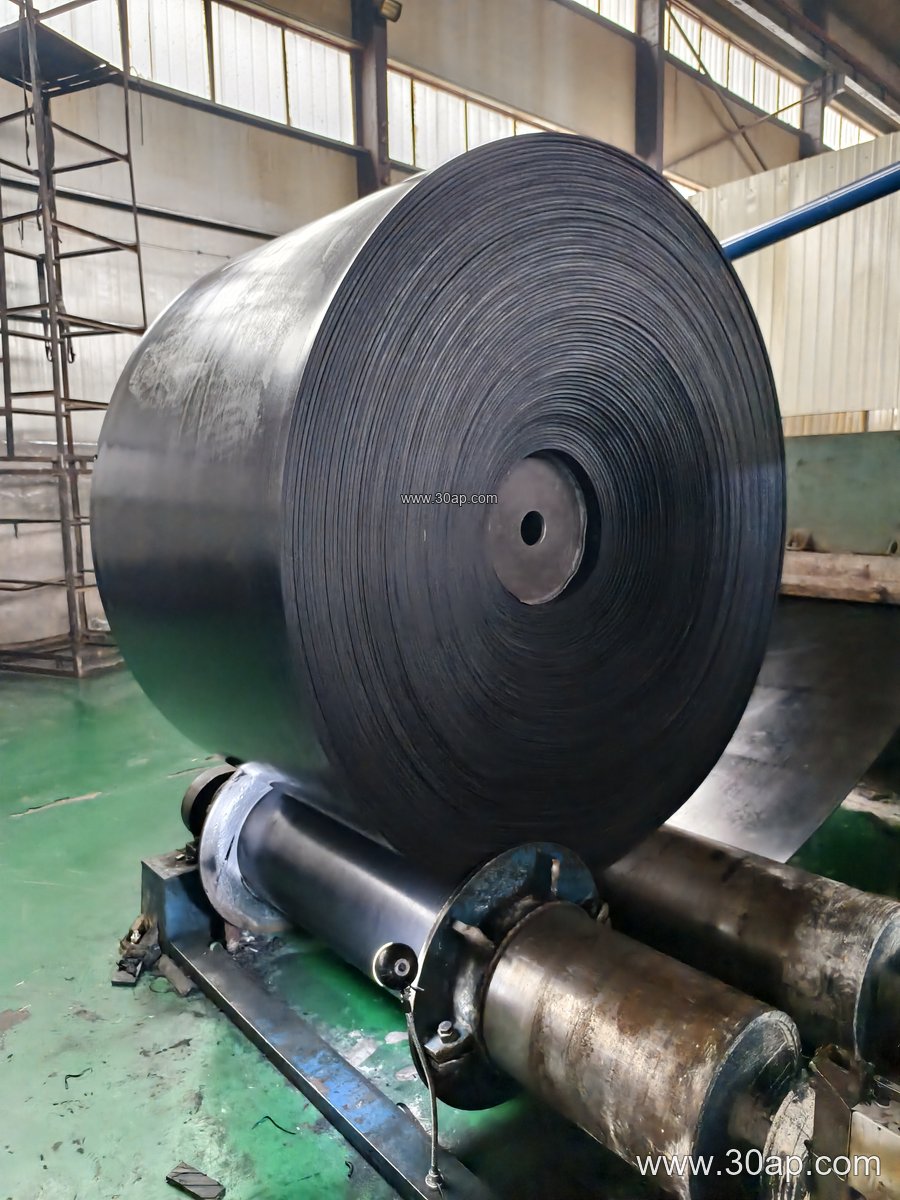
Most thick belts combine three layers of construction. The carcass carries tension, the covers protect the carcass from the load, and the bond between them determines service life.
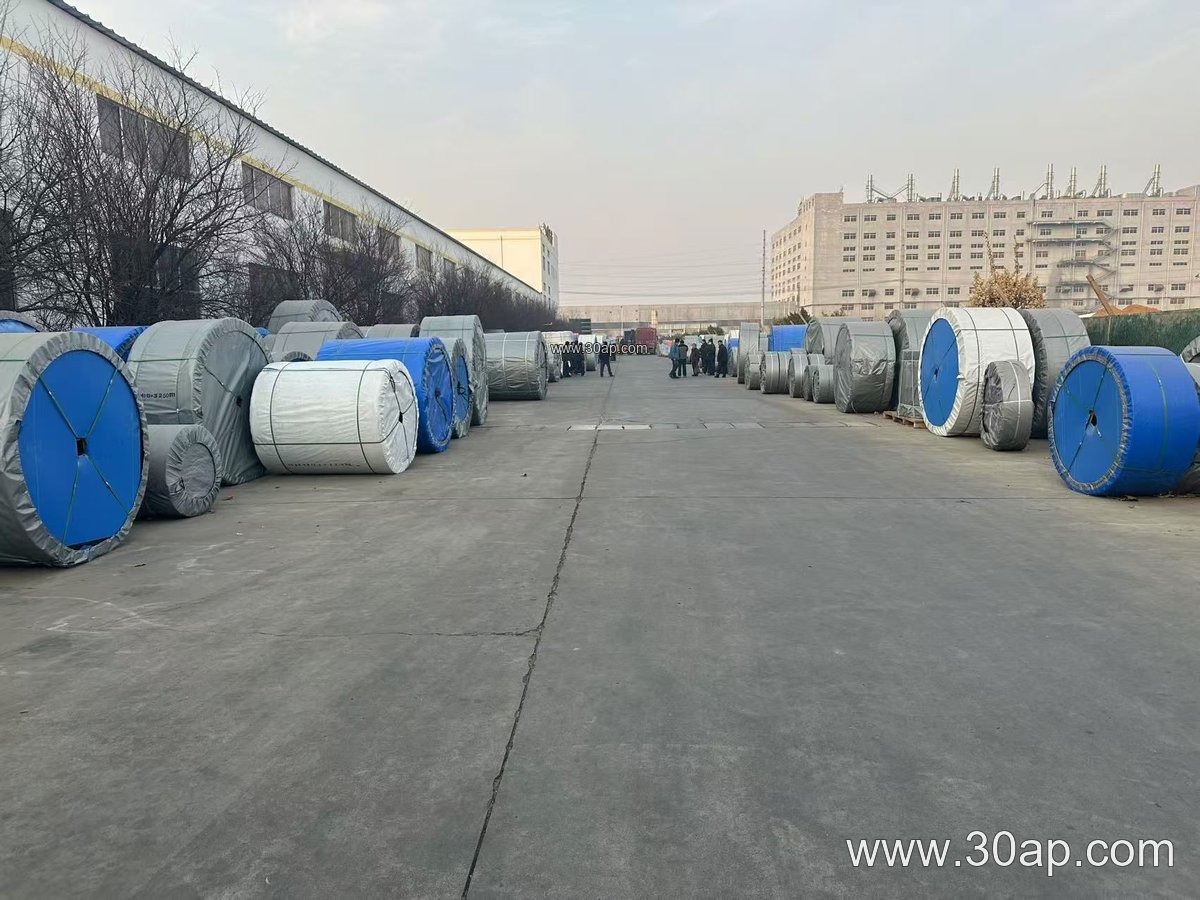
- Top cover: usually 5 mm to 10 mm of rubber compound, selected for abrasion, heat, oil, or flame resistance.
- Carcass: multi-ply fabric such as EP or NN, or steel cord for very high tension and long center distances.
- Bottom cover: often 2 mm to 3 mm, sized to protect the pulley side from wear and tracking damage.
Fabric carcasses are commonly built with 2 to 6 plies. Higher ply counts and heavier covers raise the belt mass, which affects the drive power, the conveyor pulley loading, and the idler roller spacing. A thick belt also needs careful splicing, because a poor joint in a heavy carcass becomes the weakest point of the whole line.
Common Specifications
The table below shows typical reference values used when specifying a heavy belt. Actual figures depend on the manufacturer and the duty profile, so treat them as a starting point for discussion rather than fixed rules.
| Parameter | Typical Range | Notes |
|---|---|---|
| Belt width | B500 to B2000 mm | Wider belts used in high-capacity mining and port lines |
| Fabric strength grades | EP200 to EP2000 | EP1000 and EP1250 common in heavy quarry duty |
| Steel cord grades | ST1000 to ST3150 | Chosen for long conveyors and high tension |
| Cover gauge | 4+2, 5+2, 6+2, 8+3 mm | Thick covers resist impact and abrasion |
| Ply count | 2 to 6 plies | Higher counts for heavier loads |
Width and strength are independent choices. A 1200 mm wide belt can be supplied in several strength grades, and no single belt width is tied to one pulley diameter or shaft size. Those dimensions come from the conveyor design, not from the belt alone.
Where Thick Belts Are Used
Heavy belting appears wherever material is coarse, hot, wet, or sharply angular. In a mine, a mining conveyor belt may run from the crusher to the stockpile with thick abrasion-resistant covers. Cement plants use heat-resistant grades under clinker and raw meal transfer points. Power plants handle coal with flame-retardant belting, while steel plants and foundries often need heat and oil resistance together.
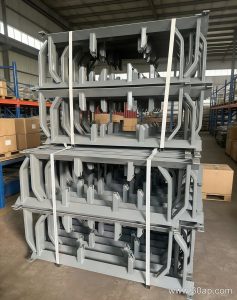
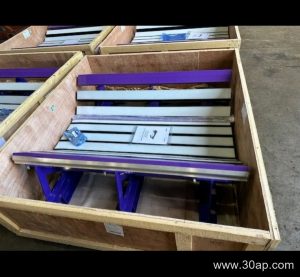
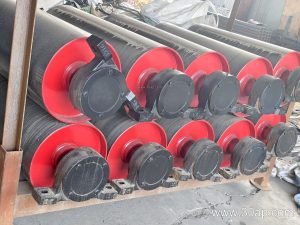
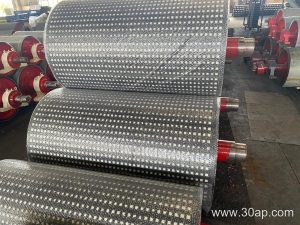
Quarries and sand plants use thick belts after primary crushing, where rock falls from height and edge cuts are common. Ports and ship loaders choose wide, high-tension belts for long runs. In all these cases the belt works with conveyor pulleys, idler rollers, and conveyor brackets that must be rated for the extra weight and stiffness.
Buyer Checklist
Before ordering, confirm the material being carried, lump size, drop height, temperature, and whether oil or chemicals are present. Then check the required tensile strength, cover grade, and belt width against the conveyor design. Ask how the belt will be spliced and whether the pulley diameters and idler spacing suit a stiff, heavy carcass.
Also review the cover compound rather than only the thickness. A thick but soft cover may wear faster than a thinner, high-abrasion compound. For underground work, flame retardant and anti-static properties usually matter as much as gauge. Where the route bends tightly, a pipe conveyor belt or a corrugated sidewall design may be a better fit than a flat heavy belt, but those are different constructions with their own selection rules. Keeping spare belts, splice materials, and inspection records consistent helps avoid unplanned stops in any bulk handling plant.