What a Self-Aligning Idler Set Does
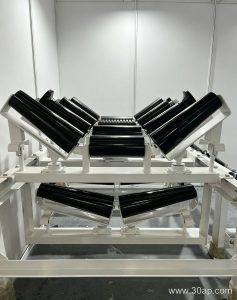
A self-aligning idler set is a training assembly mounted on the carrying or return side of a conveyor to keep the belt centred on its path. When a conveyor belt begins to drift toward one side, the angled rollers of the set steer it back. This corrective action is automatic, which is why the assembly is often called a self-training idler set or belt training idler set.
Tracking problems are common in bulk handling. A mining conveyor belt carrying uneven loads, a cement plant line with off-centre feed, or a power plant coal conveyor exposed to wind and misalignment all benefit from well-placed training idlers. The set does not replace good pulley alignment or proper belt tension, but it reduces edge damage and spillage when minor drift appears.
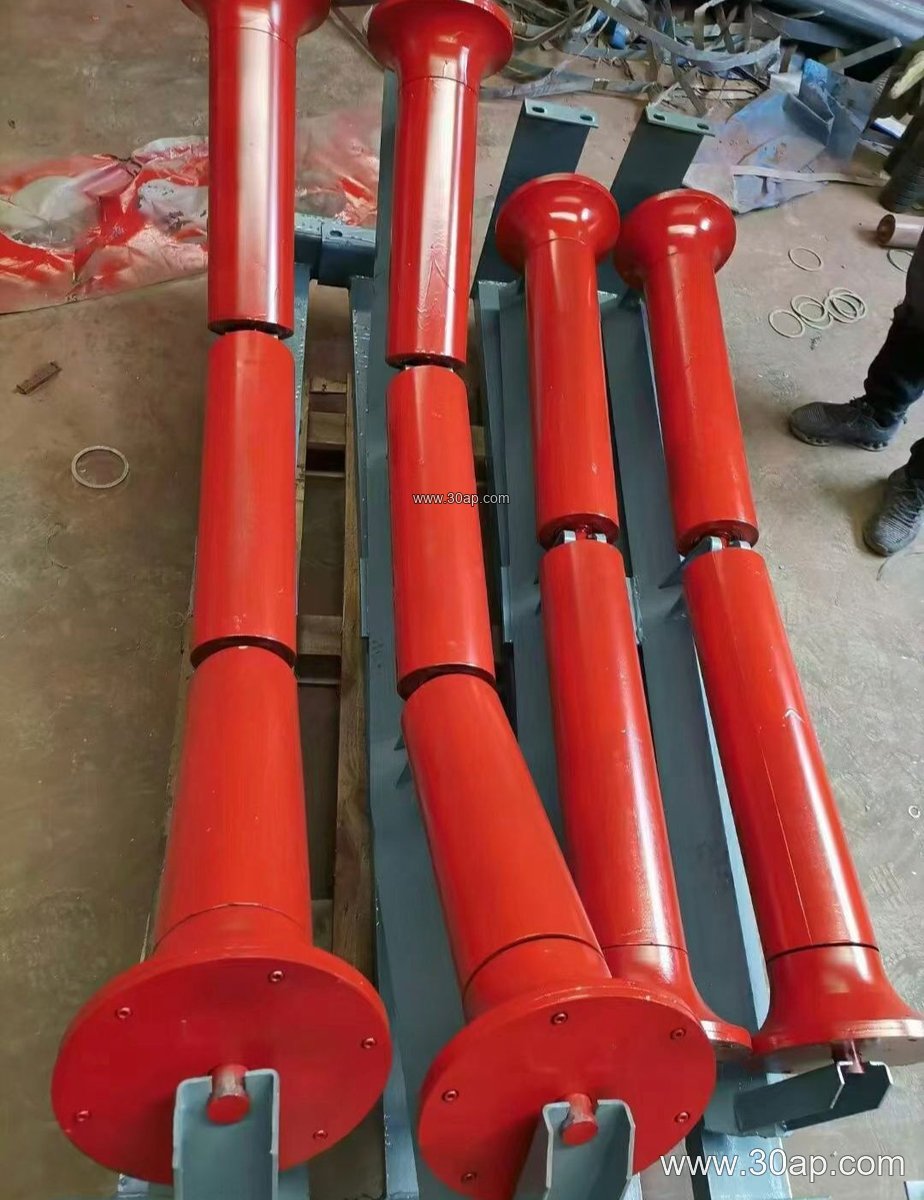
How the Assembly Is Built
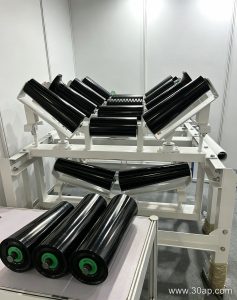
A typical self-aligning idler set combines two or three rollers mounted on a pivoting frame. The frame turns about a vertical axis, so when the belt contacts the rollers at an angle, the resulting friction swings the assembly and nudges the belt back to centre. Common designs include friction self-aligning sets, conical self-aligning sets and return-side training sets.
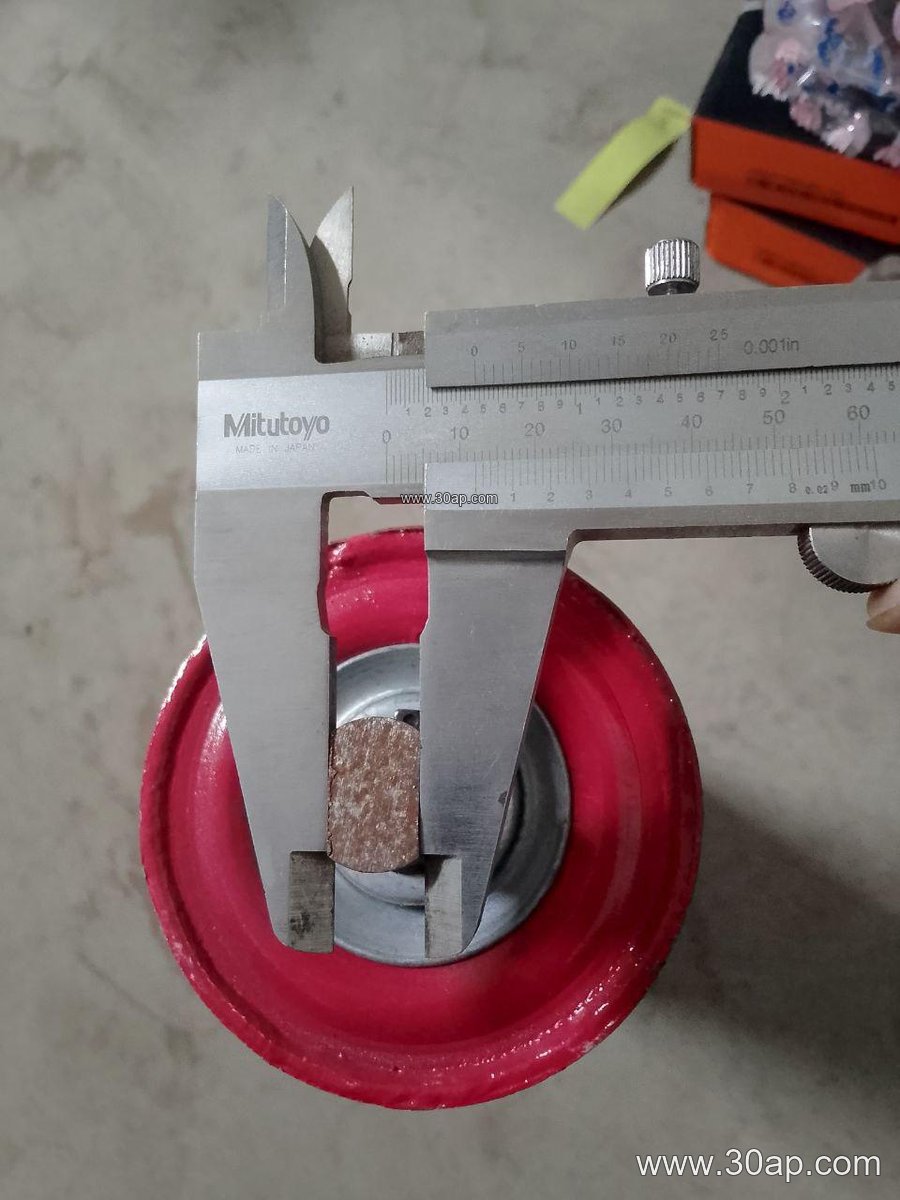
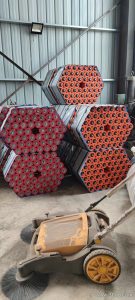
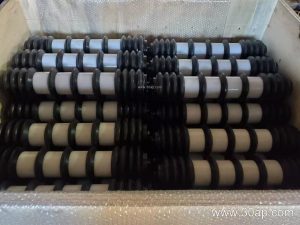
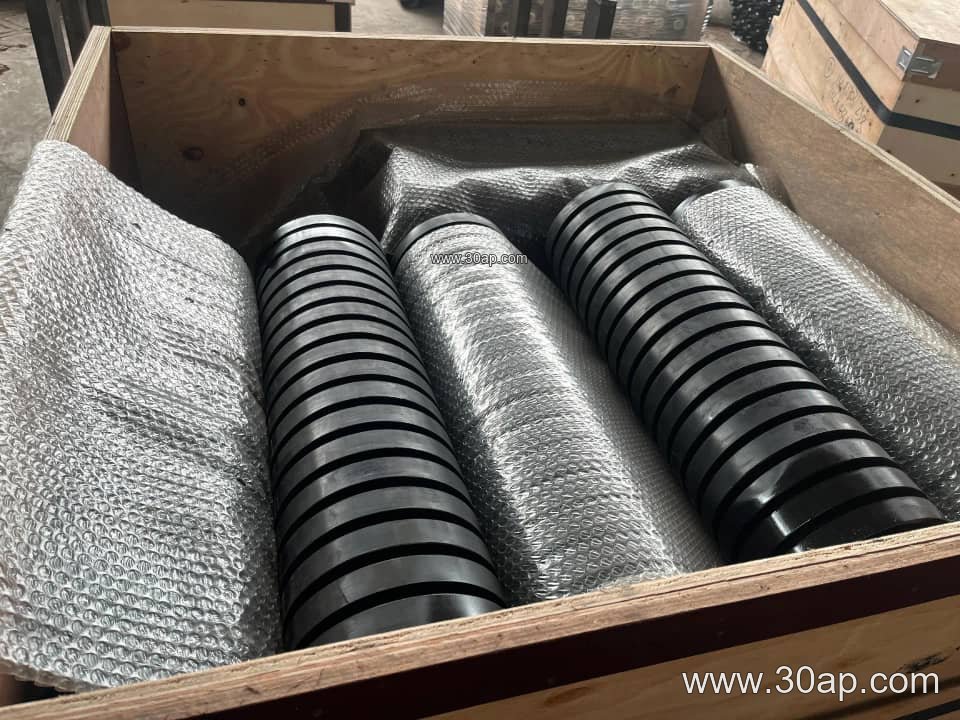
- Rollers: steel tube, nylon, ceramic or rubber-ringed, depending on the material and wear conditions.
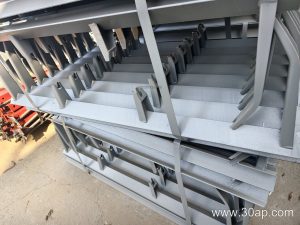
- Frame: a pivoting bracket with a central pivot pin and stops that limit swing.
- Bearings: sealed ball bearings such as 6204, 6205, 6305, 6306, 6308 or 6310, selected to suit the roller diameter and load.
- Mounting: fixed to the conveyor bracket or stringer with bolts, usually in pairs at intervals along the line.
Roller diameters commonly range from Ø63 mm to Ø219 mm. The correct size depends on belt width, load and the frame design, not on a single fixed rule.
Where Training Idlers Fit on the Conveyor
Training sets are usually installed on the carrying side, ahead of the discharge or after a loading point, and on the return side where the belt is prone to wander. In a quarry or aggregate line, a set after the crusher discharge helps control the belt as lumpy rock lands off-centre. In a coal washing plant or underground coal mining conveyor, return-side training idlers protect the belt edges from rubbing the structure.
They work alongside the drive pulley, tail pulley and bend pulleys, but they are not a substitute for any of these. If a pulley is out of square, no idler set will fully correct the resulting drift. A self-aligning set is a tracking aid, not a cure for structural misalignment.
Common Sizes and Configurations
The table below shows typical reference values. Actual roller length, diameter and trough angle are set by the conveyor design and should be confirmed before ordering.
| Item | Common Reference Values |
|---|---|
| Belt width | B500, B650, B800, B1000, B1200, B1400, B1600, B1800, B2000 |
| Roller diameter | Ø89, Ø102, Ø108, Ø127, Ø133, Ø159, Ø178 |
| Trough angle | 20°, 30°, 35°, 45° |
| Roller surface | Steel tube, nylon, ceramic, rubber ring |
| Bearing | 6204, 6205, 6305, 6306, 6308, 6310 |
For a three-roll troughing set, side roller length often grows with belt width; a B800 set may use roughly 315 mm rollers while a B1400 set may use about 530 mm. These are examples only, and the centre roller can differ from the side rollers.
Buyer Checklist
- Confirm belt width, trough angle and whether the set is for the carrying or return side.
- Match roller diameter to the existing idler line so the belt profile stays consistent.
- Choose the roller surface for the duty: rubber rings for impact, ceramic for abrasive fines, steel for general service.
- Check that the pivot and stops allow enough swing without fouling the conveyor bracket.
- Plan spacing with the belt manufacturer or conveyor designer; too few sets leave drift uncorrected, too many add cost.
Inspect training idlers during routine walks. A stiff pivot or worn bearing stops the set from correcting, and a belt that still drifts after adjustment usually points to a pulley, structure or loading problem that needs attention first.