What a 1200mm Conveyor Belt Is
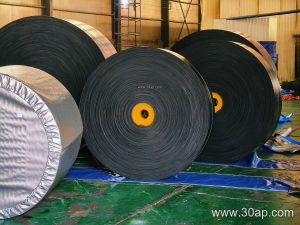
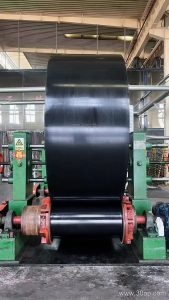
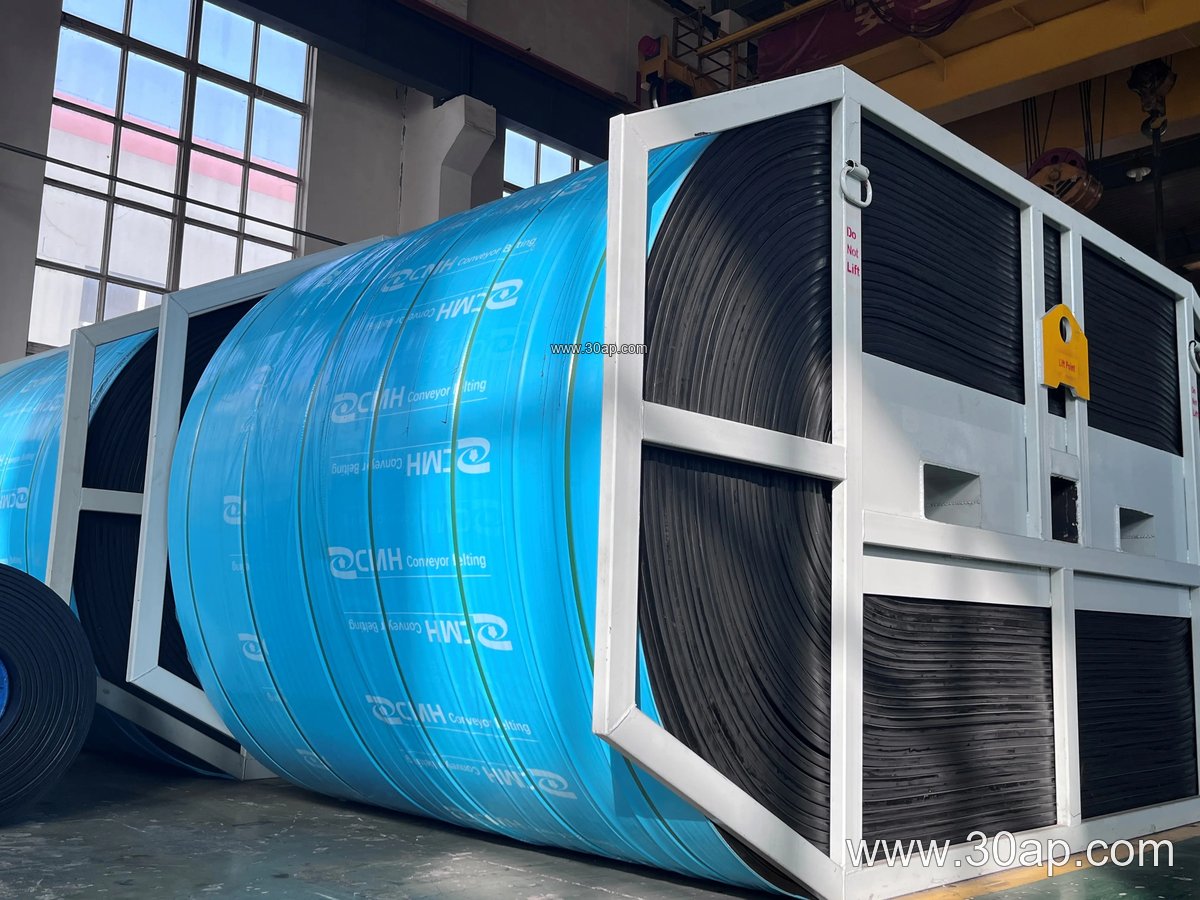
A 1200mm conveyor belt is a 1200 mm wide endless loop of rubber or fabric-reinforced material used to move bulk solids along a conveyor frame. In metric sizing the width is written as B1200, and the same product is often called a 1200mm wide conveyor belt. It sits between the 1000mm and 1400mm widths, making it a common choice for high-tonnage lines in mining, coal preparation, cement plants, power stations, and large sand and gravel yards where a narrower belt would limit throughput.
Construction and Common Specifications
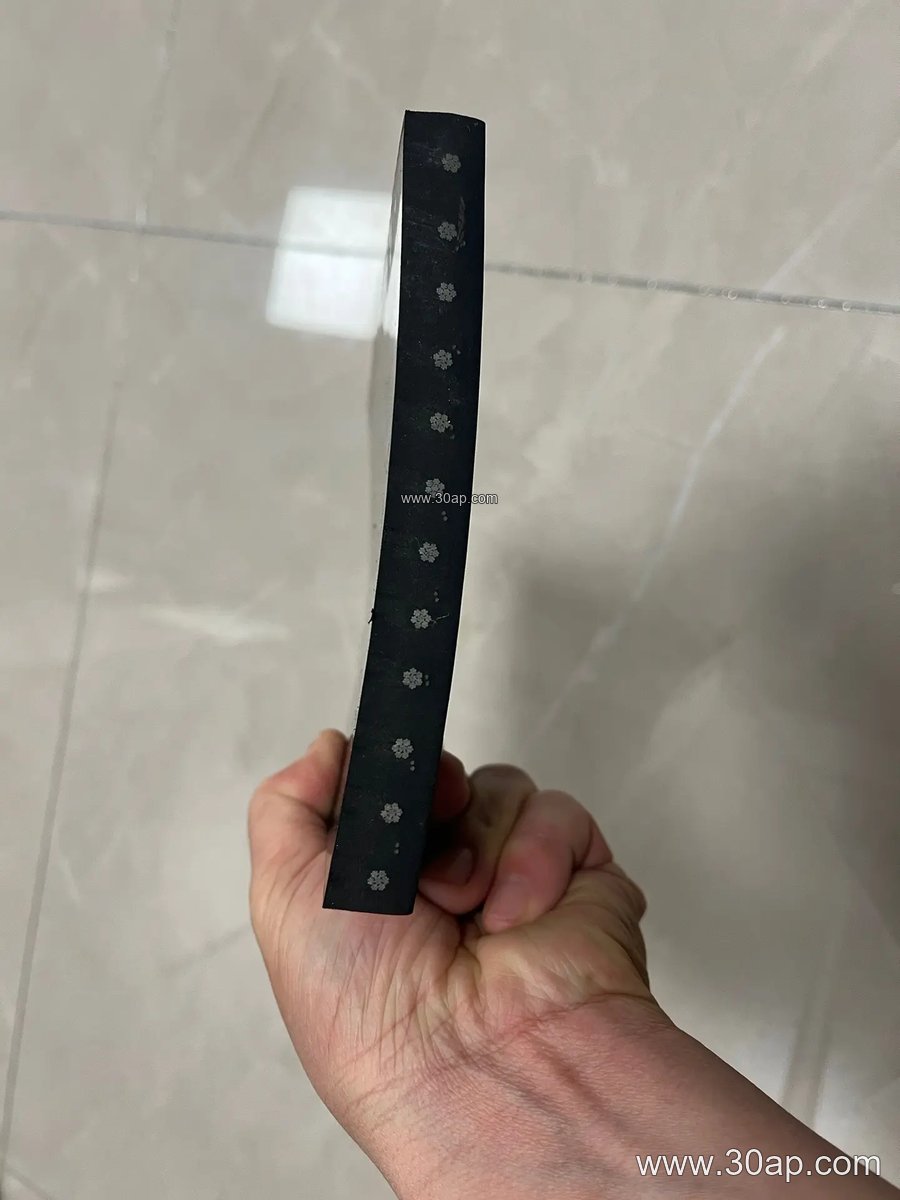
The belt body is built from a tension-bearing carcass covered on both faces with rubber compound. Carcass options include multi-ply fabric, EP (polyester-cotton) fabric, NN nylon fabric, and steel cord. Cover grade is chosen for the duty: abrasion resistant, heat resistant, oil resistant, flame retardant, anti-static, cold resistant, or acid and chemical resistant. Edge construction can be plain, chevron patterned, skirted, corrugated sidewall, or formed into a pipe conveyor belt.
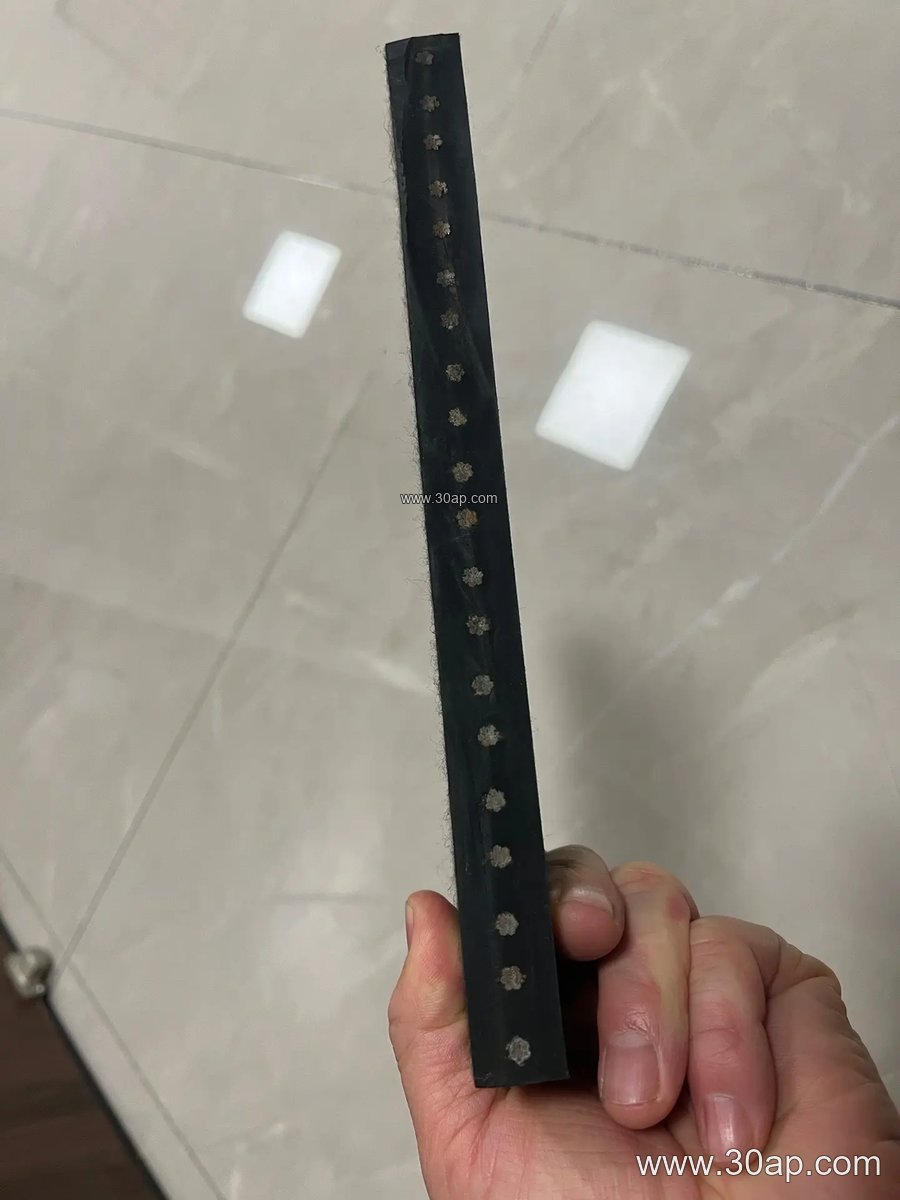
The figures below are typical reference ranges, not a supply promise. Actual values depend on the manufacturer and the engineering design.
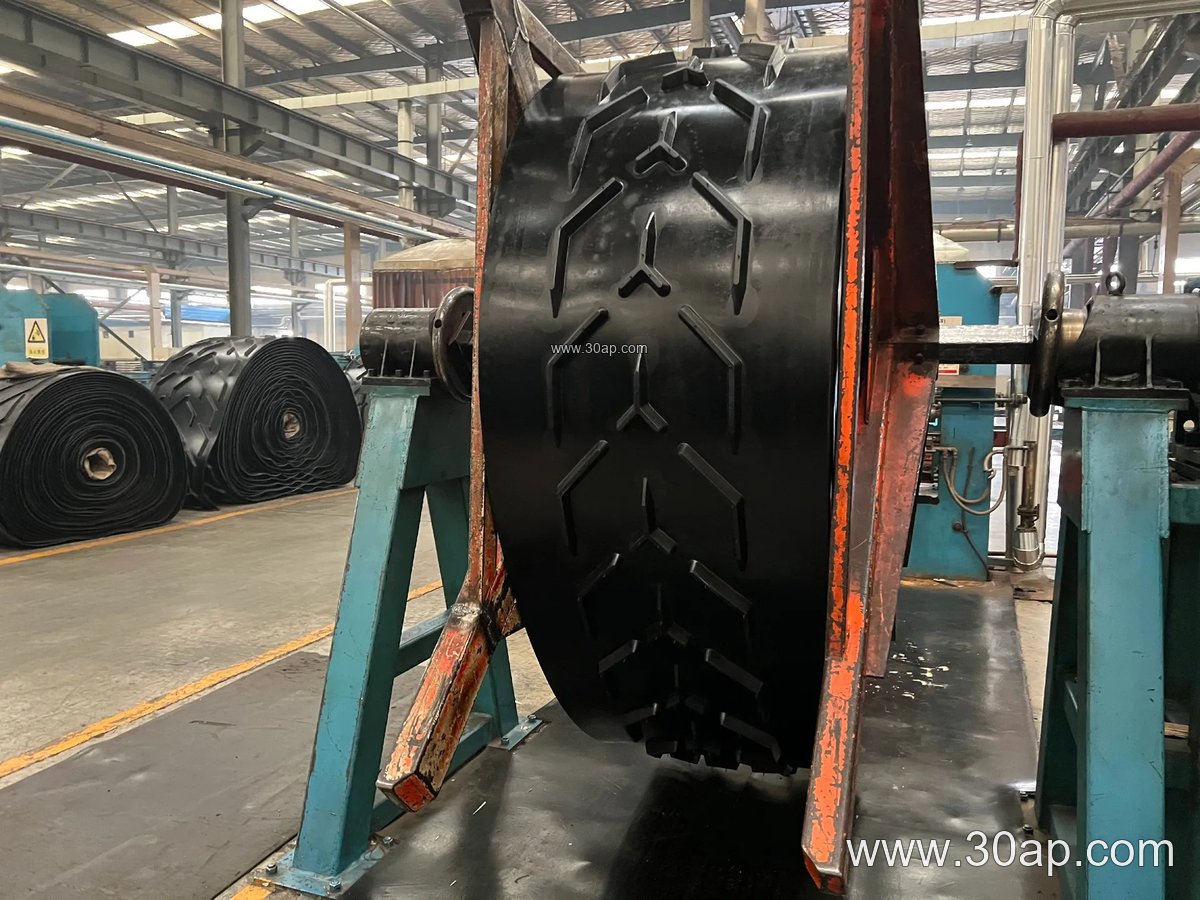
Reference Parameters for 1200mm Width Belts
| Item | Typical range or example |
|---|---|
| Belt width | B1200 (1200 mm) |
| Carcass type | EP fabric core, NN fabric core, steel cord |
| Fabric plies | 2 to 6 plies |
| Strength grade (EP) | EP200, EP315, EP400, EP500, EP630, EP800, EP1000, EP1250 |
| Strength grade (steel cord) | ST1000, ST1250, ST1600, ST2000 |
| Top cover / bottom cover | 4+2 mm, 5+2 mm, 6+2 mm, 8+3 mm |
| Surface form | Plain, chevron, skirted, corrugated sidewall |
For example, an EP1000 1200mm conveyor belt with a 6+2 mm cover is a plausible heavy-duty combination for a primary crusher discharge, while a steel cord ST1600 belt of the same width may suit a long overland run. These are examples of matching, not fixed rules.
Where This Width Fits
At 1200 mm, the belt can carry large lump sizes and high tonnages without excessive spillage, which is why it appears in iron ore, copper ore, and gold mining circuits, in coal mining and underground mining conveyors, and in quarry and aggregate operations feeding crushers and screens. Cement plants use it on clinker and raw meal lines; power plants use it on coal yards; ports use it on ship loading and stockyard conveyors. It also turns up in recycling and construction waste sorting.
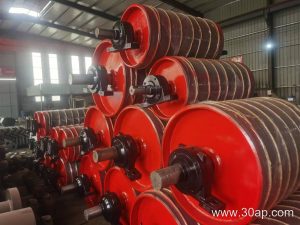
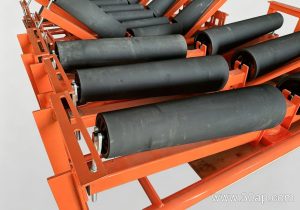
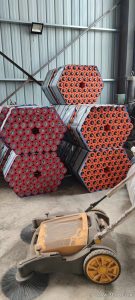
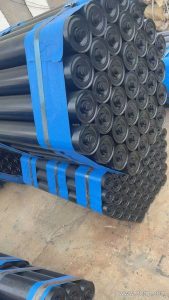
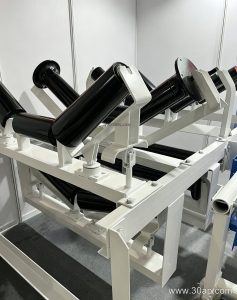
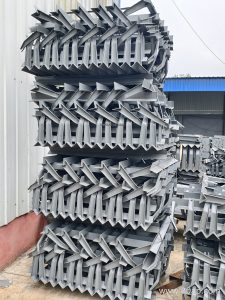
Selection is never about width alone. Drive pulleys, tail pulleys, and bend pulleys each have their own diameter and shaft requirements, and a 1200 mm belt can run with a range of pulley sizes depending on tension, splice type, and load. The idler roller spacing, conveyor pulley lagging, and conveyor bracket layout must be engineered together with the belt grade. A wider belt is not automatically better; it must match the frame, the transition distance, and the drive capacity.
Points a Buyer Should Check
- Confirm the carcass and strength grade against the actual peak tension, not just average load.
- State the cover thickness and rubber grade, especially for abrasive rock or hot clinker.
- Decide between an endless conveyor belt spliced on site and an open-end belt joined later.
- For underground coal work, specify flame retardant and anti-static properties, such as a PVG conveyor belt where required.
- Check whether the application needs a chevron conveyor belt for incline, or a skirted or corrugated sidewall belt for steep angles.
- Confirm pulley and idler compatibility and ask for the belt’s recommended minimum pulley diameter.
- Review the splicing method, storage conditions, and expected wear points before ordering.
Buyers often compare a 1200mm wide conveyor belt with a 1000mm or 1400mm option to balance capital cost and capacity. The right answer comes from the conveyor design, material size, incline, and duty cycle, not from the width number by itself.
Care and Longevity
Alignment, loading point impact, and cover wear determine service life more than any single specification. Keep impact idlers under the chute, check skirt rubber clearance, and monitor splice condition. On abrasive stone or ore duties, an abrasion resistant conveyor belt with adequate cover thickness usually lasts longer than a cheaper general-purpose belt. For hot materials, heat resistant grades reduce cracking; for oily scrap or grain, oil resistant compounds protect the carcass.
Related components such as the conveyor pulley, idler roller, and conveyor bracket should be inspected at the same time, because a worn pulley or seized roller can damage even a correctly specified belt.