What a Conveyor Bend Pulley Does
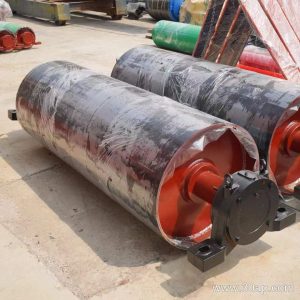
A conveyor bend pulley is a directional component that changes the path of the conveyor belt without driving it. Mounted at the tail end, take-up section, or transition zones, it guides the belt back into the carrying run and helps maintain proper wrap around the drive pulley. Unlike a drive pulley, which transmits torque, or a tail pulley, which redirects the belt at the loading point, the bend pulley simply redirects belt travel and supports tension control. This distinction matters when ordering spares: drive, tail, and bend pulleys are not interchangeable, even if their shell dimensions look similar.
Construction and Surface Options
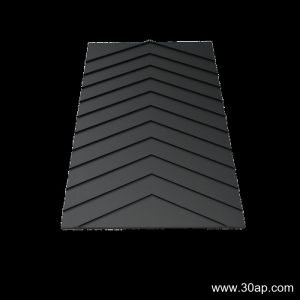
Most bend pulleys use a welded steel shell with a shaft, hub, and bearing housings. The shell width typically exceeds the belt width to prevent edge damage. Common belt widths include B400, B500, B650, B800, B1000, B1200, B1400, B1600, B1800, B2000, B2200, and B2400. For example, a B1200 belt might run on a pulley face around 1400 mm, while a B800 unit often uses a face near 950 mm. Diameters range from Ø200 to Ø1800, with Ø315, Ø400, Ø500, Ø630, Ø800, and Ø1000 being frequent choices. Surface forms include plain, cast rubber, cold-bonded rubber, hot-vulcanized rubber, diamond grooving, herringbone grooving, ceramic lagging, and flat rubber. Lagging thickness commonly runs 8, 10, 12, 15, or 20 mm.
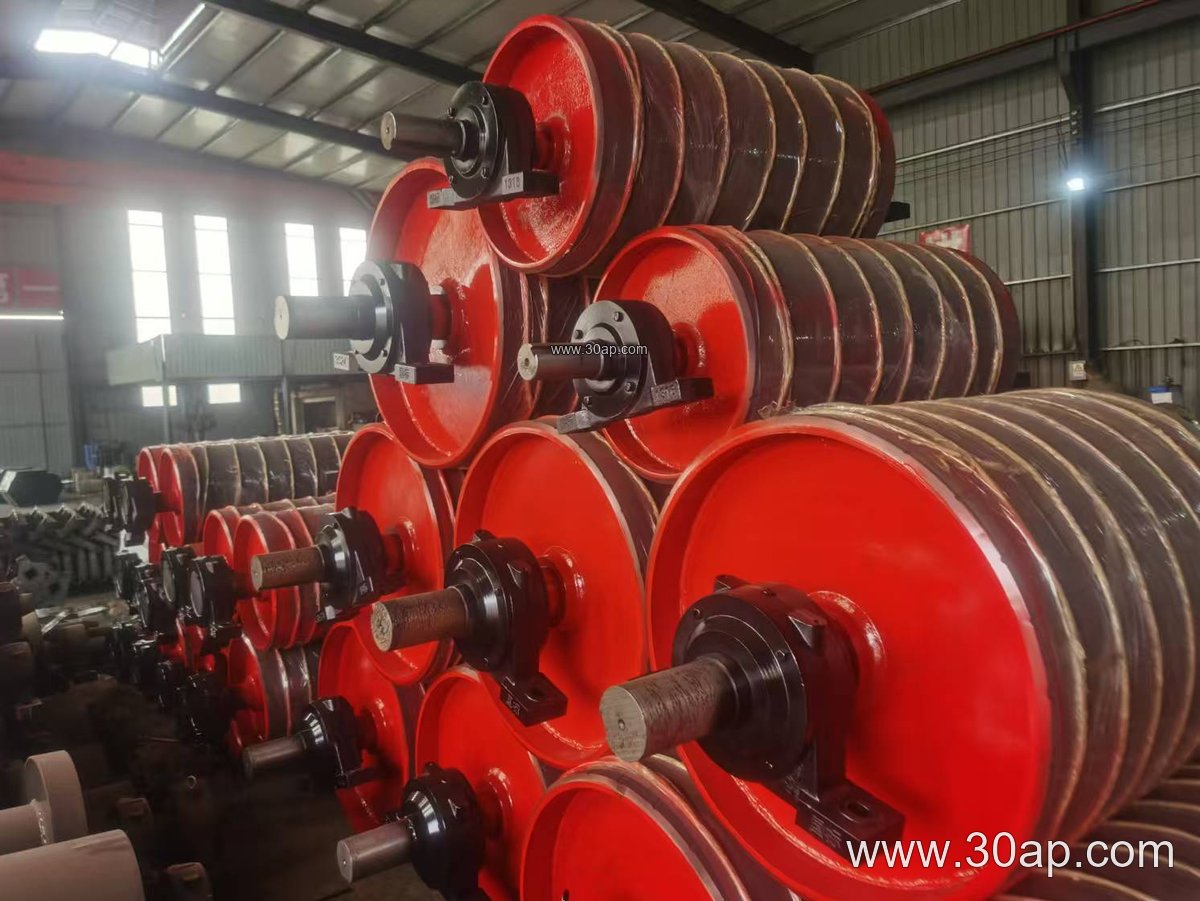
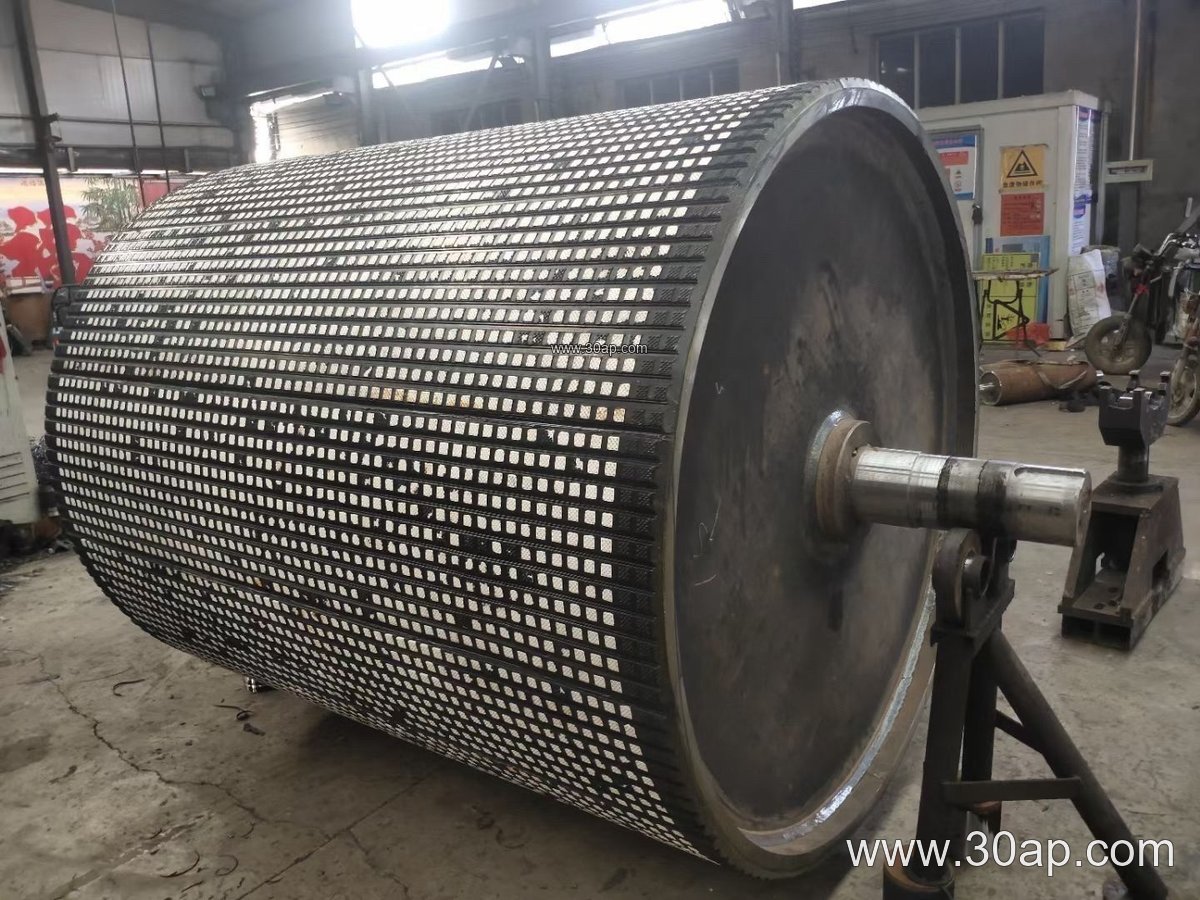
Shaft diameter is not fixed by belt width alone. Common shaft sizes include Ø50, Ø60, Ø70, Ø80, Ø90, Ø100, Ø120, Ø140, Ø160, Ø180, and Ø200, but the final value depends on torque, radial load, and bearing life. A B650 bend pulley may use a Ø70 shaft in one conveyor and a Ø90 shaft in another if the tension and span differ.
Where It Fits in Bulk Handling
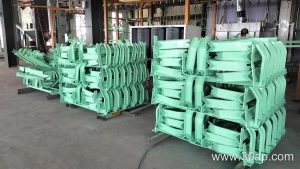
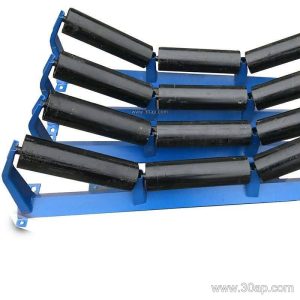
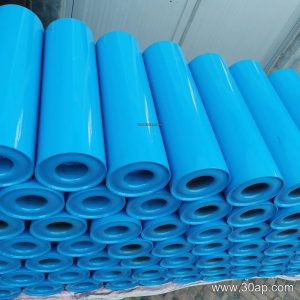
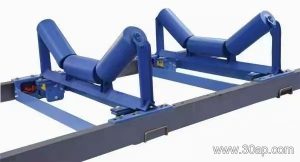
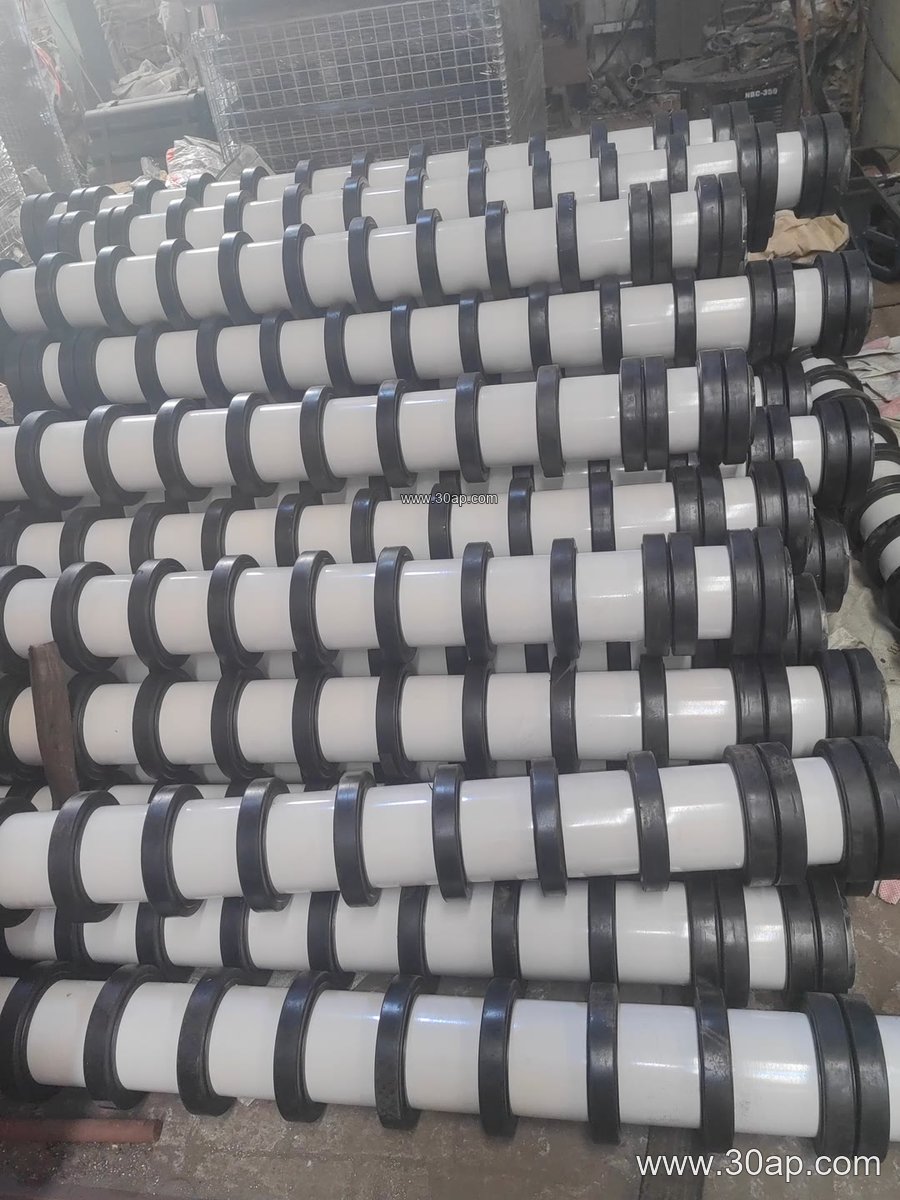
In a quarry or aggregate line, a bend pulley often sits near the take-up frame to keep the belt aligned after the discharge zone. In a coal mining conveyor, it may be part of the return-side routing before the belt enters a secondary cleaning station. The pulley works alongside the conveyor belt, idler roller, conveyor pulley, and conveyor bracket; the bracket anchors the bearing housing, while the idler roller supports the belt between pulleys. In cement plants and power plant coal yards, bend pulleys help route the belt through tight transfer towers where space is limited.
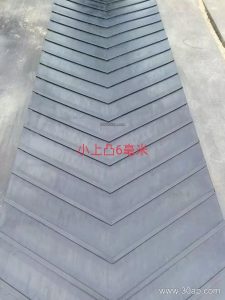
Material compatibility matters. An abrasion resistant conveyor belt running over a plain bend pulley may slip if lagging is too smooth, especially in wet conditions. A flame retardant conveyor belt used underground may require a pulley surface that does not generate excessive static; anti-static lagging can help. For heavy-duty mining conveyor belts, diamond or ceramic lagging improves grip without over-tensioning the belt.
Selection and Maintenance Notes
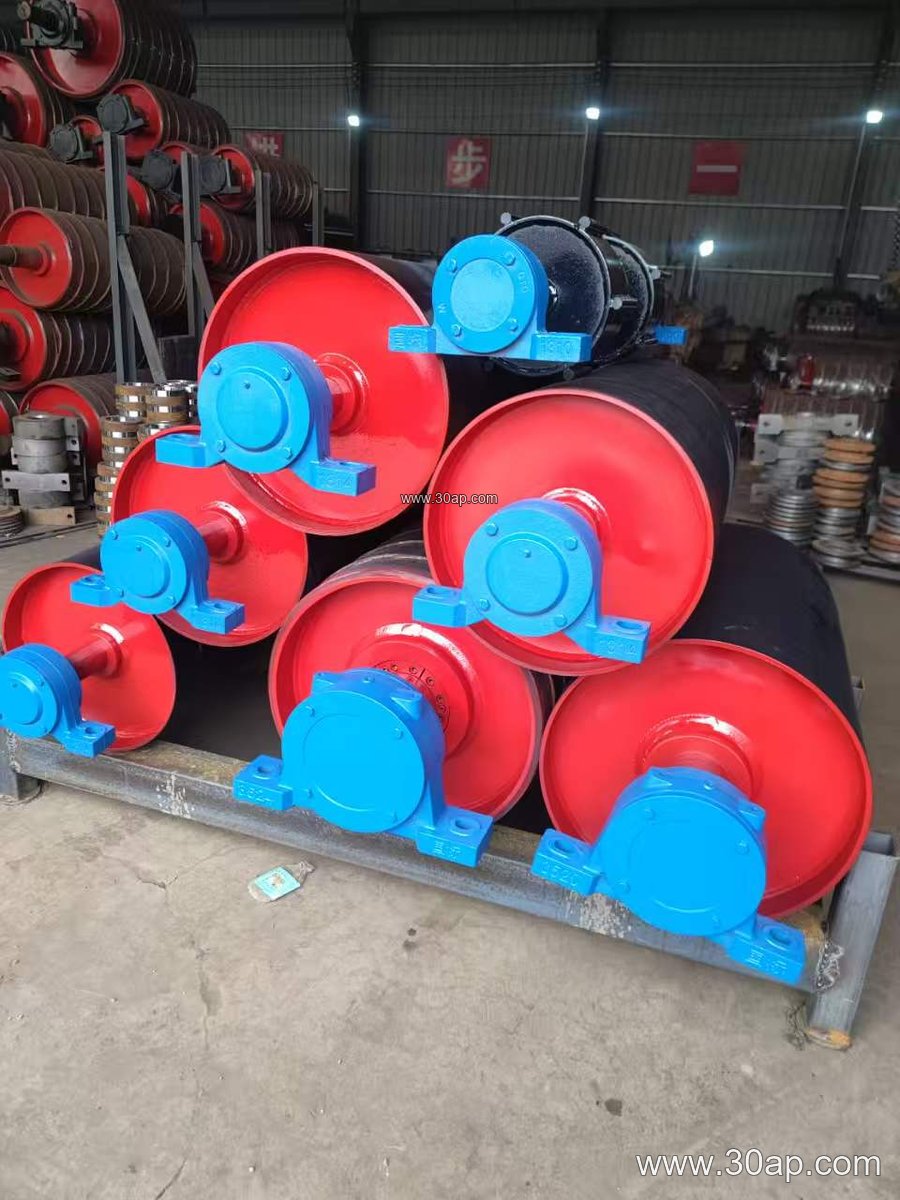
Buyers should match the pulley face width to the belt width, confirm the shaft diameter from the conveyor design load, and choose lagging based on ambient conditions and material carryback. A bend pulley is not a substitute for a drive pulley or a tail pulley; it serves a different kinematic role. Inspection should cover bearing temperature, lagging wear, and shell runout. Misalignment at the bend pulley often shows up as edge wear on the conveyor belt or as tracking drift near the take-up.
For replacement planning, record the existing shell diameter, face width, shaft diameter, bearing type, and lagging pattern. A B1000 system with a Ø500 bend pulley may need a different lagging thickness than a B1400 system with a Ø800 unit, even if both handle the same bulk material. Keep spare conveyor brackets and bearing housings compatible with the original mounting pattern to avoid field modification.