What the EP1250 Conveyor Belt Is
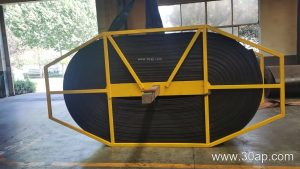
The EP1250 conveyor belt is a fabric-core rubber belt built around polyester-nylon (EP) plies. The number 1250 refers to the nominal breaking strength of the carcass, usually expressed in newtons per millimeter of belt width. In practice, an EP1250 belt sits in the upper-middle part of the EP range, above common EP630 and EP800 grades and below heavier EP1600 and EP2000 constructions. It is a good fit for main haulage lines where a strong, reasonably flexible belt is needed but a steel cord carcass is not automatically required.
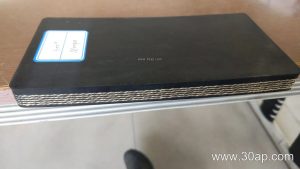
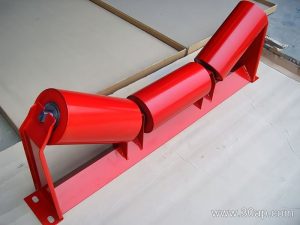
Because the carcass is a multi-ply fabric core, the belt keeps much of the flexibility associated with EP conveyor belt designs. That flexibility helps it run on conventional troughing idler roller sets and wrap around conveyor pulley assemblies without the stiffness that can complicate layout planning on smaller pulleys. It also makes the belt easier to handle and splice in the field than a comparable steel cord belt.
Construction and Typical Build
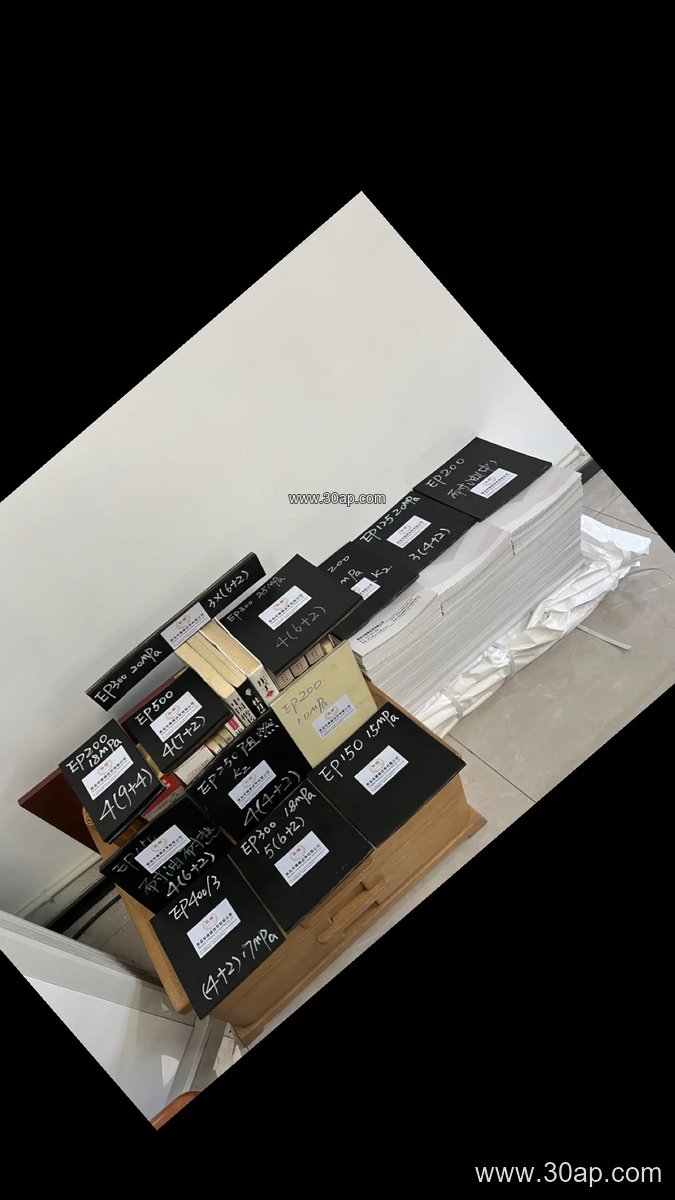
An EP1250 belt normally combines a polyester-nylon carcass with rubber covers on the top and bottom. The carcass may use two to six plies depending on the manufacturer and the duty required. Cover thickness is selected for the material being carried; common combinations include 4+2 mm, 5+2 mm, 6+2 mm and 8+3 mm, with 3+1.5 mm appearing in lighter duties. These are reference figures rather than universal specifications, and the final build is confirmed by the supplier against the conveyor design.
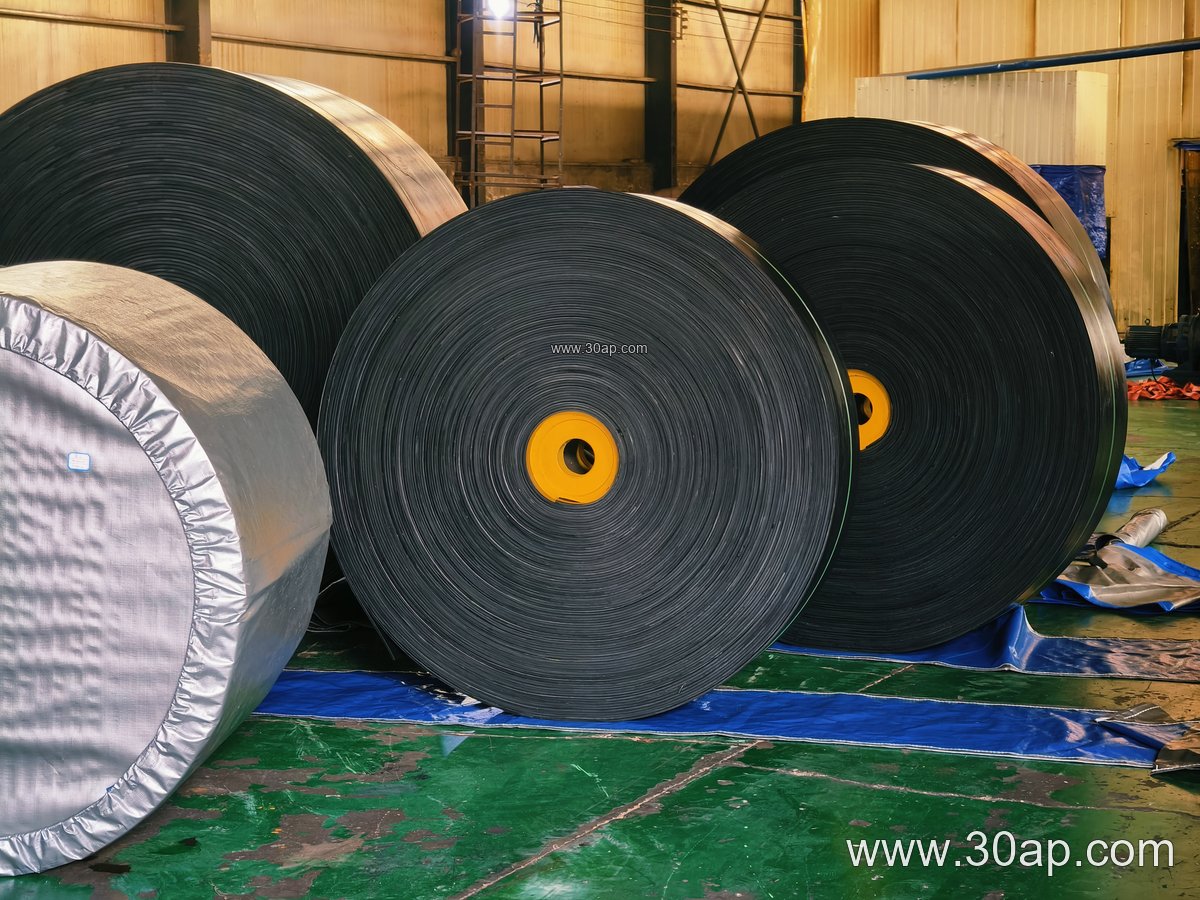
The rubber compound can be adjusted to the environment. Abrasion resistant grades suit sharp rock and aggregate, while heat resistant and oil resistant versions serve cement, steel and processing plants. Flame retardant and anti-static constructions are often specified for coal mining conveyor systems and other underground mining conveyor duties where fire risk and static buildup must be controlled. The same carcass can also be supplied with chevron or corrugated sidewall profiles when the route is steep or the material needs containment.
| Parameter | Typical Reference |
|---|---|
| Carcass type | Multi-ply EP fabric core |
| Nominal strength | EP1250 |
| Belt width | B800 to B1800 commonly considered |
| Cover thickness | 4+2, 5+2, 6+2, 8+3 mm |
| Ply count | 2 to 6 plies |
| Surface options | Plain, chevron, skirted or sidewall |
Where It Fits in the Plant
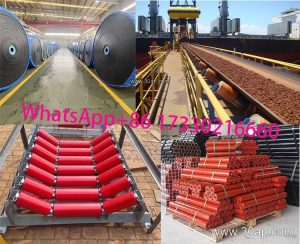
This belt is widely used in bulk material handling where a balance of strength and flexibility matters. In a quarry conveyor or aggregate conveyor line, it can carry crushed stone from a crusher conveyor discharge to screening stations. In a cement plant it may serve clinker and raw material routes, while power plant coal conveyor systems often call for flame retardant or fire resistant versions. Port conveyor and ship loading systems also use EP belts when the layout includes several bends and transfer points.
Mining duty deserves separate attention. A mining conveyor belt of EP1250 grade can handle ore and rock on surface lines, and with the right cover compound it suits iron ore conveyor, copper ore conveyor and gold mining conveyor circuits. Underground coal mining conveyor applications usually demand flame retardant and anti-static properties in addition to strength, so the compound and certification requirements should be stated clearly at the inquiry stage. The belt does not replace a steel cord conveyor belt on very long, high-tension trunk lines, but it is often the more practical choice for medium-length conveyors and multiple-flight systems.
Selection Points for Buyers
- Confirm the calculated maximum belt tension and safety factor before fixing the strength grade; do not assume EP1250 is correct for every route.
- State the material type, lump size, temperature and moisture so the cover compound and thickness can be matched.
- Give the pulley diameters and troughing arrangement so the belt can be checked for bending and training behavior.
- Specify flame retardant, anti-static, oil resistant or heat resistant requirements where the environment demands them.
- Agree on splice method and edge condition, since these affect belt life on long conveyors.
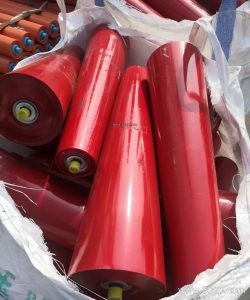
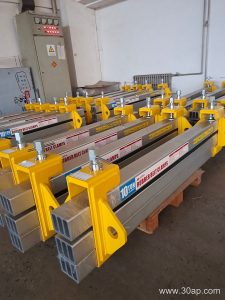
During operation, check the conveyor pulley lagging, idler roller rotation and conveyor bracket alignment as part of routine inspection. A misaligned frame or a seized roller can damage even a well-built belt, and edge wear often begins at transfer points. Keeping the belt tracking straight and the loading centered extends service life more reliably than changing strength grade alone.
Practical Notes
An EP1250 belt is not a single fixed product. Width, cover grade, ply count and surface form are all selected for the job, and a 1200 mm or 1400 mm width can be paired with different pulley sizes depending on the conveyor design. Buyers should treat catalog values as a starting point and ask for a datasheet that matches the actual duty. For abrasive rock, a high abrasion resistant cover is usually worth considering; for hot clinker, a heat resistant grade; for coal, a flame retardant belt with anti-static properties. Matching the belt to the conveyor rather than to a single number is the surest way to avoid premature failure.