What Pulley Lagging Does
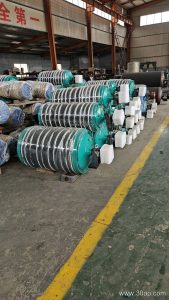
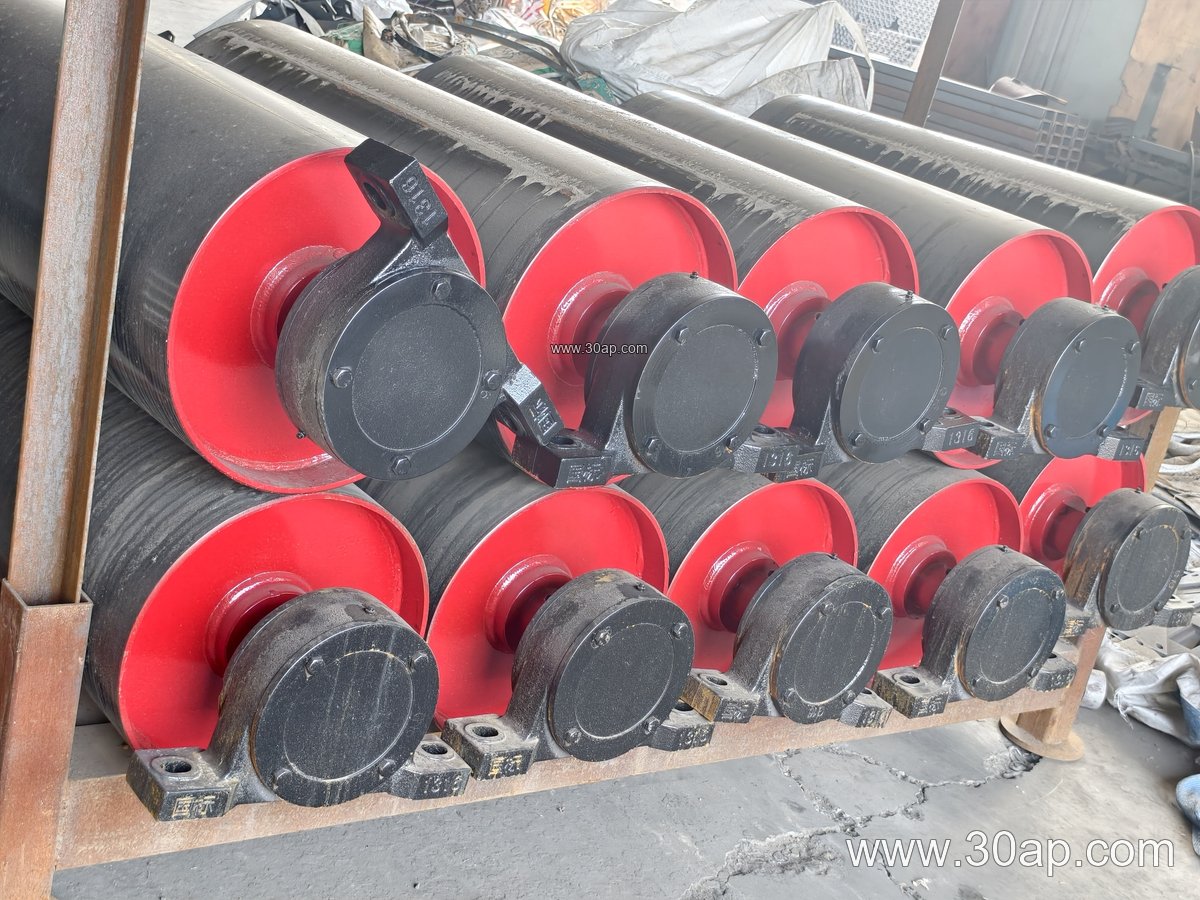
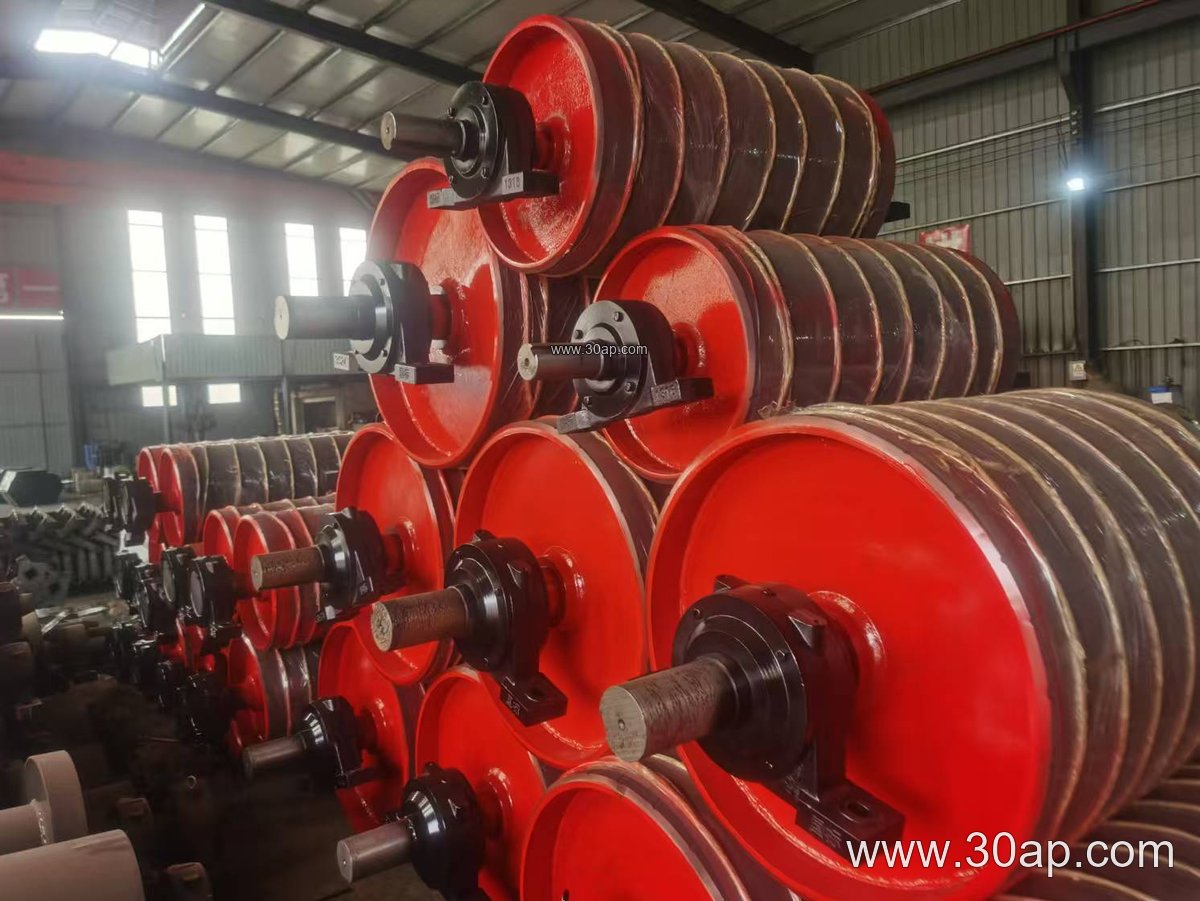
Pulley lagging is the rubber or ceramic layer attached to the surface of a conveyor pulley. Its main jobs are to increase friction between the drum and the conveyor belt, protect the pulley shell from wear, and help keep the belt tracking properly. Without lagging, a drive pulley can slip under load, especially in wet or dusty conditions. Tail and bend pulleys also benefit from lagging to prevent material buildup and extend service life.
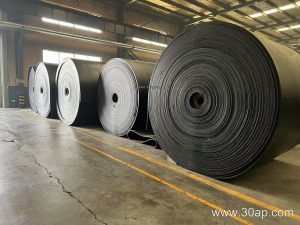
In industries such as mining, cement plants, power stations, and quarry operations, conveyor pulleys work hard. A heavy-duty mining conveyor belt carrying ore or coal puts significant demand on the drive pulley. Properly selected lagging helps transfer torque reliably and reduces the risk of belt slippage.
How Lagging Is Built and Attached
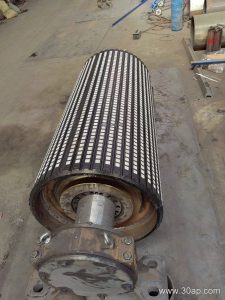
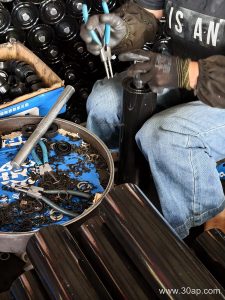
Lagging typically consists of a rubber compound, sometimes reinforced with fabric or ceramic tiles. Common surface forms include plain rubber, diamond pattern, herringbone, and ceramic lagging. Thickness usually ranges from 8 mm to 20 mm, with 10 mm and 12 mm being common for many applications. Attachment methods include hot vulcanizing, cold bonding, and bolt-on ceramic tiles. Hot vulcanized lagging offers a strong bond and is often chosen for high-torque drive pulleys.
The pulley shell itself is prepared by cleaning and sometimes machining before lagging is applied. For ceramic lagging, tiles are embedded in a rubber matrix to provide grip without damaging the belt cover. The choice of lagging surface depends on belt type, material carried, and environmental conditions. For example, a chevron conveyor belt may need a different lagging pattern than a smooth EP conveyor belt.
Matching Lagging to Pulley Position
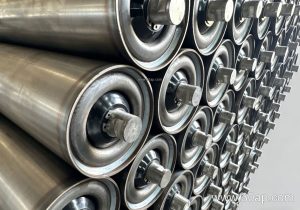
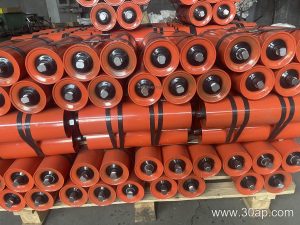
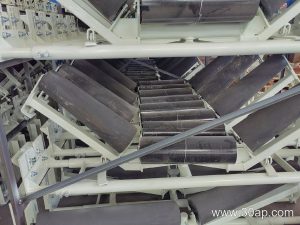
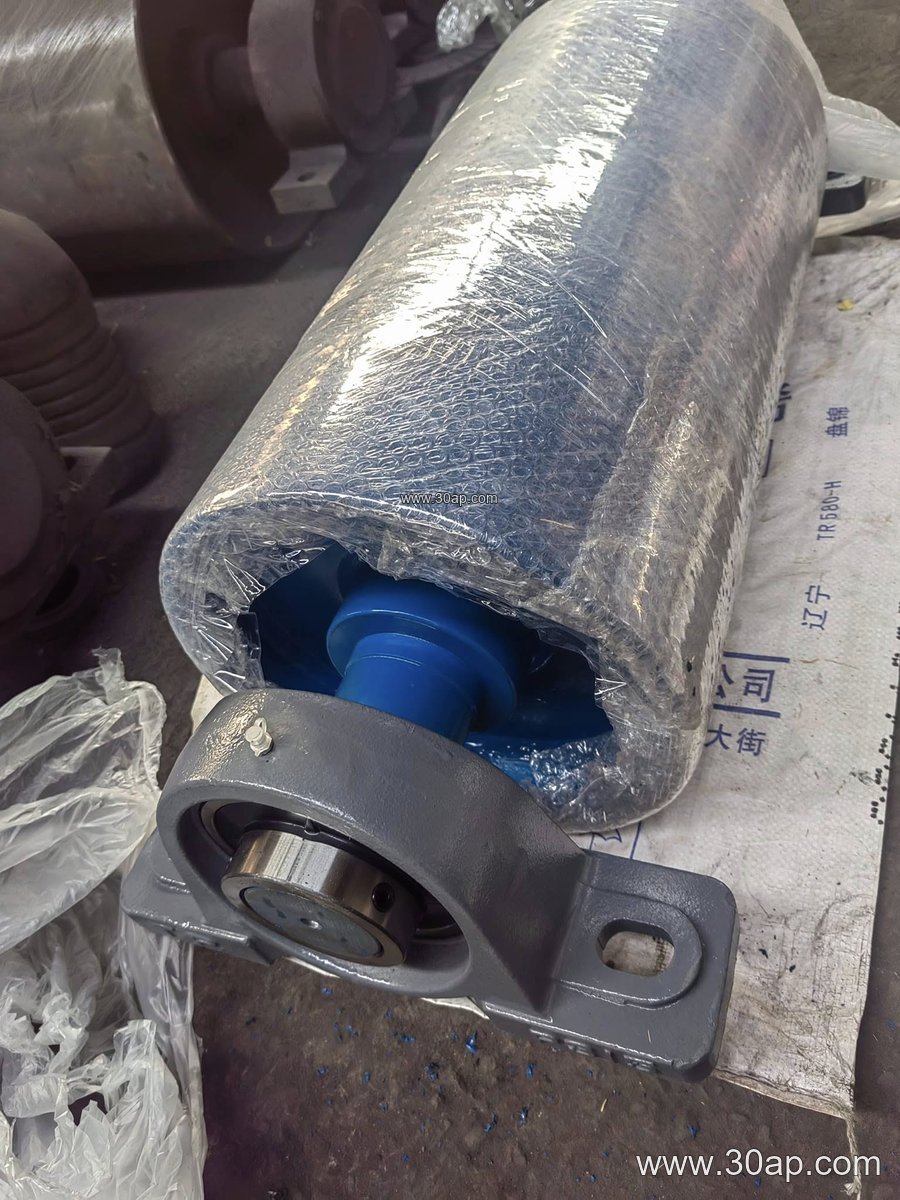
Not all pulleys serve the same function. Drive pulleys, also called head pulleys, transmit power and need high-friction lagging. Tail pulleys at the loading end may use lagging to protect the shell and improve belt tracking. Bend pulleys and take-up pulleys often use plain or lightly grooved lagging to reduce material buildup. Idler rollers and conveyor brackets are separate components, but they work together with pulleys to keep the belt aligned.
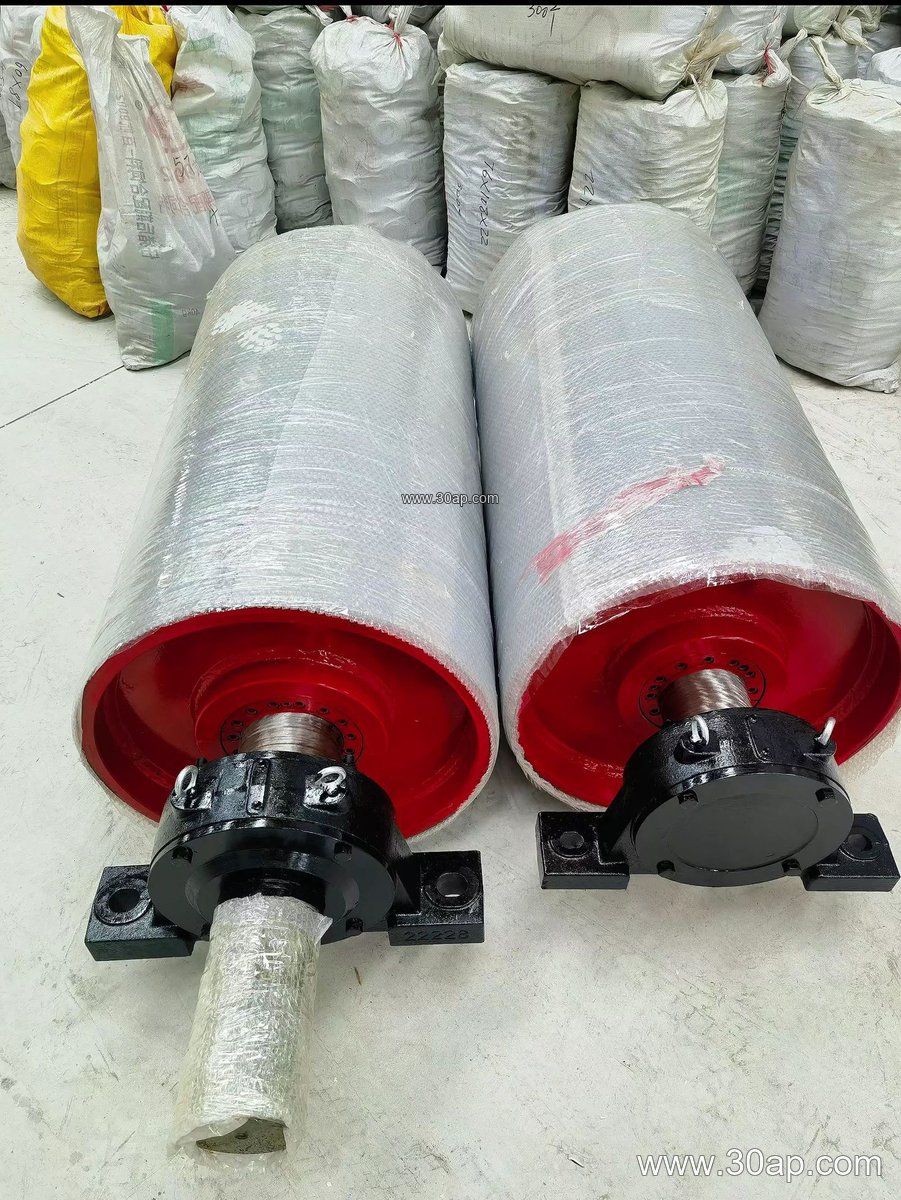
When specifying lagging, consider the pulley diameter and face width. Common combinations include B800 × Ø500 and B1200 × Ø1000, but these are not fixed rules. The belt width does not determine a single pulley diameter, and shaft diameter must be calculated from torque and load. Always refer to the conveyor design for exact dimensions.
Where Lagging Matters Most
In a coal mining conveyor system, lagging helps drive pulleys grip the belt even when surfaces are wet. In a cement plant, abrasive clinker dust can wear pulley shells quickly, so abrasion-resistant lagging is beneficial. Aggregate operations with high belt speeds benefit from balanced lagging that reduces vibration. Port bulk handling facilities often use lagging on both drive and tail pulleys to maintain tension and reduce downtime.
Buyer Checklist
- Confirm pulley type and position: drive, tail, bend, or take-up.
- Specify belt width and pulley face width; usually face width is slightly larger than belt width.
- Choose lagging thickness and surface pattern based on grip needs and material conditions.
- Decide on attachment method: hot vulcanized, cold bonded, or bolt-on ceramic.
- Check shaft diameter and load ratings with the pulley manufacturer.
- Consider environmental factors such as moisture, oil, heat, and abrasion.
For reliable performance, match lagging to the conveyor belt and the overall system. Whether the line uses a fabric core conveyor belt or a steel cord conveyor belt, the right lagging helps maintain traction and extends pulley life. Regular inspection for wear, glazing, or loose tiles keeps the system running smoothly.