What an Idler Shaft Does
An idler shaft is the central axle that carries the rotating shell of a conveyor idler roller. It does not drive the belt. Instead, it holds the roller in position, supports the load, and lets the shell turn freely on bearings. In a typical troughed idler set, three rollers share the load, and each roller has its own idler shaft. The shaft transfers the weight of the conveyor belt and material to the conveyor bracket and frame. Without a straight, properly sized shaft, the roller will wobble, the bearing will wear quickly, and the belt may mistrack.
The shaft is often overlooked because it is hidden inside the roller. But it sets the alignment, the bearing fit, and the service life of the whole idler. In quarry conveyor lines, cement plant clinker handling, and power plant coal conveying, a failed idler shaft can stop a belt and create spillage. That is why buyers should treat the shaft as a precision part, not just a piece of round bar.
Construction and Common Materials
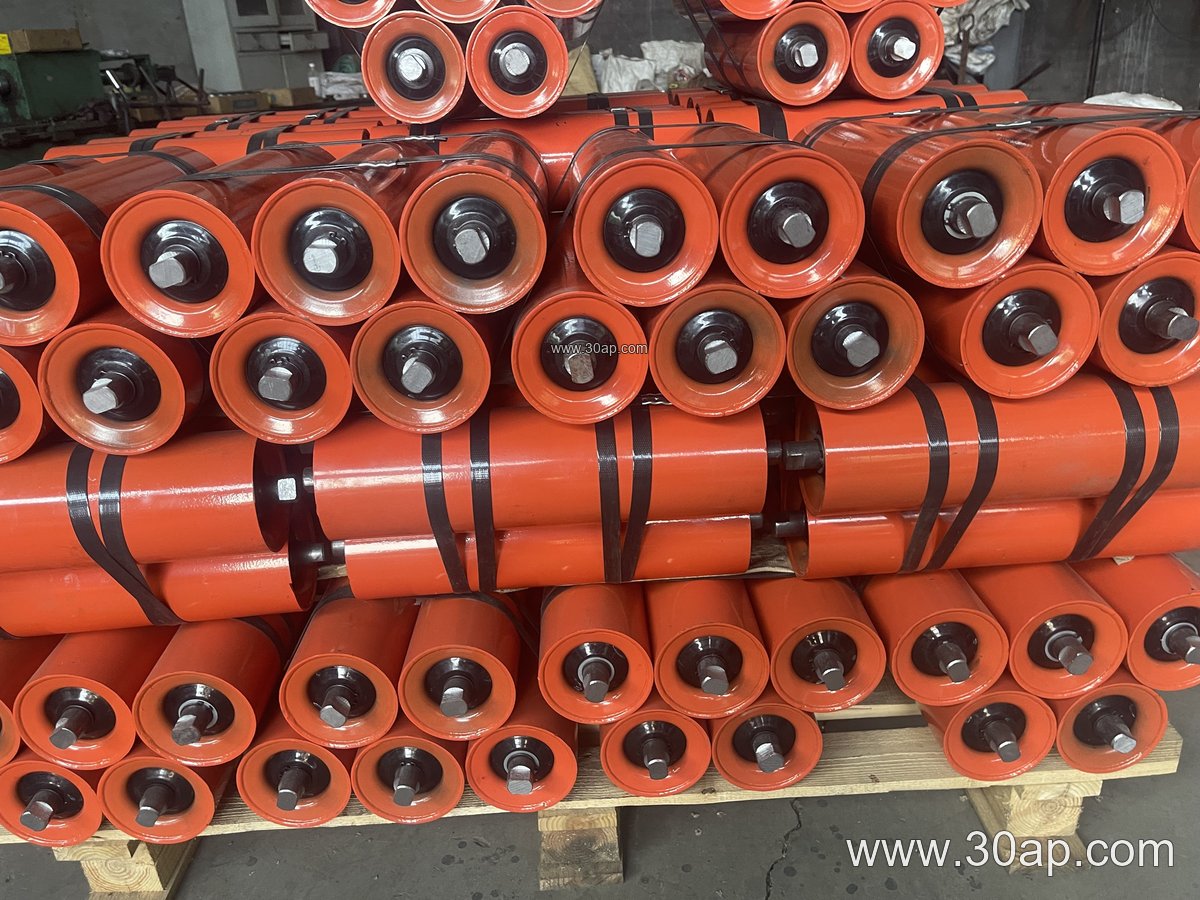
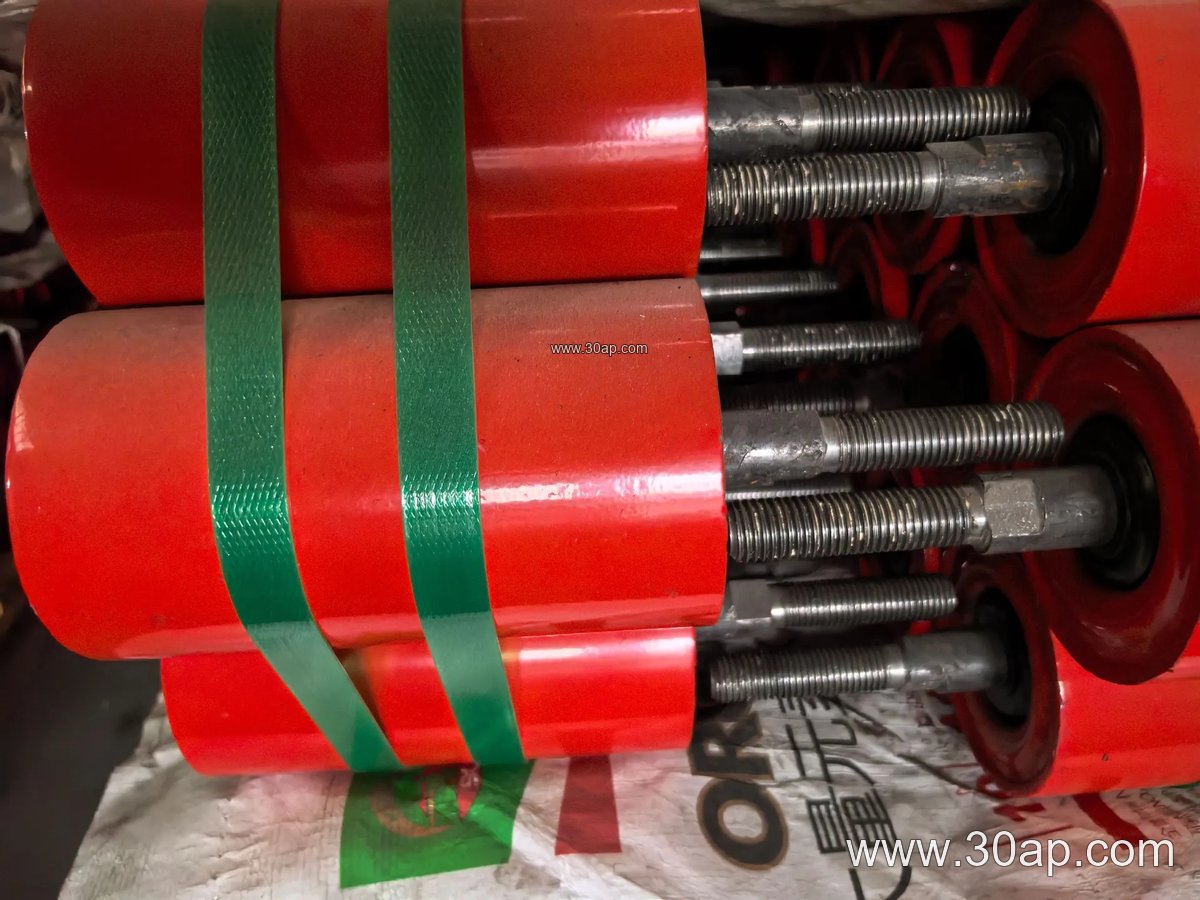
Most idler shafts are made from cold-drawn or turned carbon steel. The ends are machined to fit the bearing bore and the bracket slot. Common bearing numbers used in idler rollers include 6204, 6205, 6305, 6306, 6308, and 6310, but the correct bearing depends on the roller diameter and load, not on the belt width alone. The shaft surface where the bearing sits is usually ground to a fine tolerance. Some designs include a flat or a groove for a retaining ring, while others use a threaded end with a nut.
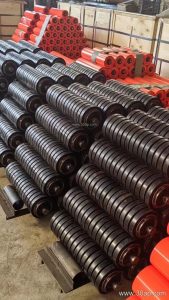
The shaft may be through-going or stub type. A through shaft runs from one bracket to the other and carries one or more roller shells. A stub shaft is shorter and fits into a bearing housing at each end of a single roller. Both forms are common in bulk material handling. The choice depends on the idler roller design and the conveyor bracket interface.
Typical Shaft and Roller Diameter References
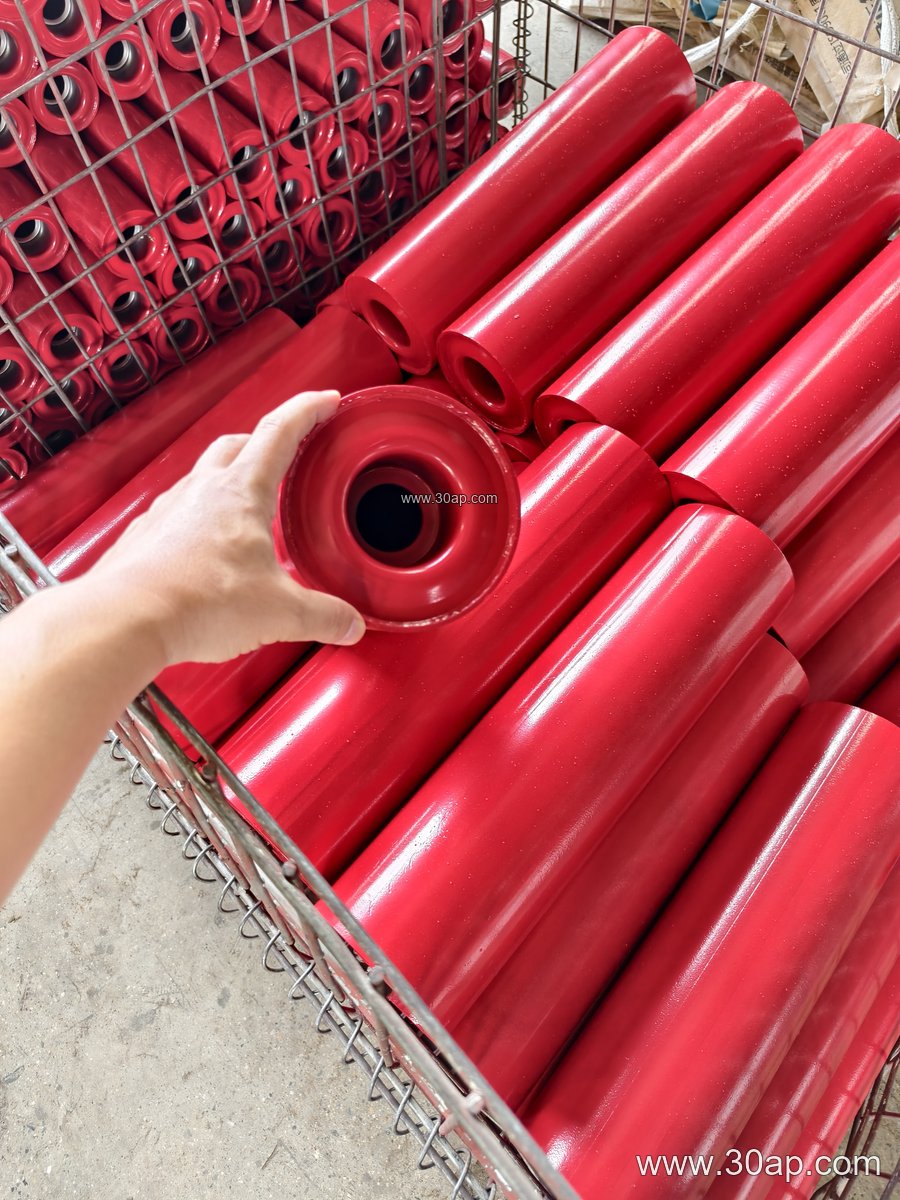
The table below shows common roller diameters and typical shaft sizes used in general conveyor service. These are reference values, not fixed rules. The final shaft diameter should be confirmed by the idler manufacturer based on load, speed, and bearing selection.
| Roller Diameter (mm) | Common Shaft Diameter (mm) | Typical Bearing Series |
|---|---|---|
| Ø63 | 20 | 6204 |
| Ø76 | 20–25 | 6204 / 6205 |
| Ø89 | 20–25 | 6205 |
| Ø102 | 25 | 6205 / 6305 |
| Ø108 | 25 | 6205 / 6305 |
| Ø127 | 25–30 | 6305 / 6306 |
| Ø133 | 25–30 | 6305 / 6306 |
| Ø159 | 30 | 6306 / 6308 |
| Ø178 | 30–35 | 6308 |
| Ø194 | 35 | 6308 / 6310 |
| Ø219 | 35–40 | 6310 |
Roller length varies with belt width and idler arrangement. For a three-roll troughing set, common roller lengths are about 200 mm for B500, 250 mm for B650, 315 mm for B800, 380 mm for B1000, 465 mm for B1200, 530 mm for B1400, 600 mm for B1600, 670 mm for B1800, and 750 mm for B2000. Side rollers and center rollers can differ, so the shaft length must match the specific roller, not just the belt width.
Where Idler Shafts Are Used
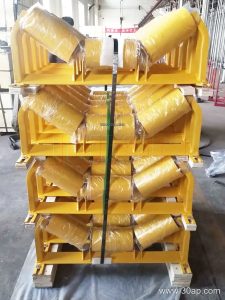
Idler shafts appear in every section of a belt conveyor that uses rollers. On the carrying side, they support the loaded belt in a troughing idler set. On the return side, they support the empty belt in a flat or V-return idler. Impact idlers near the loading point use heavier shafts and rubber rings to absorb shock from falling rock. Training idlers use shafts that allow slight pivoting to correct belt misalignment. In a coal mining conveyor, a flame retardant conveyor belt may run over hundreds of idlers, and each one relies on a straight shaft to keep the belt centered.
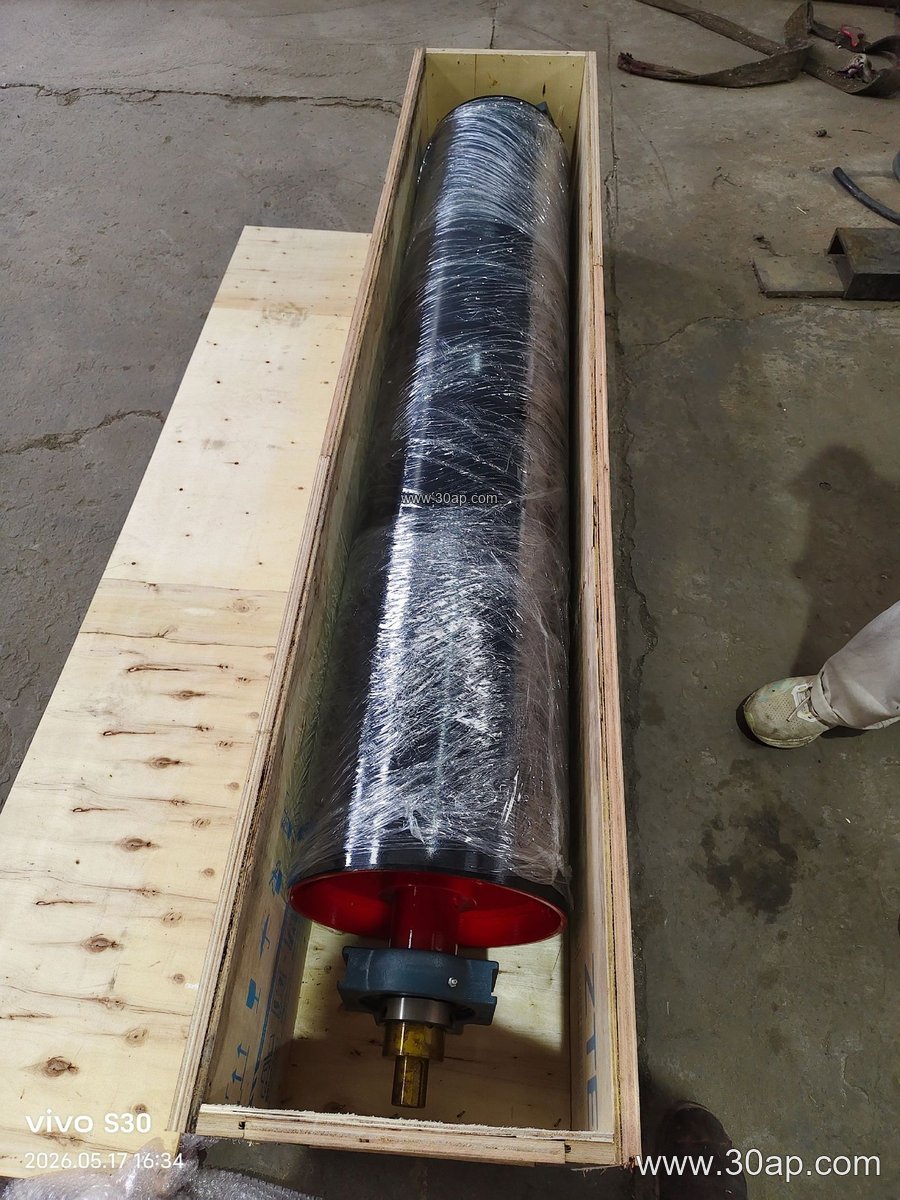
In a sand and gravel plant, an abrasion resistant conveyor belt carries sharp aggregate. The idler shafts there must resist vibration and keep the rollers turning. In a cement plant, heat resistant conveyor belt may be used near the kiln, and the idler shafts in that zone must tolerate higher temperatures without losing alignment. In a port handling iron ore, a steel cord conveyor belt runs at high tension, and the idler shafts under the belt must be sized for the load. The same principle applies in a fertilizer plant or a grain terminal, where smooth roller rotation protects the belt cover.
What Buyers Should Check
When ordering idler shafts or complete idler rollers, buyers should confirm the shaft diameter, length, bearing number, and end configuration. The shaft must match the conveyor bracket slot and the roller shell bore. A shaft that is too soft may bend under load. A shaft with poor surface finish may damage the bearing. For replacement parts, it is best to provide the original roller drawing or measure the old shaft with a micrometer.
Also consider the environment. In a wash plant or a fertilizer store, moisture and dust can enter the bearing if the shaft seal is poor. In a quarry, fine dust is abrasive. In a steel plant, heat and scale are present. The idler shaft itself does not seal the bearing, but its shoulder and fit affect how well the seal works. Buyers should ask for the shaft material grade and the bearing clearance when the conveyor runs in a hot or cold climate.
Finally, do not assume that one shaft size fits every roller diameter or every belt width. The idler shaft is part of a system that includes the conveyor pulley, the conveyor bracket, and the belt. A change in belt width or belt type, such as moving from an EP conveyor belt to a steel cord conveyor belt, may require a different idler load rating and a different shaft. Confirm the design with the conveyor manufacturer before replacing shafts across a whole line.